How to Grow Turnips: A Complete Beginner's Guide
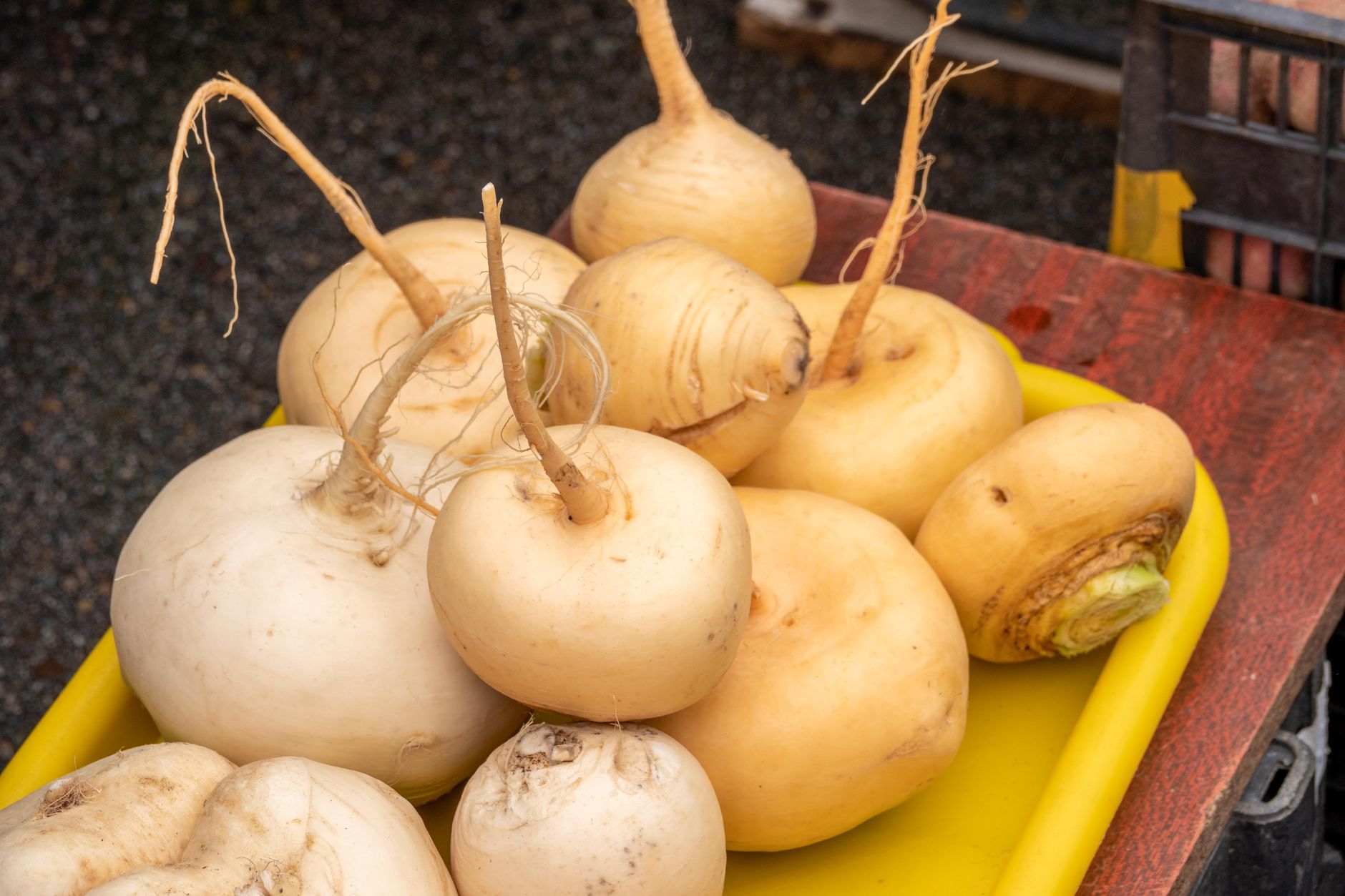
Learn to grow turnips from seed to harvest: soil prep, planting dates, varieties, pest control, and storage tips for a successful crop.
Turnips are one of the easiest root vegetables for a beginner to grow. They germinate quickly, tolerate cool weather, and produce both edible roots and greens. With a little planning, you can harvest a crop in as little as 6 to 10 weeks. This guide covers everything you need to know, from soil preparation to harvest and storage.
Why Grow Turnips?
Turnips (Brassica rapa subsp. rapa) are a cool-season crop that thrives in spring and fall. They are hardy in USDA zones 2 through 11, but they perform best when temperatures are between 50°F and 65°F. In most regions, you can grow two crops per year: one in early spring and one in late summer for fall harvest. Turnips are also a good cover crop, as their deep roots break up compacted soil.
Choosing the Right Variety
Select a variety based on your intended use and growing season. Some turnips are bred for their greens, others for their roots, and many are dual-purpose. Here are reliable choices:
| Variety | Days to Maturity | Root Color | Best For |
|---|---|---|---|
| Purple Top White Globe | 50-60 | Purple and white | Roots, storage |
| Hakurei | 35-45 | White | Salads, fresh eating |
| Scarlet Queen | 45-55 | Red | Roots, mild flavor |
| Seven Top | 40-50 | Greens only | Leafy greens |
| Tokyo Cross | 35-40 | White | Fast harvest, baby roots |
For a continuous harvest, plant a mix of early and main-season varieties. If you have limited space, choose a small-rooted type like Hakurei, which can be planted closer together.
When to Plant Turnips
Turnips prefer cool weather. In spring, sow seeds directly into the garden 2 to 4 weeks before your last frost date. For fall, plant 6 to 8 weeks before your first frost date. Here are general planting windows for different regions:
| Region | Spring Planting | Fall Planting |
|---|---|---|
| Northern (zones 3-5) | April to May | July to August |
| Central (zones 6-7) | March to April | August to September |
| Southern (zones 8-10) | February to March | September to October |
Soil temperature should be at least 40°F for germination, but 60°F is ideal. Use a soil thermometer to check. If you miss the spring window, wait for fall; turnips do not do well in hot summer weather.
Preparing the Soil
Turnips grow best in loose, well-drained soil with a pH between 6.0 and 7.0. Heavy clay or rocky soil will cause roots to become misshapen. Prepare your bed by:
- Removing rocks and debris.
- Loosening the soil to a depth of 8 to 10 inches with a garden fork or tiller.
- Mixing in 2 to 3 inches of compost or aged manure.
- Raking the surface smooth.
Avoid fresh manure, as it can cause root forking. If your soil is acidic, add lime according to a soil test. A simple pH test kit costs about $10 and is available at garden centers.
Sowing Seeds
Turnip seeds are small, about 1/16 inch in diameter. Sow them directly in the garden; they do not transplant well. Here is the process:
- Make shallow furrows 1/2 inch deep and 12 inches apart.
- Scatter seeds thinly along the furrow, aiming for 1 seed per inch.
- Cover with soil and firm gently.
- Water with a fine spray to avoid washing seeds away.
Seeds germinate in 7 to 14 days. Once seedlings have two true leaves, thin them to 4 to 6 inches apart for full-size roots. If you want baby turnips, thin to 2 inches apart and harvest early. Thinned seedlings are edible as microgreens.
Watering and Fertilizing
Turnips need consistent moisture to develop tender roots. Water deeply once or twice a week, providing about 1 inch of water per week. Mulch with straw or shredded leaves to retain moisture and suppress weeds.
Fertilize at planting time with a balanced organic fertilizer, such as 5-5-5, at a rate of 1 pound per 100 square feet. Avoid high-nitrogen fertilizers, which encourage leafy growth at the expense of roots. Side-dress with compost mid-season if growth seems slow.
Pest and Disease Management
Common pests include flea beetles, aphids, and root maggots. Flea beetles create small holes in leaves; use row covers to exclude them. Aphids can be washed off with a strong spray of water. Root maggots are more serious; rotate crops and avoid planting where other brassicas grew recently.
Diseases like clubroot and downy mildew can occur. Prevent them by:
- Practicing crop rotation (do not plant turnips in the same spot for 3 years).
- Ensuring good air circulation.
- Watering at the base, not overhead.
If you see yellowing or stunted growth, check for root maggots and remove affected plants.
Harvesting and Storing
Turnips are ready to harvest when roots are 2 to 3 inches in diameter, usually 40 to 60 days after planting. Baby turnips can be harvested at 1 inch. Use a garden fork to loosen the soil, then pull gently by the tops.
Cut off the greens, leaving 1 inch of stem. Store roots in a perforated plastic bag in the refrigerator for up to 2 weeks. For longer storage, keep them in a cool, humid root cellar at 32°F to 40°F, where they can last for several months. Greens are best used within 3 to 4 days.
Growing Turnips in Containers
If you lack garden space, turnips grow well in containers. Choose a pot at least 12 inches deep with drainage holes. Fill with a quality potting mix. Sow seeds 1/2 inch deep and thin to 3 inches apart. Place the container in full sun (at least 6 hours) and water regularly. Harvest baby turnips at 35 days for best flavor.
FAQ
Can I grow turnips in the summer?
Turnips are a cool-season crop. In most areas, summer heat causes roots to become woody and bitter. If you want a summer harvest, choose a heat-tolerant variety like ‘Tokyo Cross’ and plant in partial shade, but expect lower quality.
How do I know when turnips are ready to harvest?
Check the root size by gently brushing away soil at the top. Most varieties are ready when the root is 2 to 3 inches across. Harvest promptly, as they can become tough if left too long.
Can I eat turnip greens?
Yes, turnip greens are edible and nutritious. Harvest young leaves (under 6 inches) for salads, or mature leaves for cooking. ‘Seven Top’ is a variety grown specifically for greens.
Why are my turnips all tops and no roots?
This is usually caused by too much nitrogen, overcrowding, or hot weather. Reduce fertilizer, thin seedlings to proper spacing, and plant at the right time for your zone.
The Bottom Line
Growing turnips is straightforward if you provide loose soil, consistent moisture, and cool temperatures. Choose a variety suited to your needs, plant at the right time, and thin seedlings promptly. With minimal effort, you can enjoy a fresh, crisp crop in under two months. Start with a small patch this season, and you will likely make turnips a regular part of your garden plan.