Aquaponic farming for beginners
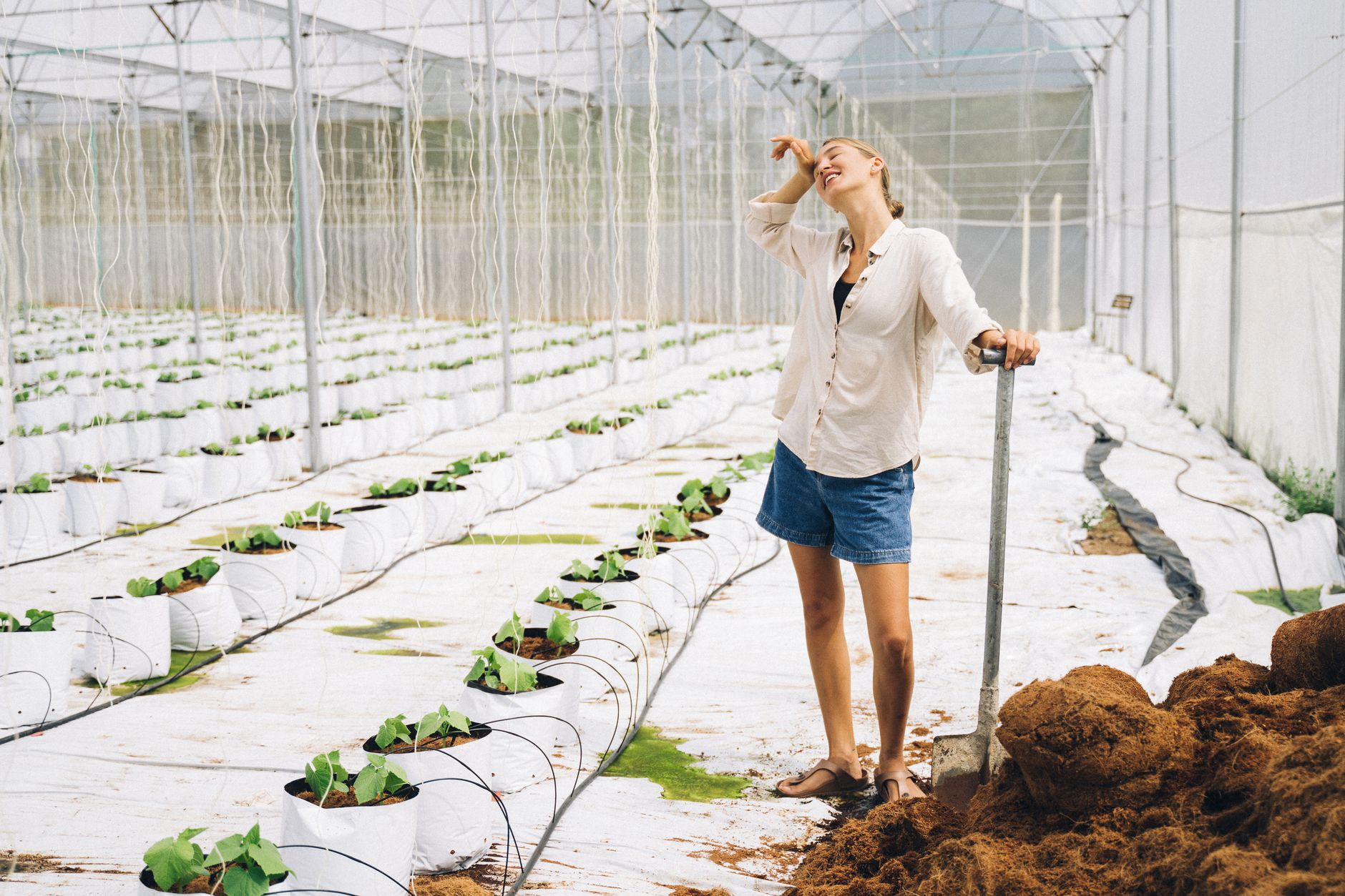
Learn how to start aquaponics at home: system basics, fish and plant choices, costs, and step-by-step setup for beginners.
Aquaponics combines fish farming and soil-less plant growing in a closed loop. Fish waste feeds the plants, and plants clean the water for the fish. It is a sustainable way to grow fresh food, but it requires more upfront planning than a simple garden. This guide covers the essentials: how it works, what you need, and how to get started without wasting money.
How Aquaponics Works
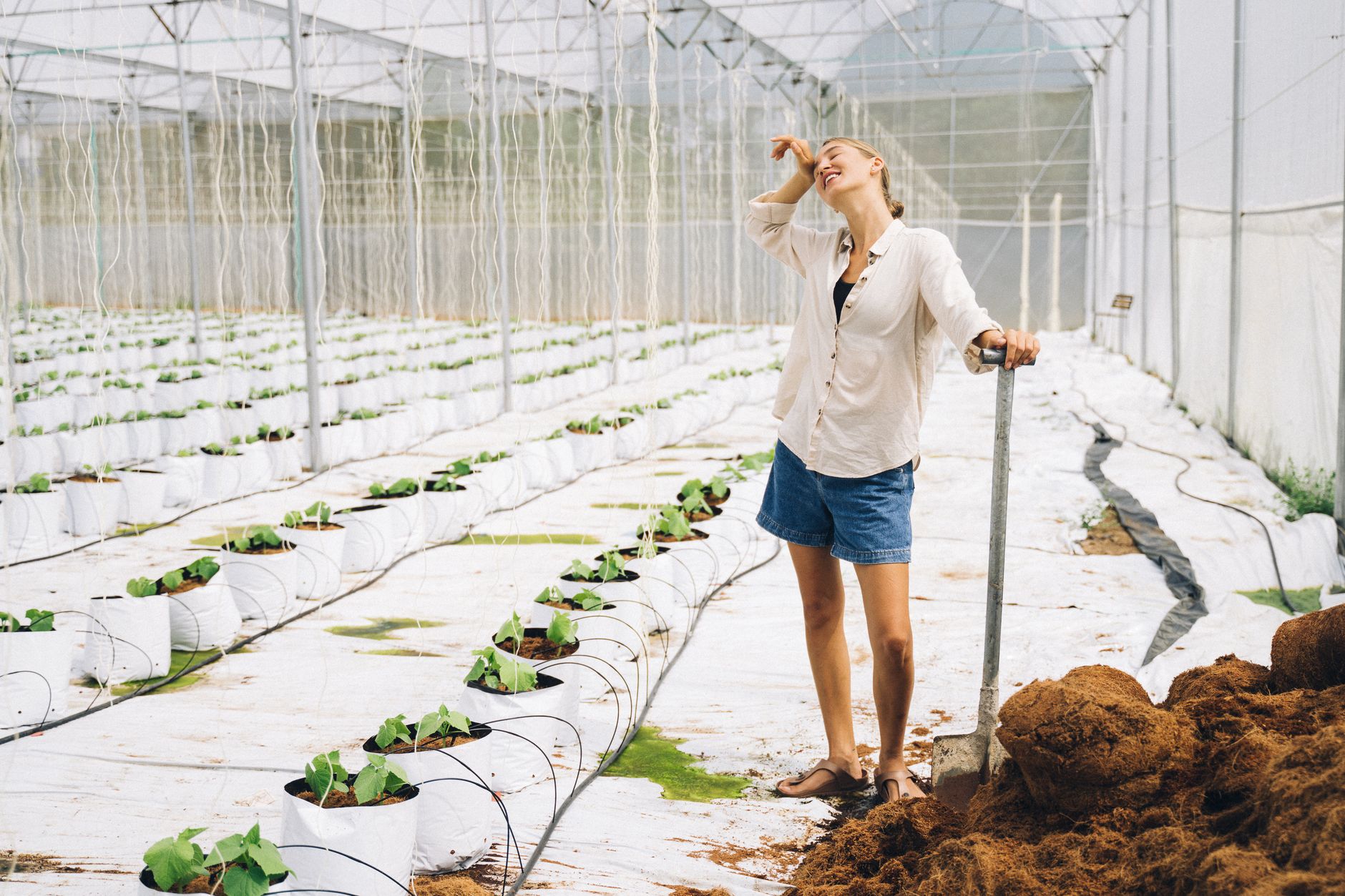
In an aquaponic system, fish produce ammonia through their waste. Beneficial bacteria convert ammonia to nitrites, then to nitrates, which plants use as fertilizer. The water recirculates between a fish tank and a grow bed, so you are not constantly adding new water. Th
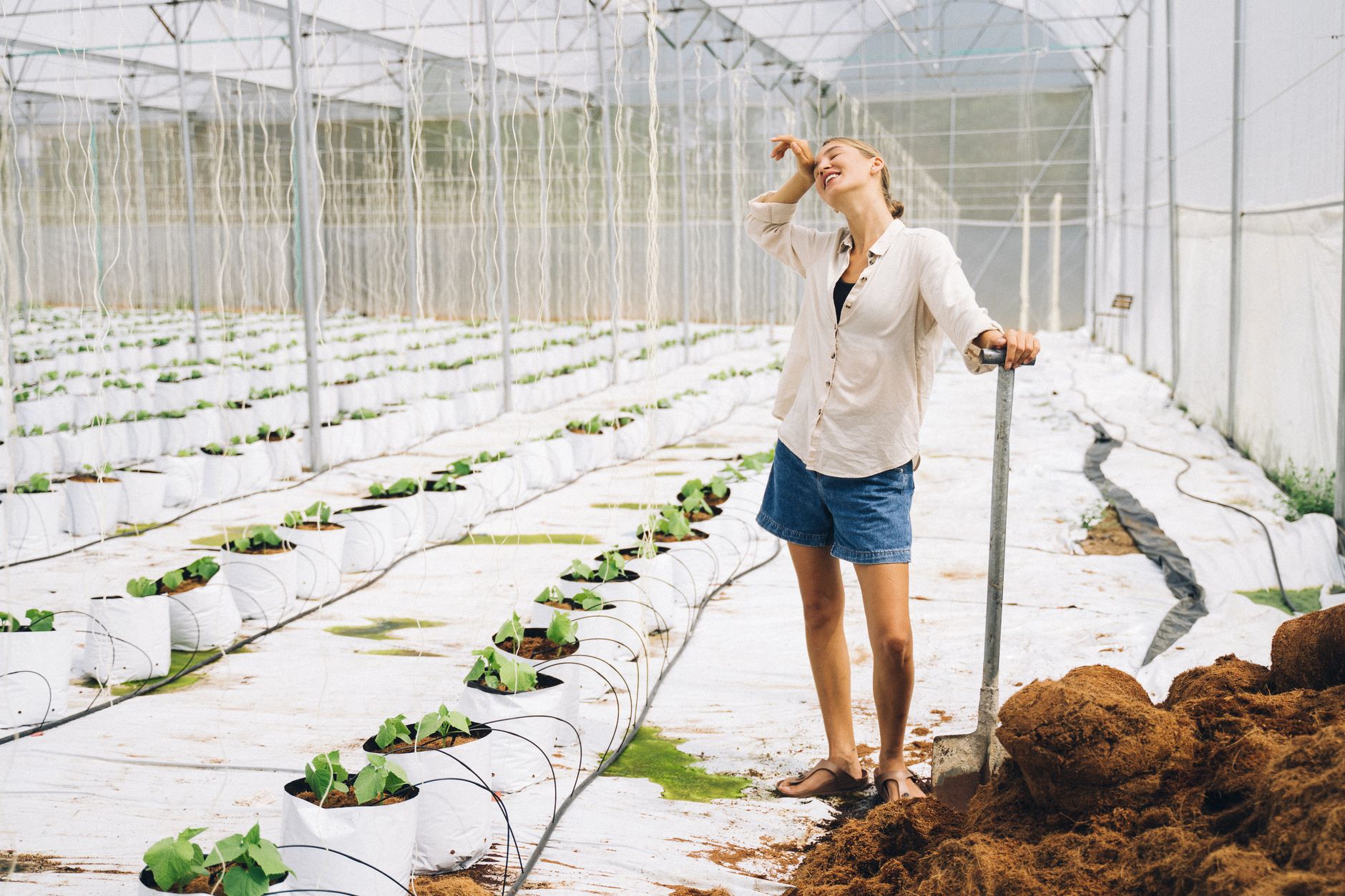 e key is to keep the biological cycle balanced: healthy fish, active bacteria, and thriving plants.
Choose Your System Type
There are three main types of aquaponic systems for beginners. Each has pros and cons.
| System | How it works | Best for | Approx. cost (2026) |
|---|---|---|---|
| Media-based | Grow bed filled with clay pebbles or gravel; water floods and drains | Small-scale, easy for beginners | $200-$500 |
| Nutrient film technique (NFT) | Shallow channels with a thin film of water | Leafy greens, herbs | $300-$600 |
| Deep water culture (DWC) | Plants float on rafts over a deep tank of water | Larger systems, fast growth | $400-$800 |
For a first system, media-based is the most forgiving. The grow bed acts as a mechanical and biological filter, and it is harder to crash the system.
What You Need to Start
Here is the essential equipment list with realistic 2026 prices:
- Fish tank: 50 to 100 gallons for a backyard system. A 100-gallon stock tank costs $80-$120.
- Grow bed: a food-safe plastic container, 2 to 4 feet wide, 12 inches deep. Expect $50-$100.
- Grow media: expanded clay pebbles (hydroton) or pea gravel. A 1.5 cubic foot bag of hydroton costs $30-$40.
- Water pump: submersible, rated for at least 300 gallons per hour. $40-$60.
- Air pump and air stone: to keep oxygen in the water. $20-$30.
- PVC piping and fittings: for plumbing. $30-$50.
- Test kit: for pH, ammonia, nitrite, nitrate. $30-$50.
- Fish and plants: initial stock, $50-$100.
Total startup for a small media-based system: $300-$500. You can reduce costs by using a plastic tote for the tank and a recycled container for the grow bed, but do not skimp on the pump or test kit.
Choose Your Fish and Plants
For beginners, choose hardy fish that tolerate temperature swings and water quality fluctuations.
| Fish | Ideal water temp (F) | Notes |
|---|---|---|
| Tilapia | 75-85 | Fast growing, but needs warm water; good for southern zones |
| Trout | 55-65 | Cold water, best for northern zones |
| Goldfish | 65-75 | Very hardy, good for learning |
| Koi | 60-75 | Hardy, but produce more waste |
For plants, start with leafy greens and herbs that do not need heavy feeding. Good choices: lettuce (e.g., Buttercrunch, Romaine), Swiss chard, kale, basil, mint, and watercress. Avoid fruiting plants like tomatoes or peppers until the system is mature (after 6 months) because they need higher nutrient levels.
Set Up Your System Step by Step
Follow these steps to get your first system running this week.
- Place the tank and grow bed: Put the fish tank on a level surface near a power outlet. Position the grow bed above the tank so water can drain back by gravity.
- Install the pump and plumbing: Connect the pump to a PVC pipe that carries water up to the grow bed. Use a bell siphon or a simple standpipe to control the water level. For a beginner, a constant flow with a drain is simpler than a siphon.
- Add the grow media: Rinse the clay pebbles or gravel thoroughly to remove dust. Fill the grow bed to within 2 inches of the top.
- Fill with water and run the pump: Fill the tank with dechlorinated water (let tap water sit for 24 hours or use a dechlorinator). Run the pump for a day to check for leaks and ensure the water flows correctly.
- Cycle the system: Add a small amount of fish food or pure ammonia (no additives) to start the nitrogen cycle. Test the water every few days. When ammonia and nitrite levels spike and then drop to zero, and nitrates appear, the system is cycled. This takes 4 to 6 weeks.
- Add fish: Start with a few hardy fish. For a 100-gallon tank, add 5 to 10 goldfish or 3 to 5 tilapia. Feed them sparingly: only what they eat in 2 minutes, once a day.
- Add plants: Once the system is cycled, plant seedlings in net pots with clay pebbles. Place them in the grow bed. Start with 6 to 8 lettuce or herb plants.
Maintenance and Troubleshooting
Daily tasks: feed fish, check water temperature, and observe fish behavior. Weekly tasks: test pH, ammonia, nitrite, and nitrate; top off water; clean the pump filter. Monthly tasks: harvest plants, prune, and check for clogs.
Common issues:
- High ammonia: You are feeding too much or the bacteria are not established. Reduce feeding, add more beneficial bacteria (available at pet stores), and test daily.
- High pH: Tap water often has high pH. Lower it slowly with pH down solution or by adding peat moss to the system.
- Algae blooms: Reduce light exposure to the tank and grow bed, and add floating plants like duckweed to compete for nutrients.
- Fish gasping: Low oxygen. Add an air stone or increase water flow.
Costs and Yields: What to Expect
A small backyard system (100-gallon tank, 2x4 foot grow bed) can produce 10 to 20 pounds of fish per year and a continuous supply of leafy greens. You will harvest about 1 to 2 pounds of lettuce per week once the system is mature. Operating costs are low: electricity for the pump and air pump runs about $5-$10 per month. Fish feed costs $10-$20 per month depending on the number of fish.
FAQ
How much time does aquaponics require? Plan for 15 to 30 minutes a day for feeding and checking, plus an hour on the weekend for testing and maintenance. It is not a set-and-forget system.
Can I use aquaponics indoors? Yes, but you need grow lights. A 4-foot LED grow light costs $50-$100 and runs 12-16 hours a day. Indoor systems are more expensive due to lighting and heating.
What is the best fish for a beginner in a cold climate? Goldfish are the most forgiving. They tolerate lower temperatures and water quality mistakes. Trout are also good but need cooler water and more oxygen.
Do I need to buy beneficial bacteria? You can let the bacteria grow naturally, but adding a bottled bacteria starter (like API Quick Start, $10-$15) speeds up the cycling process by a week or two.
The Bottom Line
Aquaponics is a rewarding way to grow food, but it is not a shortcut. Start small, choose a media-based system, and be patient during the cycling phase. Use hardy fish like goldfish and easy plants like lettuce. With a $300-$500 investment and consistent care, you can have a productive system within 3 to 4 months. The key is to monitor water quality and adjust as you learn. Every mistake is a lesson, and your system will improve over time.