Basil vs chia
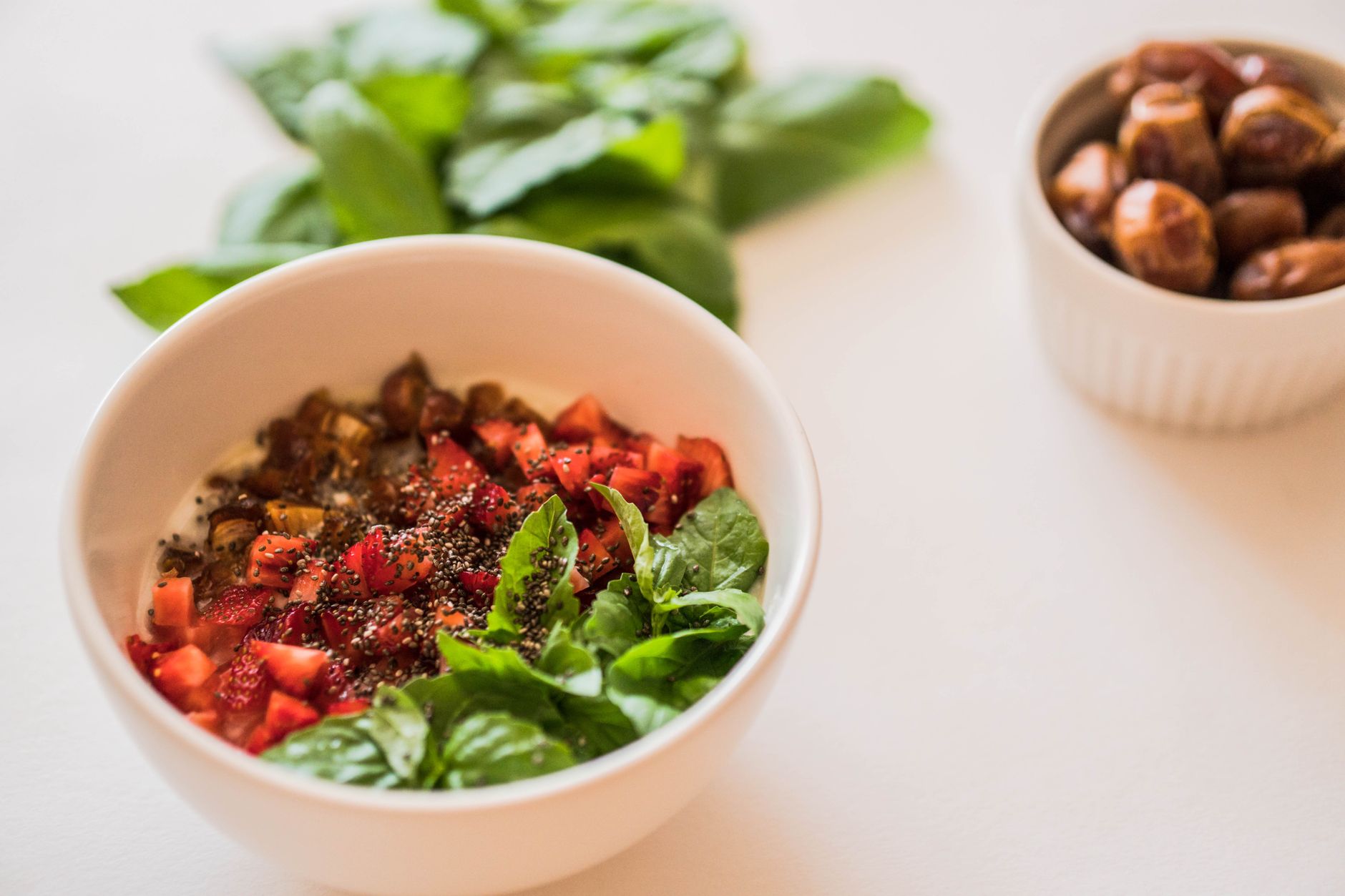
Compare basil and chia for your garden: growth, harvest, uses, and costs. Get real planting dates, varieties, and yields for 2026.
If you’re deciding between basil and chia, here’s the short answer: grow basil for fresh, flavorful leaves all summer, and grow chia for a low-maintenance, nutrient-dense seed crop that you can harvest once. Both are easy, but they serve very different purposes. This guide breaks down the differences so you can choose what fits your garden and kitchen.
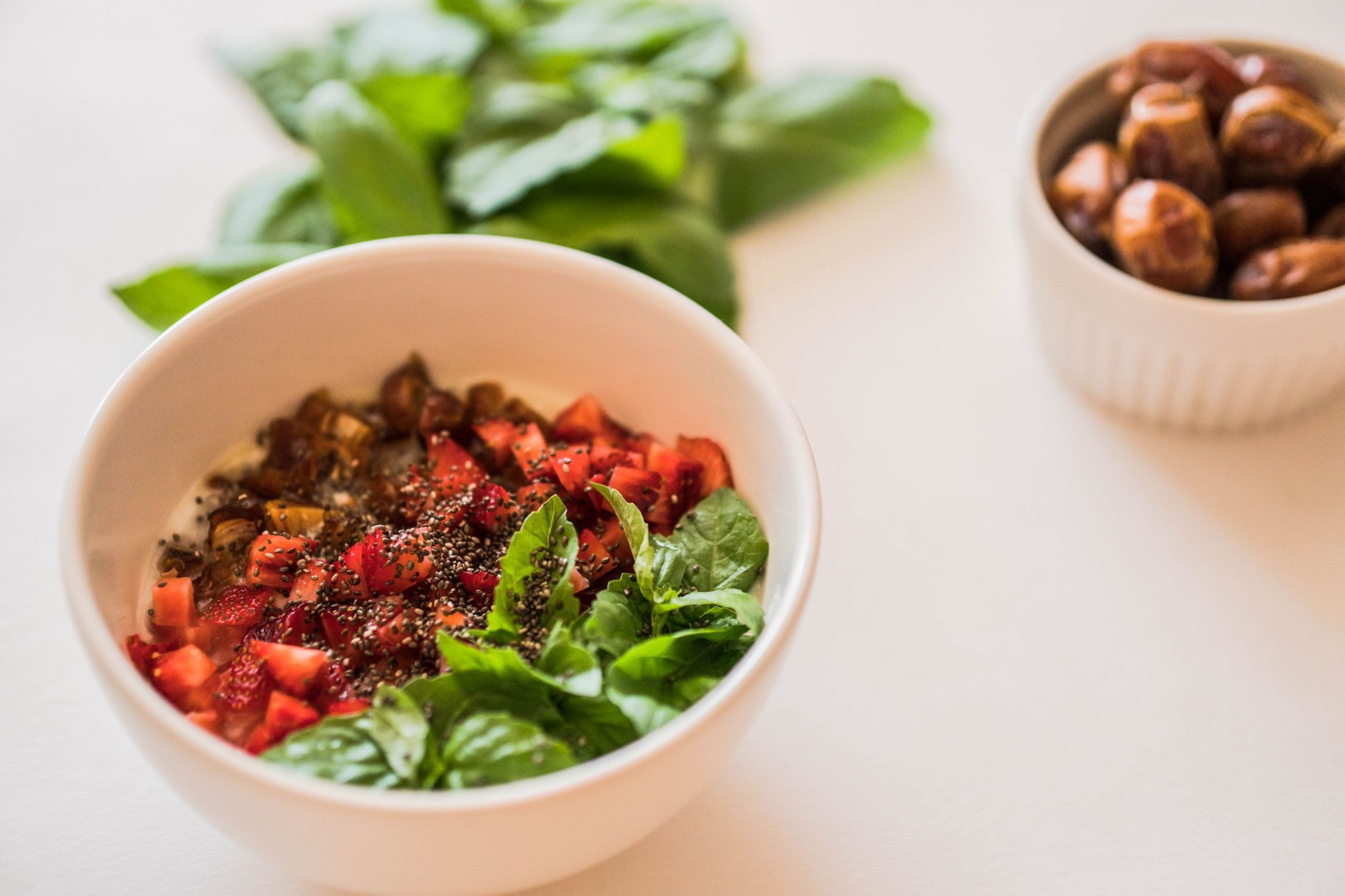
Basil: The Culinary Workhorse
Basil is an annual herb that thrives in warm weather. It’s a staple in Italian and Southeast Asian cooking, and it’s one of the most rewarding plants for a home gardener because you get continuous harvests from a single plant.
Planting and Growing Basil
Basil is frost-tender, so plant it outdoors only after the last frost date. In USDA zones 3-7, that’s typically mid-May to early June. In zones 8-10, you can plant as early as March or April. For an earlier start, sow seeds indoors 4-6 weeks before your last frost date.
- Spacing: Plant basil 12-18 inches apart. If you’re growing in containers, use at least a 5-gallon pot for one plant.
- Soil: Well-drained, rich soil with a pH between 6.0 and 7.5. Add compost before planting.
- Sun: Full sun, at least 6-8 hours a day.
- Water: Keep the soil consistently moist, but not waterlogged. Mulch helps retain moisture.
Harvesting Basil
Start harvesting once the plant has 6-8 leaves. Pinch off the top set of leaves just above a pair of lower leaves. This encourages bushier growth. Never let the plant flower, because leaves turn bitter. If you see flower buds, pinch them off immediately.
A single plant can yield 1-2 cups of leaves per week during peak season. For a family, 3-4 plants is plenty. For preserving, you can make pesto, dry the leaves, or freeze them in olive oil.
Popular Basil Varieties
- Genovese: The classic Italian basil, great for pesto. Large, sweet leaves.
- Sweet Basil: Similar to Genovese but slightly milder. Good all-purpose.
- Thai Basil: Anise flavor, perfect for Asian dishes. Purple stems and flowers.
- Lemon Basil: Citrusy aroma, great in salads and teas.
- Purple Basil: Ornamental and edible, with a milder flavor.
Basil Costs and Yields
A packet of basil seeds costs $3-$5 and contains 100-200 seeds. A single plant costs $3-$4 at a nursery. In 2026, expect to pay $2-$3 per bunch at a grocery sto
 re, so growing your own saves money if you use basil regularly.
Chia: The Superfood Seed Crop
Chia (Salvia hispanica) is an annual herb in the mint family, native to Mexico and Guatemala. It’s grown for its seeds, which are rich in omega-3s, fiber, and protein. Chia is a low-maintenance crop that’s perfect for homesteaders who want a reliable seed harvest.
Planting and Growing Chia
Chia needs a long, warm growing season, about 120-150 days to maturity. It’s best in zones 8-11, but you can grow it in cooler zones if you start seeds indoors or choose a short-season variety.
- Spacing: Sow seeds directly in the garden after the last frost, or start indoors 4-6 weeks before. Space plants 12-18 inches apart.
- Soil: Chia is not picky, but it prefers well-drained, sandy loam. It tolerates poor soil and drought once established.
- Sun: Full sun.
- Water: Water regularly until established, then reduce. Chia is drought-tolerant.
Harvesting Chia
The plants grow 3-5 feet tall and produce spikes of blue or white flowers. The seeds are ready to harvest when the flower heads turn brown and dry, usually in late summer or early fall. Cut the stalks, dry them in a paper bag, and then thresh to release the seeds.
A 10-foot row of chia can yield 1-2 pounds of seeds. That’s enough for a year’s supply for most families. Chia seeds don’t need to be ground, and they store well in an airtight jar for up to a year.
Popular Chia Varieties
- Black Chia: The most common, with dark seeds. Good for sprouting and baking.
- White Chia: Milder flavor, often preferred for beverages. Same growing requirements.
- Salba: A specific strain of white chia with higher omega-3 content.
Chia Costs and Yields
A packet of chia seeds costs $4-$6 for 100 seeds. A pound of organic chia seeds at the store costs $8-$12 in 2026. Growing your own is cheaper, but you need space and a long season.
Basil vs Chia: Side-by-Side Comparison
| Aspect | Basil | Chia |
|---|---|---|
| Primary use | Fresh leaves | Seeds for eating |
| Growth habit | Bushy, 1-2 feet tall | Tall, 3-5 feet |
| Season | Warm, frost-tender | Warm, long season |
| Zones | 3-10 | 8-11 (can extend with indoor start) |
| Harvest | Continuous leaf harvest | Single seed harvest at end of season |
| Yield | 1-2 cups leaves/week/plant | 1-2 lbs seeds per 10-foot row |
| Maintenance | Regular pinching, water, and pest watch | Low maintenance, drought-tolerant |
| Cost | $3-$5 for seeds, $3-$4 per plant | $4-$6 for seeds |
| Storage | Fresh, dried, or frozen | Dry, airtight for up to a year |
Which Should You Grow?
Choose basil if you love cooking with fresh herbs and want a steady supply through summer. It’s also a great choice for containers and small spaces. Choose chia if you want a low-effort, high-nutrition seed crop that you can store for winter. Chia is also a beautiful ornamental with its tall spikes of flowers.
You can grow both, of course. They don’t compete for space, and they have different harvest times. Basil gives you fresh leaves all summer, while chia gives you a one-time seed harvest in fall.
FAQ
Can I grow basil and chia together?
Yes, they have similar sun and water needs. Plant them in separate areas or rows, since chia grows tall and might shade basil. Give each enough space.
How long does it take to grow chia from seed?
Chia takes 120-150 days to mature. In cooler zones, start seeds indoors 4-6 weeks before the last frost to give them a head start.
Can I eat chia leaves?
Chia leaves are edible but not commonly used. The seeds are the main crop. Basil leaves are the edible part, so the comparison is apples to oranges.
What’s the best way to preserve basil?
Make pesto and freeze it, or dry the leaves. For freezing, chop leaves and mix with olive oil in ice cube trays. Chia seeds just need to be kept dry in a sealed container.
The Bottom Line
Basil and chia are both easy to grow, but they serve different purposes. Basil gives you fresh, aromatic leaves for cooking all summer, while chia provides a nutrient-dense seed harvest for winter storage. If you have space, grow both. If you must choose, think about what you’ll use more: fresh herbs or superfood seeds. Either way, you’ll get a rewarding crop with minimal fuss.