Best soil for container vegetables
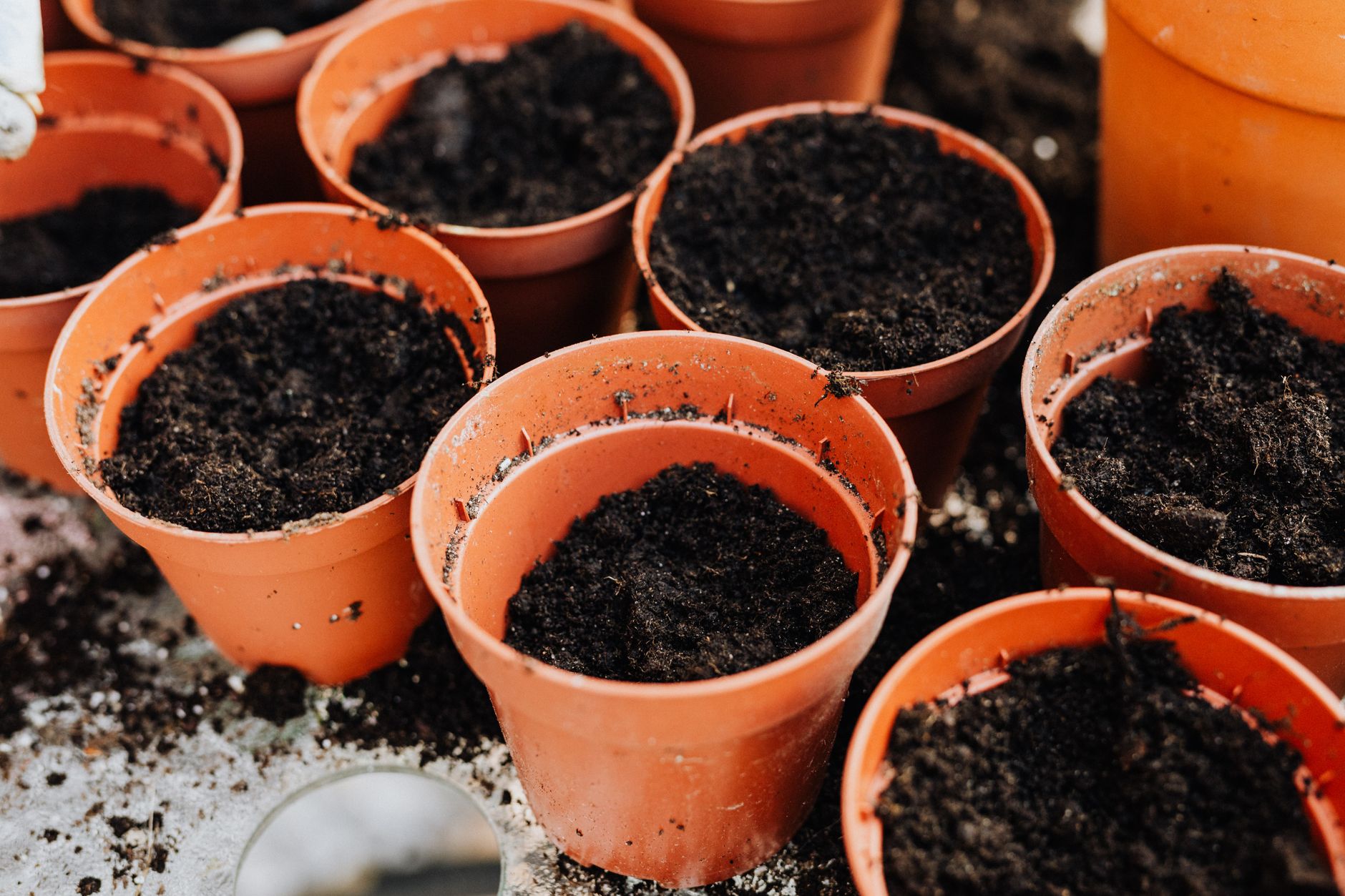
Learn the best soil mix for container vegetables, with real recipes, amendments, and watering tips for healthy potted plants in 2026.
The best soil for container vegetables is a lightweight, well-draining mix that holds moisture and nutrients without compacting. Use a blend of 60% high-quality potting mix, 30% compost, and 10% perlite or vermiculite. This gives roots air, water, and food, and it is what I use for every pot on my homestead.
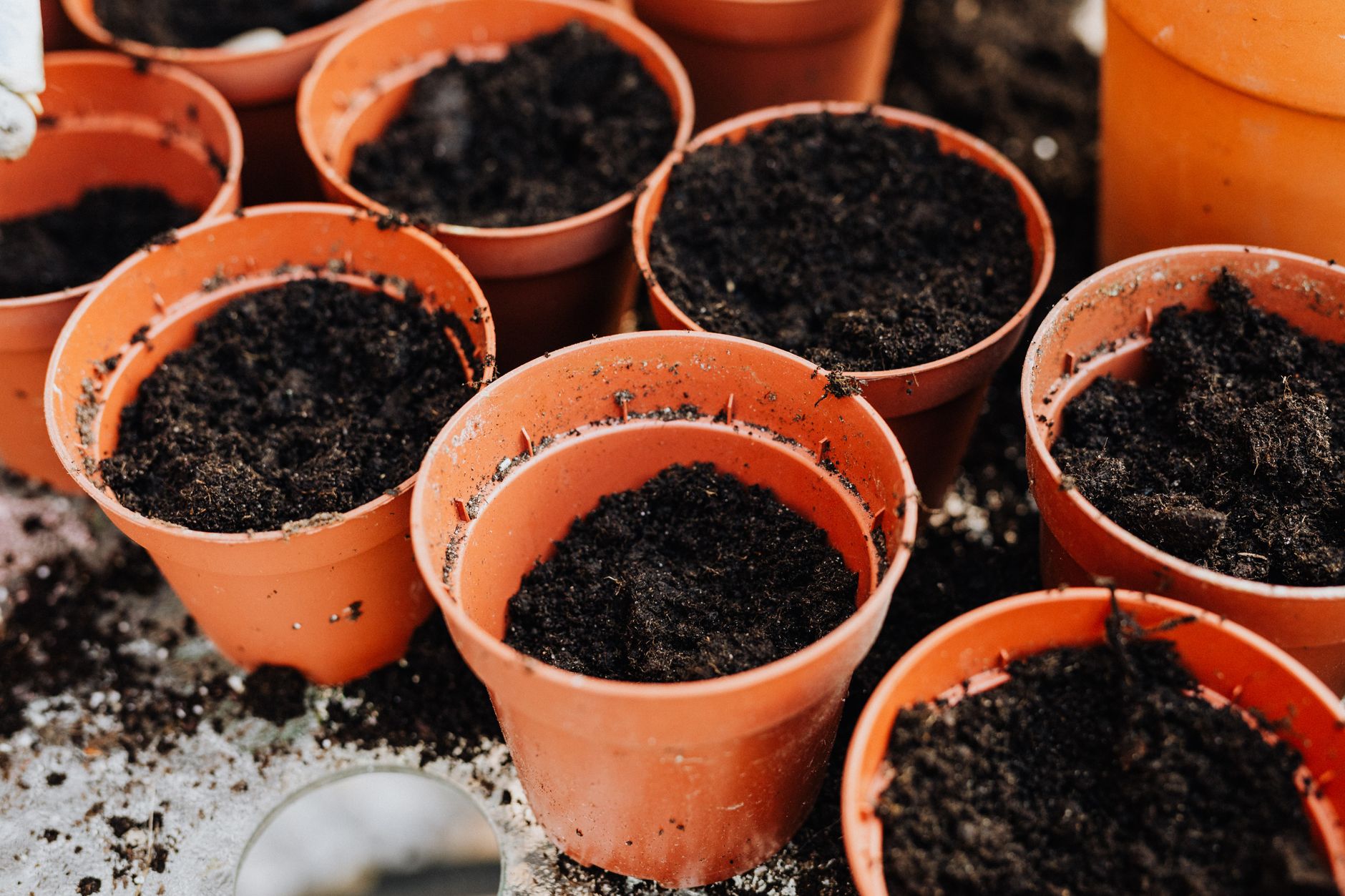
Why garden soil fails in containers
Garden soil is too dense for pots. It compacts, suffocates roots, and drains poorly, leading to root rot and stunted plants. Container vegetables need a soilless mix that stays loose and airy. A g
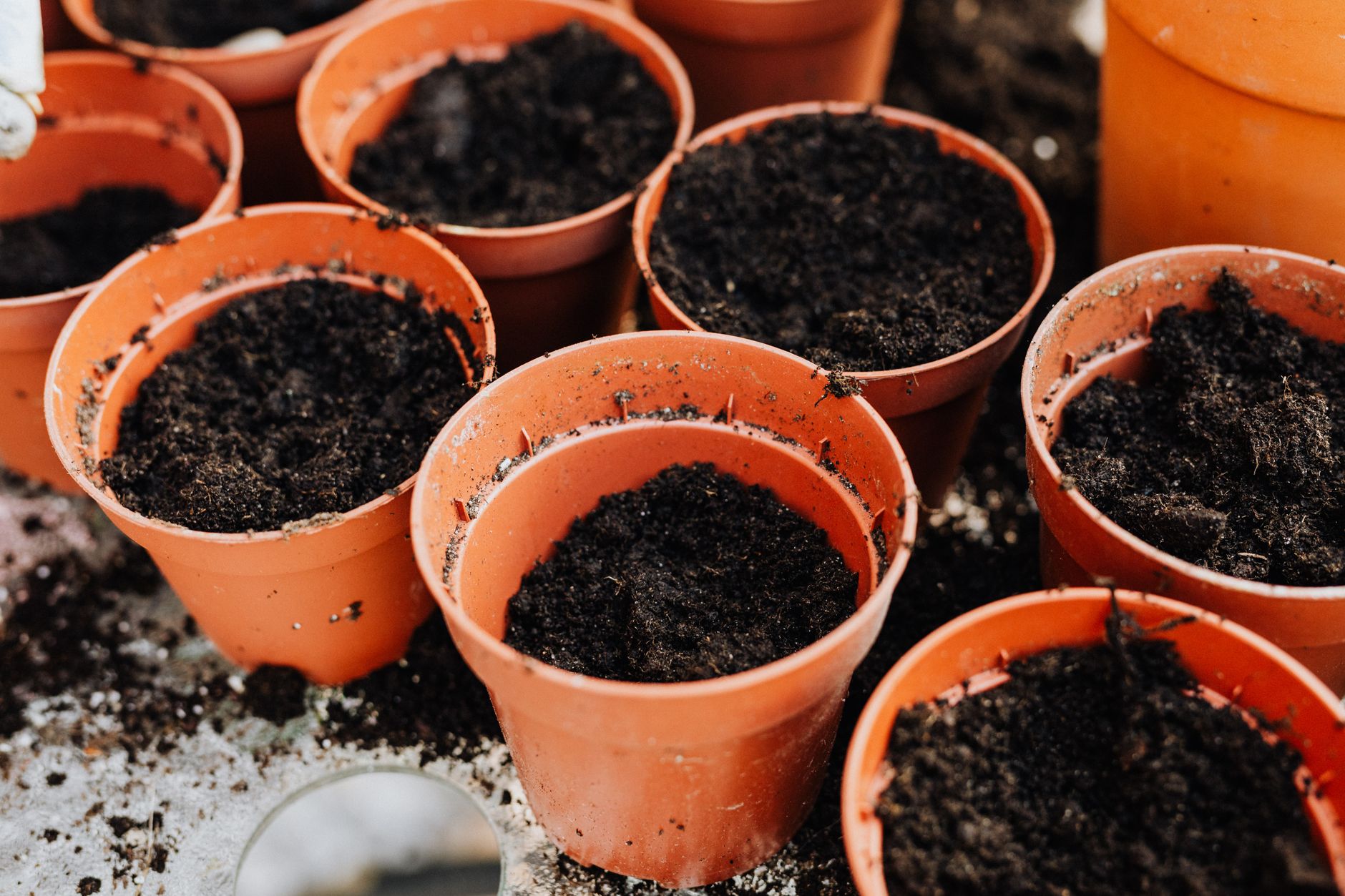 ood mix also resists compaction from frequent watering, which is the number one killer of potted veggies.
The perfect container soil recipe
Mix these three ingredients by volume for most vegetables:
- 60% high-quality potting mix: Look for one with peat moss or coconut coir, perlite, and a starter fertilizer. Avoid mixes with added wetting agents if you can, as they can dry unevenly.
- 30% compost: Use well-aged compost from your pile or a bagged product like Coast of Maine or Dr. Earth. Compost adds nutrients and beneficial microbes.
- 10% perlite or vermiculite: Perlite improves drainage; vermiculite holds water. Use perlite for tomatoes and peppers, vermiculite for leafy greens.
Mix thoroughly in a wheelbarrow or large tub. For a 5-gallon bucket, that is about 3 quarts of potting mix, 1.5 quarts of compost, and 0.5 quart of perlite.
Amendments and fertilizers
Your mix has enough nutrients for the first 3 to 4 weeks. After that, feed regularly.
- Slow-release fertilizer: Mix in a balanced 10-10-10 or 14-14-14 at planting, following label rates. Costs about $10 to $15 per 4-pound bag.
- Liquid fertilizer: Use a fish emulsion or seaweed blend every 2 weeks after the first month. A 32-ounce bottle costs $12 to $18 and lasts a season.
- Lime or dolomite: Add 1 tablespoon per gallon of mix if your compost is acidic, especially for tomatoes and peppers.
Do not add fresh manure or synthetic garden fertilizers; they can burn roots in pots.
Choosing the right container
Soil only works if the pot works. Use containers with drainage holes, at least 1/2 inch wide. Size matters:
- Small pots (1 to 2 gallons): For herbs and lettuce.
- Medium pots (3 to 5 gallons): For peppers, eggplant, and dwarf tomatoes.
- Large pots (10 to 15 gallons): For full-size tomatoes, cucumbers, and squash.
Plastic, ceramic, or fabric pots all work. Fabric pots like Smart Pots ($15 to $30 for 10 gallons) air-prune roots and prevent circling, but they dry out faster.
Watering and maintenance
Container soil dries out faster than garden beds. Check daily, especially in summer.
- Water deeply until water runs out the bottom. This ensures roots get moisture.
- Mulch the top with straw or shredded leaves to slow evaporation.
- Refresh the soil each season: replace the top 2 inches with fresh compost, or dump and remix every 2 years.
If your mix becomes hydrophobic (repels water), add a few drops of mild dish soap to your watering can to help it absorb.
Best soil for specific vegetables
Different vegetables have slightly different needs. Here is a quick guide:
| Vegetable | Ideal soil pH | Extra amendment | Container size |
|---|---|---|---|
| Tomatoes | 6.0 to 6.8 | Extra compost, calcium (bone meal) | 10 to 15 gallons |
| Peppers | 6.0 to 7.0 | Balanced fertilizer | 3 to 5 gallons |
| Lettuce | 6.0 to 7.0 | More vermiculite for moisture | 1 to 2 gallons |
| Carrots | 6.0 to 6.5 | Fine sand for drainage | 5 gallons, deep |
| Herbs | 6.0 to 7.0 | Grit for drainage | 1 gallon per plant |
For tomatoes, add 1 tablespoon of bone meal per gallon of mix to prevent blossom end rot. For carrots, use a mix with more perlite and no lumps.
Common mistakes to avoid
- Using garden soil: It compacts and may carry diseases.
- Skipping drainage holes: Roots drown.
- Over-fertilizing: More is not better; follow label rates.
- Letting soil dry out completely: This kills beneficial microbes and causes stress.
- Reusing old soil without refreshing: Replace or amend every year.
FAQ
Can I reuse potting soil from last year? Yes, but only if plants were healthy. Remove old roots, mix in 20% fresh compost and 10% perlite, and replenish fertilizer. Do not reuse if you had disease issues.
How often should I water container vegetables? In summer, daily or every other day. Check by sticking your finger 1 inch into the soil; if it feels dry, water. In cooler weather, every 2 to 3 days.
What is the cheapest way to make container soil? Buy a large bale of peat moss or coconut coir ($15 to $25), a bag of perlite ($10 to $15), and compost from your pile. Mix 50% coir, 30% compost, 20% perlite. This makes about 4 cubic feet for under $30.
Do I need to add fertilizer if I use compost? Compost provides some nutrients, but not enough for heavy feeders like tomatoes. Use a slow-release fertilizer at planting and liquid feed later.
The bottom line
The best soil for container vegetables is a simple mix of potting mix, compost, and perlite. It is affordable, easy to make, and works for nearly all crops. Start with a good mix, choose the right pot size, and water consistently. Your containers will reward you with healthy, productive plants all season.