Best soil for container vegetable gardening
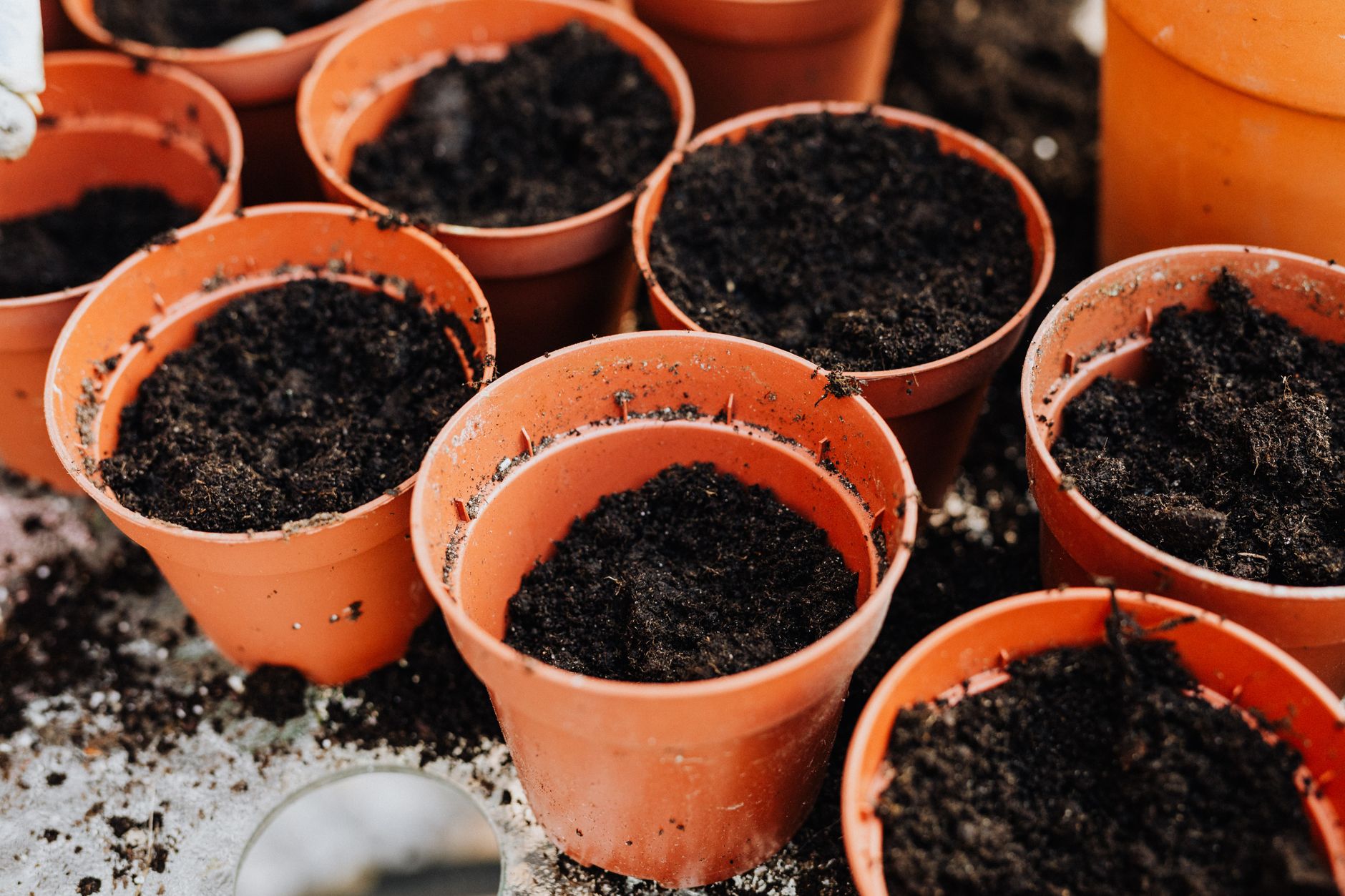
Learn the best soil mix for container vegetables, with exact ratios, drainage tips, and cost ranges. Grow healthy tomatoes, peppers, and greens in pots.
The best soil for container vegetable gardening is a lightweight, well-draining mix that holds moisture and nutrients without compacting. Skip garden soil or topsoil; they compact in pots and suffocate roots. Use a quality potting mix amended with compost and perlite for aeration. This guide covers the ideal recipe, how to choose commercial mixes, and how to maintain soil health for a productive container garden.
What Makes a Great Container Mix
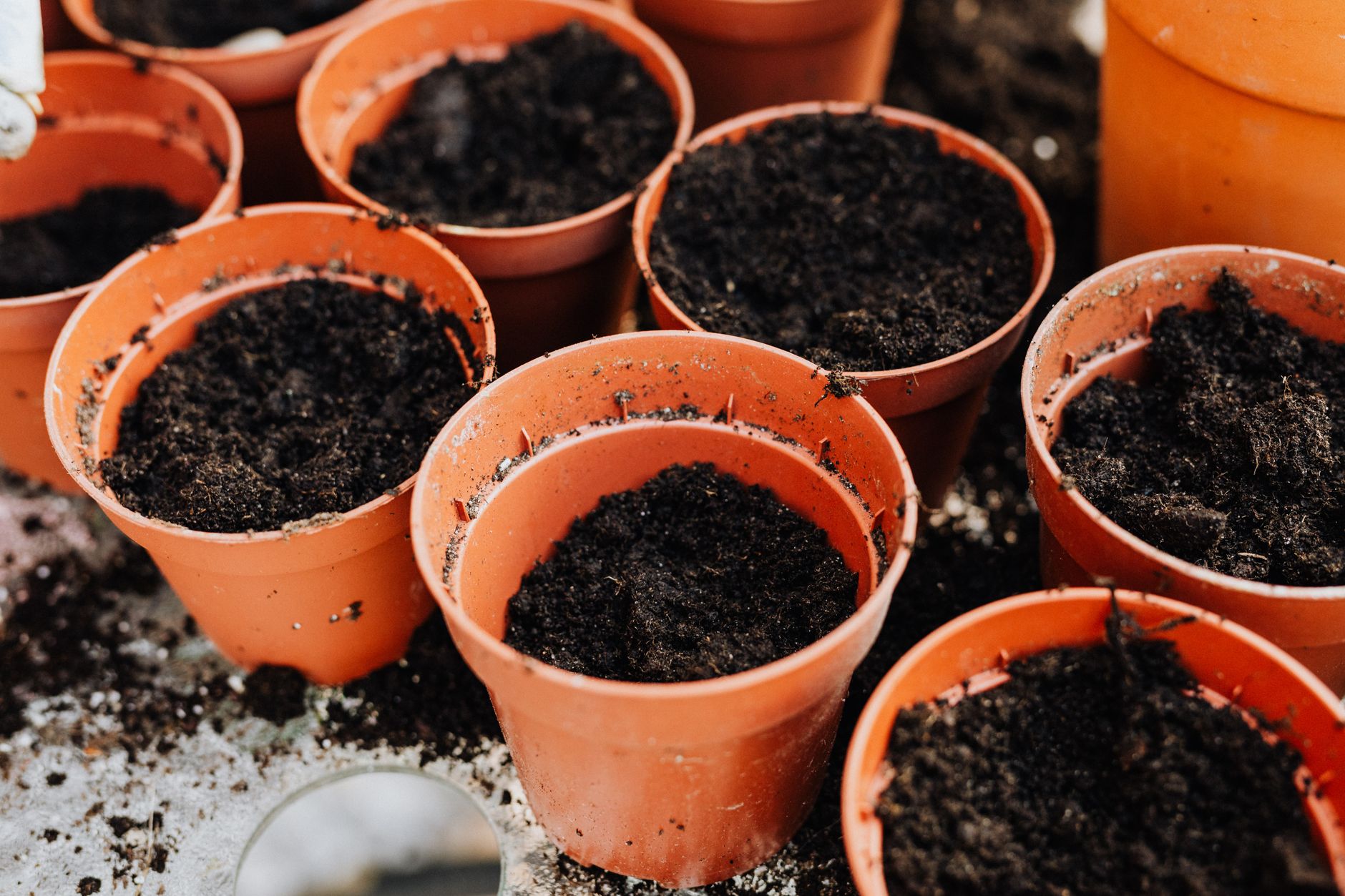
Container soil must balance three things: drainage, moisture retention, and nutrient availability. A good mix is about 50% pore space (air and water), 40% mineral or organic matter, and 10% compost or fertilizer. The classic recipe is:
- 1 part quality potting mix (base)
- 1 part compost (nutrients and moisture)
- 1 part perlite or pumice (drainage and aeration)
This mix drains quickly, prevents root rot, and holds enough wa
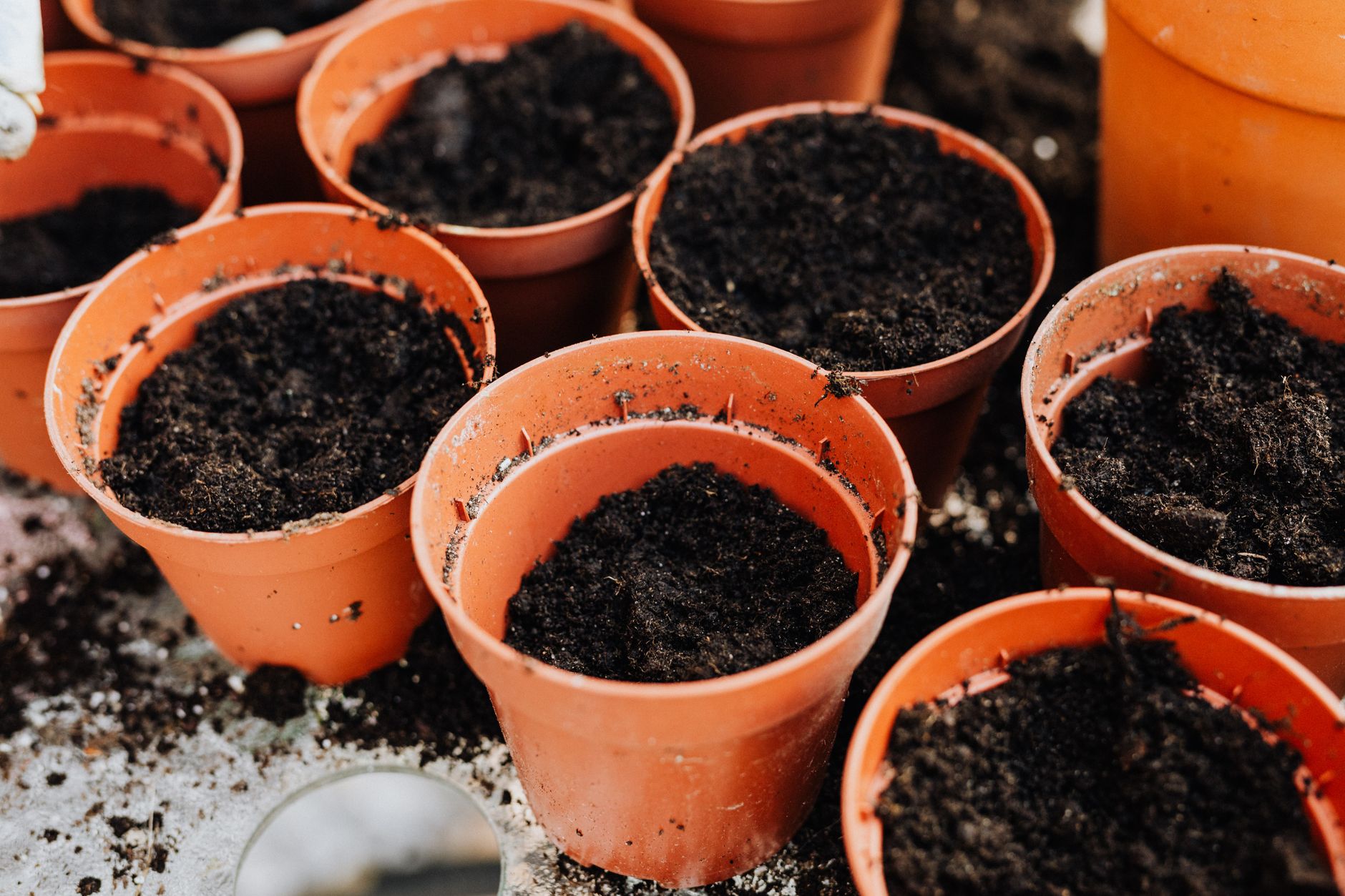 ter between waterings. For heavy feeders like tomatoes and peppers, add a slow-release organic fertilizer at planting time.
Commercial Potting Mixes: What to Look For
Not all potting mixes are equal. Read labels and avoid products with “garden soil” or “topsoil” in the name. Look for:
- Ingredients: peat moss or coir, perlite or vermiculite, compost, and a wetting agent.
- Organic certification if that matters to you.
- pH around 6.0 to 7.0 (most vegetables prefer slightly acidic to neutral).
Popular brands in 2026 include FoxFarm Ocean Forest (about $25 for 1.5 cubic feet), Espoma Organic Potting Mix ($15 for 8 quarts), and Pro-Mix Organic Vegetable and Herb ($12 for 1 cubic foot). For budget, store brands like Miracle-Gro Performance Organics ($10 for 1 cubic foot) work fine if you add compost.
DIY Mix: The Cheapest Option
If you have access to compost and bulk materials, making your own mix saves money. For a 10-gallon container, mix:
- 5 gallons of peat moss or coco coir (about $10 for a compressed block)
- 3 gallons of compost (free if you have a pile, or $5 per bag)
- 2 gallons of perlite (about $8 for 8 quarts)
Total cost: $15 to $25 per batch, enough for two 10-gallon pots. Add 1 cup of worm castings and 1/2 cup of balanced organic fertilizer (like 4-4-4) per batch.
Soil Depth and Container Size
Different vegetables need different soil depths. Use these minimums:
| Vegetable | Container Depth | Container Volume |
|---|---|---|
| Lettuce, greens | 6-8 inches | 1-2 gallons per plant |
| Peppers, eggplant | 10-12 inches | 3-5 gallons per plant |
| Tomatoes (determinate) | 12-18 inches | 5-7 gallons per plant |
| Tomatoes (indeterminate) | 18-24 inches | 10-15 gallons per plant |
| Carrots, root crops | 12 inches | 3-5 gallons per plant |
Deeper is always better. A 5-gallon bucket is a minimum for most vegetables; use a 10-gallon grow bag for tomatoes and squash.
How to Fill and Maintain Containers
- Moisten the mix before planting: Dry mix repels water. Add water and mix until it feels like a wrung-out sponge.
- Fill the container: Leave 1-2 inches of space at the top for watering.
- Plant and water thoroughly: Water until it drains from the bottom.
- Mulch the surface: Add 1 inch of straw or shredded leaves to reduce evaporation and keep roots cool.
- Fertilize regularly: Container plants need feeding every 2-4 weeks with a liquid organic fertilizer (like fish emulsion or seaweed). Start 2 weeks after planting.
Common Soil Problems and Fixes
- Water pooling on top: Mix is too dense. Repot with added perlite or pumice.
- Soil dries out too fast: Add more compost or coir to retain moisture. Also, use larger containers.
- White mold on soil surface: Usually harmless saprophytic fungi. Reduce watering and improve air circulation.
- Soil smells sour: Overwatering or poor drainage. Let it dry out, and check drainage holes.
Seasonal Refresh: Reusing Container Soil
You can reuse soil for 2-3 seasons if you refresh it. At the end of the season, dump the soil into a bin, remove roots and debris, and mix in 20% fresh compost and a handful of perlite. Store it in a covered container over winter. Do not reuse soil that had diseased plants.
FAQ
Can I use garden soil in containers? No. Garden soil compacts in pots, reducing oxygen and causing root rot. It also contains weed seeds and pathogens. Always use a potting mix.
How often should I water container vegetables? Check daily. Stick your finger 1 inch into the soil; if it feels dry, water until it drains. In hot weather, you may water twice a day for small pots.
What is the best pH for container vegetables? Most vegetables prefer a pH of 6.0 to 7.0. Most commercial mixes fall in this range. Test with a simple pH kit if you see nutrient deficiencies.
How do I prevent soil from compacting over time? Add perlite or pumice at the start, and avoid pressing down on the soil. When reusing, add fresh perlite and compost.
The Bottom Line
The best soil for container vegetable gardening is a well-draining, nutrient-rich mix that you can buy or make yourself. Use a quality potting mix as a base, add compost and perlite, and choose containers that match your crop’s root depth. Maintain your soil with regular watering and feeding, and refresh it each season. With the right mix, you can grow a productive container garden on a patio, balcony, or porch. Start with a 5-gallon pot, a good tomato or pepper variety, and you will see results within weeks.