Best soil for container vegetable garden
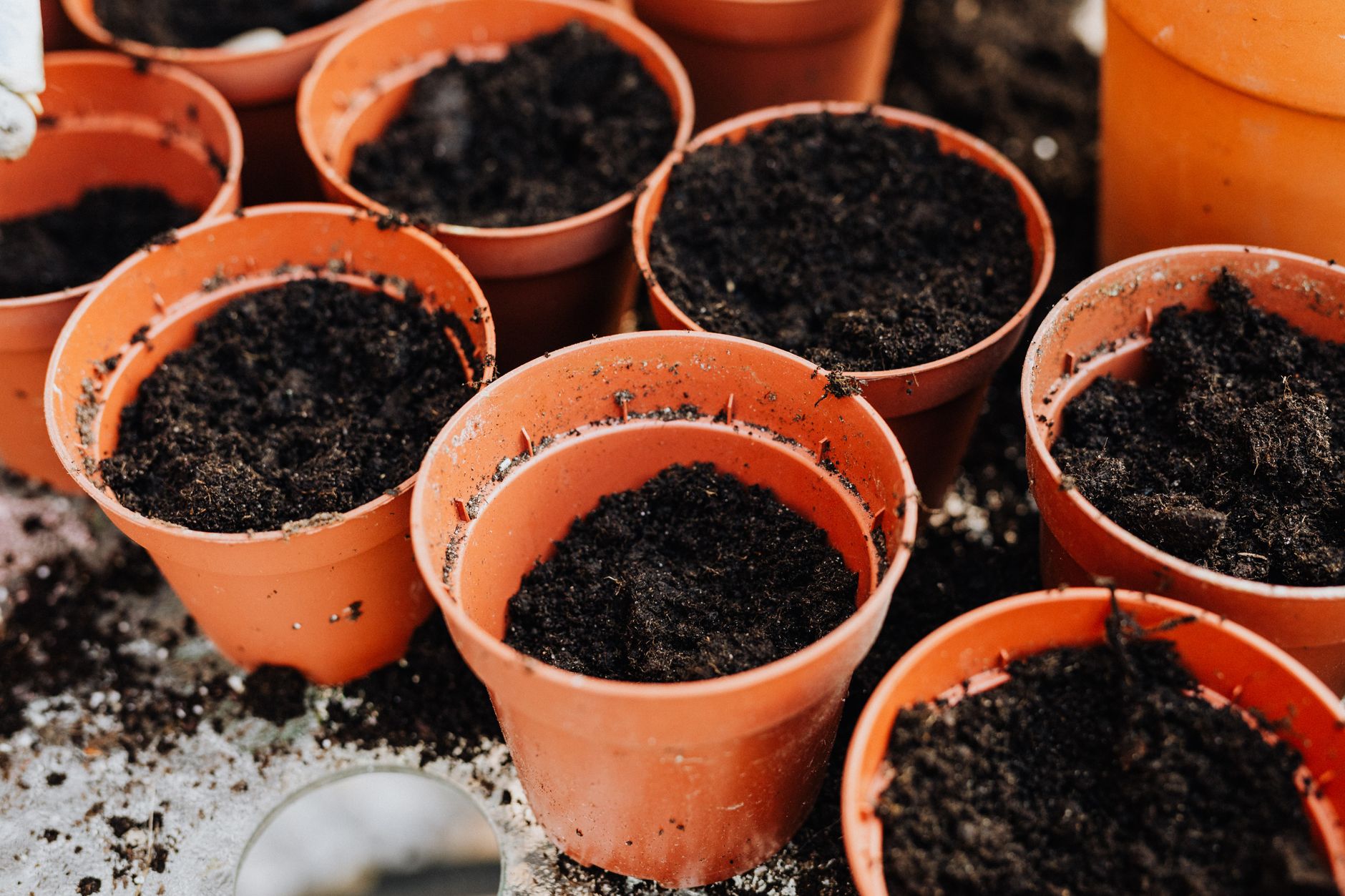
Learn the best soil mix for container vegetable gardens, with exact ratios, real varieties, and practical tips for 2026. Get thriving plants now.
The best soil for a container vegetable garden is a lightweight, well-draining mix that holds moisture and nutrients without compacting. A blend of 50% high-quality potting mix, 30% compost, and 20% perlite or vermiculite works for most vegetables. This combination gives roots the air, water, and food they need, and it is what I use on my own patio after years of trial and error.
Why Garden Soil Fails in Containers
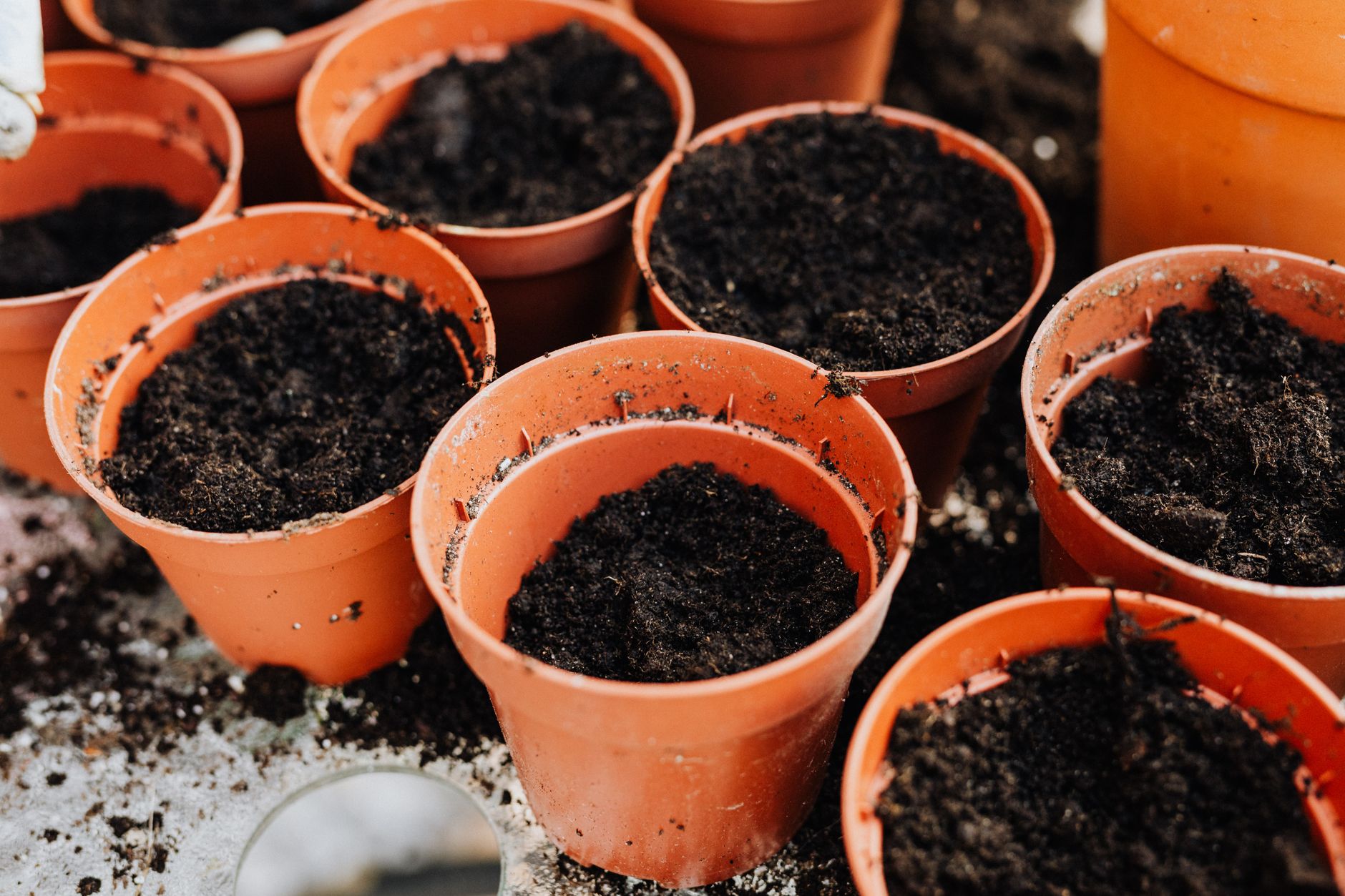
Garden soil is too dense for pots. It compacts quickly, suffocates roots, and drains poorly, leading to waterlogged soil and root rot. Container vegetables need a soilless mix that stays loose and aerated. Potting mix, not potting soil, is the
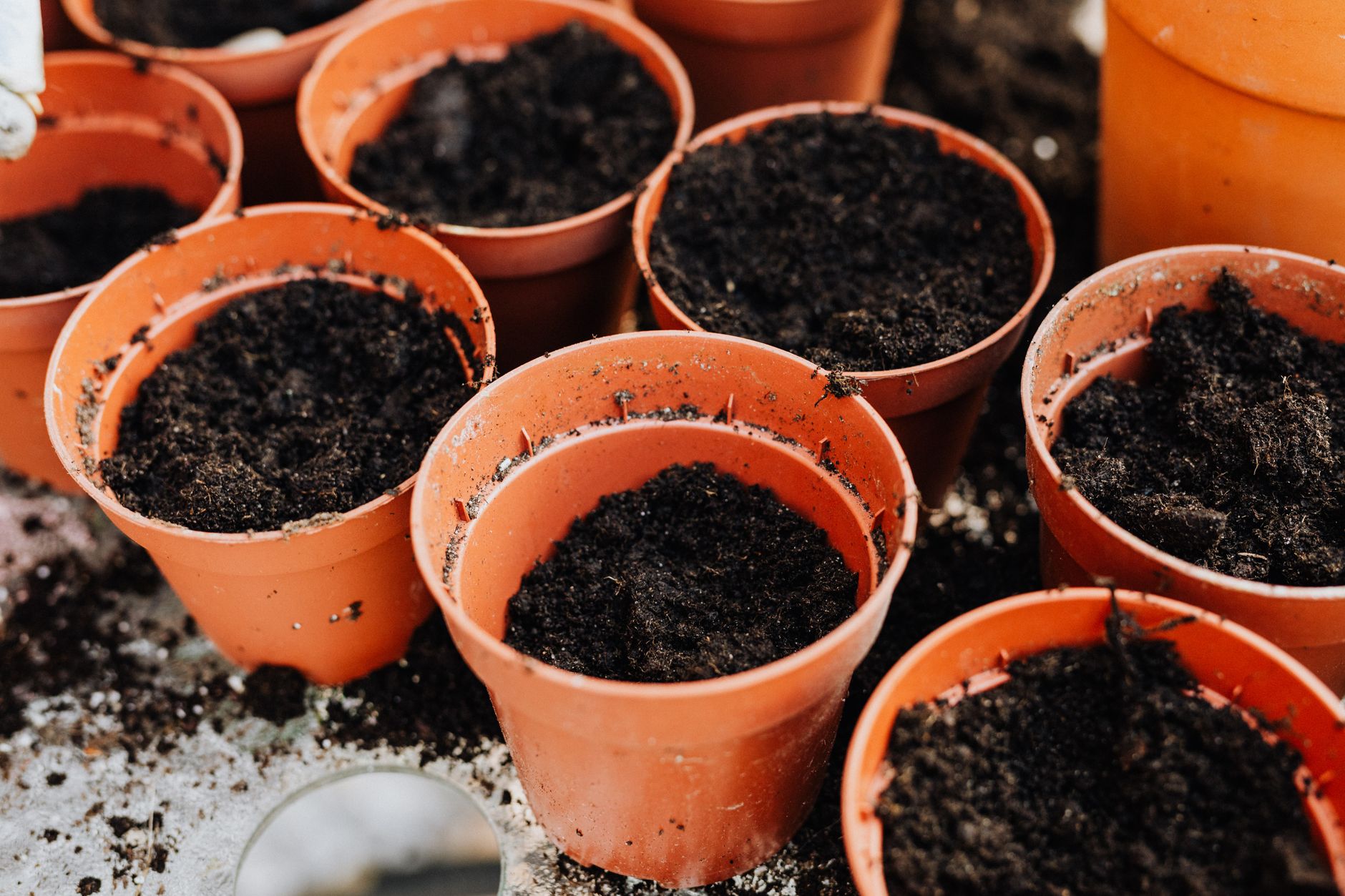 base you want. It is sterilized, so it is free of weed seeds and pathogens, and it is formulated for container life.
The Ideal Mix: Ratios and Ingredients
Here is the exact recipe I recommend for most container vegetables:
- 50% high-quality potting mix: Look for one with peat moss or coconut coir, perlite, and a starter fertilizer. A 2-cubic-foot bag costs $10 to $20.
- 30% compost: Use well-decomposed compost from your own pile or a bagged product. It adds nutrients and beneficial microbes. A 1-cubic-foot bag runs $5 to $10.
- 20% perlite or vermiculite: Perlite improves drainage; vermiculite holds moisture. For most vegetables, perlite is better. A 4-quart bag is $5 to $8.
Mix these in a large tub or wheelbarrow. For a 5-gallon bucket, that is about 2.5 gallons of potting mix, 1.5 gallons of compost, and 1 gallon of perlite.
If you want to skip mixing, buy a pre-mixed container mix like FoxFarm Ocean Forest or Miracle-Gro Potting Mix. They are ready to use, but they cost more: $15 to $25 per 1.5 cubic feet. Adding compost and perlite still improves them.
Choosing the Right Potting Mix
Not all potting mixes are equal. Read the label and avoid products with “moisture control” crystals if you tend to overwater; they can keep soil too wet. For vegetables, I prefer a mix with mycorrhizae, which help roots absorb nutrients. Brands like Espoma and Dr. Earth are reliable.
If you are growing acid-loving plants like blueberries, use a mix with added sulfur. For most vegetables, a neutral pH of 6.0 to 7.0 is fine.
Container Size and Soil Depth
Soil depth matters as much as the mix. Most vegetables need at least 8 to 12 inches of soil, but deep-rooted crops like tomatoes and carrots need 12 to 18 inches. Here are common container sizes:
- 5-gallon bucket: Good for one tomato, pepper, or eggplant, or three lettuce plants.
- 10-gallon container: Supports a larger tomato or a few herbs.
- Window box (8 inches deep): Works for lettuce, radishes, and herbs.
Use containers with drainage holes. If you are reusing pots, clean them with a 10% bleach solution to prevent disease.
Amending and Fertilizing
Your mix has enough nutrients for the first 4 to 6 weeks. After that, feed your vegetables every 2 to 3 weeks with a balanced liquid fertilizer like 10-10-10, diluted at half strength. For organic options, use fish emulsion or seaweed extract. A 32-ounce bottle costs $10 to $15.
If you see yellowing leaves, add a teaspoon of Epsom salt per gallon of water for a magnesium boost, but only if your soil test shows a deficiency.
Watering and Drainage
Containers dry out faster than garden beds, especially in summer. Check the soil daily by sticking your finger an inch deep. If it feels dry, water until it runs out the bottom. In hot weather, you may need to water twice a day.
To improve drainage, add a layer of gravel or broken pottery at the bottom of the pot, but avoid covering the holes completely. Some gardeners skip this and just use a good mix; both work.
Best Vegetables for Containers
Some vegetables thrive in pots. Here are proven varieties for 2026:
| Vegetable | Variety | Container Size | Days to Harvest |
|---|---|---|---|
| Tomato | ‘Patio Princess’ | 5-gallon | 60-70 |
| Pepper | ‘Lunchbox’ | 5-gallon | 65-75 |
| Lettuce | ‘Buttercrunch’ | 8-inch pot | 45-55 |
| Radish | ‘Cherry Belle’ | 6-inch pot | 25-30 |
| Carrot | ‘Thumbelina’ | 12-inch pot | 60-70 |
| Herbs | ‘Genovese Basil’ | 6-inch pot | 30-40 |
These are compact or dwarf varieties that do not need as much space.
Common Mistakes to Avoid
- Using garden soil: It compacts and may carry diseases.
- Skipping drainage holes: Roots will rot.
- Overwatering: Let the top inch dry out between waterings.
- Under-fertilizing: Containers lose nutrients quickly.
- Crowding plants: Give each plant enough room to grow.
FAQ
Can I reuse potting mix from last year? Yes, but refresh it. Remove old roots, add 20% new compost and 10% perlite, and consider replacing half with fresh mix. This works for one season, but after two years, start fresh.
How often should I water container vegetables? Check daily. In hot weather, you may water twice a day. The goal is to keep the soil evenly moist, not soggy.
What is the difference between potting mix and potting soil? Potting mix is soilless, made of peat, perlite, and compost. Potting soil contains actual soil, which is too heavy for containers.
Do I need to add fertilizer right away? No. Your mix has enough for the first month. Start fertilizing after 4 to 6 weeks.
The Bottom Line
The best soil for container vegetables is a light, nutrient-rich mix: 50% potting mix, 30% compost, and 20% perlite. Use containers with drainage, water consistently, and feed regularly. With the right soil and a little care, you will get a rewarding harvest from your patio or balcony. Start with easy crops like lettuce and radishes, then move to tomatoes and peppers. Your plants will thank you.