Best soil for container plants
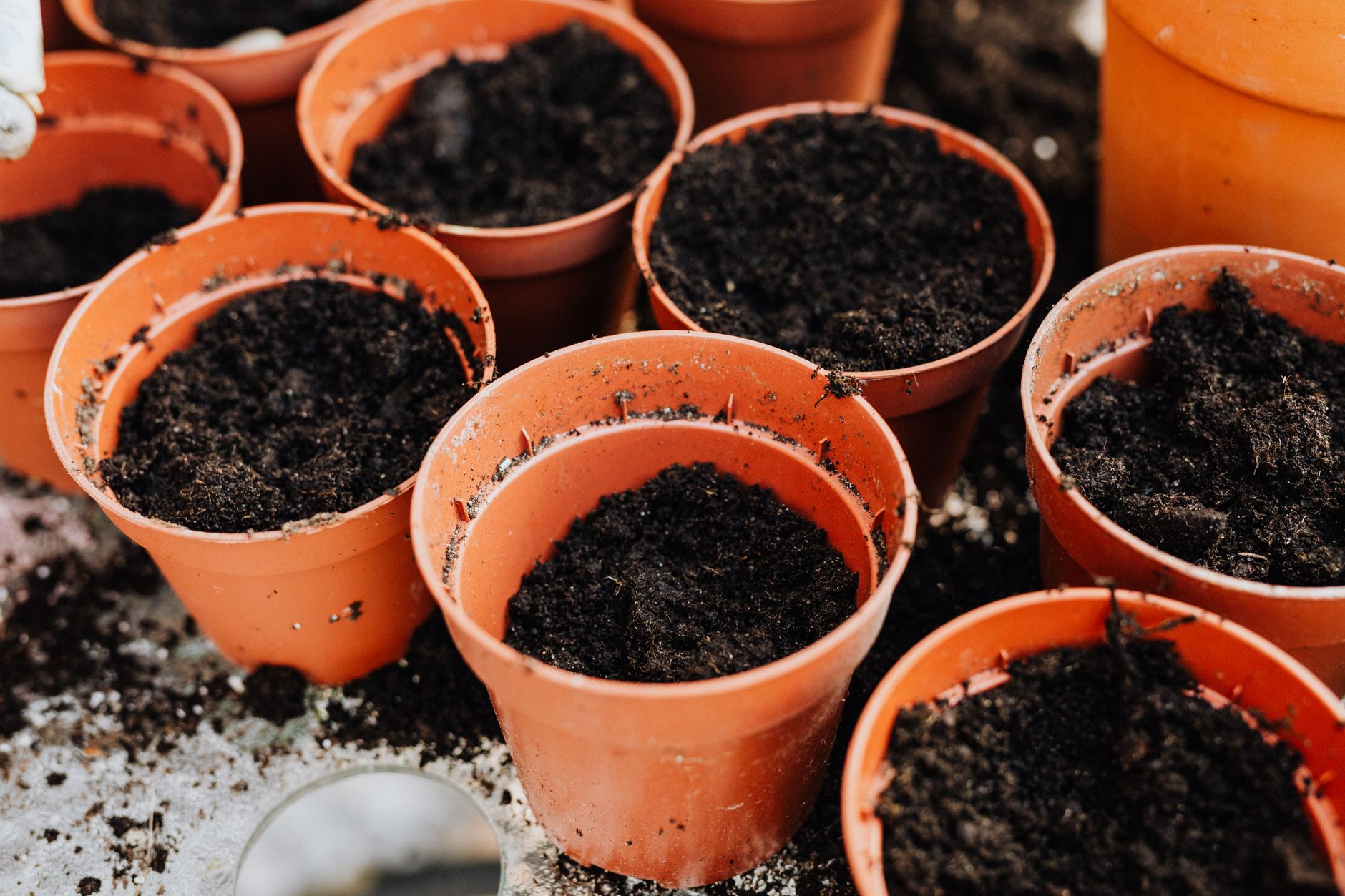
Discover the best soil mix for container plants, with recipes, amendments, and watering tips for healthy potted gardens in 2026.
The best soil for container plants is a well-draining, nutrient-rich mix that retains moisture without becoming waterlogged. For most plants, that means a blend of 60% high-quality potting mix, 20% compost, and 20% perlite or coarse sand. This recipe works for vegetables, herbs, and flowers, but you can tweak it for specific needs like succulents or acid-loving plants.
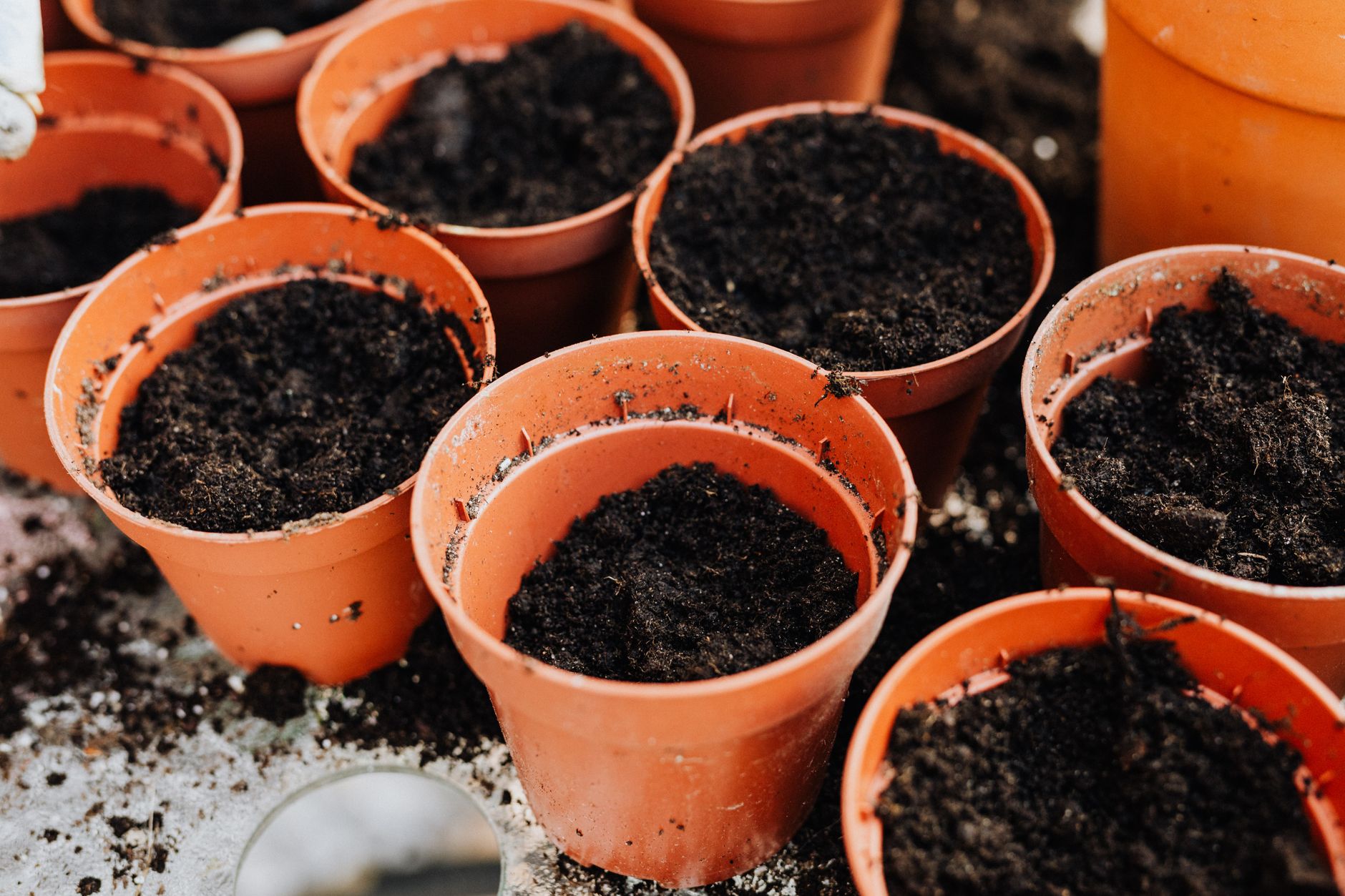
Why Garden Soil Fails in Containers
Garden soil is too dense for pots. It compacts quickly, suffocating roots and trapping water, which leads to root rot. Potting mix, on the other hand, is engineered with ingredients like peat moss or coconut coir, perlite, and ver
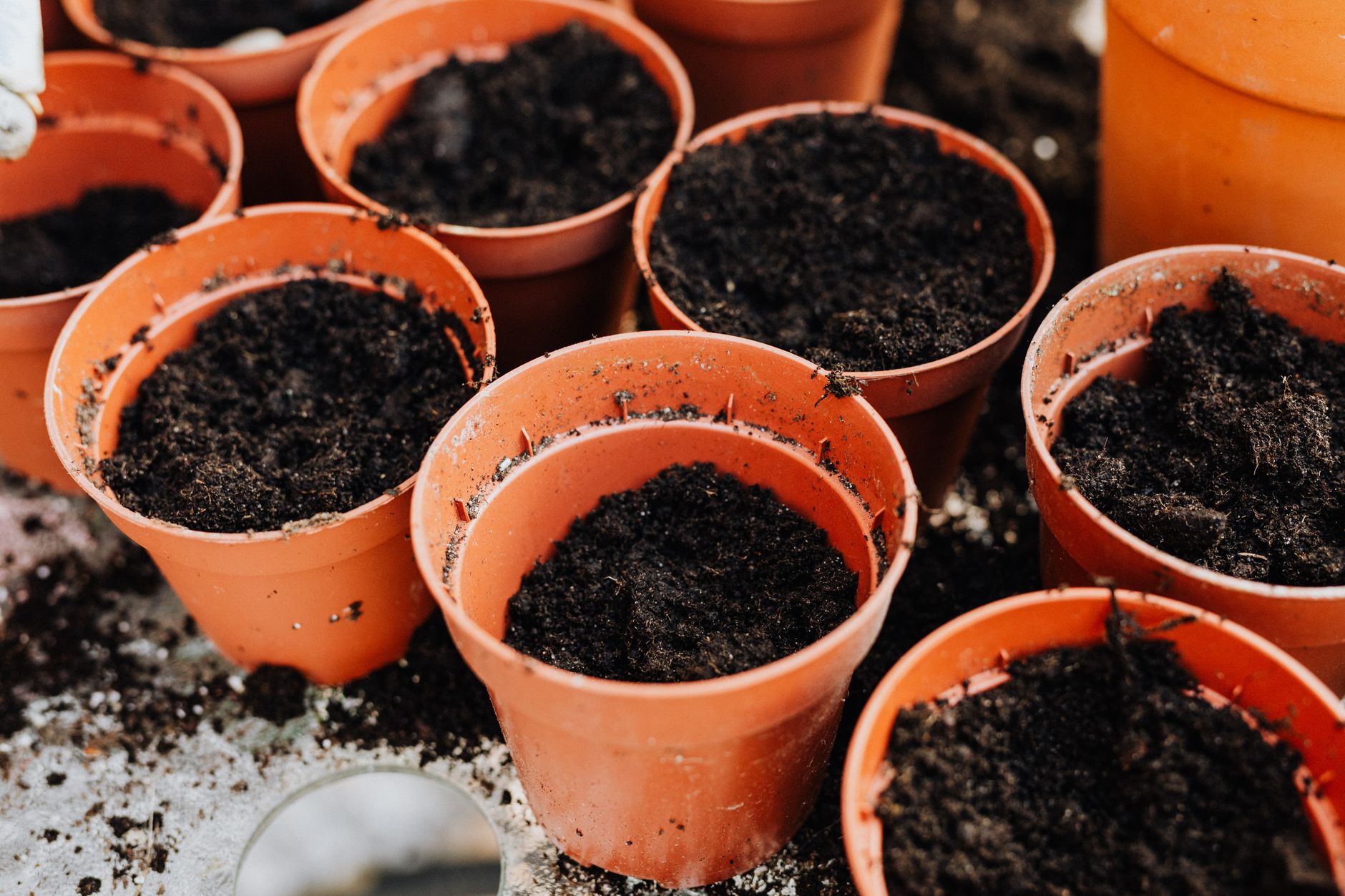 miculite to provide aeration and drainage. Always use a potting mix, not topsoil, for containers.
The Basic Container Mix Recipe
Here is a simple, reliable mix that works for most container plants:
- 60% high-quality potting mix (look for one with compost or aged bark)
- 20% compost (homemade or bagged)
- 20% perlite (for drainage) or coarse sand
Mix these thoroughly in a wheelbarrow or large tub before filling pots. This blend holds moisture, drains well, and provides nutrients for the first few weeks.
Amendments for Specific Plant Needs
Different plants have different soil preferences. Adjust the basic mix as follows:
- Succulents and cacti: Use 50% potting mix and 50% perlite or coarse sand. They need sharp drainage and dry conditions.
- Acid-loving plants (blueberries, azaleas): Add 20% peat moss or use a commercial acid mix. Keep pH between 4.5 and 5.5.
- Vegetables and heavy feeders (tomatoes, peppers): Increase compost to 30% and add a slow-release organic fertilizer like blood meal or fish bone meal.
- Herbs (basil, rosemary): Use the basic mix but reduce compost to 10%, as herbs prefer leaner soil.
The Role of pH and Nutrients
Most container plants prefer a slightly acidic to neutral pH (6.0 to 7.0). Test your mix with a simple soil pH kit (around $10) before planting. If pH is too low, add lime; if too high, add sulfur. Nutrients are crucial: potting mixes often have little fertility, so mix in a balanced slow-release fertilizer (like 10-10-10) at planting time, following label rates.
Watering and Drainage: The Real Key
Even the best soil fails if you overwater. Containers need drainage holes, and you should water only when the top inch of soil feels dry. A moisture meter (about $15) takes the guesswork out. For most plants, water thoroughly until it runs out the bottom, then let the soil dry slightly between waterings. In hot summer months, you may water daily; in winter, much less.
Top Potting Mix Brands for 2026
Quality varies by brand. Here are reliable options, with realistic 2026 prices:
| Brand | Type | Price (per 1.5 cu ft bag) | Best For |
|---|---|---|---|
| FoxFarm Ocean Forest | Potting mix | $20-$25 | Vegetables, flowers |
| Miracle-Gro Moisture Control | Potting mix | $12-$15 | General use, water retention |
| Espoma Organic Potting Mix | Organic | $15-$18 | Herbs, organic gardening |
| Black Gold Natural & Organic | Potting mix | $14-$17 | Seedlings, containers |
These mixes are widely available at garden centers or online. For large containers, buying in bulk (e.g., 2 cu ft bags) saves money.
DIY vs. Buying: Cost and Time
Making your own mix costs about $10-$15 per 1.5 cu ft if you buy ingredients in bulk, compared to $15-$25 for a premium bag. DIY gives you control but takes time and storage space. For a few pots, buying is simpler; for many, DIY saves money.
Common Soil Problems and Fixes
- Soil dries out too fast: Add more compost or coconut coir to hold moisture. Also, consider a self-watering container.
- Soil stays soggy: Increase perlite or sand, and ensure drainage holes are clear.
- White mold on soil surface: Usually harmless, but reduce watering and improve air circulation.
- Nutrient deficiency (yellow leaves): Apply a liquid fertilizer like fish emulsion every 2 weeks.
FAQ
Can I reuse potting soil from last year? Yes, but refresh it: remove old roots, add 20% new compost, and mix in a slow-release fertilizer. Reusing soil more than twice is not recommended.
How often should I replace container soil? Every 1-2 years, depending on plant growth. If soil becomes compacted or plants struggle, replace it.
Is it cheaper to make my own mix? For large quantities, yes. A 1.5 cu ft batch costs about $10-$15 in bulk ingredients, versus $15-$25 for a premium bag. But for small pots, buying is more convenient.
What is the best soil for indoor container plants? Use a houseplant-specific mix, which is lighter and often includes peat or coir. Add perlite for drainage.
The Bottom Line
The best soil for container plants is a well-draining, nutrient-rich potting mix, not garden soil. Start with the basic recipe of 60% potting mix, 20% compost, and 20% perlite, then adjust for your plants’ needs. Water correctly, and you’ll avoid most soil problems. Buy a quality mix like FoxFarm or Espoma for reliable results, or make your own to save money. With the right soil, your containers will thrive.