Best soil for container planting
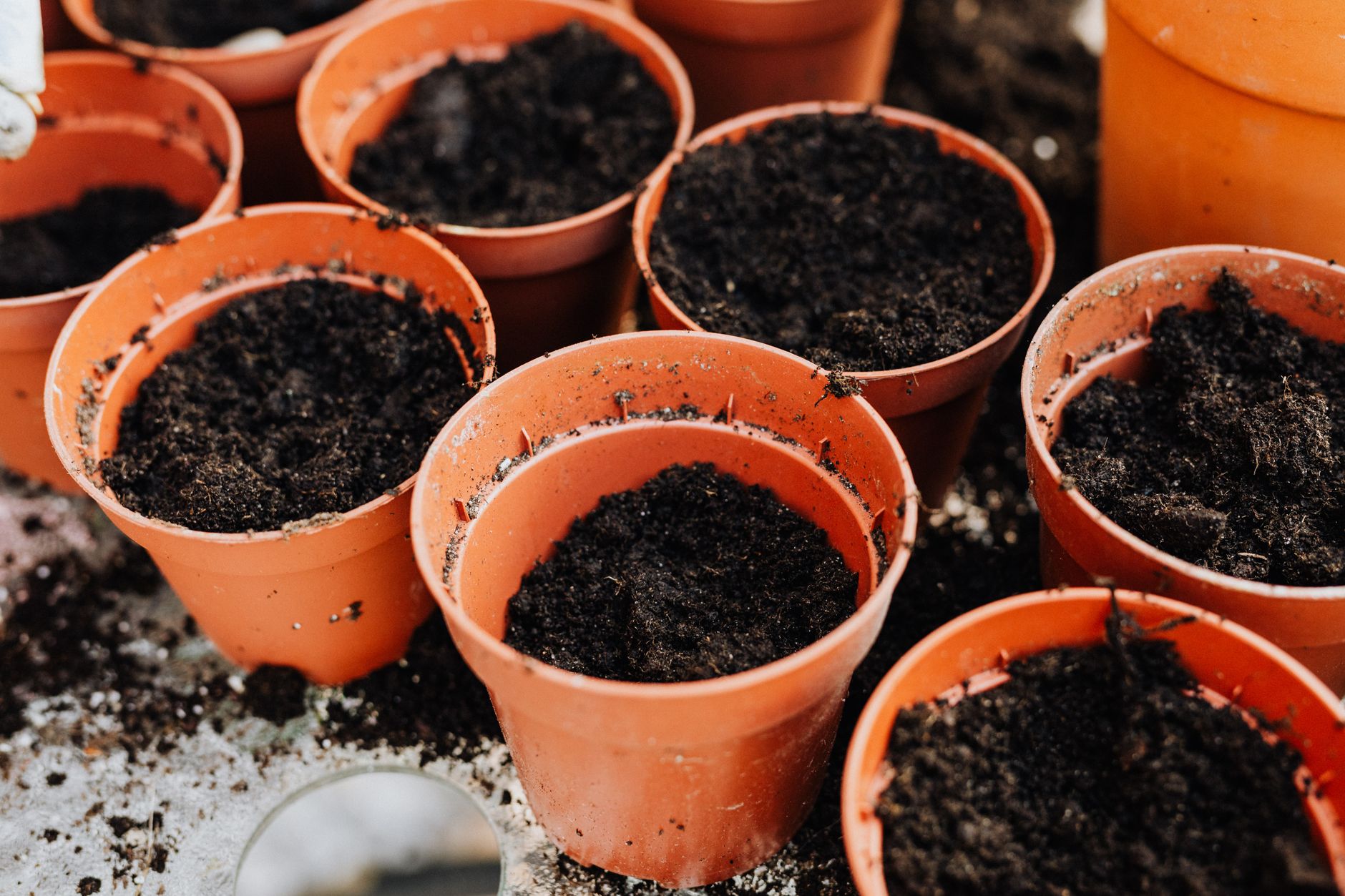
Learn what makes the best soil for container planting, with specific mixes, amendments, and tips for healthy potted plants in 2026.
The best soil for container planting is a well-draining, nutrient-rich mix that retains moisture without becoming waterlogged. A quality potting mix, not garden soil, is your foundation, and you can improve it with compost and perlite for most plants. Here is what works, what to avoid, and how to get it right this season.
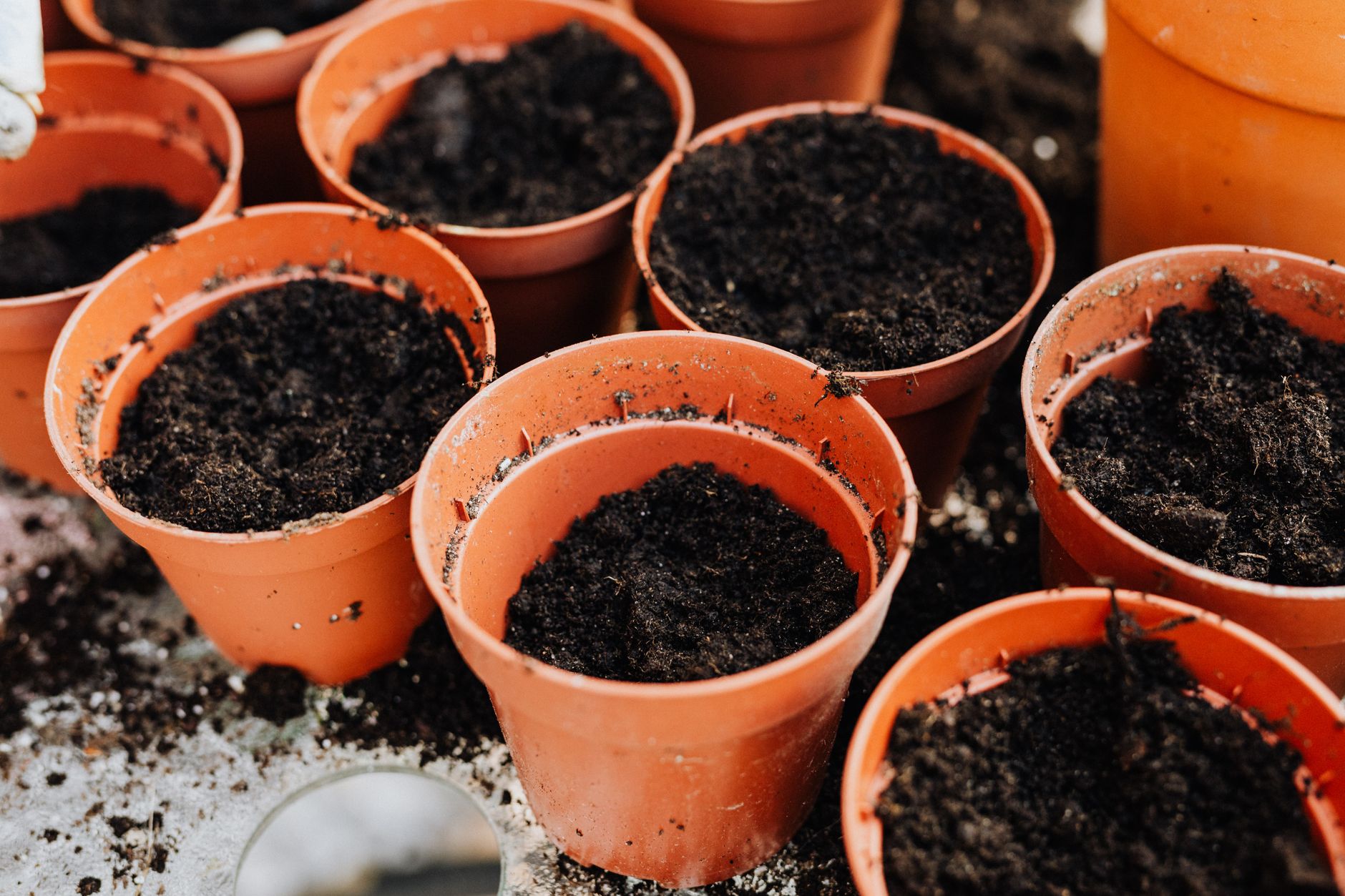
What Makes a Good Container Soil?
Container soil must balance three things: drainage, moisture retention, and aeration. Roots need oxygen, and waterlogged soil suffocates them. A good mix holds water long enough for roots to drink, but excess drains freely. It also provides nutrients and a stable structure for root growth.
Garden soil is too dense for containers. It compacts, drains poorly, and may harbor diseases or pests. Potting mix is engineered for con
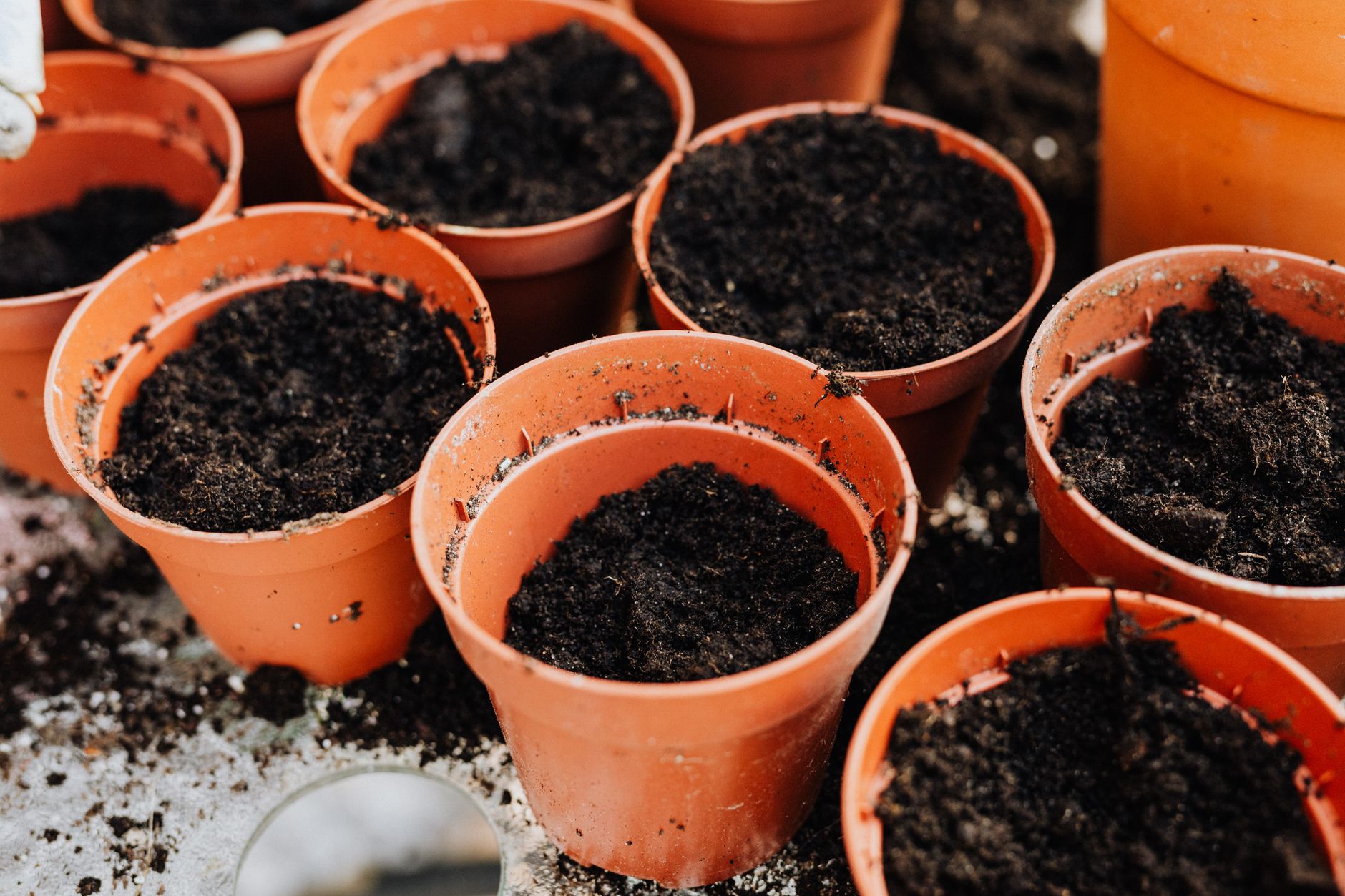 tainers: it is lighter, fluffier, and often contains peat moss or coconut coir, perlite, and compost.
The Base Mix: What to Buy or Make
You have two options: buy a commercial potting mix or make your own. Both work, but homemade gives you control and can save money if you garden large.
Commercial Potting Mix
Look for a mix labeled “potting mix” or “container mix.” Avoid “garden soil” or “topsoil.” In 2026, a 40-quart bag costs $10 to $20 at garden centers or big-box stores. Quality brands like FoxFarm Ocean Forest, Pro-Mix, or Espoma Organic are reliable. Check the ingredient list: it should include peat or coir, perlite, and compost or aged bark.
DIY Mix Recipe
For a general-purpose mix, combine:
- 1 part compost (well-aged)
- 1 part peat moss or coconut coir
- 1 part perlite or coarse sand
Mix thoroughly in a wheelbarrow or large tub. This mix works for most vegetables, herbs, and flowers. For succulents or cacti, increase perlite to 2 parts for sharper drainage.
Amendments: When and How Much
Amendments fine-tune your soil for specific plants. Add them at planting time, not later.
- Compost: Adds nutrients and beneficial microbes. Mix in 20-30% by volume. Use aged compost, not raw manure.
- Perlite: Improves drainage and aeration. Add 10-20% for heavy feeders or plants that hate wet feet.
- Vermiculite: Retains moisture better than perlite. Use 10% for moisture-loving plants like ferns or lettuce.
- Worm castings: A gentle, slow-release fertilizer. Mix in 10% or top-dress monthly.
- Slow-release fertilizer: A balanced 10-10-10 or organic blend, mixed according to label. Reapply every 6-8 weeks.
Avoid adding sand alone; it compacts and holds water. Avoid fresh manure; it burns roots.
Soil Depth and Container Size
Depth matters. Shallow containers dry out fast and limit root growth. Match soil volume to plant needs:
- Herbs and lettuce: 6-8 inches deep
- Tomatoes, peppers, eggplants: 12-18 inches deep
- Carrots and root crops: 12 inches minimum
- Small shrubs or dwarf trees: 18-24 inches
Use containers with drainage holes. If your pot lacks holes, drill them or use a liner. Elevate pots on feet or bricks to ensure drainage.
Watering and Maintenance
Container soil dries faster than garden soil, especially in summer. Check daily: stick your finger an inch into the soil. If dry, water until it runs out the bottom. In hot zones (USDA 8+), you may water twice a day.
Mulch the surface with straw, bark, or compost to reduce evaporation. Refresh soil each season: replace the top 2-3 inches with fresh mix, or repot entirely every 2-3 years.
Common Mistakes to Avoid
- Using garden soil: As mentioned, it compacts and may contain pests.
- Skipping drainage holes: Roots rot without them.
- Over-fertilizing: More is not better; follow label rates.
- Letting soil dry out completely: This kills beneficial microbes and makes re-wetting hard.
- Reusing old soil without refreshing: Depleted soil lacks nutrients and structure.
Best Soil for Specific Plants
Different plants have different needs. Here is a quick guide:
| Plant Type | Soil Mix | Notes |
|---|---|---|
| Tomatoes | 2 parts potting mix, 1 part compost, 1 part perlite | Add lime if pH is low; keep consistent moisture. |
| Herbs (basil, rosemary) | 2 parts potting mix, 1 part perlite | Good drainage; avoid overwatering. |
| Succulents | 1 part potting mix, 2 parts perlite or coarse sand | Let soil dry between waterings. |
| Leafy greens | 2 parts potting mix, 1 part compost | Keep evenly moist; add vermiculite for moisture. |
| Citrus trees | 2 parts potting mix, 1 part compost, 1 part perlite | Use a slightly acidic mix; feed with citrus fertilizer. |
FAQ
Can I reuse potting soil from last year?
Yes, but refresh it. Remove old roots, mix in 20% fresh compost and 10% perlite, and consider adding slow-release fertilizer. If plants had diseases, discard the soil to avoid spreading pathogens.
How often should I replace container soil?
Every 1-2 years for most annuals. For perennials, top-dress annually and repot every 2-3 years to prevent compaction and nutrient depletion.
Is it cheaper to make my own soil?
Yes, if you buy ingredients in bulk. A 40-quart homemade mix costs about $8-12, versus $15-20 for commercial. But commercial mixes are convenient and consistent, so the choice depends on your time and budget.
What is the difference between potting soil and potting mix?
Potting soil often contains garden soil, which is too heavy for containers. Potting mix is soilless, using peat, coir, perlite, and compost. Always choose potting mix for containers.
The Bottom Line
The best soil for container planting is a quality potting mix, amended with compost and perlite, and matched to your plant’s needs. Start with a good base, adjust for drainage and moisture, and refresh annually. With the right soil, your containers will thrive without guesswork. Check your local nursery for region-specific advice, and don’t be afraid to experiment. Happy planting.