Best compost bin uk
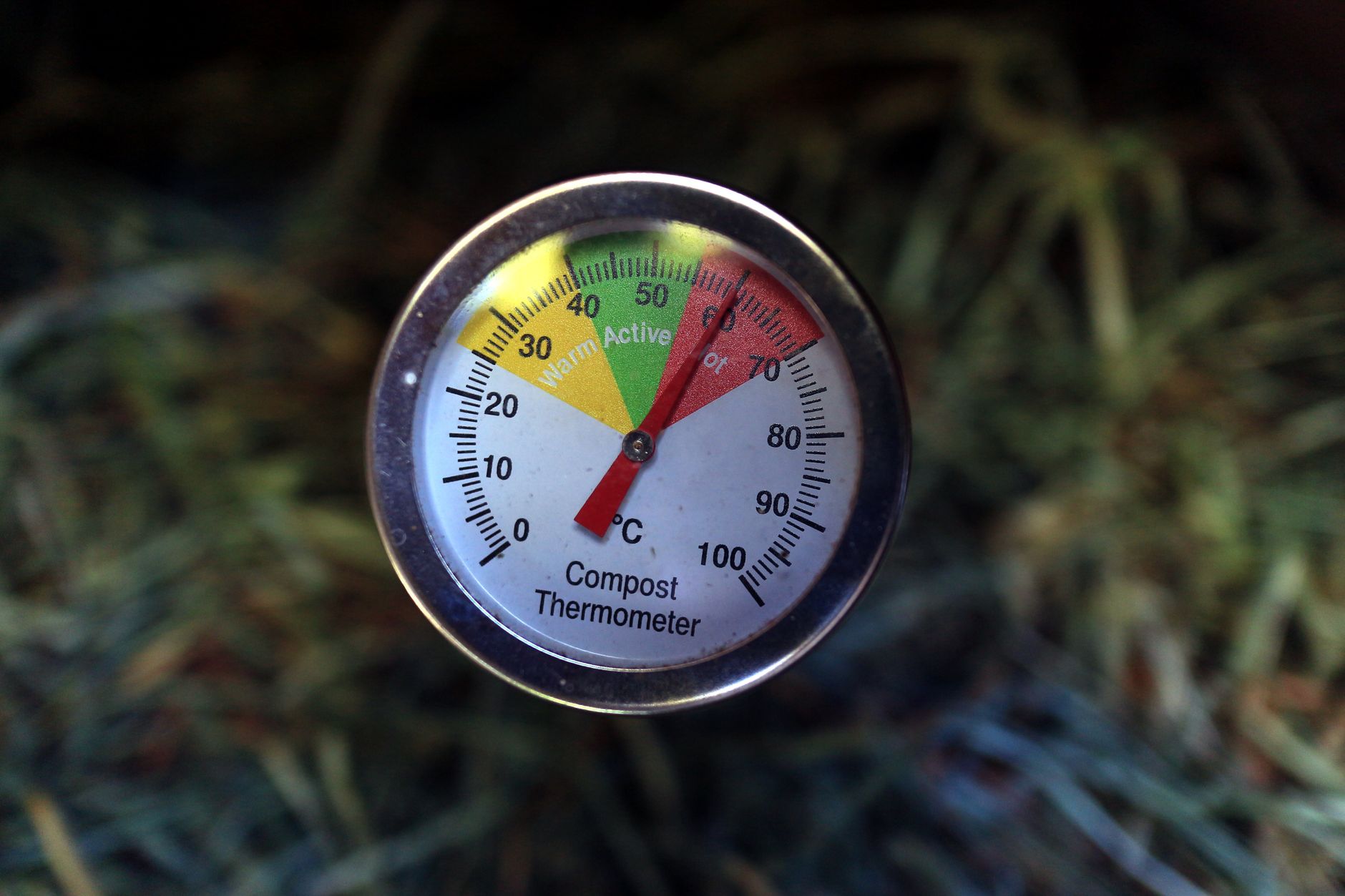
Find the best compost bin for UK gardens in 2026: compare types, sizes, prices, and real user reviews to choose the right one for your space.
Choosing the best compost bin for your UK garden depends on your space, the amount of waste you produce, and how much effort you want to put in. In this guide, I’ll break down the main types, give you real prices and sizes, and help you pick the one that fits your needs. No fluff, just what works.
Types of compost bins: which is right for you?
1. Plastic compost bins (dalek-style)
These are the classic black or green cones you see in many UK gardens. They are cheap, easy to set up, and hold heat well, which speeds up decomposition. The downside: they can be hard to turn, and if you don’t mix the contents, they can become a slimy mess.
- Best for: Small to medium gardens, beginners, and those on a budget.
- Price range (2026): £25 to £50 for a 220-330 litre bin.
- Popular models: The Green Johanna (hot composts, £90-£120), the Hotbin Mini (more on that below), and the standard Blackwall 330L.
- My take: If you want a set-and-forget bin, this is fine. But you’ll need to add equal parts green and brown waste, and turn it with a compost aerator every couple of weeks.
2. Tumbling composters
These are mounted on a stand and rotate, making turning easy. They are great for people with back problems or who want faster compost. However, they have a smaller capacity and can be pricier.
- Best for: Small gardens, people who want quick compost (3-6 months), and those who don’t want to dig.
- Price range (2026): £80 to £200 for a 200-250 litre tumbler.
- Popular models: Jora Composter (270L, £150-£200), Envirocycle (200L, £120-£160).
- My take: Tumblers are great for speed, but they dry out quickly in summer. Keep the contents moist, and you’ll get usable compost in a few months.
3. Wooden compost bins (slatted or pallet)
These are the traditional DIY option: a wooden frame with slats that allow air in. They are cheap if you build them yourself, but they can rot over time and are harder to turn.
- Best for: Large gardens, heavy composters, and those who want a permanent structure.
- Price range (2026): £30 to £80 for a kit (e.g., the Harrod Horticultural Wooden Compost Bin), or £10-£20 if you use pallets.
- My take: I built mine from pallets, and it’s still going after 5 years. Just line the inside with cardboard to keep the heat in, and replace the front slats when they rot.
4. Hot composters (insulated)
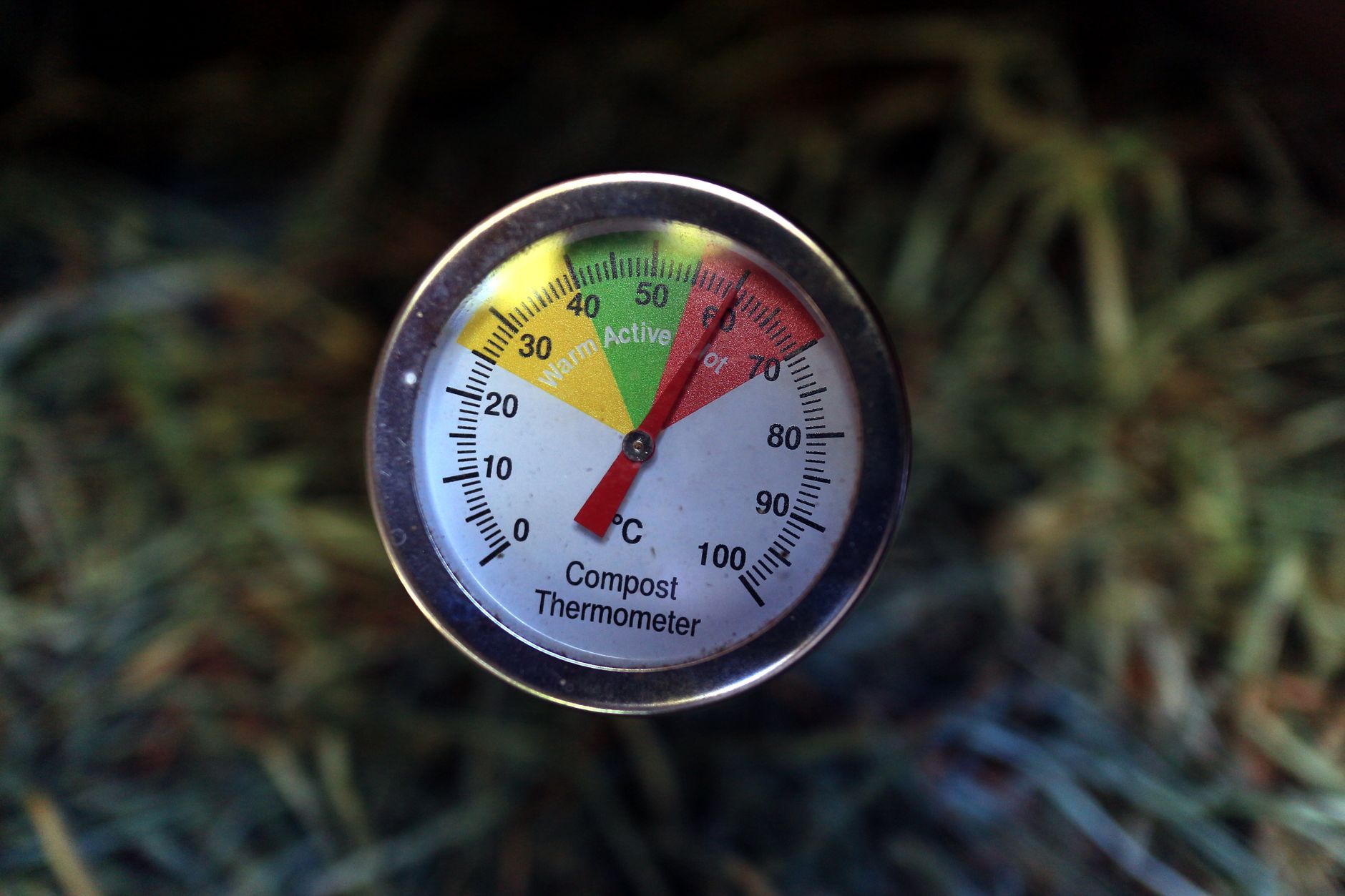
These are insulated bins that heat up quickly, allowing you to compost cooked food, small amounts of meat, and even dog waste (if you use the right model). They are the fastest, but they cost more and need more attention.
- Best for: Serious composters, those who want to dispose of kitchen scraps including cooked food, and people with limited space.
- Price range (2026): £100 to £300 for a 100-200 litre bin.
- Popular models: Hotbin Mini (200L, £180-£220), Green Johanna (330L, £90-£120, but it’s not fully insulated).
- My take: The Hotbin is brilliant if you have the budget. It can handle cooked food, and you get compost in 30-90 days. But you must add bulk
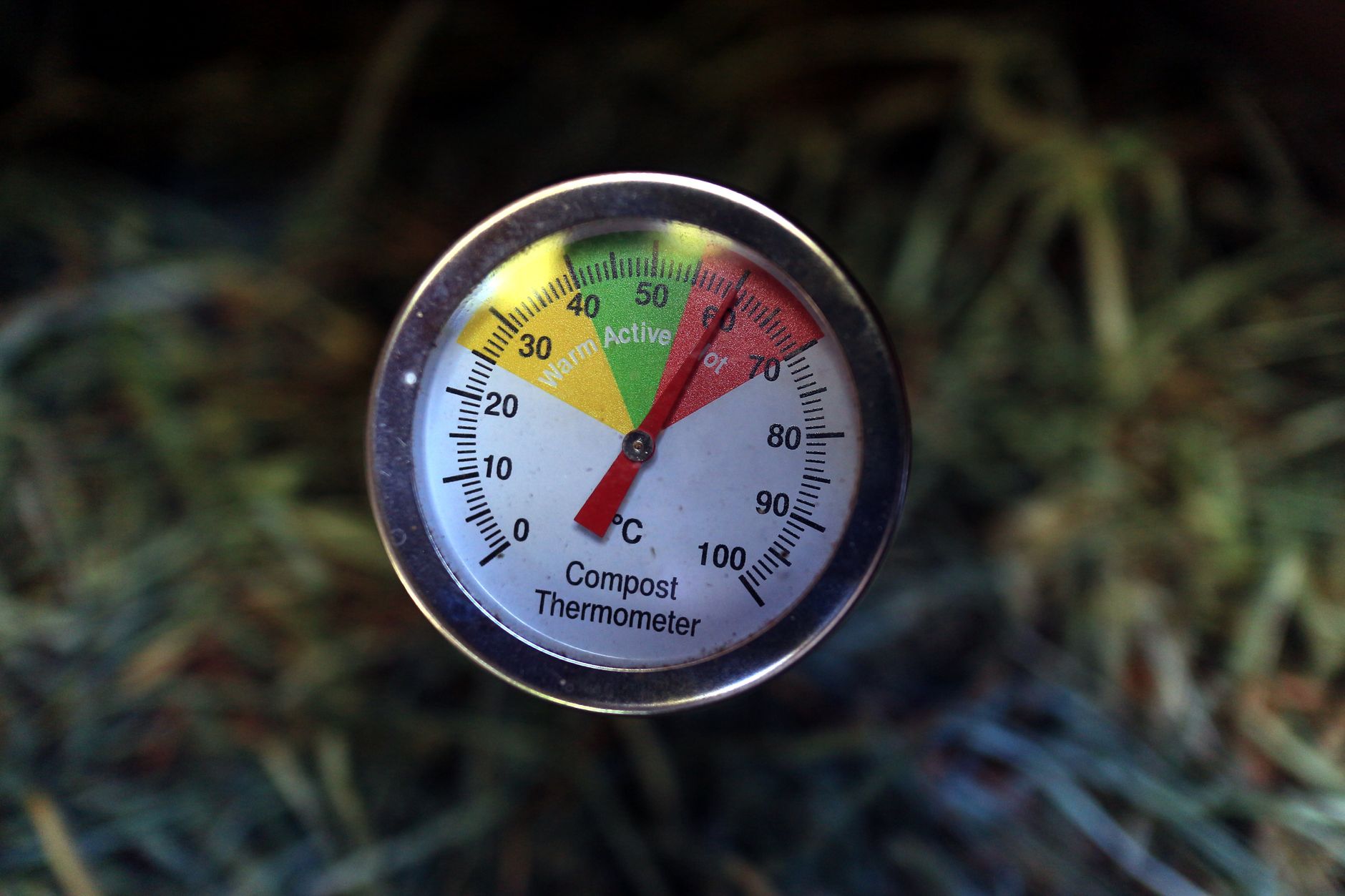 ing agent (like wood chips) regularly, and it can smell if you overload it.
What to look for when buying a compost bin
- Size: A 220-330 litre bin is enough for a typical UK household (2-4 people). If you have a large garden, go bigger or use multiple bins.
- Access: Look for a hatch at the bottom to remove finished compost without disturbing the top layers. Tumblers have a door, but some dalek bins require you to lift the whole bin.
- Material: Plastic is durable and cheap, but it can crack in harsh winters. Wood looks nicer but rots. Choose what suits your climate and aesthetics.
- Rat-proofing: If you have rats, get a bin with a solid base or a mesh floor. Rats love compost, so don’t give them an easy entry.
How to set up your compost bin: a step-by-step guide
- Choose a spot: Place your bin on bare soil or grass, not concrete, so worms can get in. If you must put it on a hard surface, add a layer of soil or compost to start.
- Add a base layer: Put down 10-15 cm of coarse material like twigs or cardboard to help drainage and airflow.
- Start filling: Add a mix of green (kitchen scraps, grass clippings, weeds) and brown (dry leaves, cardboard, straw) in roughly a 50:50 ratio. Chop large items to speed up decomposition.
- Keep it moist: The compost should be like a wrung-out sponge. Water it if it’s dry, add dry browns if it’s too wet.
- Turn it: Every 2-4 weeks, use a compost aerator or a fork to mix the contents. This adds oxygen and speeds up the process.
- Wait: Depending on the bin and the season, you’ll have usable compost in 3-12 months. It’s ready when it’s dark, crumbly, and smells earthy.
Composting in different seasons
- Spring/Summer: Compost breaks down faster in warm weather. Keep it moist, but not waterlogged. You can add more green waste as you garden.
- Autumn: Add fallen leaves (browns) to balance the wetter greens. This is a good time to start a new bin.
- Winter: Decomposition slows down. Keep adding waste, but don’t expect much to happen. If your bin freezes, it will thaw in spring and continue.
Common problems and fixes
- Smelly compost: Too wet or too many greens. Add browns (cardboard, leaves) and turn it.
- Attracts flies: Cover food scraps with a layer of browns or soil. Don’t add meat or dairy unless you have a hot composter.
- Slow decomposition: Not enough nitrogen (greens) or too dry. Add grass clippings or a compost activator, and water it.
- Rats: Stop adding cooked food, and make sure the bin has a solid base. You can also line the bottom with wire mesh.
FAQ
Q: Can I compost cooked food in a regular bin? A: It’s not recommended in a cold compost bin because it attracts pests. Use a hot composter like the Hotbin, or bury cooked food in a trench in the garden.
Q: How long does it take to make compost in the UK? A: In a cold bin, 6-12 months. In a hot composter, 30-90 days. Tumblers can do it in 3-6 months if you turn them regularly.
Q: Do I need a compost bin at all? A: No, you can make a compost heap in a corner of the garden. But a bin keeps it tidy, retains heat, and keeps out pests.
Q: What’s the best compost bin for a small balcony? A: A wormery (vermicomposting) is the best option for small spaces. It’s compact, odourless, and you can keep it indoors or on a balcony. Prices start at £50.
The bottom line
The best compost bin for you depends on your space, budget, and how much waste you produce. For most UK gardeners, a 220-330 litre plastic bin is a solid, affordable choice. If you want speed and can handle cooked food, invest in a Hotbin. If you’re handy, build a wooden bin from pallets for next to nothing. Whatever you choose, start this week: set up your bin, add your first layers, and you’ll have rich compost for your garden in a few months. Happy composting!