Best compost bin for small garden
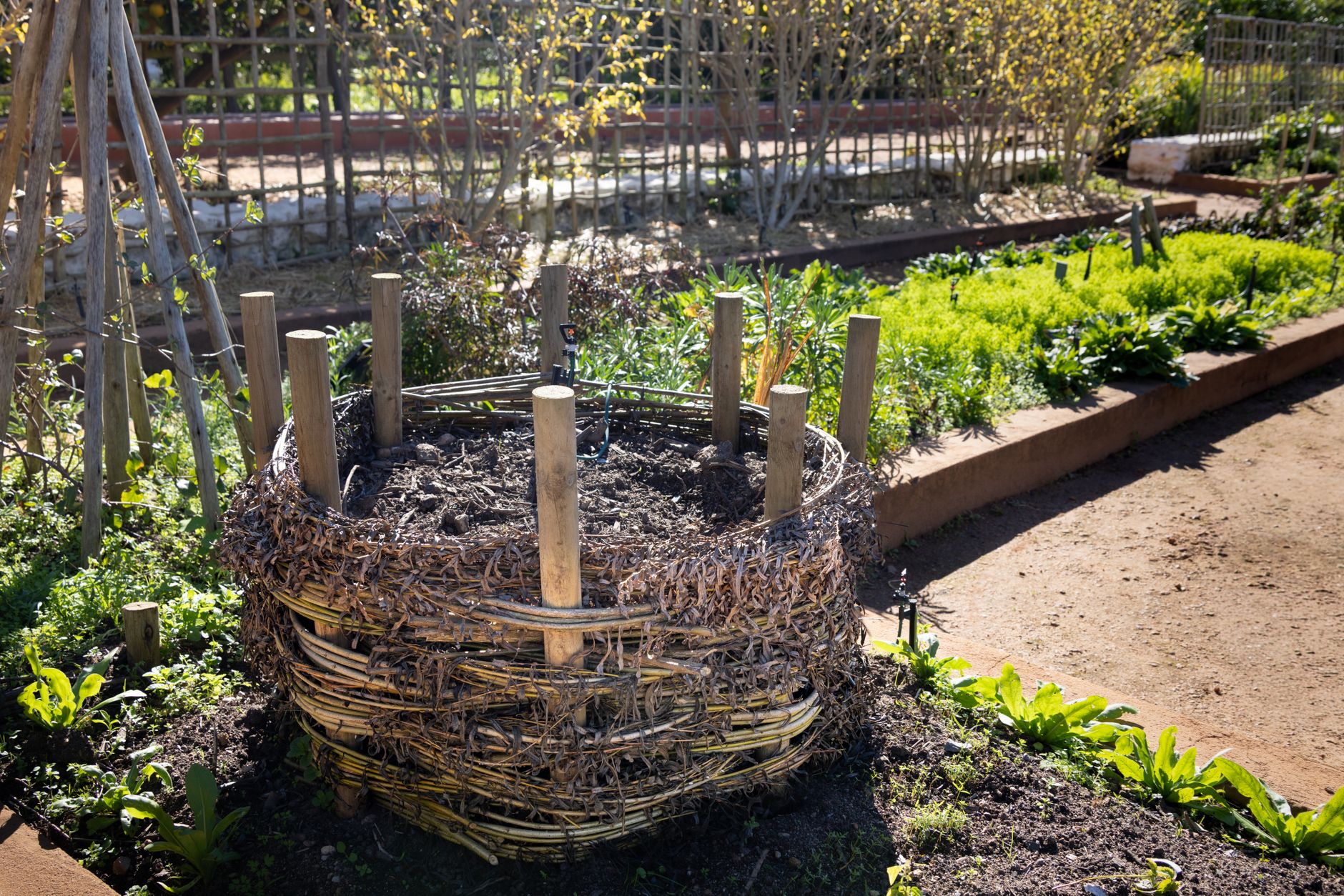
Find the best compost bin for a small garden: compare tumblers, worm bins, and DIY options with real prices, sizes, and tips for success.
For a small garden, the best compost bin is a tumbling composter, specifically a dual-chamber model with a 7 to 10 cubic foot capacity. It turns easily, keeps pests out, and produces finished compost in 4 to 8 weeks if you manage it right. If you have very little space or want indoor composting, a worm bin is a better choice. Here is how to pick the right one and use it well.
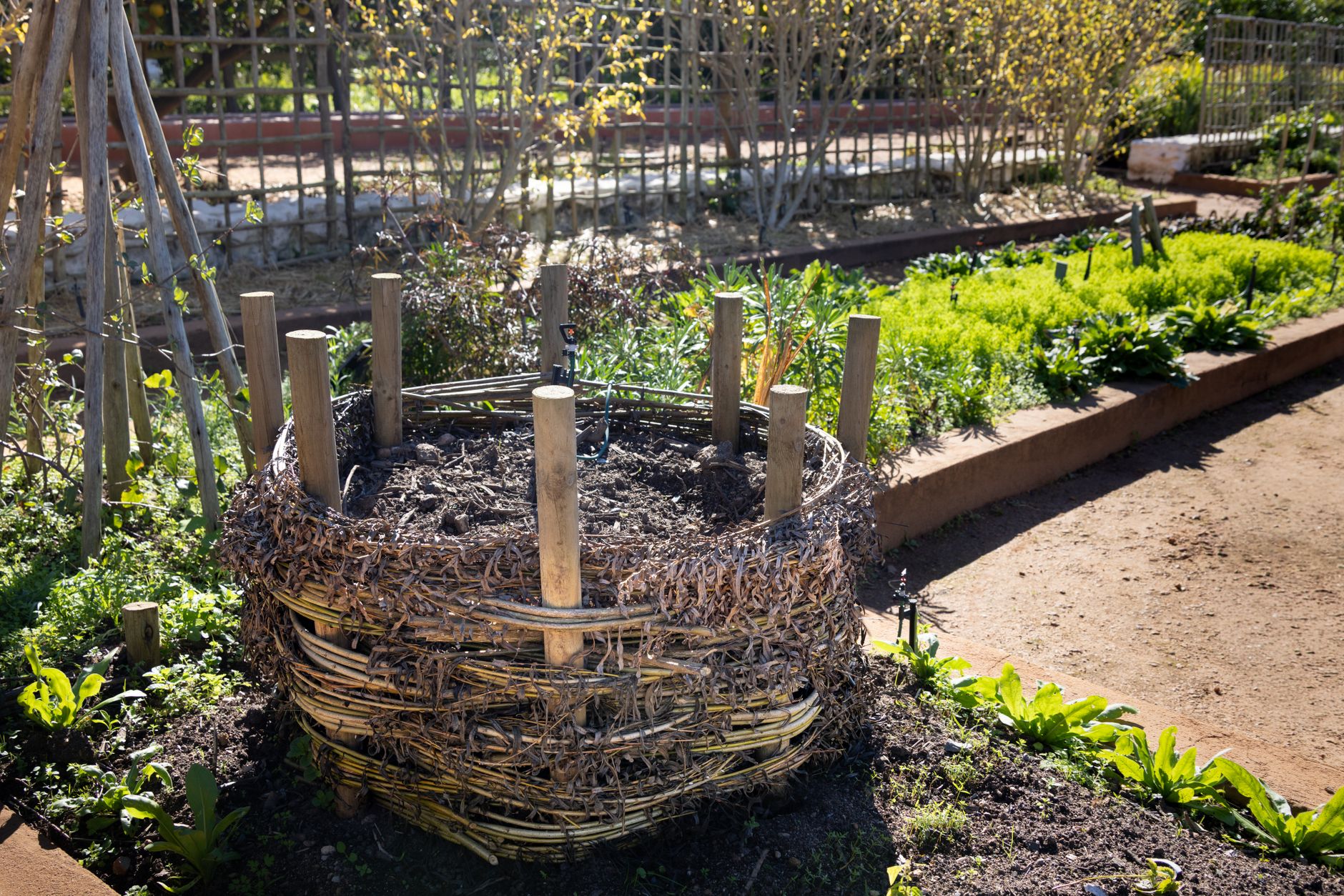
Why tumblers win for small spaces
Tumblers are sealed, raised, and rotate, which means you do not have to turn the pile with a fork. That saves your back and speeds up decomposition because you can aerate every 2 to 3 days. They also keep out rodents and raccoons, a common problem with open piles. For a small garden, you do not need a huge bin; a 7 to 10 cubic foot capacity is enough to handle kitchen scraps and yard waste from a typical quarter-acre lot.
Dual-chamber models let you fill one side while the other finishes. That gives you a continuous supply of compost. Single-cham
 ber tumblers are cheaper but you have to wait until the whole batch is done before adding new material.
Top tumblers for small gardens (2026 prices)
Here are three reliable tumblers that work well in small yards. Prices are from 2026 and can vary by retailer.
| Model | Capacity | Price Range | Best For |
|---|---|---|---|
| FCMP Outdoor Dual Chamber Tumbler | 9.5 cu ft (2 x 4.75) | $90 - $130 | Best overall, dual chamber, sturdy |
| Jora JK270 Dual Chamber Tumbler | 9.4 cu ft (2 x 4.7) | $200 - $260 | Heavier duty, insulated for cold climates |
| Lifetime 80-Gallon Dual Chamber Tumbler | 10.6 cu ft (2 x 5.3) | $150 - $200 | Large capacity, easy turning |
All three have steel frames and plastic drums. The Jora is more expensive but has better insulation and a crank handle, which makes turning easier. The FCMP is the best value for most gardeners.
How to use a tumbler for fast compost
Tumblers work best when you follow a simple routine:
- Add materials in the right ratio. Aim for about 2 parts browns (dry leaves, shredded cardboard, straw) to 1 part greens (kitchen scraps, grass clippings, coffee grounds) by volume. Too many greens makes it slimy and smelly; too many browns slows it down.
- Chop materials small. Cut kitchen scraps into 1-inch pieces and shred cardboard. Smaller pieces decompose faster.
- Turn every 2 to 3 days. Give the drum 5 to 10 full rotations each time. This mixes oxygen in and prevents matting.
- Keep it moist, not wet. The material should feel like a wrung-out sponge. If it is too dry, add water; if too wet, add browns.
- Wait 4 to 8 weeks. In warm weather (above 60°F), you can have finished compost in a month. In cooler weather, it takes longer.
If you live in a cold climate, the Jora with insulation can keep working through winter, but most tumblers slow down below 50°F. You can still add materials, but decomposition will pause until spring.
When a worm bin is better
If you have no outdoor space, or you want to compost indoors year-round, a worm bin is the best option. Worm bins are compact (a 10 to 20 gallon bin fits under a sink), odorless when managed well, and produce worm castings, a rich fertilizer. They do not handle large volumes of yard waste, but they are perfect for kitchen scraps.
A simple worm bin setup:
- Bin: A 10 to 18 gallon plastic tote with a lid, drilled with air holes. Cost: $10 to $20 if you make it yourself, or $50 to $100 for a commercial bin like the Worm Factory 360.
- Bedding: Shredded newspaper or cardboard, moistened. Fill the bin about 3/4 full.
- Worms: Red wigglers (Eisenia fetida), not earthworms. You need about 1 pound of worms per pound of daily food scraps. A pound of worms costs $25 to $40 online.
- Feeding: Bury scraps in the bedding once a week. Do not overfeed; start with a pound of scraps per week for a pound of worms.
- Harvest: In 2 to 3 months, the bedding becomes castings. Separate worms by moving the finished compost to one side and adding fresh bedding to the other; worms will migrate.
Worm bins work best indoors or in a garage where temperatures stay between 55°F and 80°F. They do not attract flies if you bury the food.
DIY options: cheap and effective
If you want to spend nothing, you can build a simple compost bin from a plastic trash can or wood pallets. A trash can bin is easy: drill 1/2-inch holes every 4 inches around the sides and bottom, set it on blocks, and fill it with your compost mix. To turn, tip it over and roll it. This works, but it is harder to turn and can get heavy. A pallet bin (3 pallets wired together) is open and requires turning with a fork, but it is free and handles more volume.
DIY bins are less convenient than tumblers and can attract pests if not managed well. They are best for gardeners who do not mind a little physical work and have space for an open pile.
What to avoid
- Open piles in small yards: They can attract rodents and look messy. If you use one, keep it at least 50 feet from the house and turn it regularly.
- Composters that are too small: A 3 to 5 cubic foot bin may not heat up enough to break down quickly. Stick to 7 cubic feet or more.
- Adding meat, dairy, or oily foods: These attract pests and smell. Stick to plant-based scraps.
- Ignoring moisture: A dry compost pile stops decomposing. Check moisture every time you turn.
FAQ
How long does a tumbler take to make compost? In warm weather (60°F to 80°F), a well-managed tumbler can produce finished compost in 4 to 8 weeks. In cooler weather, it can take 3 to 4 months. You know it is done when it looks dark, crumbly, and smells earthy.
Can I compost in winter with a tumbler? Yes, but decomposition slows dramatically below 50°F. Insulated models like the Jora can keep working, but most tumblers will freeze. You can still add materials; they will start breaking down again in spring.
How much compost does a small garden need? A 100 square foot vegetable bed benefits from 1 to 2 inches of compost worked into the top 6 inches each year. That is about 10 to 20 cubic feet, or 1 to 2 tumbler batches. A 9.5 cubic foot tumbler gives you roughly 5 to 7 cubic feet of finished compost per batch, so plan accordingly.
Is a worm bin smelly? No, if you manage it right. Bury the food scraps under the bedding, do not overfeed, and keep the bin moist but not wet. A healthy worm bin smells like earthy soil. If it smells rotten, you are overfeeding or adding too much moisture.
The bottom line
For most small gardens, a dual-chamber tumbler like the FCMP Outdoor is the best balance of cost, convenience, and speed. It keeps pests out, turns easily, and produces usable compost in a month or two. If you have no outdoor space or want to compost indoors, a worm bin is a compact, odor-free alternative. Whichever you choose, start small, keep the right brown to green ratio, and turn regularly. You will have rich compost for your garden in a season.