Best compost bin for garden
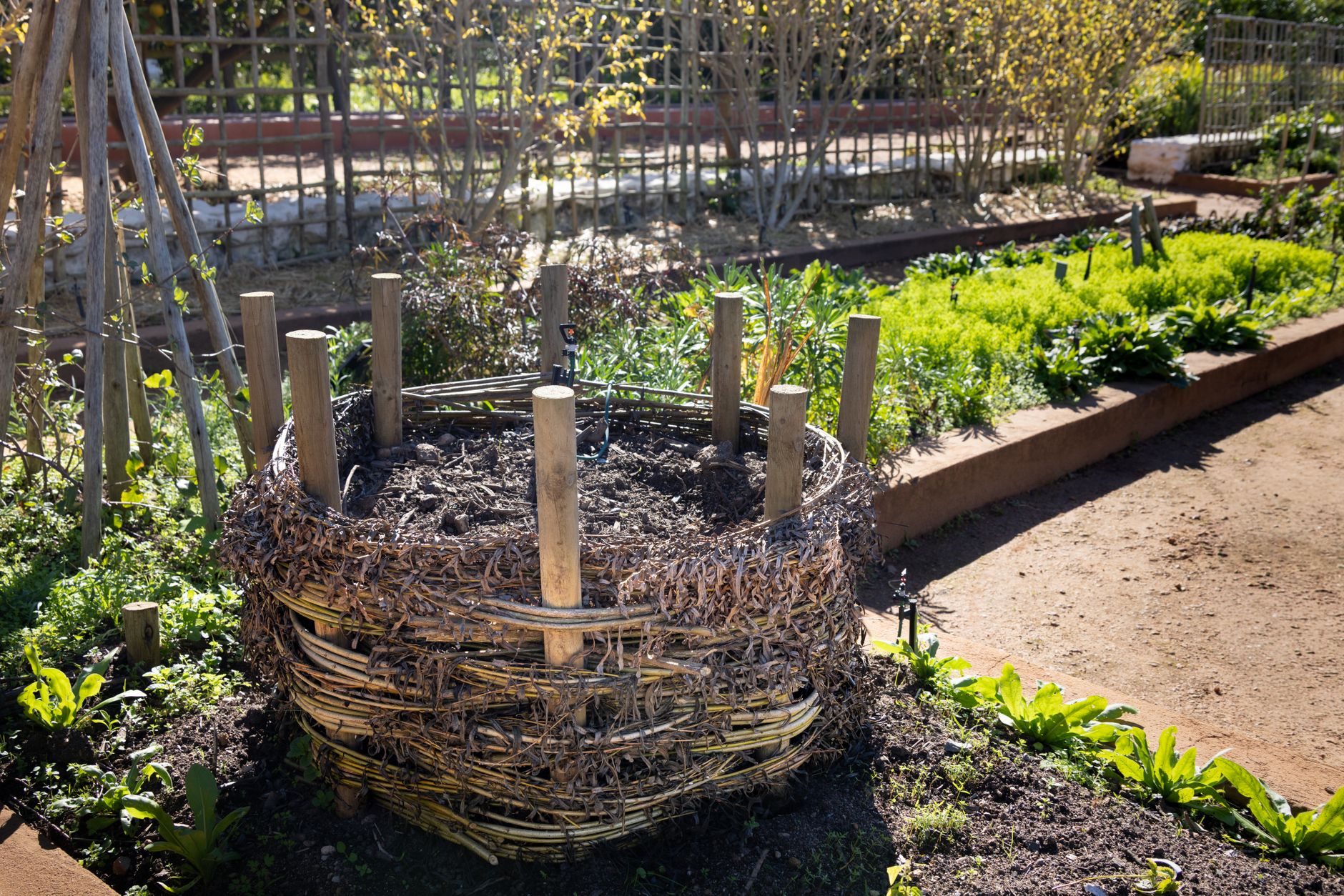
Find the best compost bin for your garden in 2026. Compare tumblers, stationary bins, and worm bins with real prices and practical advice.
The best compost bin for your garden depends on your space, how much waste you produce, and how much effort you want to put in. For most home gardeners, a 37-gallon tumbling composter is the best balance of speed, convenience, and pest resistance. If you have a large garden and plenty of yard waste, a three-bin stationary system is cheaper and holds more. For apartment dwellers or those with limited outdoor space, a worm bin is the most practical choice. In this guide, I’ll break down the top options with real prices and what actually works.
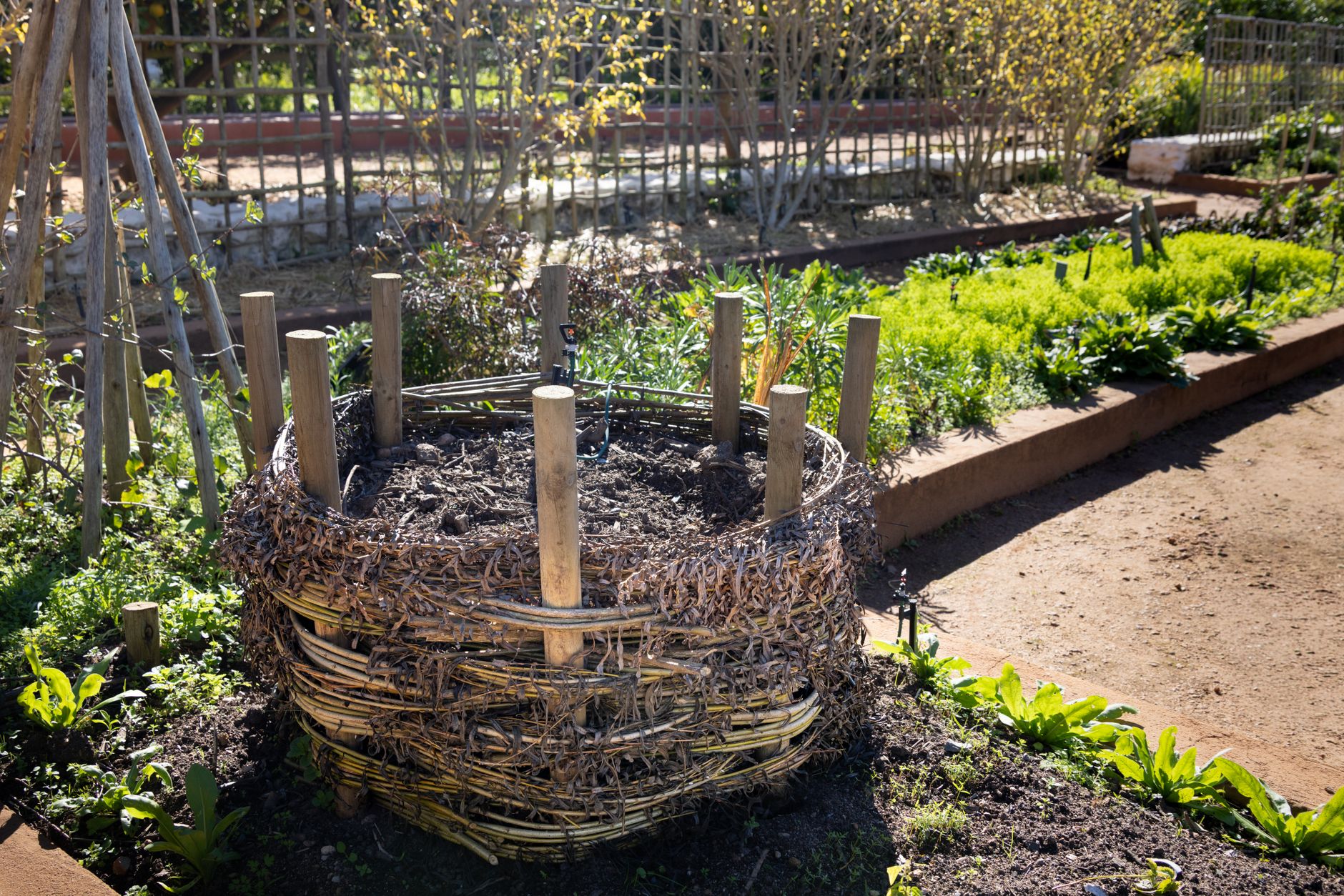
What to look for in a compost bin
Before you buy, consider these factors:
- Capacity: A 30 to 40 gallon bin is enough for a typical household garden. Larger gardens need 60+ gallons or multiple bins.
- Aeration: Good airflow speeds decomposition. Tumblers make turning easy; stationary bins need manual turning with a pitchfork.
- Pest resistance: If you add kitchen scraps, a lid and solid sides keep out rodents and raccoons. Open piles are only for yard waste.
- Ease of use: Tumblers are easier for people with back problems. Stationary bins require more physical effort.
- Cost: Expect to pay $50 to $150
 for a good tumbler, $30 to $80 for a stationary bin, and $40 to $100 for a worm bin setup.
The top compost bins for 2026
1. Best overall: FCMP Outdoor IM4000 Tumbling Composter
This 37-gallon dual-chamber tumbler is the most popular choice among gardeners. It has two compartments so you can fill one while the other finishes. The steel frame and UV-resistant plastic last for years. It sits on a stand, making it easy to turn with a crank. In my experience, it produces finished compost in 4 to 6 weeks during warm weather if you turn it every 2 to 3 days.
- Price: $120 to $150
- Pros: Easy turning, two chambers, sturdy, pest-resistant
- Cons: Can be hard to push when full, small door for removing compost
2. Best budget: Geobin 216 Gallon Compost Bin
If you have a lot of yard waste and want to save money, the Geobin is a simple wire mesh cylinder that you can expand to any size. It’s not a bin in the traditional sense, but it works. You set it up in minutes, and it holds up to 216 gallons. It’s great for leaves, grass clippings, and garden trimmings. You turn the pile with a pitchfork or compost aerator.
- Price: $30 to $40
- Pros: Cheap, flexible size, easy to harvest from the bottom
- Cons: Not pest-proof, requires more effort to turn, may need reinforcement after a few years
3. Best for small spaces: Worm Factory 360 Worm Composter
Worm composting is perfect for patios, balconies, or small yards. The Worm Factory 360 is a stackable tray system that uses red wiggler worms to break down kitchen scraps. It’s odorless if managed correctly, and you get worm castings, which are excellent fertilizer. It comes with a starter guide and a worm bedding block.
- Price: $100 to $130 (plus worms, $20 to $30)
- Pros: Compact, indoor or outdoor use, produces high-quality castings
- Cons: Needs regular feeding, worms can die if too hot or cold, slower than hot composting
4. Best for large gardens: Three-bin stationary system
If you have a big vegetable garden and generate lots of organic waste, a three-bin system is the classic solution. You build it yourself from pallets or buy a kit. The idea is to have one bin for new material, one for active composting, and one for finished compost. You turn the pile from one bin to the next over several weeks.
- Price: $50 to $100 for a kit, or free if you use reclaimed pallets
- Pros: High capacity, good aeration, easy to turn with a fork
- Cons: Requires more space, not pest-proof unless you add a lid, takes more physical effort
How to choose based on your situation
If you have a small garden (under 500 sq ft)
A tumbler or a worm bin is ideal. You don’t need a huge pile. A 37-gallon tumbler will handle most kitchen scraps and some yard waste. If you have no outdoor space, go with a worm bin.
If you have a medium garden (500 to 2,000 sq ft)
A tumbler is still great, but you might also consider a Geobin for extra yard waste. Many gardeners use both: a tumbler for kitchen scraps and a Geobin for leaves and grass.
If you have a large garden (over 2,000 sq ft)
Invest in a three-bin system. You’ll generate enough waste to fill it, and the larger volume helps the pile heat up, which speeds decomposition. You can also add a tumbler for convenience if you want.
How to use your compost bin effectively
No matter which bin you choose, follow these steps for success:
- Location: Place your bin on bare soil if possible, in a spot that gets partial sun. This helps with drainage and allows worms to enter.
- Browns and greens: Aim for a ratio of about 2 parts browns (dry leaves, straw, cardboard) to 1 part greens (kitchen scraps, grass clippings). Too many greens cause odor; too many browns slow decomposition.
- Moisture: The pile should feel like a wrung-out sponge. Add water if it’s dry, or add more browns if it’s soggy.
- Turning: Turn your pile every 1 to 2 weeks for hot composting. Tumblers make this easy. For stationary bins, use a compost aerator or pitchfork.
- Harvest: Finished compost is dark, crumbly, and smells earthy. It takes 3 to 6 months in a tumbler, 6 to 12 months in a stationary bin, and 2 to 3 months in a worm bin.
Realistic expectations
Don’t expect instant results. Composting takes time, and the speed depends on temperature, moisture, and the materials you add. In warm months, a well-managed tumbler can produce compost in 4 to 6 weeks. In winter, it slows down significantly. A stationary pile may take a year to break down if you don’t turn it often.
Also, be aware that some materials are not compostable: meat, dairy, and oily foods attract pests. Avoid adding diseased plants or weeds with seeds unless your pile gets hot enough (130°F to 160°F) to kill them.
FAQ
Can I compost in winter?
Yes, but the pile will slow down or freeze. You can keep adding materials, and it will resume in spring. Insulate your bin with straw or leaves to keep it active longer.
How do I keep my compost bin from smelling?
Bad odor usually means too much green material or not enough aeration. Add more browns, turn the pile, and make sure it’s not too wet. A lid also helps.
Do I need to add compost starter?
Not necessary. If you have garden soil, add a handful to introduce microbes. Or use finished compost from a previous batch. Commercial starters are a waste of money.
Can I put weeds in my compost bin?
Only if your pile reaches 130°F to 160°F for several days. If not, weed seeds may survive and spread. It’s safer to leave weeds out or hot compost them separately.
The bottom line
For most gardeners, the FCMP Outdoor IM4000 tumbler is the best all-around choice: it’s easy to use, pest-resistant, and reasonably priced. If you’re on a budget or have lots of yard waste, the Geobin is a solid alternative. For small spaces, a worm bin is the way to go. And for large gardens, a three-bin system is the workhorse. Whichever you choose, start small, learn the basics, and you’ll have black gold for your garden in a few months.