When to plant different plants
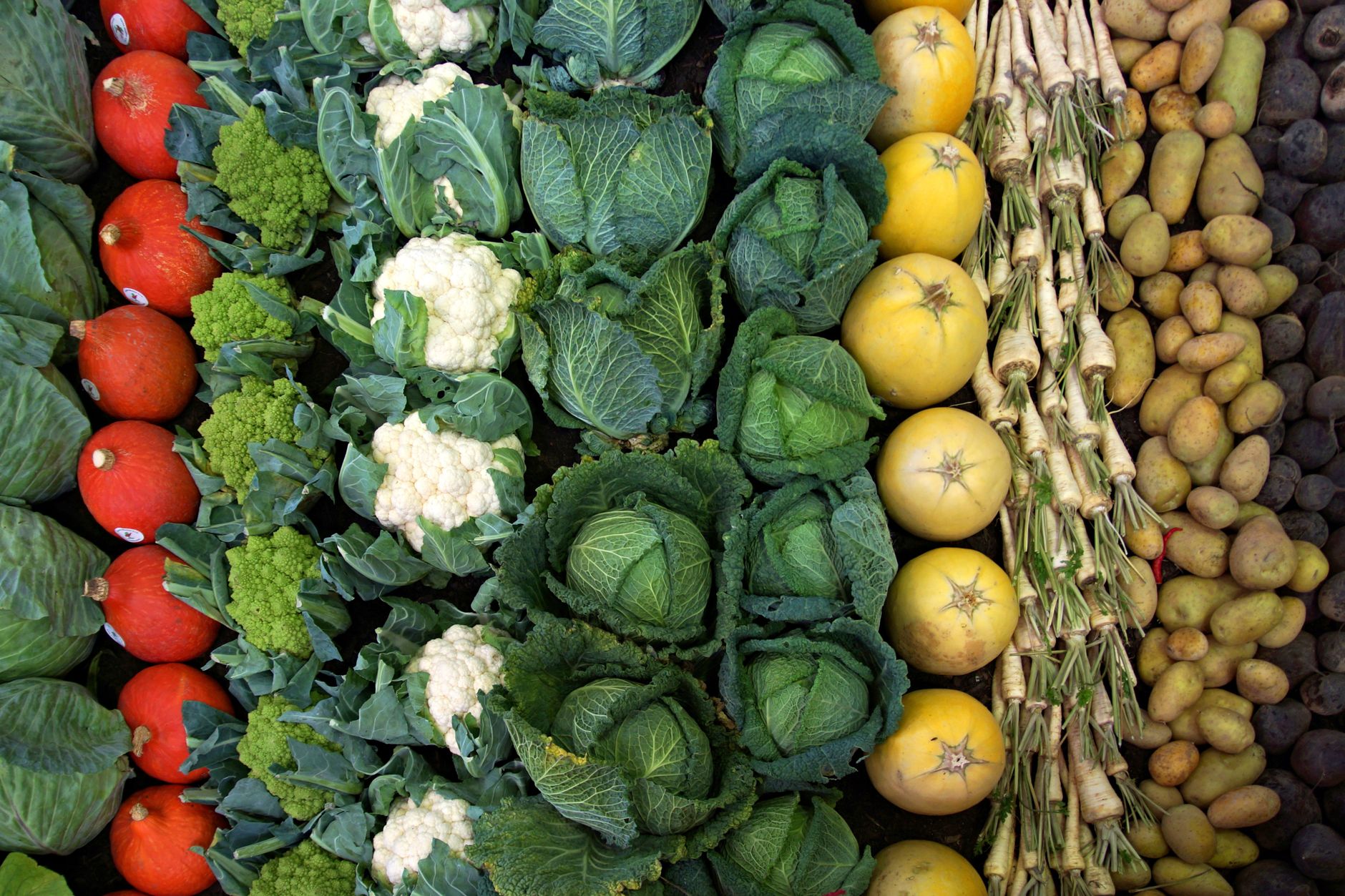
Learn exactly when to plant vegetables, herbs, and flowers by USDA zone. A practical guide with dates, soil temps, and tips for success.
The short answer: plant cool-season crops like lettuce and peas 2 to 4 weeks before your last frost date, and warm-season crops like tomatoes and peppers after the last frost when soil temperatures reach at least 60°F. Your USDA hardiness zone determines those dates, so start by finding your zone online, then use the tables below to plan your planting calendar. This guide gives you specific dates, soil temperatures, and varieties that work across zones, so you can stop guessing and start planting with confidence.
Know your last frost date
Your last frost date is the average date in spring when the final freeze occurs. It varies by zone: for example, Zone 5 typically sees it around May 15, Zone 7 around April 15, and Zone 9 around February 15. You can find your exact date from your local extension service
 or online calculators. Once you have that date, count backward or forward to schedule plantings.
Cool-season crops: plant early
Cool-season crops tolerate light frost and prefer temperatures between 50°F and 70°F. Plant them 2 to 4 weeks before your last frost date, or even earlier if you use row covers. For a fall harvest, plant again 6 to 8 weeks before your first fall frost.
| Crop | Planting window (spring) | Soil temp | Spacing | Varieties |
|---|---|---|---|---|
| Lettuce | 4 weeks before last frost | 40-65°F | 8-12 inches | ‘Black Seeded Simpson’, ‘Romaine’ |
| Peas | 4-6 weeks before last frost | 40-75°F | 2 inches apart | ‘Sugar Snap’, ‘Wando’ |
| Spinach | 4-6 weeks before last frost | 35-60°F | 3-4 inches | ‘Bloomsdale’, ‘Space’ |
| Broccoli | 4 weeks before last frost | 45-75°F | 18 inches | ‘Calabrese’, ‘Green Goliath’ |
| Carrots | 3-4 weeks before last frost | 45-85°F | 2-3 inches | ‘Nantes’, ‘Danvers’ |
Plant these as seeds directly in the ground, except broccoli which you can start indoors 6 weeks earlier. Use a soil thermometer to check temperatures; if soil is too cold, seeds rot. A simple probe thermometer costs $10 to $15.
Warm-season crops: wait for warmth
Warm-season crops need soil temperatures above 60°F and air temperatures above 50°F at night. Plant them after your last frost date, typically 1 to 2 weeks later. If you start seeds indoors, do so 6 to 8 weeks before that date.
| Crop | Planting window (spring) | Soil temp | Spacing | Varieties |
|---|---|---|---|---|
| Tomatoes | After last frost | 60-85°F | 24-36 inches | ‘Celebrity’, ‘Early Girl’ |
| Peppers | After last frost | 65-85°F | 18-24 inches | ‘Bell Boy’, ‘Jalapeño’ |
| Cucumbers | 1 week after last frost | 65-85°F | 12-18 inches | ‘Marketmore’, ‘Straight Eight’ |
| Squash | 1 week after last frost | 65-85°F | 24-36 inches | ‘Yellow Crookneck’, ‘Zucchini’ |
| Beans | After last frost | 60-85°F | 2-4 inches | ‘Blue Lake’, ‘Provider’ |
For tomatoes and peppers, buy transplants from a nursery or start seeds indoors. If you start seeds, use a heat mat ($20 to $30) to keep soil at 70°F to 80°F for germination. Harden off transplants for 7 to 10 days before planting by setting them outside for a few hours each day.
Herbs and flowers: timing matters too
Herbs like basil and cilantro have different preferences. Basil is warm-season, plant after last frost. Cilantro is cool-season, plant in early spring or fall. Flowers like marigolds and zinnias are warm-season, while pansies and snapdragons tolerate cool weather.
| Plant | Type | Planting time | Spacing | Varieties |
|---|---|---|---|---|
| Basil | Warm | After last frost | 12 inches | ‘Genovese’, ‘Sweet Basil’ |
| Cilantro | Cool | 2-4 weeks before last frost | 6 inches | ‘Santo’, ‘Leisure’ |
| Marigolds | Warm | After last frost | 8-12 inches | ‘French Vanilla’, ‘Crackerjack’ |
| Pansies | Cool | 4 weeks before last frost | 6-8 inches | ‘Matrix’, ‘Cool Wave’ |
Use succession planting for continuous harvest
Instead of planting all your lettuce at once, sow a new row every 2 weeks until 4 weeks before your last frost. This gives you a steady supply rather than a glut. The same works for beans and radishes. Mark your calendar with reminders, or use a simple garden planner app.
Adjust for your zone
The dates above are averages. If you live in Zone 3, shift everything later by 2 weeks; in Zone 8, shift earlier by 2 weeks. Always check local conditions: a warm spell in March doesn’t mean the frost is over. Use a frost blanket ($15 to $25) to protect early plantings if a late freeze threatens.
FAQ
Can I plant before the last frost date?
Yes, for cool-season crops. They tolerate light frost, but not hard freezes. Use row covers or cloches to protect them if temperatures drop below 28°F.
How do I know if soil is warm enough?
Use a soil thermometer. Insert it 4 inches deep in the morning. For warm-season crops, wait until it reads at least 60°F for three consecutive days.
What if I miss the planting window?
You can still plant, but yields may be lower. For example, tomatoes planted in June in Zone 5 will still produce, but later. Choose early-maturing varieties like ‘Early Girl’ (60 days) to compensate.
Do I need to start seeds indoors?
Only for warm-season crops with long seasons, like tomatoes and peppers. Cool-season crops are best direct-sown. If you start indoors, use a seed-starting mix and grow lights ($30 to $50) to prevent leggy seedlings.
The bottom line
Planting at the right time is the single biggest factor in garden success. Know your last frost date, check soil temperatures, and follow the tables above for your zone. Start with cool-season crops early, then switch to warm-season after the frost. Keep a garden journal to track what works in your microclimate, and adjust each year. With this schedule, you’ll avoid the disappointment of frost-killed seedlings and enjoy a productive harvest from spring through fall.