What to plant with tomatoes companion
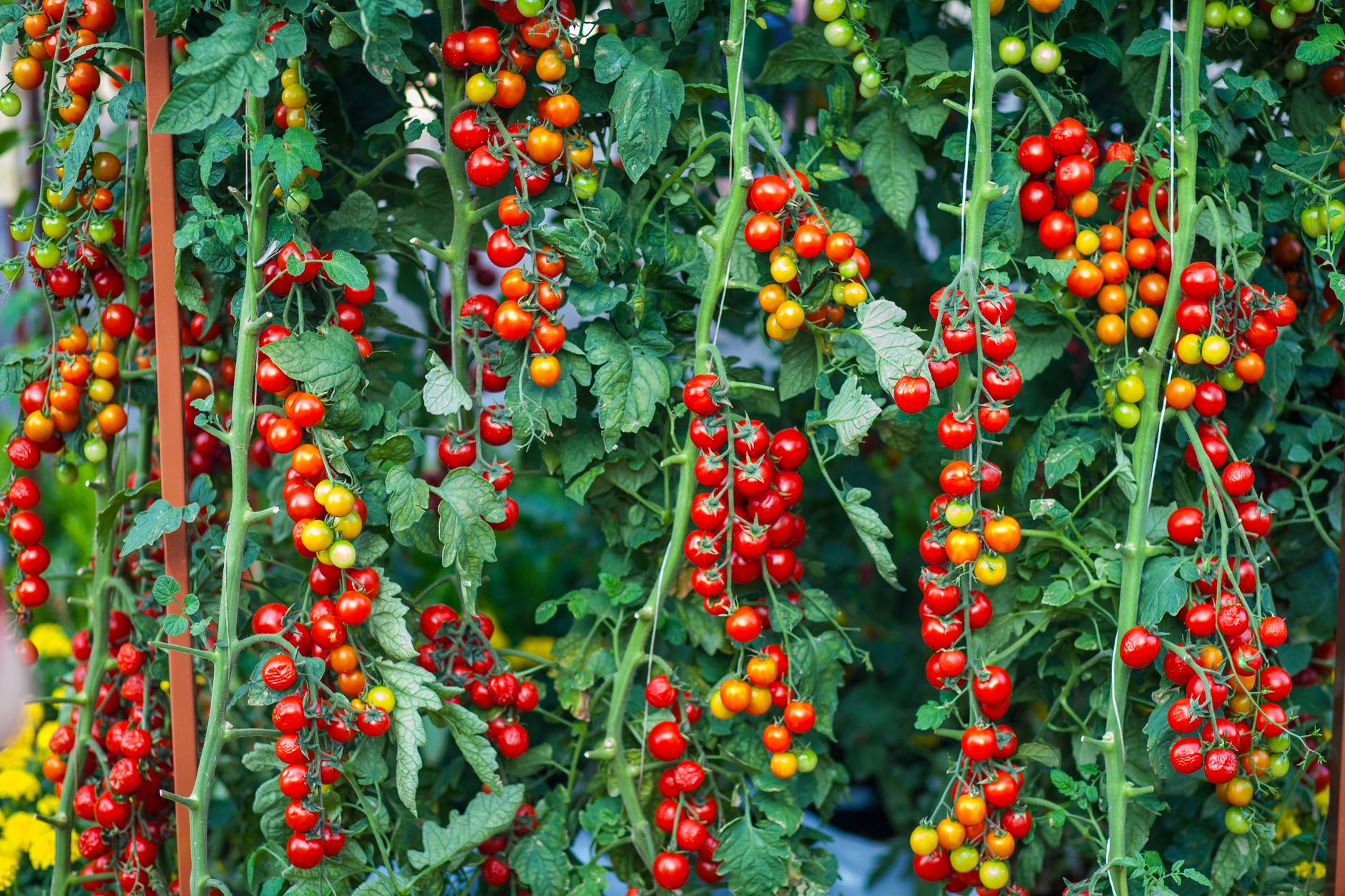
Discover the best companion plants for tomatoes, including herbs, flowers, and vegetables that improve growth and deter pests. Practical tips for 2026.
Tomatoes are the most popular garden crop, but they don’t grow in a vacuum. The right companions can improve flavor, deter pests, and save space. The wrong ones can stunt growth or spread disease. Here’s what to plant with tomatoes, and what to keep far away, based on real experience and current 2026 gardening practices.
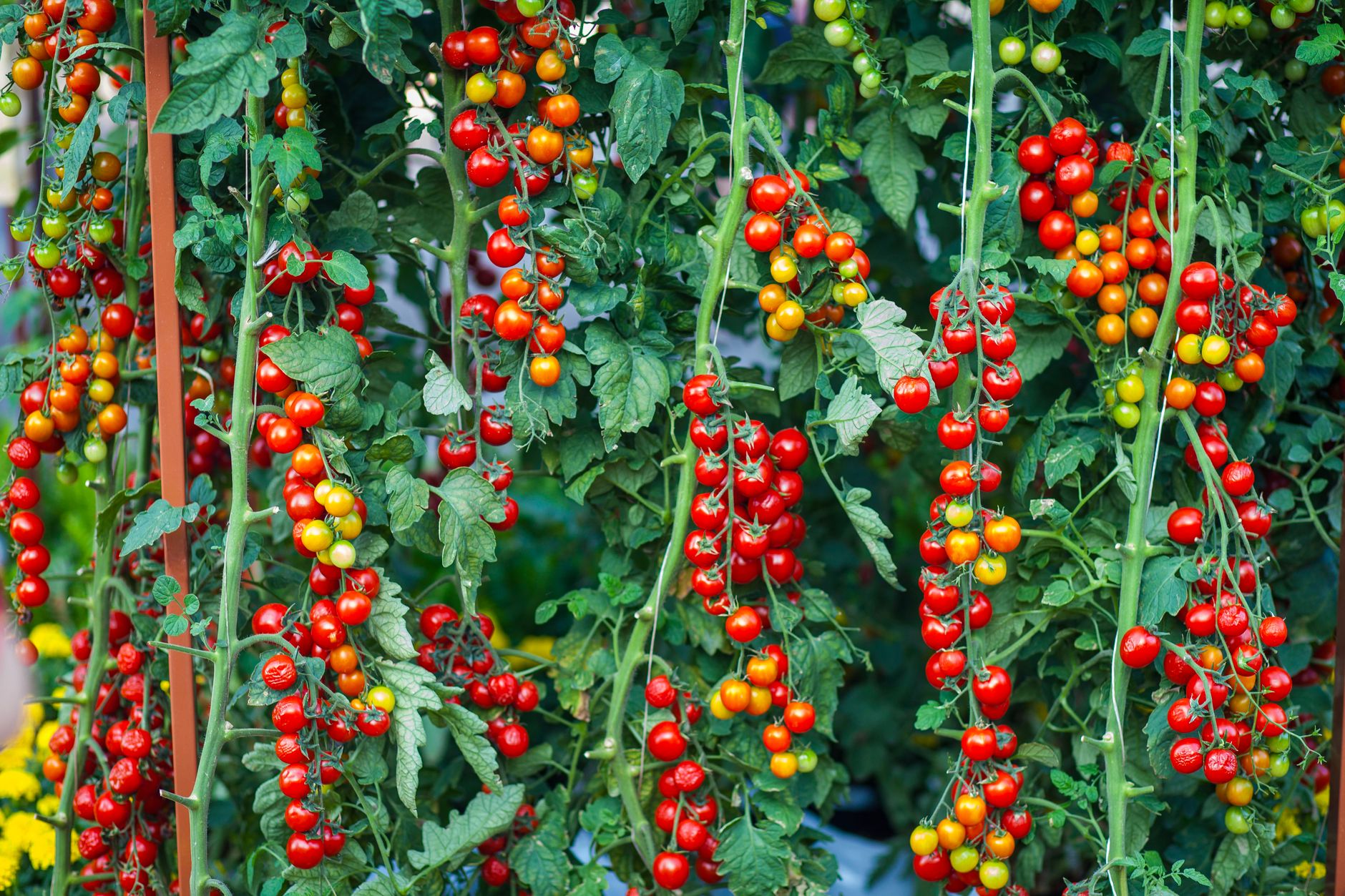
The Best Tomato Companions
Plant these companions to get the most out of your tomato patch. They work by attracting beneficial insects, repelling pests, or improving soil health.
Herbs
Basil is the classic companion. It repels thrips, flies, and mosquitoes, and many gardeners swear it improves tomato flavor. Plant basil between tomato plants, spacing 12 inches apart. Use varieties like ‘Genovese’ or ‘Sweet Basil’.
Other useful herbs:
- Parsley: Attracts hoverflies that eat aphids. Plant 8 inches from tomatoes.
- Oregano: Repels spider mites and provides ground cover. Space 12 inches apart.
- Thyme: Deters whiteflies and adds fragrance. Plant 10 inches apart.
- Marigold (not an herb, but a flower): The French marigold (Tagetes patula) repels nematodes in the soil. Plant 12 inches from tomatoes.
Flowers
Nasturtiums are a trap crop for aphids. They attract aphids away from tomatoes, so check them regularly and remove heavily infested leaves. Plant nasturtiums at the edge of the tomato bed, 12 inches apart. Use ‘Alaska’ or ‘Jewel’ varieties.
Borage attracts bees and other pollinators, and it adds calcium to the soil as it decomposes. Plant borage 18 inches from tomatoes; it can get large, so give it room.
Vegetables
Carrots and tomatoes are a good match. Carrots break up the soil with their roots, and tomatoes provide some shade. Plant carrots in rows between tomato plants, but give them 12 inches of space to avoid competition. Use ‘Nantes’ or ‘Danvers’ varieties.
Onions and garlic repel aphids and spider mites. Plant them in a border around the tomato bed, 4 inches apart. Use ‘Red Burgundy’ onions or ‘Music’ garlic.
Lettuce and spinach are quick-growing crops that can be planted between tomato plants early in the season. They use the shade of the gro
 wing tomatoes to stay cool, and they’re harvested before the tomatoes need full sun. Plant them 6 inches apart.
What Not to Plant with Tomatoes
Some plants are bad neighbors for tomatoes. Avoid these to prevent disease and competition.
- Brassicas (cabbage, broccoli, cauliflower): They compete for nutrients and can stunt tomato growth. Keep them in a separate bed.
- Corn: Attracts tomato fruitworm (corn earworm). The pest moves from corn to tomatoes.
- Fennel: Secretes a substance that inhibits tomato growth. Keep it far away.
- Potatoes: Both are in the nightshade family and share diseases like early blight and late blight. Planting them together increases the risk of an outbreak. If you must grow both, separate them by at least 50 feet.
- Dill: Mature dill can stunt tomato growth, but young dill attracts beneficial wasps. If you want dill, plant it in a separate area and harvest it before it flowers.
How to Plan Your Tomato Companion Layout
Follow these steps to create a successful companion planting layout.
- Prepare the bed: Tomatoes need full sun (at least 8 hours) and well-drained soil with a pH of 6.0 to 6.8. Amend with compost before planting.
- Set your tomato spacing: Indeterminate varieties need 24 to 36 inches between plants; determinate varieties need 18 to 24 inches. Use 36 inches for large indeterminate types like ‘Brandywine’.
- Plant companions in the gaps: Use the space between and around tomatoes. For example, plant basil between tomatoes, and marigolds at the ends of rows.
- Stagger planting times: Plant quick crops like lettuce and spinach in early spring, then replace them with basil or marigolds in early summer.
- Water and mulch: Water deeply at the base of plants, not overhead, to prevent fungal diseases. Mulch with straw or shredded leaves to retain moisture and suppress weeds.
Companion Planting Table for Tomatoes
| Companion | Type | Spacing from Tomato | Benefit |
|---|---|---|---|
| Basil | Herb | 12 inches | Repels thrips, improves flavor |
| Marigold (French) | Flower | 12 inches | Repels nematodes |
| Nasturtium | Flower | 12 inches | Trap crop for aphids |
| Borage | Flower | 18 inches | Attracts pollinators, adds calcium |
| Carrot | Vegetable | 12 inches | Breaks up soil |
| Onion | Vegetable | 4 inches | Repels aphids |
| Lettuce | Vegetable | 6 inches | Uses shade, quick harvest |
FAQ
Can I plant tomatoes and peppers together?
Yes, tomatoes and peppers are both nightshades, but they have similar needs and do not compete heavily. However, they share diseases, so rotate them to different beds each year. Space them 24 inches apart.
How close should basil be to tomatoes?
Basil can be planted 12 inches from tomato stems. It will not crowd the tomato if you keep it pruned to about 12 inches tall. Use the clippings in the kitchen.
Do marigolds really repel nematodes?
French marigolds release a compound from their roots that suppresses root-knot nematodes. They are not a cure-all, but they help in infested soil. Plant them densely (6 inches apart) in a border around the tomato bed.
Can I plant tomatoes and cucumbers together?
Cucumbers and tomatoes have similar water and sun needs, but cucumbers can spread and shade tomatoes. If you have space, plant cucumbers on a trellis on the north side of the tomato bed so they don’t block the sun. Keep them at least 24 inches apart.
The Bottom Line
Companion planting with tomatoes is about creating a balanced ecosystem. Use basil, marigolds, and nasturtiums to deter pests, and carrots or onions to use space wisely. Avoid brassicas, corn, fennel, and potatoes to prevent disease and competition. Start small: choose two or three companions this season and see what works in your garden. With careful planning, you’ll have healthier tomatoes and a more productive garden.