What to plant with peppers companion
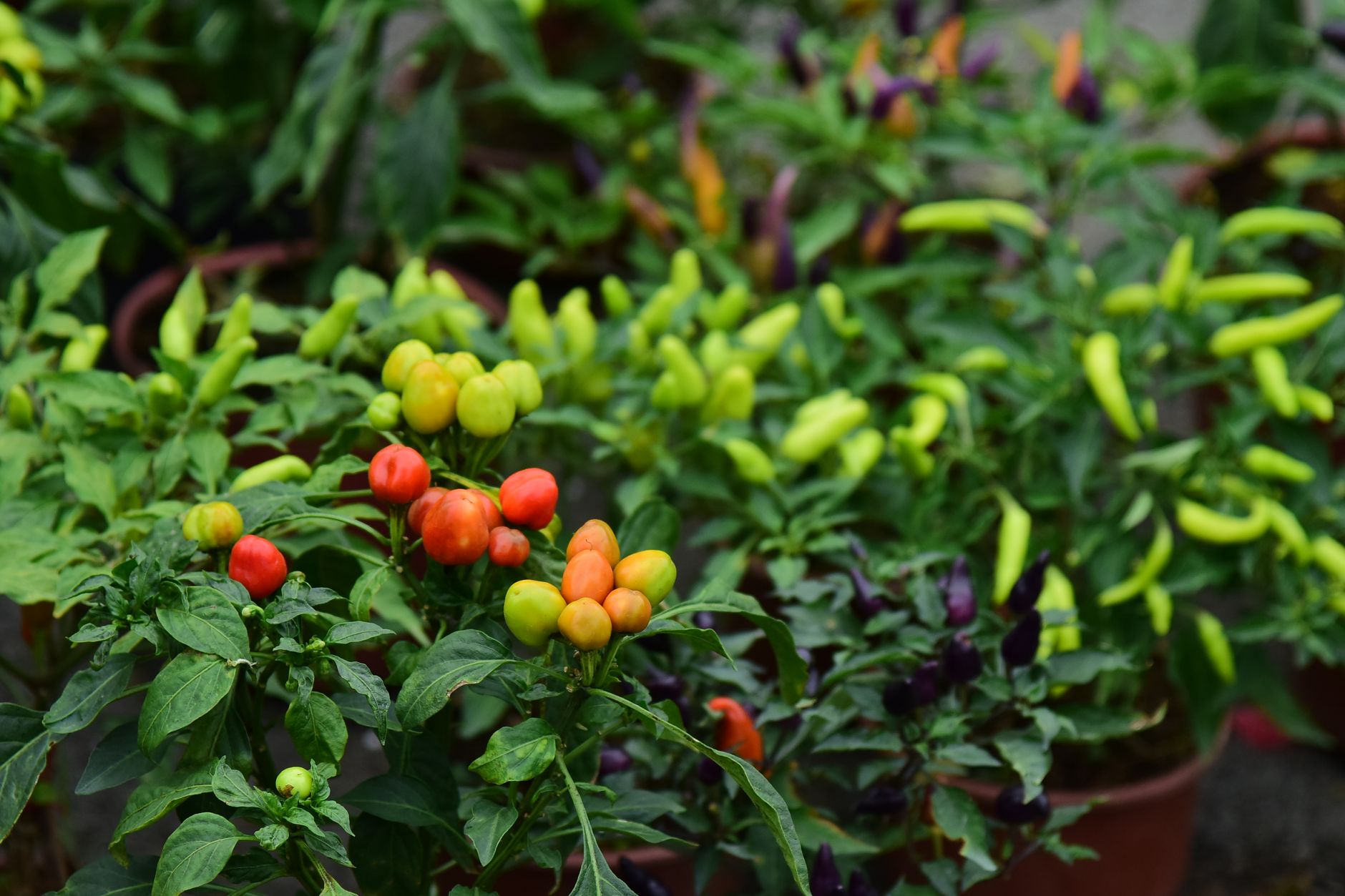
Learn the best companion plants for peppers, what to avoid, and how to boost yields with proven pairings for 2026.
Peppers thrive when planted next to the right companions. Good neighbors like basil, onions, and marigolds deter pests and improve growth, while bad ones like fennel and beans can stunt or crowd them. This guide gives you specific pairings, spacing, and timing for your zone.
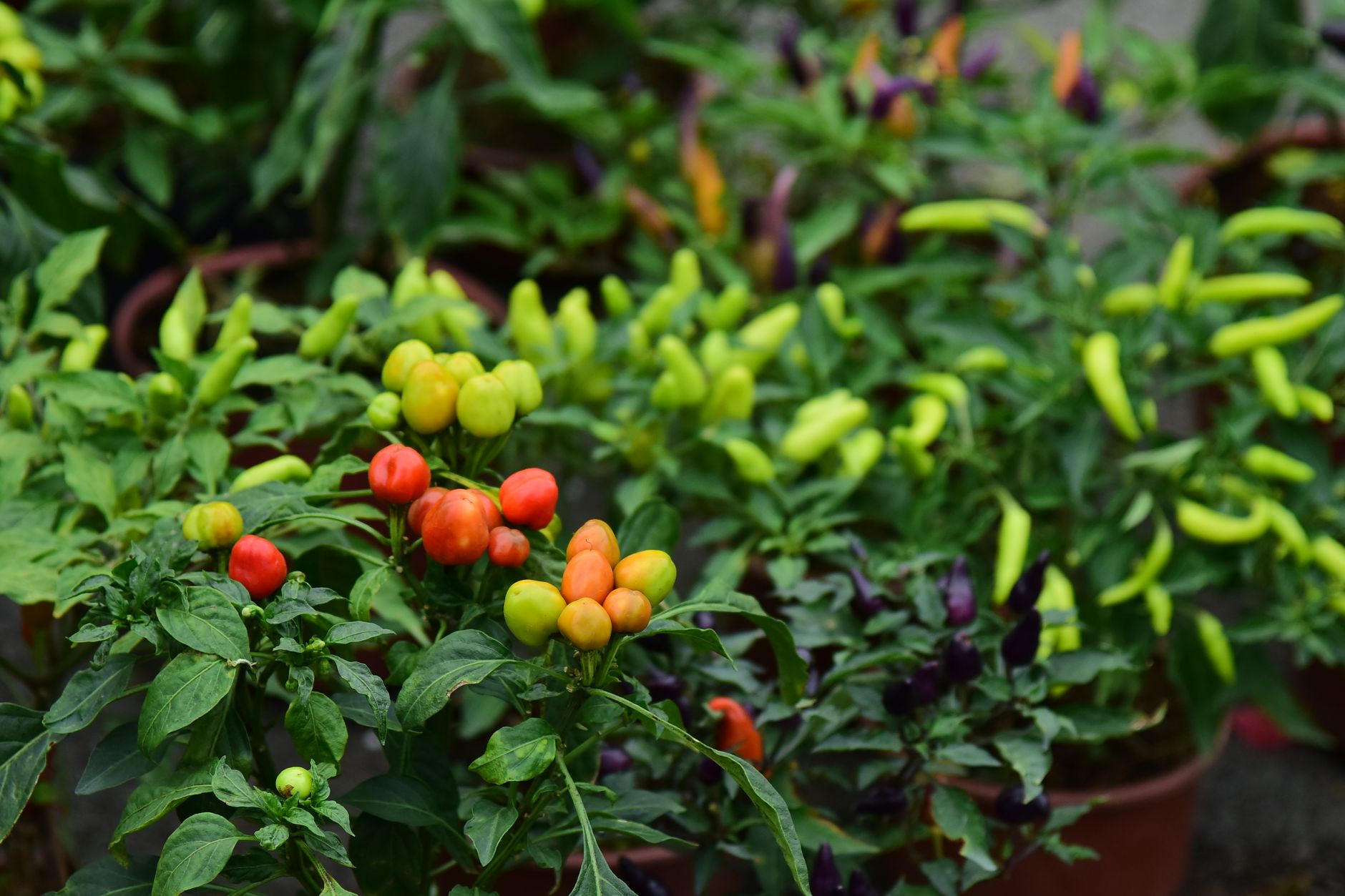
Why companion planting works for peppers
Companion planting is about more than tradition. Some plants repel pests that attack peppers, like aphids and flea beetles. Others attract beneficial insects that prey on those pests. A few, like legumes, add nitrogen to the soil, though peppers prefer mod
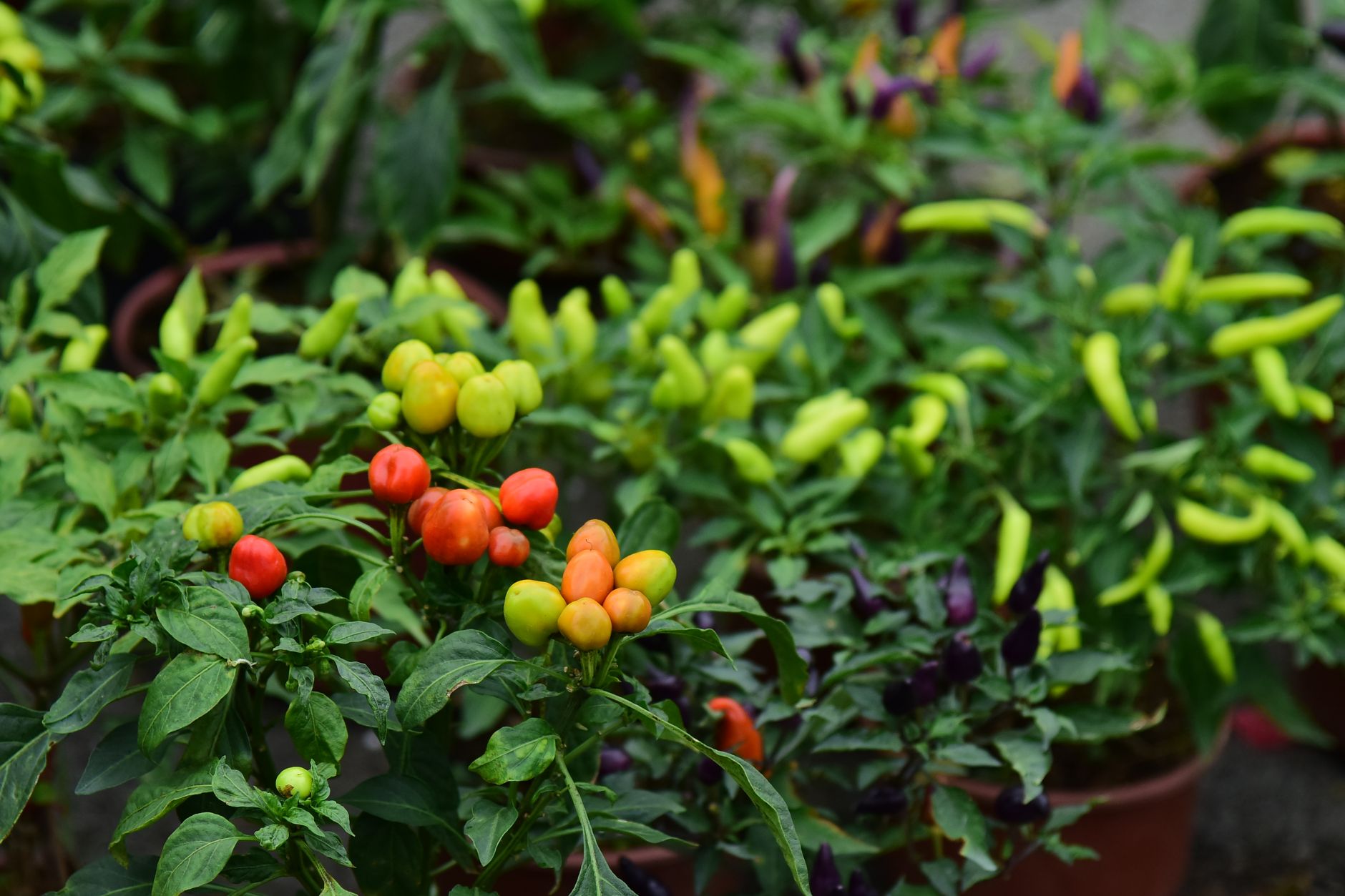 erate fertility, so use them carefully. The goal is a healthier, more productive pepper patch with less work.
Best companions for peppers
Herbs: basil, oregano, thyme
Basil is the classic pepper partner. It repels thrips, flies, and mosquitoes, and many gardeners report better flavor and growth. Plant basil 12 inches from pepper stems. Oregano and thyme are low-growing, drought-tolerant herbs that act as living mulch, keeping soil cool and suppressing weeds. They also attract hoverflies, which eat aphids.
Alliums: onions, garlic, chives
Onions and garlic mask the scent of peppers, confusing pests like aphids and spider mites. They also take up little space, so you can tuck them between pepper plants. Plant onion sets or garlic cloves 4 inches apart, 6 inches from pepper stems. Chives are perennial and also deter deer and rabbits.
Flowers: marigolds, nasturtiums, petunias
French marigolds (Tagetes patula) release a chemical from their roots that kills root-knot nematodes, a common pepper pest. They also repel whiteflies. Plant them 12 inches from peppers. Nasturtiums are a trap crop for aphids; they lure aphids away from peppers. Petunias repel leafhoppers and asparagus beetles, and they add color.
Root vegetables: carrots, radishes, beets
Carrots and radishes break up soil and don’t compete for above-ground space. Radishes mature in 25 days, so you can harvest them before peppers get big. Beets add magnesium to the soil. Plant carrots or radishes 4 inches apart in rows between pepper plants.
Leafy greens: lettuce, spinach
These quick-growing greens shade the soil, keeping it cool and moist, which peppers love. They also suppress weeds. Plant lettuce or spinach 6 inches from pepper stems, and harvest them before they bolt in summer heat.
What not to plant with peppers
Avoid fennel, which releases chemicals that inhibit pepper growth. Beans and peas fix nitrogen, which can cause peppers to grow too much foliage and fewer fruits. Also avoid brassicas like broccoli and cabbage; they compete for the same nutrients and attract flea beetles that also attack peppers. Keep peppers away from tomatoes if you have blight issues, as they share diseases.
Planting plan and spacing
For a 4x8 foot raised bed, plant peppers 18 inches apart in rows 24 inches apart. Interplant companions in the spaces between. Here’s a sample layout:
- Row 1: Pepper, basil, pepper, onion, pepper
- Row 2: Carrot, pepper, marigold, pepper, radish
- Row 3: Pepper, chive, pepper, lettuce, pepper
This gives each pepper 18 inches of space, with companions filling gaps. For in-ground gardens, follow the same spacing.
Timing by USDA zone
Peppers are warm-season crops. Plant them after the last frost date, when soil temperature is at least 60°F. Here are typical planting windows:
| Zone | Last frost | Plant peppers |
|---|---|---|
| 3-4 | May 15-31 | June 1-15 |
| 5-6 | April 15-May 15 | May 15-June 1 |
| 7-8 | March 15-April 15 | April 15-May 1 |
| 9-10 | February 1-March 1 | March 1-April 1 |
Start seeds indoors 8-10 weeks before transplanting. Use a heat mat to keep soil at 80°F for germination.
Realistic yields and costs
A healthy pepper plant yields 6-8 peppers per plant for bell types, 20-30 for hot varieties like jalapeño. In 2026, a 4-inch potted pepper plant costs $3-$5 at garden centers; seeds cost $2-$4 per packet. Companion seeds are cheaper: basil $2, marigolds $2, onions $5 for a bag of sets. Total for a 10-plant pepper patch with companions: $30-$50.
FAQ
Can I plant peppers and tomatoes together?
Technically yes, but avoid it if you have had blight or other fungal diseases. They share pests like hornworms and diseases. If you do plant them together, space them 24 inches apart and prune for airflow.
How close should companions be to peppers?
Most companions should be 6-12 inches from the pepper stem. Too close can crowd roots; too far reduces the benefit. For tall companions like basil, keep them on the south side so they don’t shade peppers.
Do companion plants really improve pepper flavor?
There’s no scientific proof that basil changes pepper flavor, but many gardeners swear by it. The main benefits are pest control and soil improvement, which lead to healthier plants and better yields.
What if I have limited space?
Use containers. A 5-gallon pot can hold one pepper plant with basil or marigolds at the base. Onions can be planted around the edge. This still gives you the benefits without a full garden.
The bottom line
Plant basil, onions, marigolds, carrots, and lettuce with your peppers for a healthier, more productive patch. Avoid fennel, beans, and brassicas. Space peppers 18 inches apart, tuck companions in between, and plant after the last frost. With these pairings, you’ll cut pest problems and get a better harvest for a few dollars in seeds.