What to plant the year after tomatoes
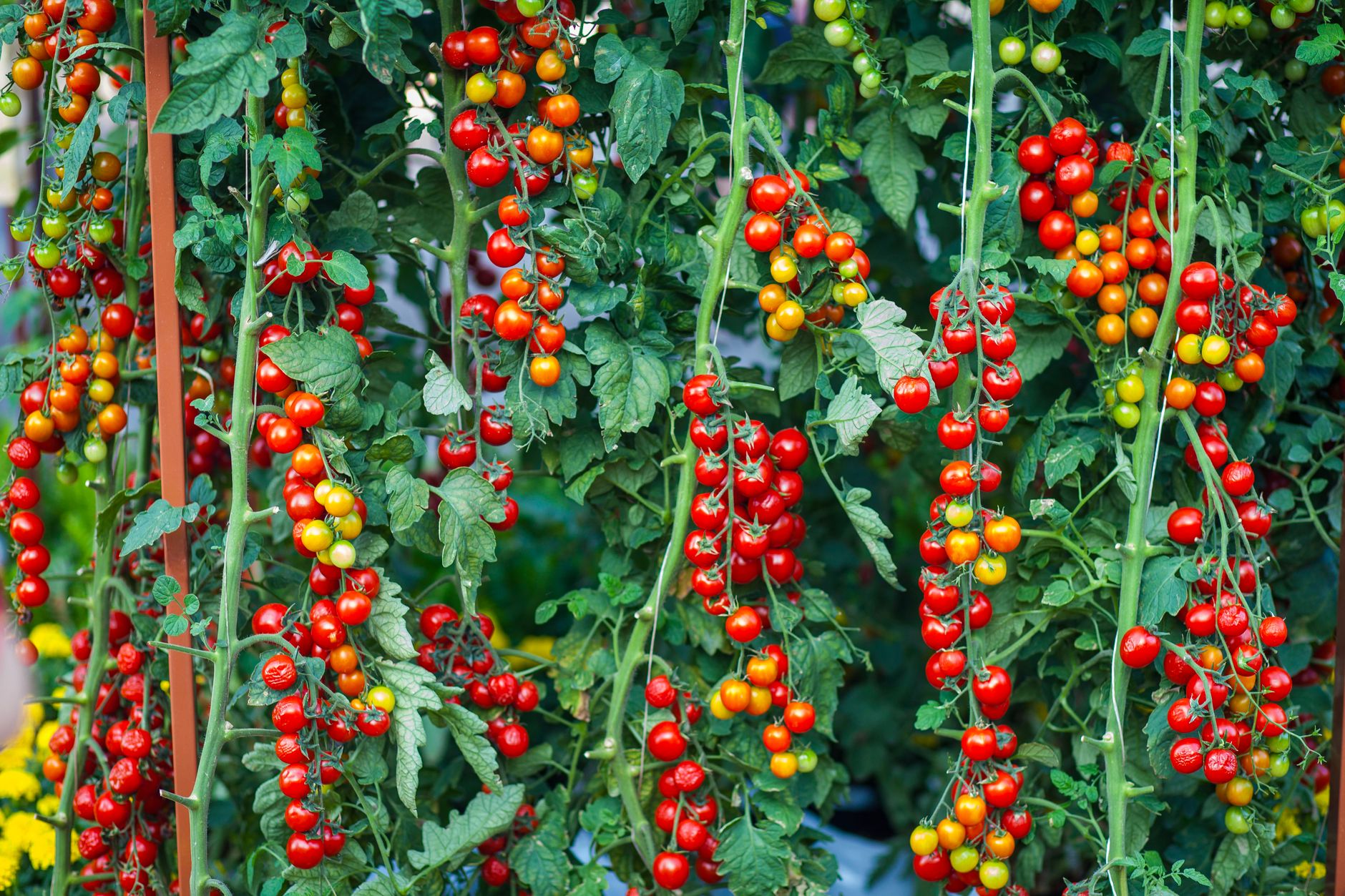
Learn what to plant after tomatoes to avoid disease and improve soil. Rotate with legumes, root crops, and leafy greens for a healthier garden.
The year after tomatoes, plant crops that are not in the nightshade family (Solanaceae) and that can help restore soil health. This means avoiding potatoes, peppers, and eggplants, and instead choosing legumes, root vegetables, and leafy greens. Rotating away from tomatoes reduces the buildup of soil-borne diseases like early blight and nematodes, and different root structures and nutrient needs help balance the soil.
Why Rotate After Tomatoes?
Tomatoes are heavy feeders, drawing down nitrogen and other nutrients. They also leave behind pathogens that can survive in the soil for years. Rotating to other plant families breaks the disease cycle and allows the so
 il to recover. For example, legumes fix nitrogen, while deep-rooted crops like carrots break up compacted soil.
Best Crops to Plant After Tomatoes
Choose crops from the following families:
- Legumes (Fabaceae): Beans, peas, and lentils. They add nitrogen back into the soil.
- Root vegetables (Apiaceae, Brassicaceae, etc.): Carrots, beets, turnips, radishes. They have different root depths and don’t compete with the same nutrients.
- Leafy greens (Asteraceae, Chenopodiaceae): Lettuce, spinach, Swiss chard. They are light feeders and grow quickly.
- Alliums (Amaryllidaceae): Onions, garlic, leeks. They deter some pests and have shallow roots.
Avoid planting any other nightshades (potatoes, peppers, eggplants) in that spot for at least 2 to 3 years.
Planting by Zone: When to Sow
Timing depends on your USDA zone and whether you plant in spring or fall. Here are general guidelines for a fall crop after a summer tomato harvest, or for the following spring.
| Crop | Spring Planting (Zones 3-6) | Spring Planting (Zones 7-10) | Fall Planting (Zones 7-10) |
|---|---|---|---|
| Green beans | After last frost (April-May) | Feb-Mar | Aug-Sep |
| Carrots | 2-4 weeks before last frost | Jan-Mar | Aug-Oct |
| Lettuce | 4-6 weeks before last frost | Jan-Mar | Sep-Oct |
| Garlic (for next year) | N/A (plant in fall) | N/A (plant in fall) | Oct-Nov |
For zones 3-6, you can also plant a quick cover crop like winter rye in late summer to protect soil over winter.
Soil Preparation and Amendments
After removing tomato plants, test your soil pH (aim for 6.0-6.8). Add compost or aged manure at a rate of 1 to 2 inches over the bed. If you’re planting legumes, avoid high-nitrogen fertilizers, as they will reduce nitrogen fixation. For root crops, ensure the soil is loose to a depth of 10-12 inches; use a garden fork to loosen if needed.
Specific Varieties to Consider
- Green beans: ‘Provider’ (bush, 50 days), ‘Blue Lake 274’ (pole, 60 days).
- Carrots: ‘Nantes’ (sweet, 70 days), ‘Danvers’ (good for heavy soil, 75 days).
- Lettuce: ‘Black Seeded Simpson’ (leaf, 45 days), ‘Romaine’ (head, 70 days).
- Garlic: ‘Hardneck’ varieties like ‘Music’ or ‘German Extra Hardy’ for cold zones; ‘Softneck’ like ‘California Early’ for mild zones.
Cover Crops: An Alternative
If you don’t need to harvest immediately, plant a cover crop like crimson clover or winter rye. These improve soil structure, suppress weeds, and add organic matter. Sow in late summer or early fall. In spring, mow and till under before planting.
Common Mistakes to Avoid
- Planting tomatoes again too soon: Wait at least 2 years, ideally 3.
- Using fresh manure: It can burn roots and introduce pathogens. Use composted manure.
- Over-fertilizing: Too much nitrogen can lead to lush foliage but poor root or fruit development.
FAQ
Can I plant peppers after tomatoes? No. Peppers are in the same nightshade family and share diseases like verticillium wilt. Rotate to a different family.
How long should I wait before planting tomatoes again? Wait at least 2 years, ideally 3, to reduce disease pressure.
Do I need to remove all tomato roots? Yes, remove as much root material as possible to reduce disease inoculum. Compost only if your pile gets hot (140°F).
Can I plant a fall crop right after pulling tomatoes? Yes, in zones 7-10 you can sow quick crops like lettuce or radishes in August-September. In cooler zones, consider a cover crop.
The Bottom Line
The year after tomatoes, focus on legumes, root crops, and leafy greens. This rotation prevents disease and improves soil. Test your soil, add compost, and choose varieties suited to your zone. With a little planning, you’ll keep your garden productive and healthy for years to come.