How to plant companion plants for tomatoes
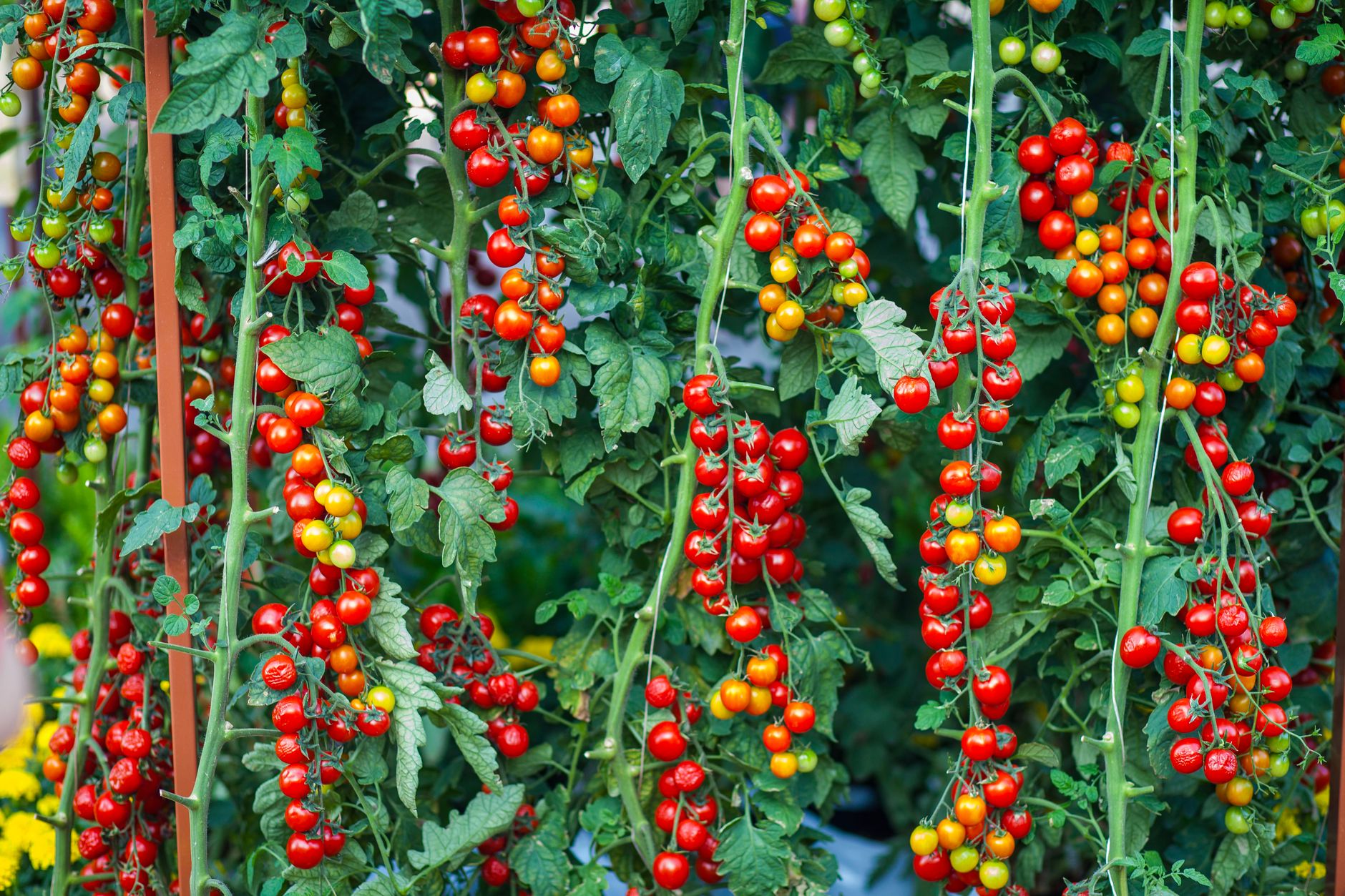
Learn which companion plants boost tomato growth, deter pests, and improve flavor. Get planting dates, spacing, and varieties for 2026.
Planting companions with tomatoes is a simple way to improve growth, deter pests, and make the most of your garden space. Start by choosing plants that share similar sun and water needs, and plant them at the right time. This guide gives you specific companions, planting dates, and spacing for US zones.
Why Companion Planting Works
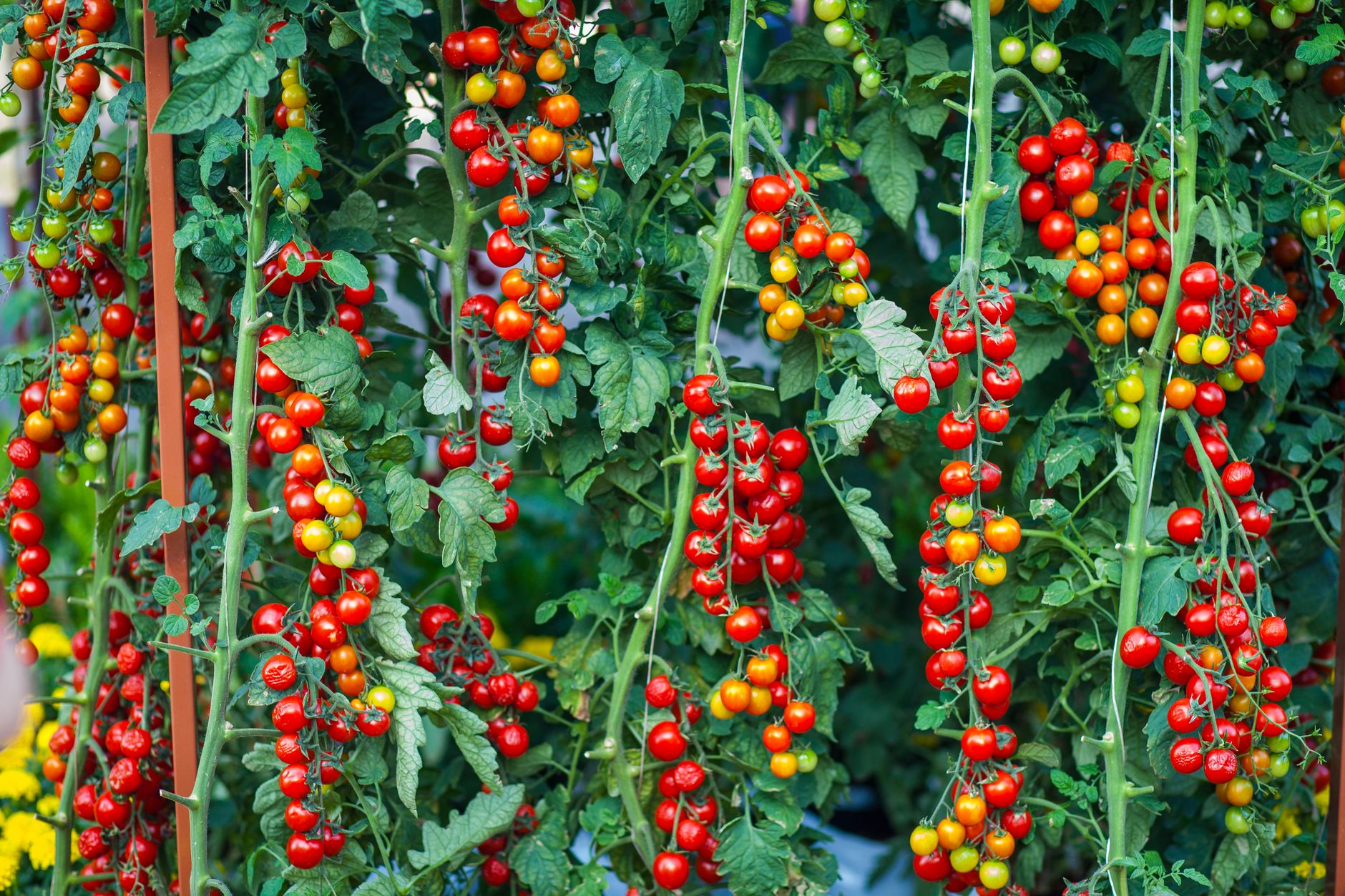
Companion planting pairs plants that help each other. Some companions repel pests, others attract beneficial insects, and some improve soil nutrient
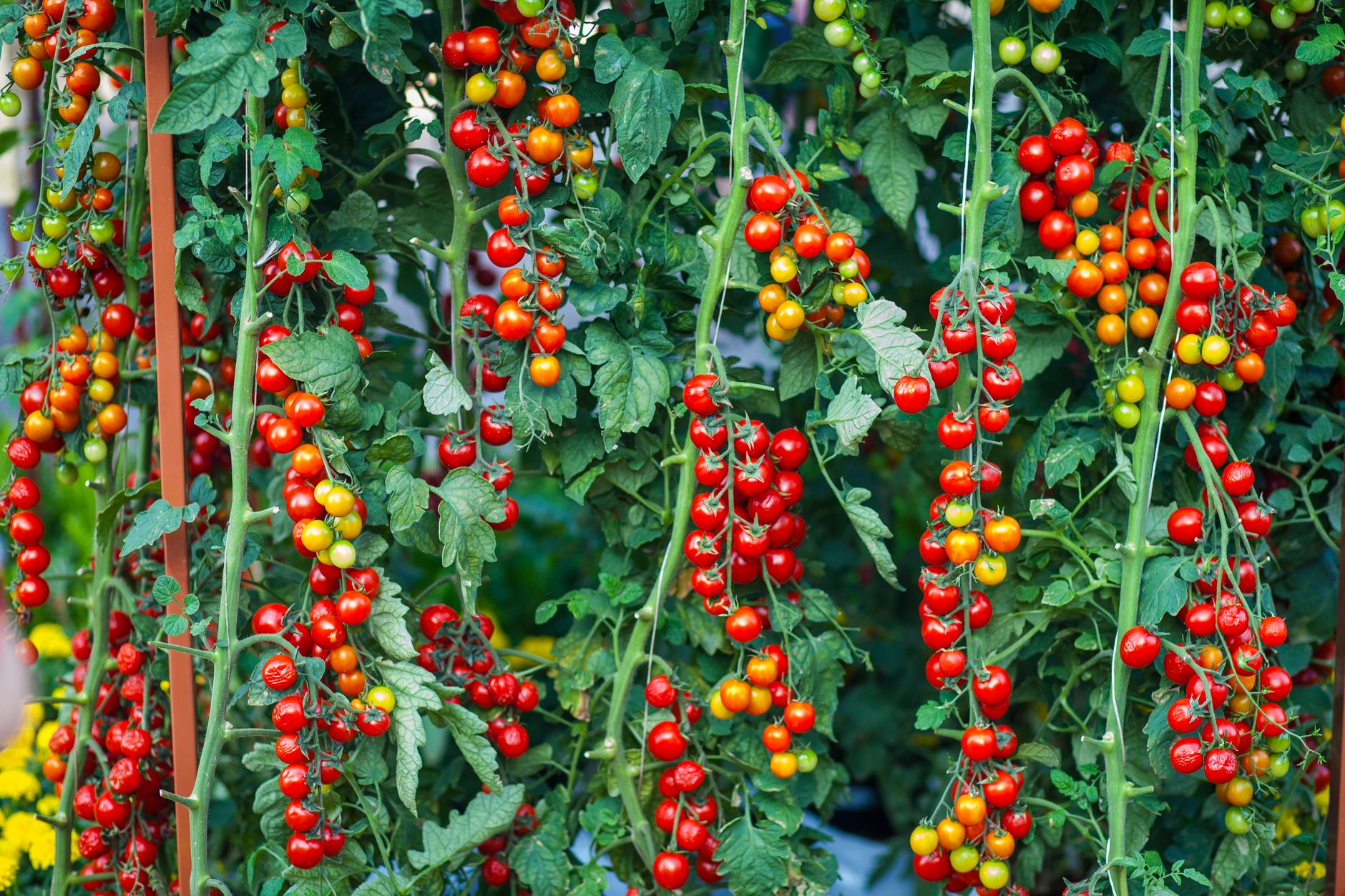 s. For tomatoes, the best companions are those that do not compete for the same resources and that offer a clear benefit.
Best Companion Plants for Tomatoes
Basil
Basil is the classic tomato companion. It repels thrips, flies, and mosquitoes, and many gardeners say it improves tomato flavor. Plant basil 12 inches from tomato stems. It grows well in the same warm, sunny conditions.
Marigolds
French marigolds (Tagetes patula) deter nematodes and whiteflies. Their roots release a compound that is toxic to nematodes. Plant them 12 inches apart around the tomato bed. Use varieties like ‘Petite Gold’ or ‘Bonanza’.
Borage
Borage attracts pollinators and predatory wasps, and it adds trace minerals to the soil. It also deters tomato hornworms. Plant borage 18 inches from tomatoes. Its blue flowers are a bonus.
Carrots
Carrots loosen the soil and do not compete heavily with tomatoes. They also attract beneficial insects. Plant carrot seeds 2 inches apart in rows 12 inches from tomato plants. Harvest them before they get too large.
Onions and Garlic
Alliums repel aphids, spider mites, and other pests. Plant onion sets or garlic cloves 6 inches apart in a border around the tomato bed. They do not need much space and are easy to tuck in.
Parsley
Parsley attracts hoverflies, which eat aphids. It also does well in partial shade, so it can fill the lower area under tomato plants. Plant parsley 8 inches from the base.
Nasturtiums
Nasturtiums act as a trap crop for aphids, drawing them away from tomatoes. They also repel whiteflies. Plant them 12 inches from tomatoes. They will get some aphids, but that is fine; they are sacrificial.
Plants to Avoid Near Tomatoes
Do not plant these near tomatoes: fennel, which inhibits growth; brassicas (cabbage, broccoli), which compete for nutrients; and potatoes, which share blight and can spread it. Also avoid corn, which attracts tomato fruit worms, and dill, which can stunt tomato growth when mature.
How to Plant Companions: Step by Step
- Choose your companions: Pick 3 or 4 from the list above. Basil and marigolds are the easiest for beginners.
- Prepare the soil: Tomatoes need well-drained soil with a pH of 6.0 to 6.8. Add compost before planting.
- Plant tomatoes first: Set tomato transplants 18 to 24 inches apart, in rows 36 inches apart. Plant them deep, burying the stem up to the first true leaves.
- Plant companions after: Once tomatoes are in, plant companions around them. For basil and marigolds, use transplants or seeds. For carrots and onions, sow seeds directly.
- Water and mulch: Water all plants at the base. Mulch with straw or shredded leaves to retain moisture and suppress weeds.
- Maintain: Pinch off basil flowers to keep leaves flavorful. Remove spent marigold blooms to encourage more flowers.
Planting Dates by Zone
Tomatoes are warm-season crops. Plant them after the last frost date. Companions should go in at the same time or just after.
| USDA Zone | Last Frost Date | Tomato Planting Window | Companion Planting Window |
|---|---|---|---|
| 3-4 | May 15-30 | May 20 - June 10 | Same as tomatoes |
| 5-6 | April 15 - May 15 | April 20 - May 20 | Same as tomatoes |
| 7-8 | March 15 - April 15 | March 20 - April 20 | Same as tomatoes |
| 9-10 | February 1 - March 1 | February 10 - March 10 | Same as tomatoes |
If you start seeds indoors, sow basil and marigolds 6 weeks before the last frost. Carrots and onions can be direct sown 2 to 4 weeks before the last frost, but they will be fine if planted with tomatoes.
Realistic Yields and Costs
Companion plants do not dramatically increase tomato yield, but they can improve plant health and reduce pest damage. Expect a 10 to 20% reduction in pest issues when using companions like marigolds and basil. Tomato yield is typically 10 to 20 pounds per plant, depending on variety and care.
Costs: A pack of basil seeds costs $2 to $4. Marigold seeds are $2 to $3. Onion sets are $5 to $8 per pound. Borage seeds are $3 to $5. Total cost for companions for a 10-plant tomato bed is about $10 to $15.
Tools You Need
You do not need special tools. A trowel ($10 to $20), garden gloves ($8 to $15), and a watering can or hose with a gentle spray nozzle ($15 to $30) are enough. For direct sowing, a hand seeder or just your fingers works.
FAQ
Can I plant companion plants in containers with tomatoes?
Yes. Use a container at least 18 inches deep and 24 inches wide. Plant one tomato and two to three basil or marigold plants around the edge. Ensure good drainage and water more often.
How close should companions be to tomatoes?
Keep companions 6 to 18 inches from the tomato stem. Too close may cause root competition. Basil and marigolds can be 12 inches away. Carrots can be 12 inches away. Onions can be 6 inches away.
Do companion plants really improve tomato flavor?
There is no scientific proof that basil changes flavor, but many gardeners report a subtle difference. The main benefits are pest deterrence and soil health, which can lead to healthier plants and better fruit.
Can I plant companions with tomatoes in a greenhouse?
Yes. In a greenhouse, use the same spacing and companions. Watch for humidity, which can encourage fungal diseases. Provide good ventilation and avoid overhead watering.
The Bottom Line
Plant basil, marigolds, borage, carrots, onions, parsley, or nasturtiums around your tomatoes to deter pests and improve growth. Avoid fennel, brassicas, potatoes, corn, and mature dill. Plant companions at the same time as tomatoes, spacing them 6 to 18 inches away. This simple step can reduce pest damage and make your garden more productive. Start with basil and marigolds for the easiest success.