How long do orange trees last
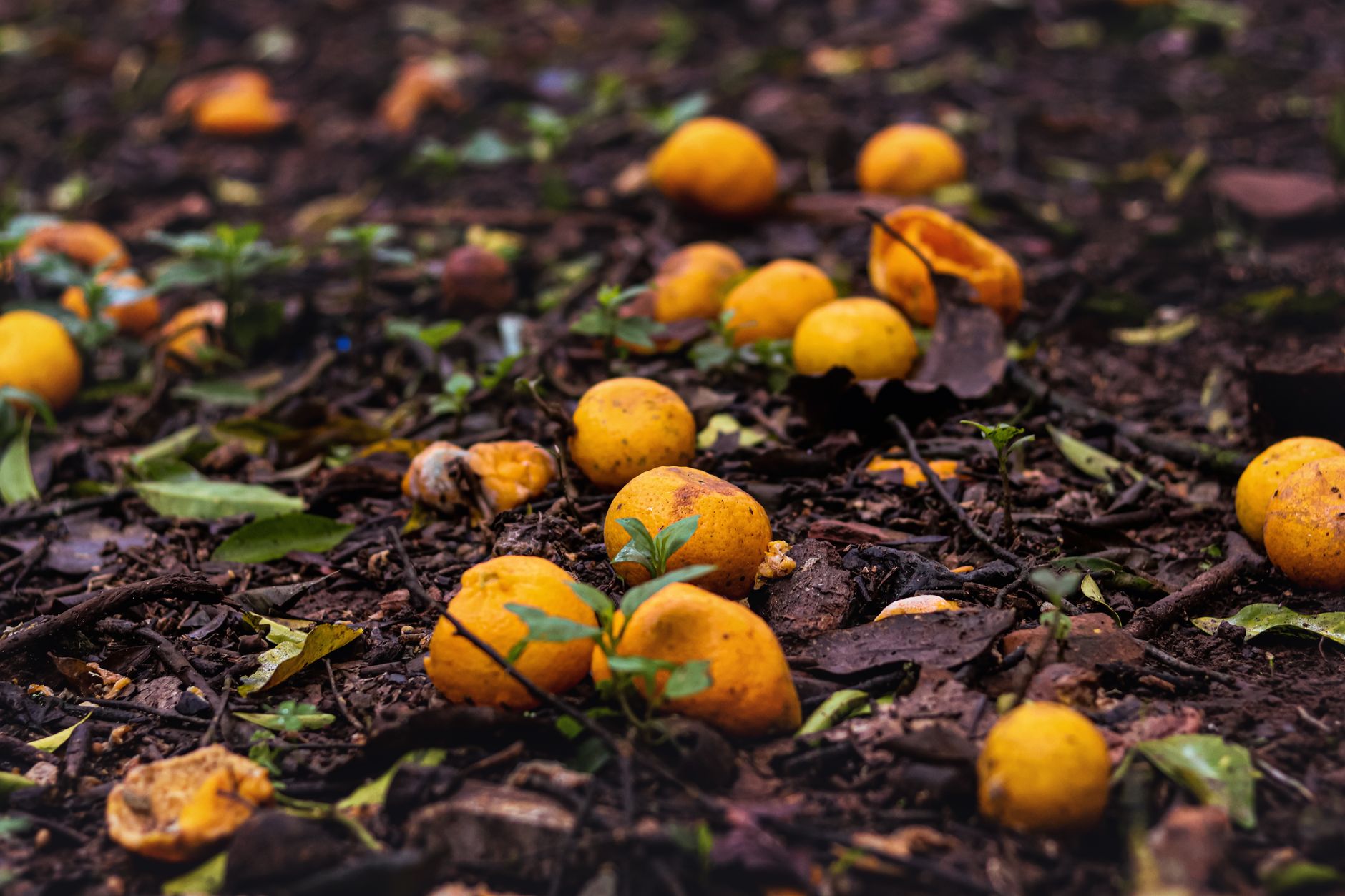
Orange trees can live 50+ years with proper care. Learn realistic lifespans, peak production years, and how to extend your tree's life in this guide.
Orange trees can live 50 years or more, with some reaching 100 years in ideal conditions. Most home orchards see productive lifespans of 30 to 50 years, after which fruit quality and yield decline. The key is matching variety to your climate and giving consistent care, especially in the first 10 years.
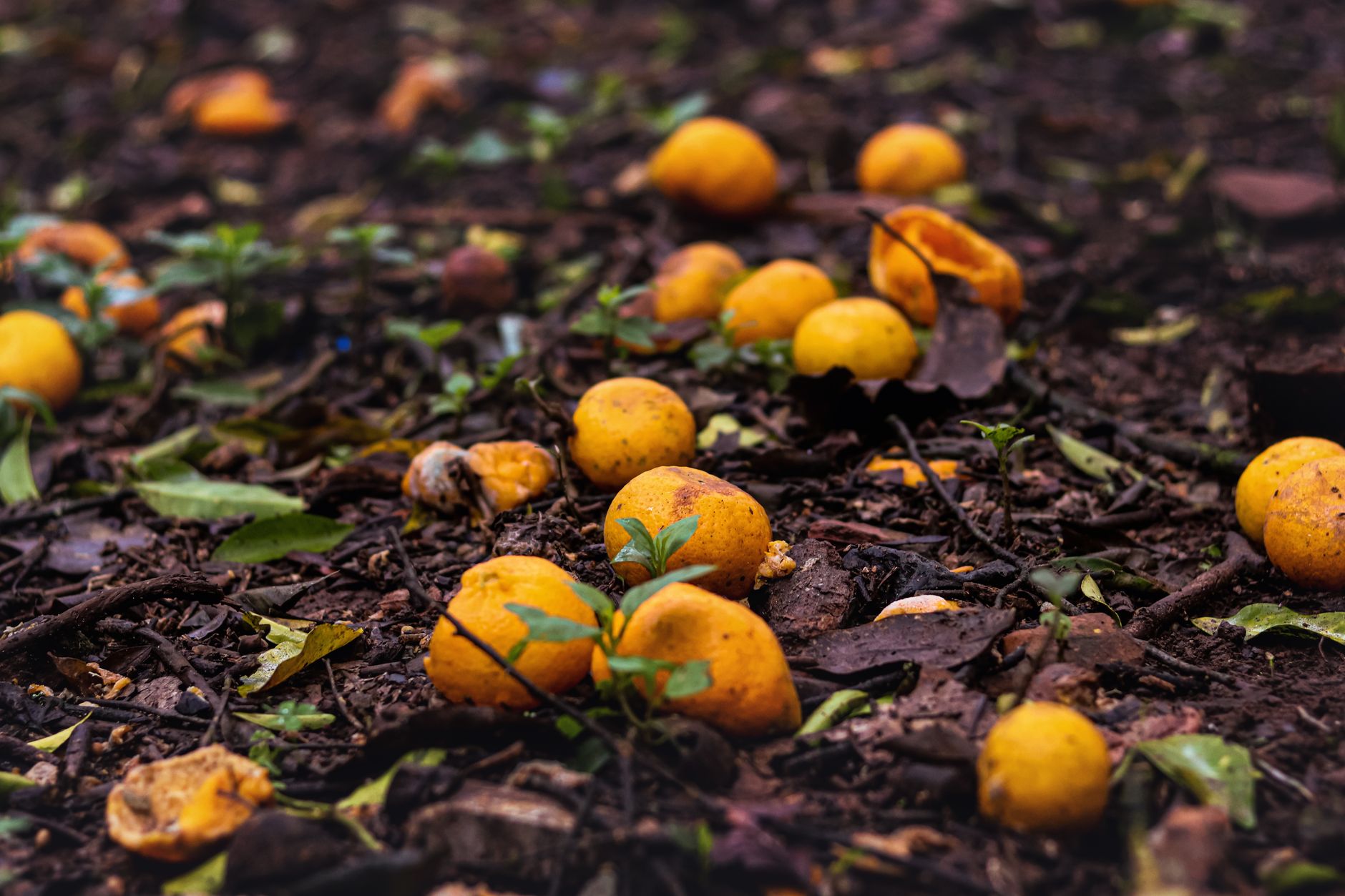
What Determines an Orange Tree’s Lifespan?
The biggest factors are rootstock, variety, climate, and disease pressure. Trees on vigorous rootstocks like ‘Swingle’ citrumelo or ‘C-35’ citrange tend to live longer than those on dwarfing rootstocks. In USDA zones 9 to 11, where temperatures rarely drop below 20°F, trees can live decades longer than in marginal zones with occasional freezes.
Disease is the other major killer. Citrus greening (HLB) has shortened the average lifespan of Florida trees to about 15 years, while Texas and California trees often live 50+ years. If you live in
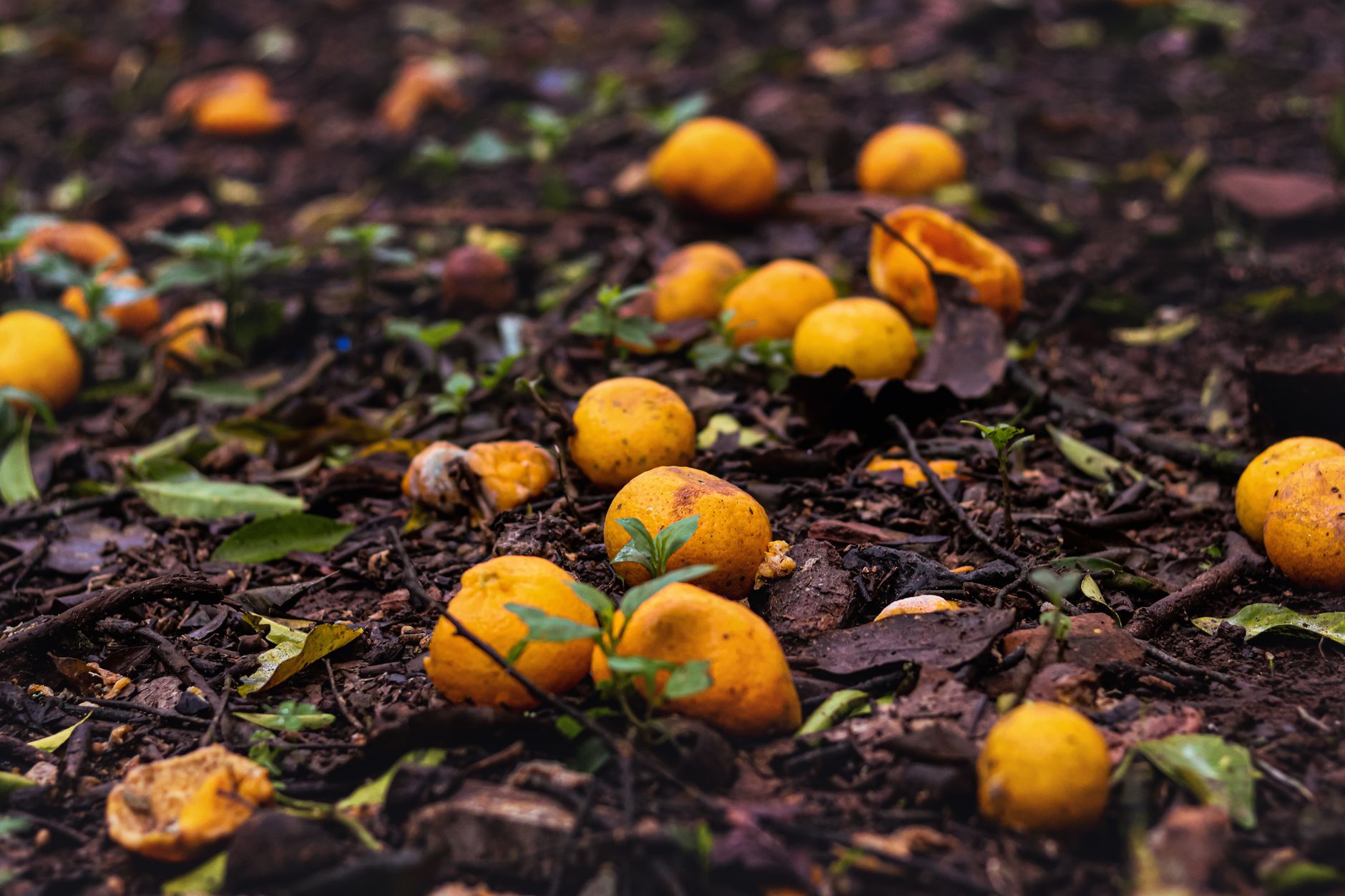 an HLB-affected area, plan for a shorter life and consider planting disease-tolerant varieties.
Typical Lifespan by Variety
| Variety | Average Lifespan | Peak Production | Notes |
|---|---|---|---|
| ‘Valencia’ | 50-80 years | Years 10-30 | Late-season fruit, vigorous |
| ‘Navel’ (Washington, Cara Cara) | 40-60 years | Years 8-25 | Seedless, best for fresh eating |
| ‘Meyer’ lemon (often grouped with oranges) | 30-50 years | Years 5-20 | Hardy to zone 8, but less long-lived |
| ‘Hamlin’ | 40-60 years | Years 8-25 | Early season, cold-hardy |
| Dwarf varieties (e.g., ‘Improved Meyer’ on dwarf rootstock) | 20-30 years | Years 5-15 | Shorter life due to rootstock |
These are realistic averages from commercial and home orchard data. A tree in perfect conditions may exceed these, but plan for the lower end to be safe.
Peak Production Years: When to Expect the Most Fruit
Most orange trees start bearing at 3 to 5 years old, but full production doesn’t kick in until year 8 to 10. You’ll get the heaviest crops between years 10 and 30 for standard trees. After 30, yields gradually drop, but fruit quality often remains good. Dwarf trees peak earlier, around years 5 to 15, and decline faster.
To maximize your tree’s productive years, prune lightly in the first 5 years to establish strong structure. Remove dead or crossing branches, but avoid heavy pruning that stresses the tree. Fertilize with a citrus-specific formula (like 6-4-6) three times a year: in February, May, and September. Use about 1 pound of fertilizer per year of tree age, up to 10 pounds per application.
How to Extend Your Orange Tree’s Life
1. Choose the Right Rootstock
If you’re planting new, ask your nursery for trees on ‘Swingle’ or ‘C-35’ rootstock. These are more resistant to root rot and nematodes. Avoid ‘Flying Dragon’ dwarfing rootstock if you want a long-lived tree; it cuts lifespan significantly.
2. Plant in Well-Drained Soil
Orange trees hate wet feet. Plant in sandy loam or amend heavy clay with compost. If drainage is poor, consider a raised bed or mound. Water deeply once a week during dry spells, but let the top 2 inches dry out between waterings.
3. Protect from Freezes
Even in zone 9, a hard freeze can set a tree back years. For young trees, wrap the trunk with insulation or use a frost cloth when temps drop below 30°F. For mature trees, water the soil before a freeze to retain heat. In marginal zones, plant on the south side of a building or slope.
4. Monitor for Pests and Diseases
Citrus greening is spread by the Asian citrus psyllid. Use sticky traps to monitor, and apply horticultural oil or neem oil if you see psyllids. Also watch for citrus canker, which causes lesions on leaves and fruit. Prune out infected branches and disinfect your tools with a 10% bleach solution.
5. Feed and Mulch
Mulch 2 to 3 inches deep around the drip line, but keep it away from the trunk to prevent rot. This conserves moisture and moderates soil temperature. Replenish mulch each spring.
Realistic Costs and Tools
- Orange tree (3-gallon pot): $30 to $50 at local nurseries; larger 5-gallon trees run $60 to $90.
- Citrus fertilizer (20-pound bag): $15 to $25.
- Frost cloth (6x8 feet): $10 to $20.
- Soil pH test kit: $10 to $15. Oranges prefer pH 6.0 to 7.0.
These prices are typical for 2026. You don’t need fancy tools; a pruning saw, loppers, and a watering can suffice.
When to Replace Your Tree
If your tree is over 30 years old and produces less than half its former yield, or if it shows severe dieback, it may be time to replace. Also consider replacement if you’re in an HLB area and the tree tests positive. Young trees establish faster than trying to revive an old one.
FAQ
Q: Can an orange tree live 100 years?
Yes, some do, especially in Mediterranean climates with no HLB. The oldest known orange tree in Europe is over 200 years old. But for home growers, expect 50 to 80 years with good care.
Q: How long does a dwarf orange tree live?
Dwarf trees on rootstocks like ‘Flying Dragon’ typically live 20 to 30 years. They’re easier to manage but have shorter lifespans than standard trees.
Q: What’s the first sign my orange tree is aging?
Declining fruit production, smaller leaves, and more dead wood in the canopy. You may also see fewer new shoots in spring.
Q: Can I extend my tree’s life with pruning?
Light pruning helps, but heavy pruning can shorten life. Remove dead wood and open the center to sunlight, but never remove more than 20% of live wood in a year.
The Bottom Line
Orange trees are a long-term investment. With proper siting, care, and disease prevention, you can expect 30 to 50 productive years, and often more. Choose a vigorous rootstock, plant in well-drained soil, and stay on top of pests. If you’re in an HLB area, plan for a shorter life and consider replanting every 15 to 20 years. Your tree will reward you with decades of fruit if you give it the basics.