How long do lime trees live
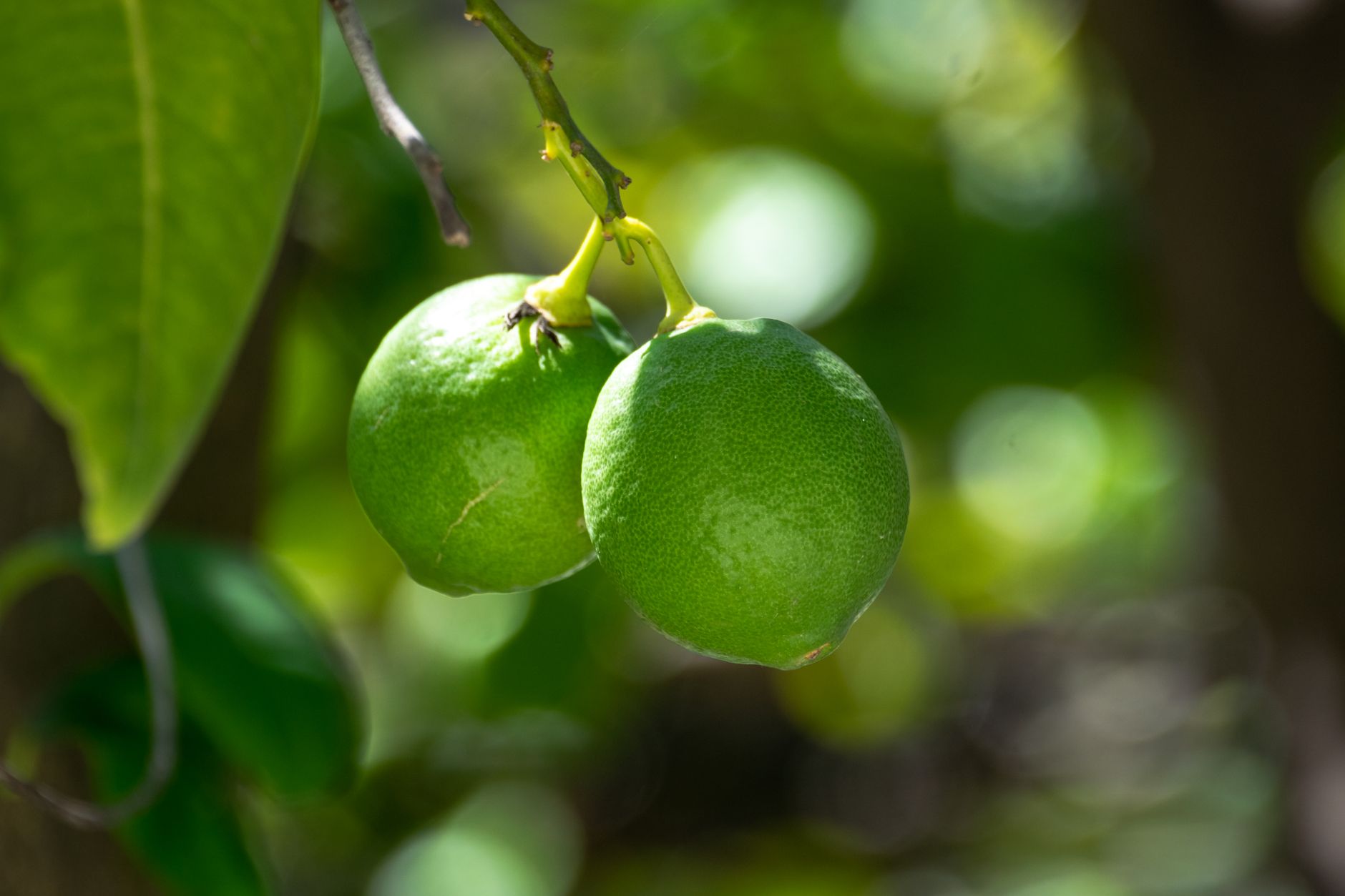
Lime trees live 30-50 years on average, but with proper care, some reach 100+. Learn how to extend their lifespan, key factors, and varieties.
Most lime trees live 30 to 50 years in a home orchard, but with excellent care and the right climate, they can push past 100 years. The key is matching the right variety to your conditions and avoiding the common mistakes that shorten their lives, like overwatering and poor drainage. Here is what you need to know to get the most decades out of your lime tree.
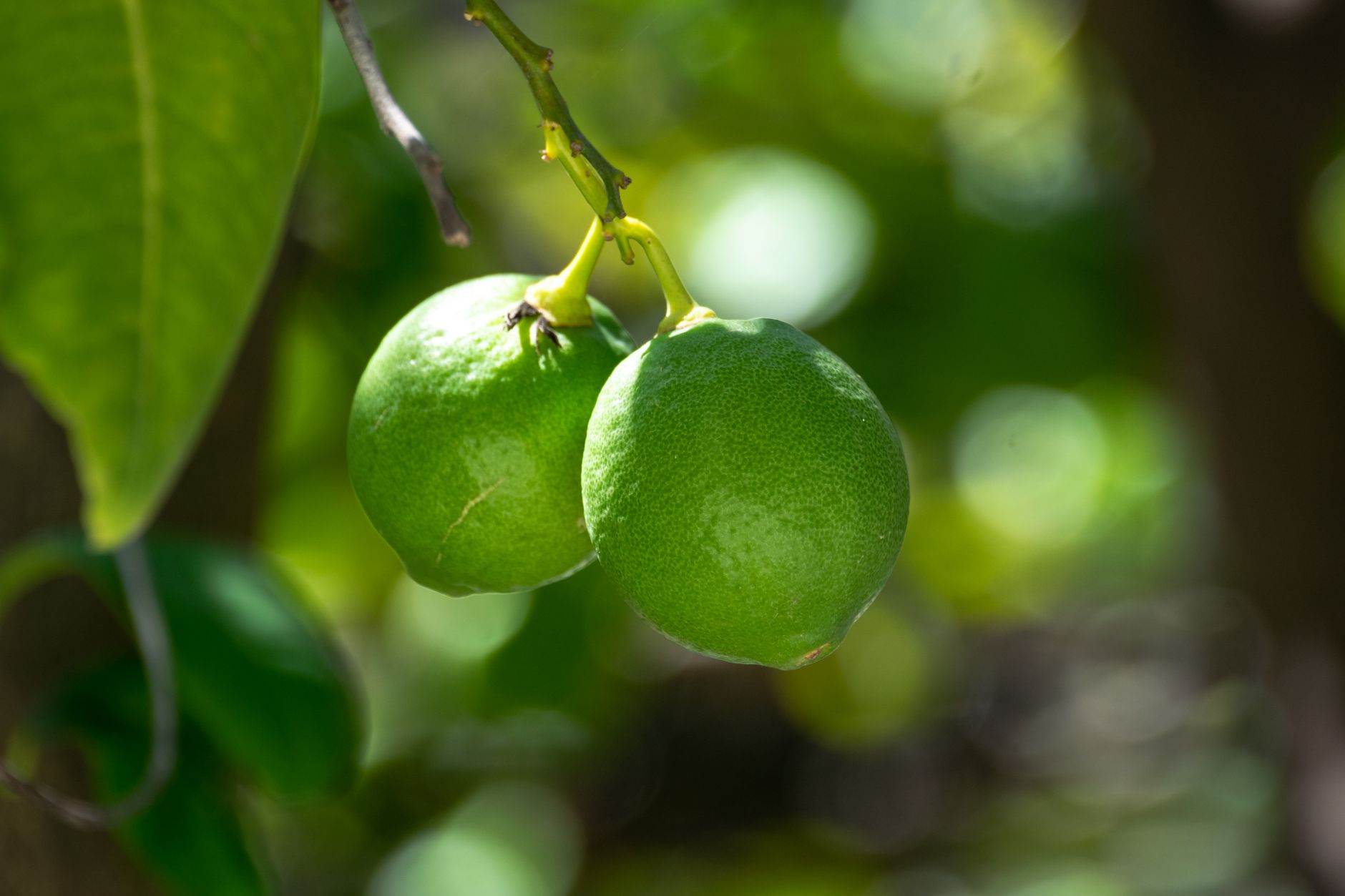
Average Lifespan by Variety
Lime trees are not all created equal when it comes to longevity. Some are more vigorous and disease-resistant than others. Here is a realistic breakdown for the most common types:
| Variety | Average Lifespan | Notes |
|---|---|---|
| Key Lime (Mexican) | 30-50 years | Shorter-lived, more sensitive to cold and root rot. |
| Persian (Tahiti) Lime | 40-60 years | Hardier, more vigorous, commonly grown in California and Florida. |
| Kaffir Lime | 30-50 years | Grown for leaves and fruit, similar to Key Lime. |
| Finger Lime | 20-40 years | Australian native, less long-lived in non-native climates. |
| Rangpur Lime | 50-70 years | Actually a mandarin hybrid, very hardy and long-lived. |
These are averages. In ideal conditions, a Persian lime can li
 ve 75 years or more. In poor soil or with heavy pest pressure, it might only make it to 20.
Factors That Shorten or Extend Life
Climate and Hardiness
Limes are tropical and subtropical. They cannot tolerate freezing temperatures. A hard freeze (below 28°F) can kill a mature tree outright, while repeated frosts weaken it and invite disease. If you live in USDA zones 9-11, you can plant in the ground. In zones 8 and colder, you must grow in a pot and move it indoors for winter. That constant moving and indoor stress often cuts a tree’s life to 10-20 years, simply because it never gets the consistent conditions it needs.
Soil and Drainage
The number one killer of lime trees is root rot from poor drainage. Limes hate wet feet. If your soil stays soggy after rain, the roots will suffocate and rot within a few years. Plant in well-draining soil, or use a raised bed. If you are in a pot, use a citrus-specific mix with perlite or pumice, and ensure the pot has plenty of drainage holes.
Watering and Fertilizing
Overwatering is just as deadly as poor drainage. Water deeply but infrequently: let the top 2-3 inches of soil dry out before watering again. Underwatering also stresses the tree, making it susceptible to pests. Fertilize with a balanced citrus fertilizer (like 6-4-6) three times a year: in early spring, early summer, and late summer. Use about 1 pound per year of tree age, up to 10 pounds. Over-fertilizing can burn roots and shorten life.
Pests and Diseases
Citrus greening (HLB) is a bacterial disease spread by the Asian citrus psyllid. It is fatal and has no cure. It has devastated Florida’s citrus industry. If you live in a region with HLB, your tree may only live 5-10 years. Buy certified disease-free trees from reputable nurseries, and monitor for the psyllid. Other pests like scale, aphids, and spider mites weaken the tree over time. Treat them early with horticultural oil or insecticidal soap.
How to Extend Your Lime Tree’s Life
Here are practical steps you can take this week to give your tree the best shot at a long life:
- Check your drainage. Dig a 12-inch hole near the tree, fill it with water, and see how long it takes to drain. If it takes more than 2 hours, you need to improve drainage or move the tree.
- Mulch, but not too much. Apply a 2-3 inch layer of organic mulch around the base, but keep it 6 inches away from the trunk. This conserves moisture and moderates soil temperature.
- Prune for structure. Remove dead, crossing, or low-hanging branches in late winter. This improves air circulation and reduces disease pressure. Use clean, sharp bypass pruners ($20-$40) and sterilize them with rubbing alcohol between cuts.
- Protect from frost. If a freeze is forecast, cover the tree with a frost cloth or blanket. For potted trees, move them to a garage or indoors. A string of Christmas lights under the cover can add a few degrees of heat.
- Feed regularly. Mark your calendar for March, June, and September. Use a slow-release citrus fertilizer. A 20-pound bag costs about $15-$25 and lasts a year for a small tree.
- Inspect weekly. Spend 5 minutes a week looking at the leaves and stems for pests or signs of disease. Early intervention is the difference between a minor issue and a dead tree.
Realistic Yields and Costs
A mature lime tree (5-10 years old) can produce 50-100 pounds of fruit per year in ideal conditions. But don’t expect that in the first few years. A 2-year-old tree might give you 10-20 limes. A 5-year-old tree might give 30-50. Prices for a grafted lime tree range from $40 to $60 at a nursery. That is a small investment for decades of fruit.
FAQ
Can a lime tree live 100 years? Yes, but it is rare. In ideal subtropical climates with excellent soil and no disease pressure, some Persian lime trees have been known to live over a century. However, for most home growers, 30-50 years is a more realistic expectation.
Do lime trees die after fruiting? No. Unlike some plants that are monocarpic (die after flowering), lime trees can fruit every year for decades. They do not die after fruiting.
How long do potted lime trees live? Potted lime trees typically live 10-20 years. The confined root space and the stress of moving indoors in winter reduce their lifespan. To maximize longevity, repot every 2-3 years into a slightly larger pot, and use a well-draining mix.
What is the oldest lime tree on record? The oldest known lime tree is a ‘Borneo’ lime in the Philippines, estimated to be over 100 years old. But that is an exception, not the norm.
The Bottom Line
A lime tree is a long-term commitment. With proper site selection, good drainage, and consistent care, you can expect 30-50 years of fruit from a Persian lime, and maybe even longer. The most common mistakes that shorten a lime tree’s life are overwatering, poor drainage, and cold damage. Avoid those, and your tree will likely outlive your garden plans. If you are in a colder zone, be prepared for a shorter life in a pot, or consider growing a hardier variety like Rangpur. Start with a healthy, disease-free tree from a reputable nursery, and you are on your way to decades of fresh limes.