How long do citrus trees live
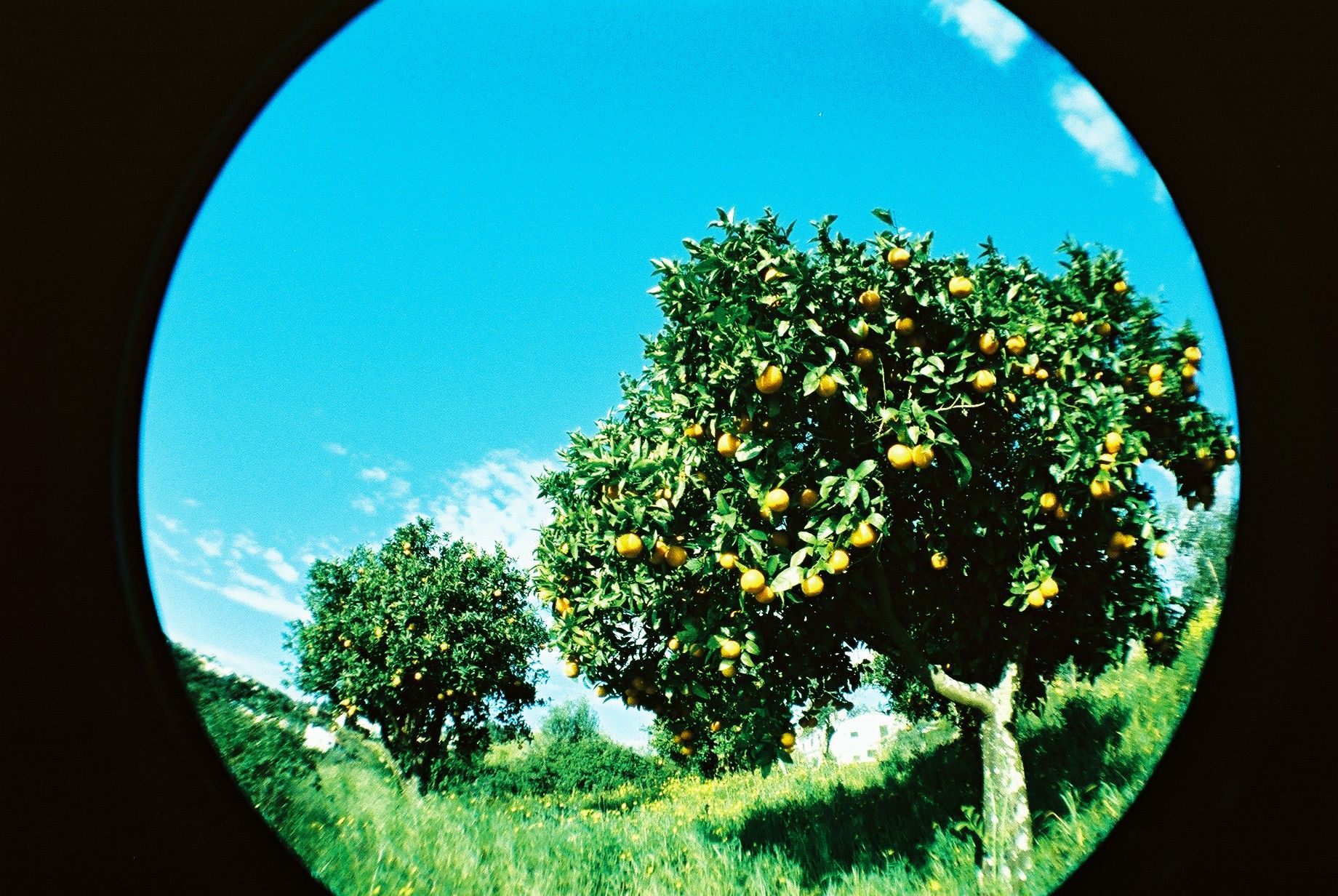
Citrus trees live 50 to 150 years with proper care. Learn lifespan by variety, key longevity factors, and practical steps to keep your tree productive for decades.
Citrus trees live 50 to 150 years, depending on the variety, rootstock, and care. A well-maintained tree can produce fruit for decades, but neglect or disease can cut that short. Here is what you need to know to get the most years out of your citrus.
Lifespan by Citrus Type
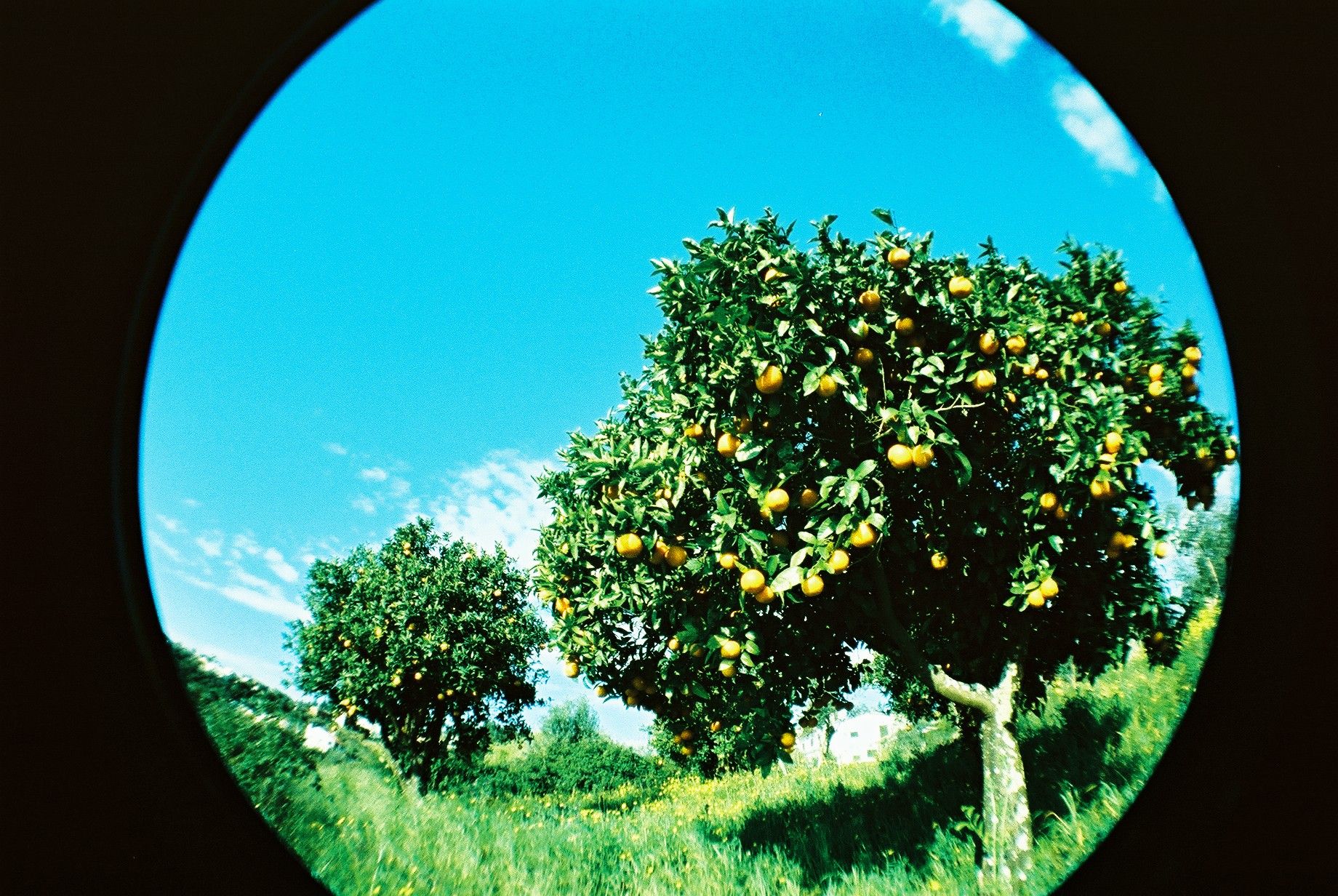
Citrus trees are long-lived, but some types outlast others. Here are realistic ranges for common varieties in the ground, assuming good care and no major disease or freeze damage.
| Citrus Type | Average Lifespan | Peak Production Years | Notes |
|---|---|---|---|
| Lemon (e.g., Eureka, Lisbon) | 50-100 years | 10-25 | Hardy, vigorous; can live longer in mild climates. |
| Orange (e.g., Valencia, Washington Navel) | 50-100 years | 15-30 | Valencia is longer-lived than navel types. |
| Grapefruit (e.g., Ruby Red, Marsh) | 50-75 years | 15-25 | Sensitive to cold; lifespan can drop in harsh zones. |
| Mandarin (e.g., Satsuma, Clementine) | 40-80 years | 10-20 | Often shorter-lived, but still a good long-term tree. |
| Lime (e.g., Key, Persian) | 30-60 years | 10-20 | More frost-tender; often replaced after severe freezes. |
| Kumquat (e.g., Nagami, Meiwa) | 50-100 years | 15-30 | Very hardy for citrus; can live long with minimal fuss. |
These ranges assume USDA zones 8-10 for most citrus, with kumquats and some mandarins hardy to zone 7 with protection. In colder zones, container-grown tre
 es may live 30-50 years if you move them indoors, but they often decline earlier due to stress.
What Shortens a Citrus Tree’s Life?
The biggest killers are not old age but preventable issues. Here are the top culprits and how to avoid them:
- Poor drainage: Citrus roots rot in soggy soil. Plant in well-draining soil or a raised bed. If you see yellowing leaves and mushy roots, act fast.
- Freeze damage: A hard freeze can kill a tree outright or weaken it for years. Choose the hardiest variety for your zone and protect young trees with frost cloth or lights.
- Disease: Citrus greening (HLB) is a serious threat, especially in Florida and Texas. There is no cure, so buy certified disease-free trees from reputable nurseries. Other diseases like root rot and canker can be managed with proper care.
- Pests: Citrus pests like aphids, scale, and leafminers stress trees. Regular monitoring and treatment with horticultural oil (about $10-$15 per bottle) keeps them in check.
- Nutrient deficiencies: Citrus are heavy feeders. A lack of nitrogen, zinc, or iron leads to poor growth and early decline. Use a balanced citrus fertilizer (like 6-4-6) three times a year.
How to Extend Your Citrus Tree’s Life
You can’t stop the clock, but you can slow it down. Here are practical steps you can take this week:
- Check your soil drainage: Dig a 12-inch hole, fill it with water, and time how long it takes to drain. It should drain within 24 hours. If not, improve drainage by adding organic matter or planting on a mound.
- Mulch, but not too much: Apply a 2-3 inch layer of wood chips or compost around the tree, keeping it a few inches away from the trunk. This conserves moisture and regulates soil temperature.
- Prune for health: Remove dead, diseased, or crossing branches in late winter. Use clean, sharp pruners (a good pair costs $20-$40). Sterilize them with rubbing alcohol between cuts if you see disease.
- Feed on schedule: In zones 9-10, fertilize in February, May, and August. In cooler zones, start after the last frost and stop by August to avoid new growth before winter. Use a citrus-specific fertilizer, about 1 pound per inch of trunk diameter.
- Water deeply, less often: Citrus roots need deep moisture. Water once a week, more in hot weather, less in winter. A soaker hose or drip system (around $30-$50 for a basic setup) helps.
- Protect from cold: If you live in zone 8 or colder, wrap the trunk with tree wrap and cover the canopy with frost cloth when temperatures drop below 32°F. A string of Christmas lights under the cloth adds heat.
Realistic Yields Over a Lifetime
A healthy mature citrus tree can produce a lot of fruit, but not every year is a bumper crop. Here is what to expect:
- Lemon: 100-200 pounds per year at peak, then declining slowly after 25 years.
- Orange: 150-300 pounds per year for a standard tree, less for dwarf.
- Grapefruit: 100-200 pounds per year, but it may skip a heavy crop every other year.
- Mandarin: 50-100 pounds per year, with a tendency toward alternate bearing.
Over a 50-year lifespan, a single tree can yield thousands of pounds of fruit. That is a worthwhile return on a $40-$60 sapling.
Frequently Asked Questions
Can a citrus tree live 200 years?
Some old trees in ideal climates have reached 150 years, but 200 is rare. Most trees decline after a century due to disease or environmental stress. The oldest known citrus trees are in Mediterranean regions, but they are exceptions.
Do dwarf citrus trees live as long as standard ones?
Dwarf trees, which are grafted onto rootstocks like Flying Dragon, often live 30-50 years, shorter than standards. The rootstock can limit lifespan, and container growing adds stress. If you want a long-lived tree, plant a standard in the ground.
What is the oldest citrus tree in the US?
The oldest citrus tree in the US is often cited as a ponderosa lemon in California, planted in the 1800s. It is still alive, proving that with care, citrus can outlive many generations.
Should I replace my 30-year-old citrus tree?
Not necessarily. If it still produces fruit and looks healthy, keep it. But if production has dropped significantly and the tree shows signs of disease, consider replacing it. A new tree will start producing in 3-5 years.
The Bottom Line
Citrus trees are a long-term investment. With proper care, you can expect 50 to 100 years of fruit from most varieties. Focus on soil, water, and pest control, and your tree will likely outlive you. If you are just planting, choose a hardy variety suited to your zone, plant it in well-draining soil, and start a care routine from day one. Your future self will thank you with every harvest.