How long before orange trees bear fruit
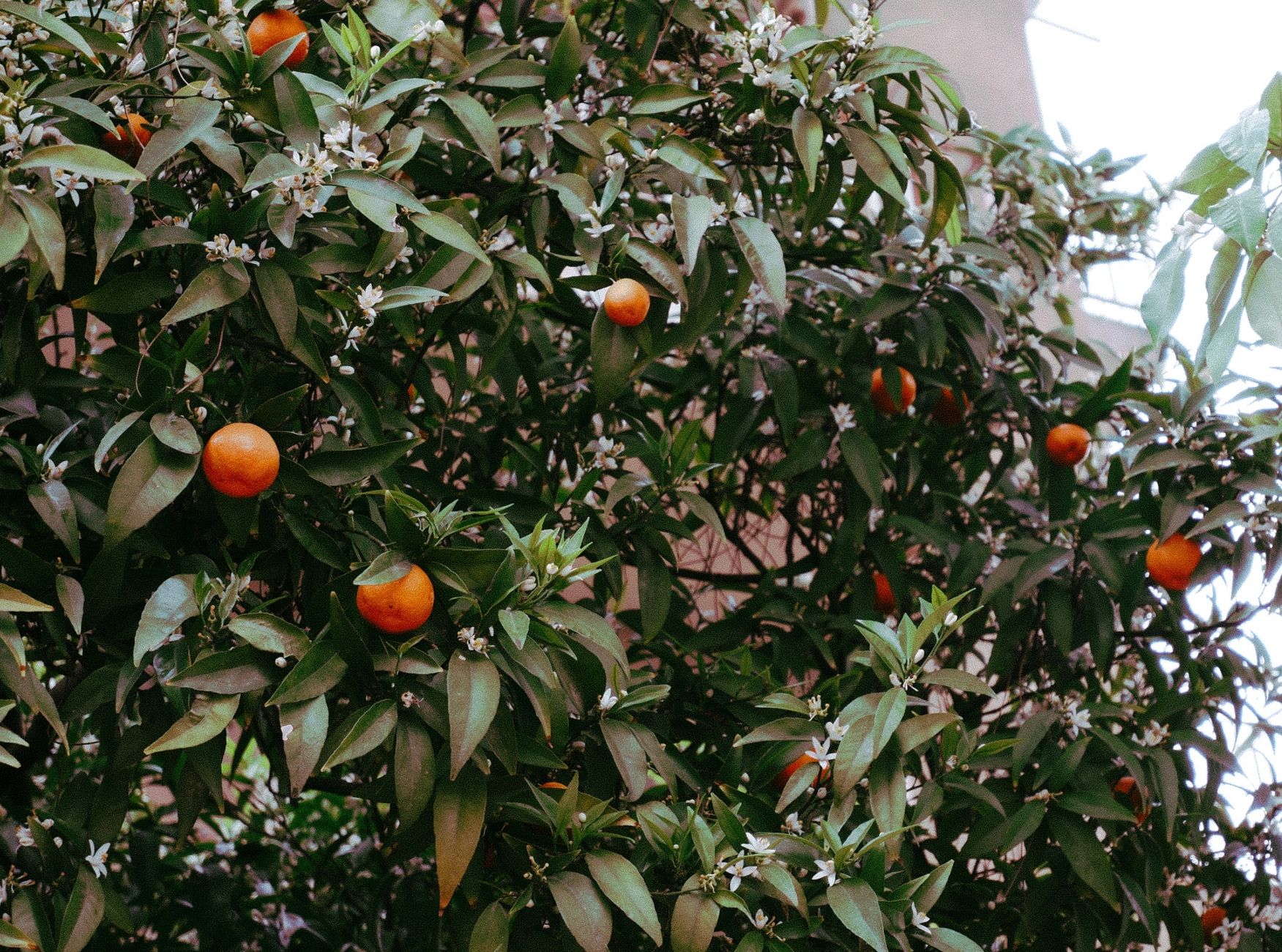
Orange trees take 3 to 6 years to bear fruit. Learn exact timelines by variety, growing conditions, and steps to speed up fruiting.
Orange trees typically take 3 to 6 years from planting to produce their first fruit, depending on the variety and whether you start from seed or a grafted tree. Grafted trees, which are what nurseries sell, usually bear in 3 to 4 years, while seed-grown trees can take 6 to 10 years or more. If you want oranges sooner, buy a grafted tree from a reputable nursery and give it full sun, well-drained soil, and consistent care.
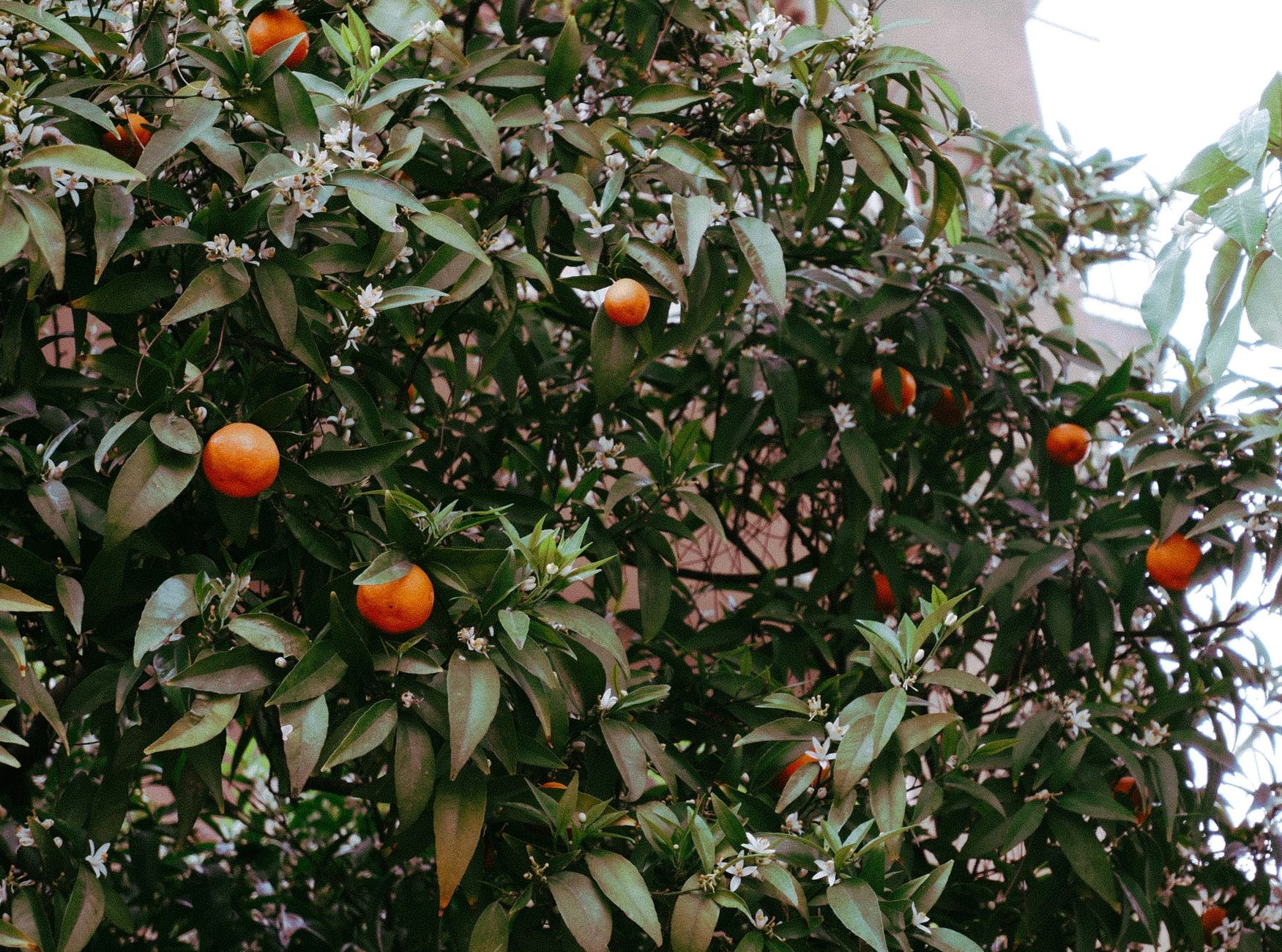
Why the timeline varies
The biggest factor is the rootstock and scion. Most commercial orange trees are grafted onto rootstocks like Trifoliate orange or Swingle citrumelo, which speed up maturity and improve cold hardiness. A grafted tree has already passed its juvenile stage, so it focuses on flowering and fruiting sooner. Seed-grown trees, on the other hand, go through a long juvenile phase where they grow vigorously but produce no fruit until they mature.
Climate also matters. Oranges need warm temperatures, ideally between 60°F and 85°F, and they stop growing below 50°F. In USDA zones 9 to 11, where most oranges are grown, trees can flower and fruit year-round, but the main crop ri
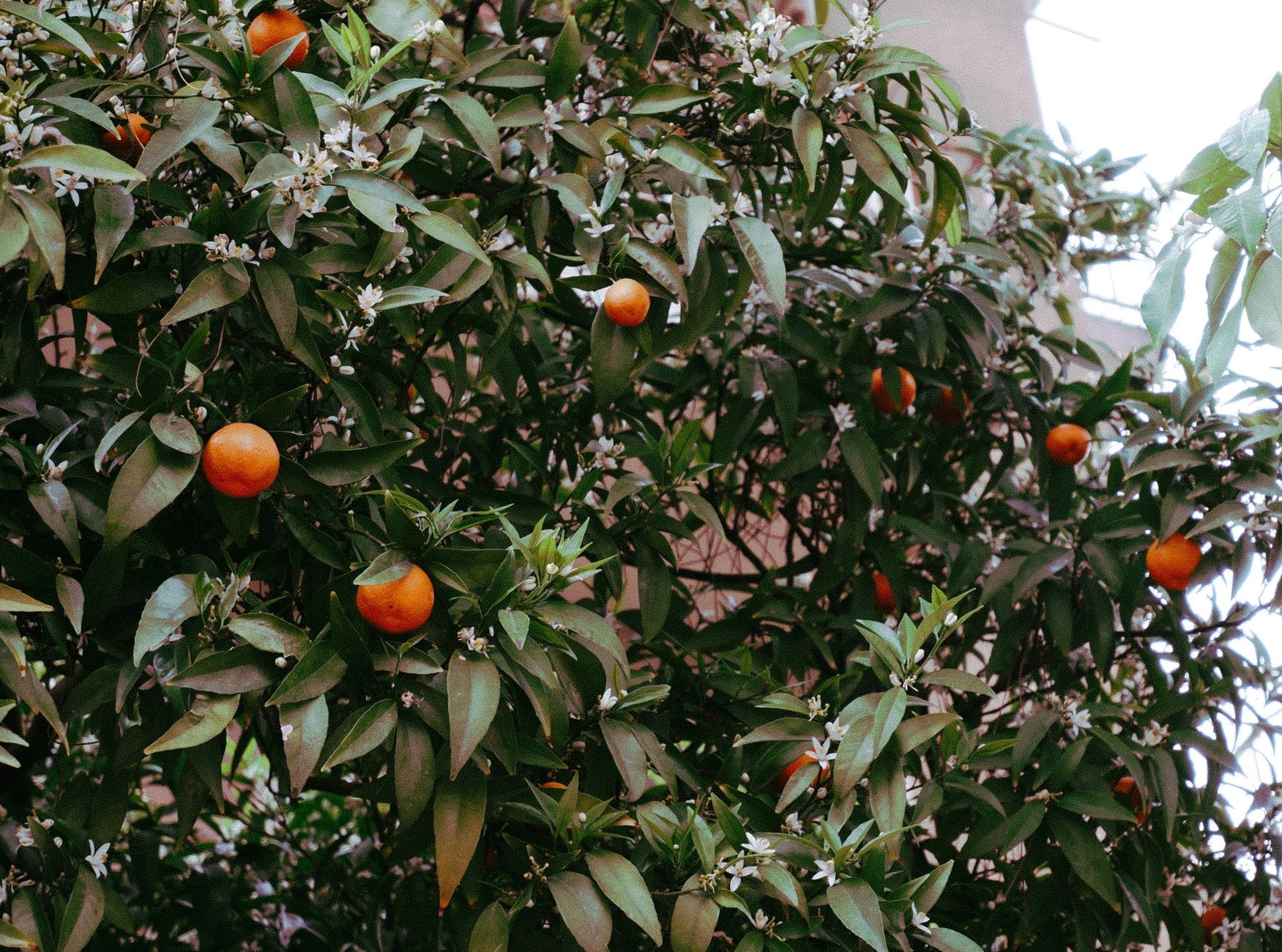 pens in winter. In cooler zones, like 8b or 9a, you may need to protect trees from frost, which can delay fruiting.
Typical timelines by variety
Here are realistic timelines for common orange varieties, assuming you plant a grafted tree in the ground in a suitable climate:
| Variety | Time to first fruit (grafted) | Notes |
|---|---|---|
| ‘Washington’ navel | 3 to 4 years | Best for eating fresh; seedless |
| ‘Valencia’ | 3 to 4 years | Late-season; great for juice |
| ‘Cara Cara’ | 3 to 5 years | Pink flesh; sweet, low acid |
| ‘Blood orange’ (e.g., ‘Moro’) | 4 to 5 years | Needs cooler nights for color |
| ‘Trovita’ | 3 to 4 years | Good for mild coastal areas |
| Seed-grown (any) | 6 to 10 years | Variable quality; not recommended |
If you grow in a container, add 1 to 2 years because roots are restricted and trees grow slower. Dwarf varieties, like ‘Dwarf Washington Navel’, may bear a year earlier, but they still need 3 to 4 years.
How to speed up fruiting
You cannot force a tree to bear fruit before it is ready, but you can avoid common mistakes that delay it. Here is what works:
- Buy a grafted tree from a nursery. Look for trees that are 1 to 2 years old with a visible graft union. Avoid seed-grown trees unless you are patient.
- Plant in full sun. Oranges need at least 8 hours of direct sunlight daily. Less sun means fewer flowers.
- Use well-drained soil. Oranges hate wet feet. If your soil is heavy clay, plant in a raised bed or mound. Soil pH should be 6.0 to 7.5.
- Water deeply but infrequently. Young trees need 1 to 2 inches of water per week, but let the top 2 inches dry out between waterings. Overwatering causes root rot and delays fruiting.
- Fertilize with citrus-specific fertilizer. Use a balanced fertilizer like 10-10-10 or a citrus formula with micronutrients (zinc, iron, manganese). Apply three times a year: in early spring, late spring, and midsummer. Do not fertilize in fall or winter, as that encourages tender growth.
- Prune minimally. Remove dead or crossing branches, but do not over-prune. Heavy pruning delays fruiting because the tree spends energy on regrowth.
- Protect from frost. In zones 8b to 9a, cover young trees with frost cloth or string lights when temperatures drop below 32°F. Frost damage can set a tree back a year.
- Be patient with young trees. Some nurseries sell trees with fruit already set, but that fruit is often removed at planting to help the tree establish roots. Do not expect fruit in the first year after planting.
What to expect in the first few years
Here is a realistic progression:
- Year 1: The tree focuses on root establishment. You may see flowers, but they will likely drop. Do not be alarmed.
- Year 2: Some trees may set a few fruit, but they are often small and may drop early. Remove them to encourage growth.
- Year 3: Most grafted trees will flower heavily and set fruit. You may get 10 to 20 oranges per tree.
- Year 4 onward: Production increases steadily. A mature tree (8 to 10 years old) can yield 100 to 200 oranges per season, depending on variety and care.
If your tree is not fruiting by year 5, check for issues: too much nitrogen fertilizer (which promotes leaves over flowers), insufficient sunlight, or a late frost that killed flower buds.
Tools and costs
You do not need expensive equipment. Here is what you might buy:
- Grafted orange tree: $40 to $60 at a local nursery, or $30 to $50 online plus shipping.
- Citrus fertilizer (e.g., Jobe’s Organics Citrus & Avocado Fertilizer Spikes): $10 to $15 for a box of 10 spikes.
- Frost cloth: $15 to $25 for a 10x10-foot sheet.
- Pruning shears: $15 to $30 for a quality pair.
- Soil pH test kit: $10 to $20.
Total start-up cost: around $100 to $150, not including the tree.
FAQ
Can I grow an orange tree indoors and get fruit? Yes, but it is challenging. Dwarf varieties can fruit indoors if you provide 12 to 14 hours of grow light and hand-pollinate flowers. Expect a longer timeline, 5 to 7 years, because indoor conditions are not ideal.
Why did my orange tree flower but not set fruit? Several reasons: lack of pollination (if indoors), extreme temperatures (above 95°F or below 55°F), or too much nitrogen. Also, young trees often drop flowers as a natural thinning process.
Do orange trees bear fruit every year? Most do, but some varieties, like ‘Valencia’, can have a lighter crop every other year. This is called alternate bearing and is normal, especially if the tree is stressed.
Can I grow an orange tree from a seed from a store-bought orange? Yes, but it will take 6 to 10 years to fruit, and the fruit may not be identical to the parent. It is a fun experiment, but not a practical way to get oranges quickly.
The bottom line
If you plant a grafted orange tree in the ground in a suitable climate, expect your first fruit in 3 to 4 years. Seed-grown trees take much longer, so avoid them unless you are just experimenting. Give your tree full sun, well-drained soil, and consistent watering and fertilizing, and you will be picking oranges before you know it. Patience is the key ingredient.