How big does a lime tree get
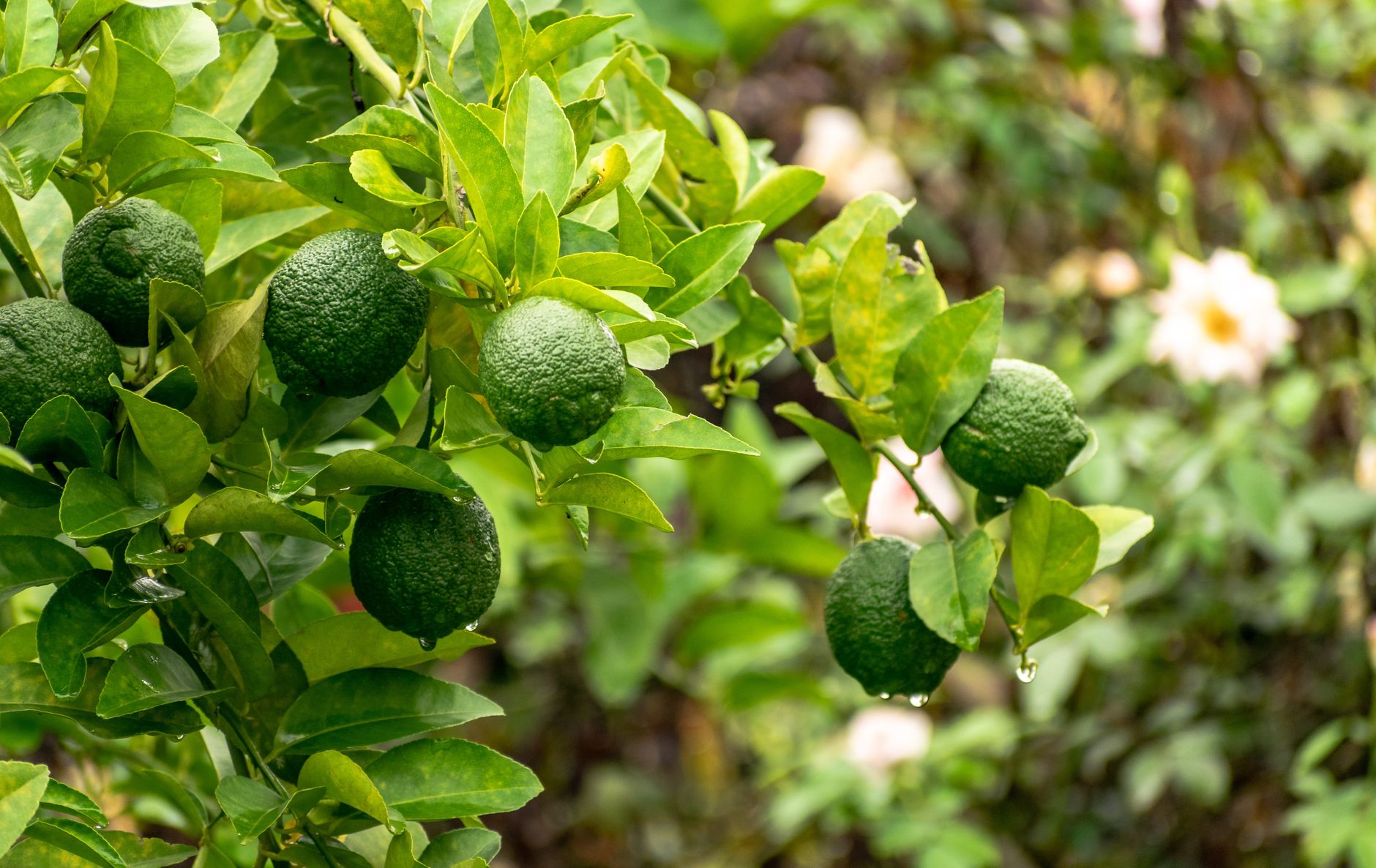
Learn the mature size of lime trees, including dwarf and standard varieties, with spacing, pruning, and container tips for your zone.
A standard lime tree (Citrus aurantiifolia) grows 15 to 20 feet tall and wide, but most home gardeners choose dwarf varieties that stay 6 to 8 feet. The exact size depends on the rootstock, pruning, and whether you grow in the ground or a pot. Here is what to expect and how to manage it.
Mature sizes by type
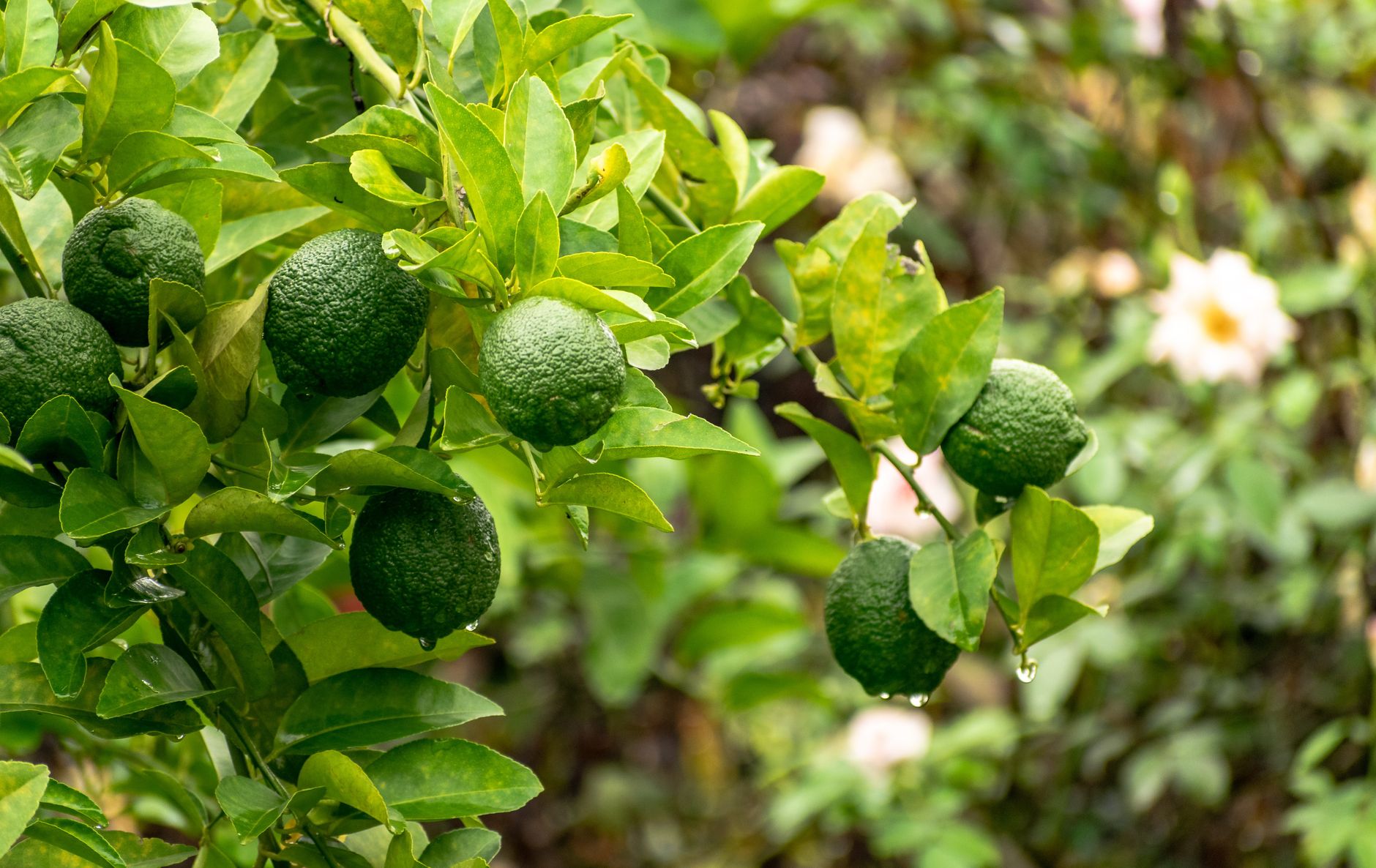
Lime trees come in three general sizes: standard, semi-dwarf, and dwarf. The size is determined by the rootstock, not the scion variety. For example, a ‘Persian’ lime grafted onto ‘Flying Dragon’ rootstock stays dwarf, while the same scion on ‘C-35’ citrange grows much larger.
| Type | Height | Width | Best for |
|---|---|---|---|
| Standard | 15-20 ft | 12-15 ft | Large yards, orchards |
| Semi-dwarf | 10-12 ft | 8-10 ft | Medium yards |
| Dwarf | 6-8 ft | 4-6 ft | Containers, small spaces |
These are mature sizes at 10 to 15 years. A dwarf lime in a 15-gallon pot may only reach 4 feet, but the same tree in the ground can hit
 8 feet. Do not expect a true miniature; even dwarf limes need regular pruning to stay small.
Container-grown limes stay smaller
If you grow a lime in a pot, the size is limited by the container. A 5-gallon pot keeps a tree around 3 to 4 feet. A 15-gallon pot allows 5 to 6 feet. Use a pot with drainage holes and a citrus-specific potting mix. Repot every 2 to 3 years, or when roots circle the bottom. In colder zones (USDA 8 and below), containers let you move the tree indoors for winter.
Spacing and planting for ground trees
Space standard limes 15 to 20 feet apart, semi-dwarfs 10 to 12 feet, and dwarfs 6 to 8 feet. Planting too close leads to overcrowding and poor air circulation, which invites pests like scale and sooty mold. Dig the hole twice as wide as the root ball and no deeper. Plant at the same depth as the nursery pot. Water deeply after planting, then 2 to 3 times per week for the first month.
Pruning keeps size in check
Prune in late winter or early spring before new growth. Remove dead or crossing branches first. Then cut back long shoots to maintain your desired height and width. Never remove more than one-third of the canopy in a year. For a dwarf tree, pinch new growth in summer to encourage branching and keep it compact. Use clean, sharp bypass pruners (about $25 to $40) and sterilize with rubbing alcohol between cuts.
Rootstock matters more than variety
The variety determines fruit type, but rootstock controls size. Common rootstocks include:
- Flying Dragon: dwarfing, keeps trees 6 to 8 feet
- C-35 citrange: semi-dwarf, 10 to 12 feet
- Sour orange: standard, 15 to 20 feet
When buying a tree, ask the nursery which rootstock it uses. A ‘Key Lime’ on Flying Dragon will stay small, while the same variety on sour orange will become a large tree. For containers, always choose a dwarf rootstock.
Lime varieties and their typical sizes
| Variety | Fruit | Mature size (on dwarf rootstock) |
|---|---|---|
| ‘Persian’ (Tahiti) | Seedless, mild | 6-8 ft |
| ‘Key’ (Mexican) | Small, tart | 5-7 ft |
| ‘Kaffir’ (Makrut) | Leaves used in cooking | 6-8 ft |
| ‘Finger’ | Elongated, aromatic | 6-8 ft |
‘Persian’ is the most common for home gardens because it is cold-hardier and produces more juice. ‘Key’ limes are smaller and more fragrant but have seeds. ‘Kaffir’ limes are grown mainly for their leaves, which are used in Thai dishes.
Cold hardiness and size limits
Lime trees are tropical and cannot tolerate frost. In USDA zones 9 to 11, they can stay outdoors year-round. In zone 8, you can grow them in the ground if you protect them with frost cloth, but they may lose leaves and grow smaller. In colder zones, keep them in containers and move them to a bright indoor spot when temperatures drop below 40°F. A dwarf tree is easier to move than a standard, which is another reason to choose dwarf for cold climates.
Cost and time to maturity
A grafted lime tree costs $40 to $60 at a nursery, depending on size and variety. Dwarf trees in 5-gallon pots are at the lower end; standard trees in 15-gallon pots are at the higher end. You can also grow from seed, but it takes 5 to 7 years to fruit and the tree may not be true to type. Grafted trees fruit in 1 to 2 years.
FAQ
How long does it take for a lime tree to reach full size?
A dwarf lime reaches its mature height in 5 to 7 years. Standards take 10 to 15 years. Growth slows after the first few years, especially in containers.
Can I keep a lime tree small by pruning?
Yes, regular pruning can keep a standard lime at 8 to 10 feet, but it will require more effort than buying a dwarf. Prune every year in late winter and pinch new growth in summer.
What is the best lime tree for a small yard?
A dwarf ‘Persian’ lime on Flying Dragon rootstock is the best choice. It stays 6 to 8 feet, produces full-size fruit, and is more cold-tolerant than other limes.
Do lime trees have invasive roots?
Citrus roots are not invasive, but they can spread wide. A standard lime’s roots may extend 20 feet or more. Keep them at least 10 feet away from foundations and sidewalks. Dwarf trees have smaller root systems.
The bottom line
A lime tree’s size is manageable if you choose the right rootstock and planting method. For most home gardeners, a dwarf ‘Persian’ lime in a container or ground is the smartest option: it stays 6 to 8 feet, fruits quickly, and can be moved indoors in cold climates. If you have space, a standard tree makes a beautiful shade tree, but be prepared for 15 feet of height and width. Measure your space, check the rootstock, and prune yearly to keep your lime tree exactly the size you want.