Best soil for orange trees in pots
Learn the ideal potting mix for container orange trees, including drainage, pH, and amendments, plus a simple recipe and care tips.
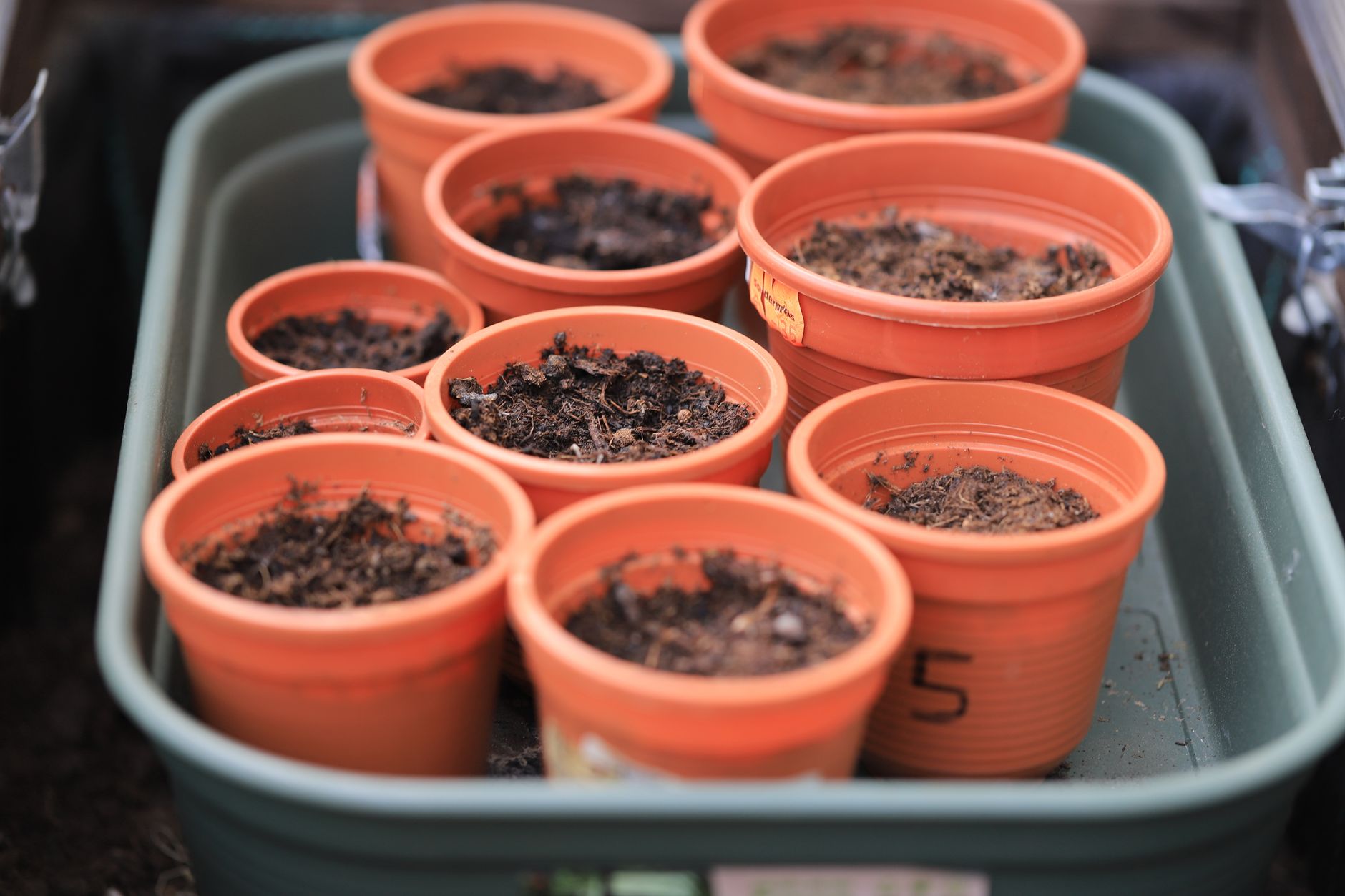
The best soil for orange trees in pots is a well-draining, slightly acidic mix (pH 5.5 to 6.5) that retains moisture without staying soggy. A simple recipe is 60% high-quality potting mix, 20% perlite or pumice, and 20% compost or aged bark. This combination provides the aeration and drainage citrus roots need, while still holding enough water and nutrients for healthy growth.
Why Soil Matters for Container Citrus
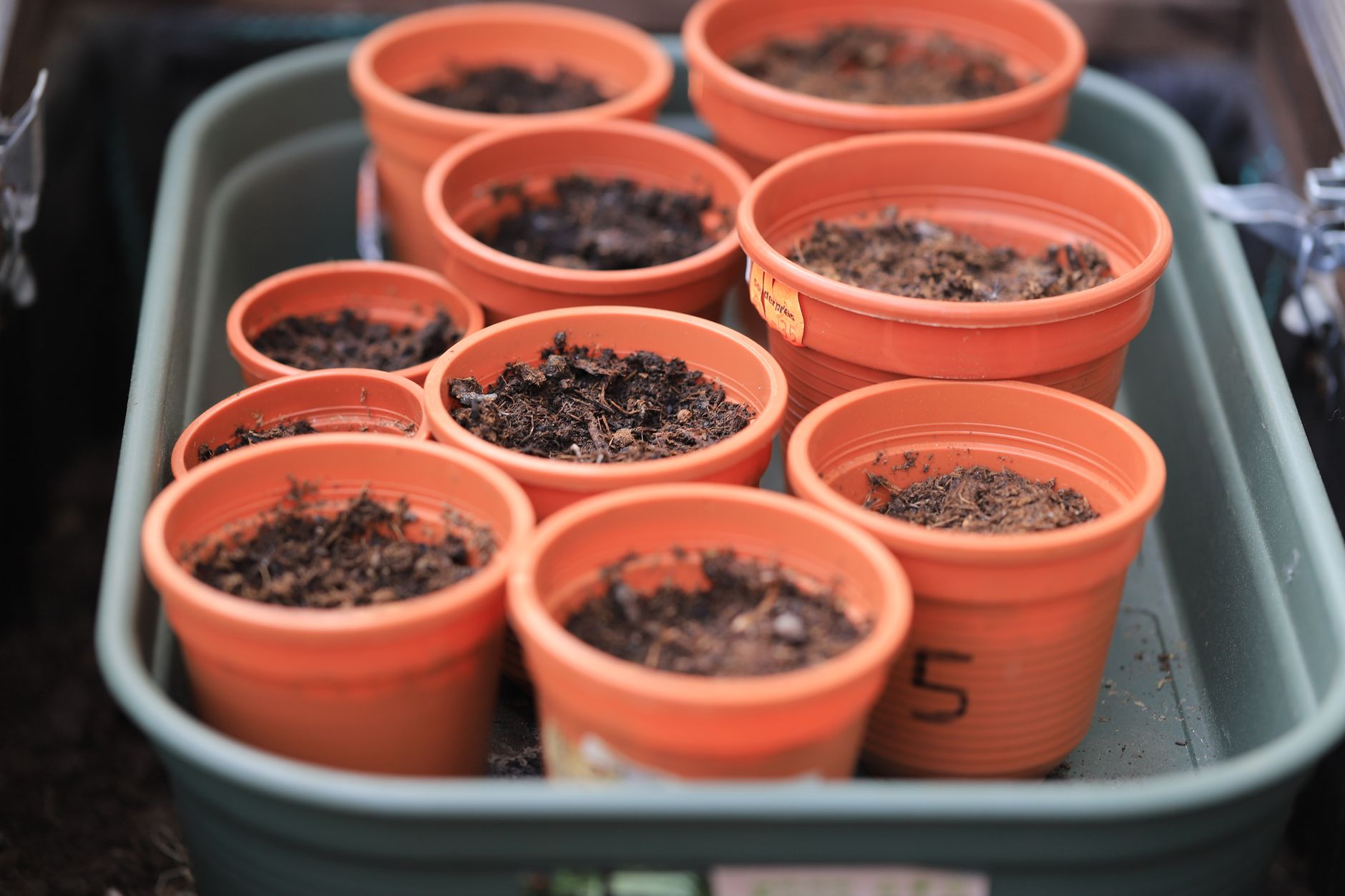
Orange trees in pots are confined to a limited root zone, so the soil’s physical properties are critical. If the mix is too heavy, it holds excess water, leading to root rot, a common killer of container citrus. If it’s too sandy, it dries out quickly, stressing the tree and reducing fruit quality. A balanced mix ensures ro
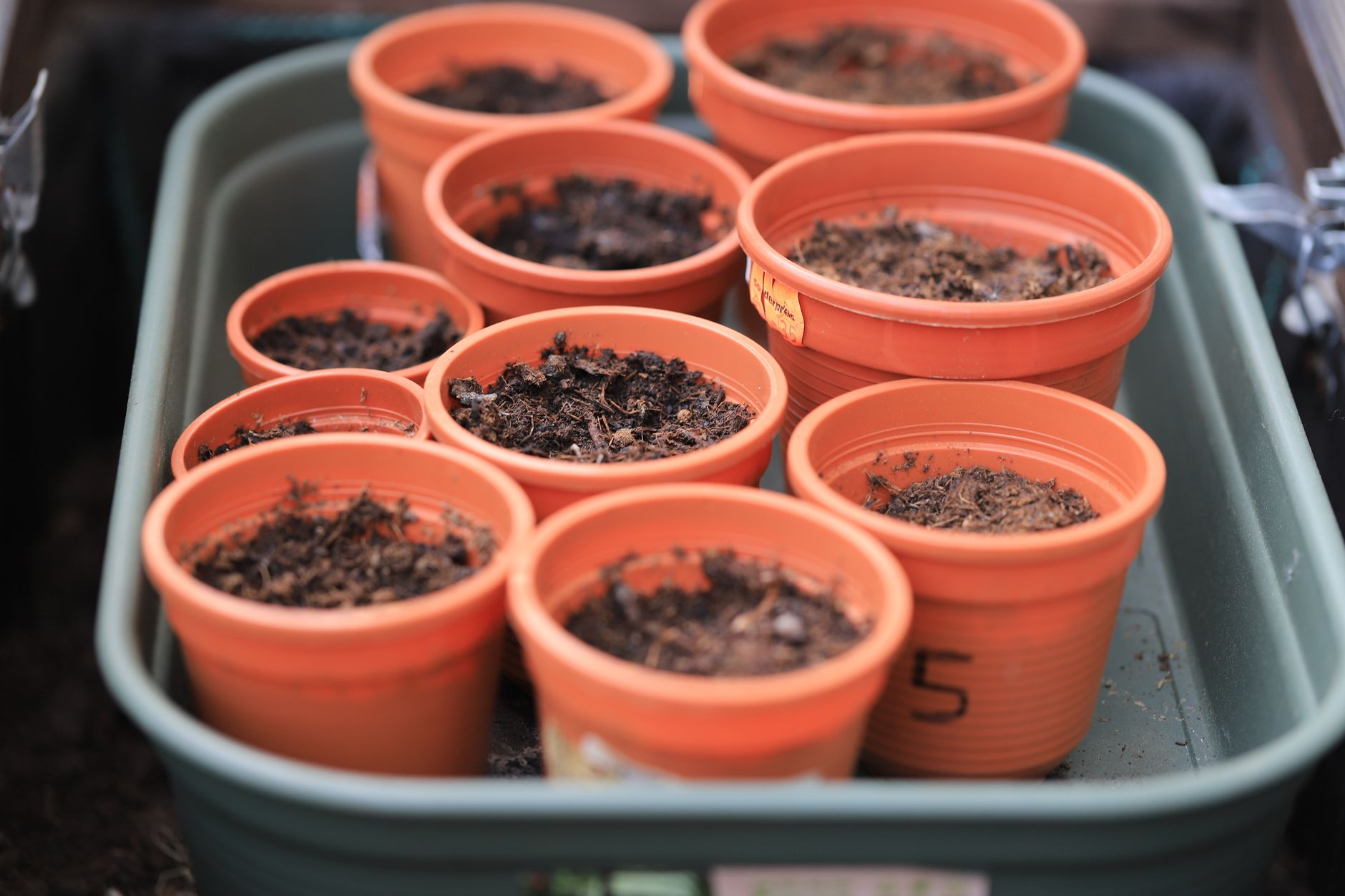 ots get oxygen, water, and nutrients, which directly affects leaf color, flowering, and fruit production.
The Ideal Potting Mix Components
A good container mix for orange trees combines three main ingredients:
- Base potting mix: Use a high-quality, peat-based or coir-based mix. Avoid garden soil, which compacts and may harbor diseases. Look for a mix with added perlite or vermiculite.
- Drainage amendment: Perlite or pumice improves aeration and drainage. Coarse sand can work, but it adds weight and may not drain as well. Aim for 15-25% of the total volume.
- Organic matter: Compost or aged bark provides nutrients and improves moisture retention. Use 10-20% of the total volume. Avoid fresh manure, which can burn roots.
A Simple Recipe
Mix these by volume:
- 60% quality potting mix (e.g., FoxFarm Ocean Forest, $20-$30 per 1.5 cu ft)
- 20% perlite (about $10-$15 per 8 qt bag)
- 20% compost or aged bark (e.g., composted pine bark, $10-$20 per bag)
This mix works for all citrus varieties, including ‘Meyer’ lemon, ‘Calamondin’, and ‘Valencia’ orange. For better water retention in hot, dry climates, increase compost to 25% and reduce perlite to 15%.
Choosing the Right Pot and Drainage
The pot matters as much as the soil. Choose a container with drainage holes, at least 1/4 inch in diameter. Terracotta pots are porous and dry out faster, which can be good in humid areas but bad in arid zones. Plastic or glazed ceramic pots retain moisture longer. For a young orange tree, start with a 5-gallon pot (about $15-$25) and repot every 2-3 years into a pot 2-4 inches larger in diameter. A 15-gallon pot is suitable for a mature dwarf tree.
pH and Nutrient Considerations
Orange trees prefer a pH between 5.5 and 6.5. Test your mix with a simple soil pH tester (about $10-$15). If pH is too high (alkaline), add elemental sulfur or use a fertilizer formulated for acid-loving plants. If too low, add dolomitic lime. In containers, nutrients leach out with watering, so fertilize regularly. Use a balanced citrus fertilizer (e.g., 10-10-10 with micronutrients) every 4-6 weeks during the growing season (March through September). In 2026, expect to pay $15-$25 for a 4-pound bag.
Watering and Maintenance Tips
Water your potted orange tree when the top 1-2 inches of soil feel dry. Water thoroughly until it drains from the bottom, then empty the saucer to prevent root rot. In summer, you may need to water daily; in winter, reduce to once a week or less. Mulch the top of the soil with a 1-inch layer of bark or straw to retain moisture and regulate temperature.
Repot every 2-3 years in early spring, just before new growth. Gently loosen the root ball, trim any circling roots, and place in fresh mix. This replenishes nutrients and gives roots room to grow.
Common Mistakes to Avoid
- Using garden soil: It compacts and may contain pests or diseases. Always use a potting mix.
- Overwatering: The #1 cause of death. Ensure drainage holes are clear, and never let the pot sit in water.
- Skipping drainage material: Without perlite or pumice, the mix becomes waterlogged.
- Ignoring pH: If leaves turn yellow, check pH and nutrient levels.
FAQ
Can I use cactus soil for orange trees? Cactus soil is too sandy and drains too quickly, causing the mix to dry out fast. It lacks the organic matter citrus needs. Instead, use a standard potting mix amended with perlite.
How often should I repot my potted orange tree? Every 2-3 years, or when roots emerge from the drainage holes. Repot in early spring before active growth.
Do I need to add fertilizer to the soil mix? The mix itself provides initial nutrients, but citrus in pots need regular feeding. Use a slow-release citrus fertilizer at planting, then switch to a liquid fertilizer every 4-6 weeks during the growing season.
What if my orange tree leaves turn yellow? Yellow leaves often indicate overwatering, nutrient deficiency (especially nitrogen or iron), or pH imbalance. Check soil moisture, pH, and fertilize appropriately.
The Bottom Line
For healthy potted orange trees, use a well-draining, slightly acidic mix with perlite and compost, in a pot with good drainage. Water correctly, fertilize regularly, and repot every few years. With the right soil and care, your container orange tree can thrive and produce sweet fruit for years. Start with the simple recipe above, and adjust based on your climate and tree’s response.