Best type of chickens for beginners
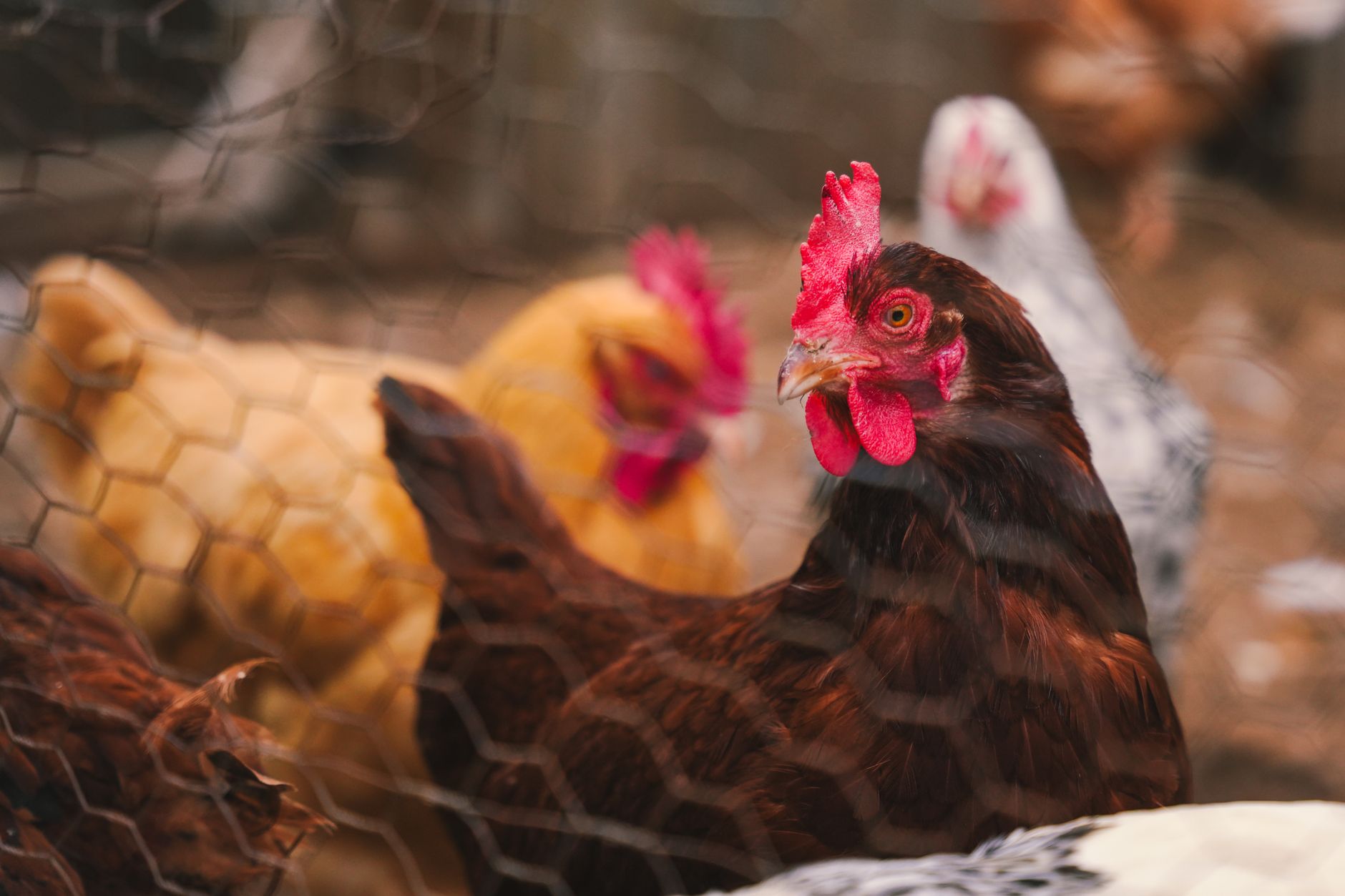
Discover the best chicken breeds for beginners, with practical tips on temperament, egg production, and hardiness. Start your flock right.
If you’re new to raising chickens, the best type for you are calm, hardy, and reliable egg layers like the Buff Orpington, Australorp, and Plymouth Rock. These breeds are forgiving of minor mistakes, tolerate a range of climates, and are less likely to be aggressive or flighty. In this guide, I’ll break down the top choices, what to look for, and how to get started this week.
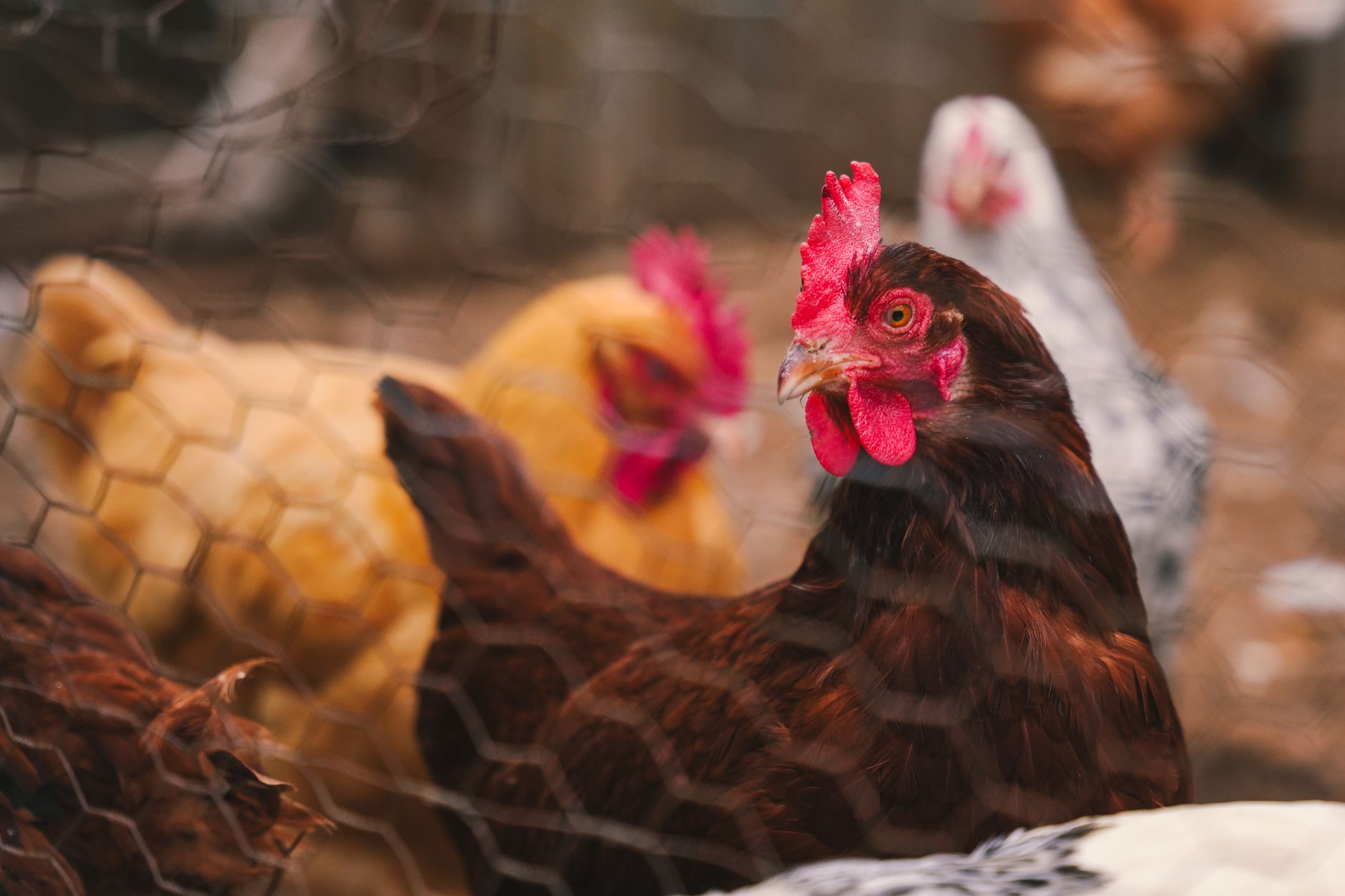
What Makes a Breed Good for Beginners?
A good beginner breed has three traits: a docile temperament, hardiness, and consistent egg production. You want a bird that won’t panic when you pick it up, that can handle a missed feeding without falling apart, and that gives you a steady supply of eggs. Avoid breeds that are known for
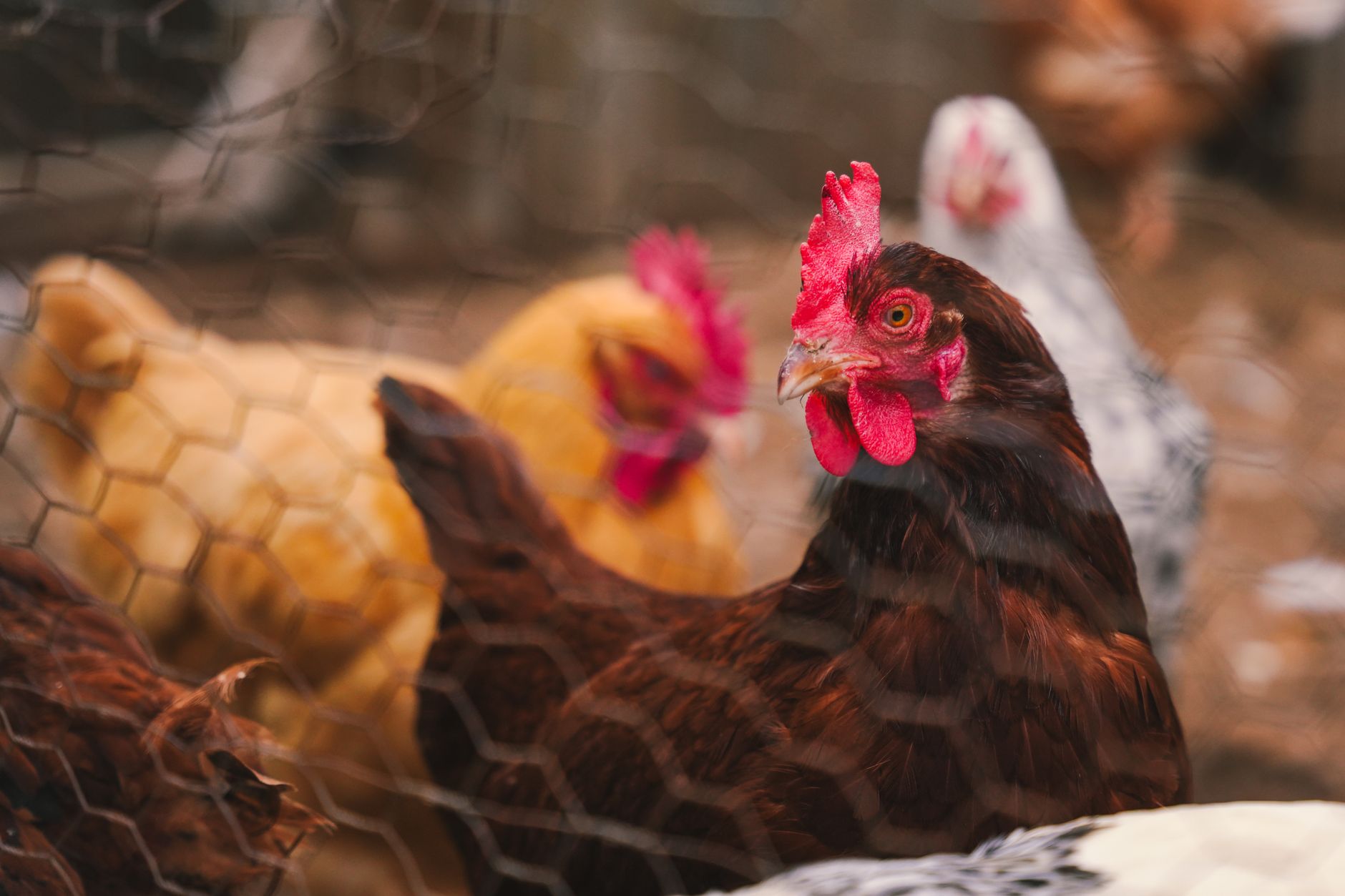 being skittish, aggressive, or prone to health issues, such as Leghorns (high strung) or Silkies (fragile).
Top 5 Beginner Breeds
Here are my top picks, based on years of experience and what other homesteaders report. These are all available at most hatcheries and farm stores.
| Breed | Temperament | Egg Color | Eggs/Year | Cold Hardiness | Broodiness |
|---|---|---|---|---|---|
| Buff Orpington | Calm, friendly | Brown | 180-200 | Excellent | Yes |
| Australorp | Docile, quiet | Light brown | 250-280 | Good | Occasional |
| Plymouth Rock | Friendly, curious | Brown | 200-250 | Good | Occasional |
| Rhode Island Red | Active, hardy | Brown | 200-250 | Excellent | Occasional |
| Easter Egger | Varied, usually friendly | Blue/Green | 150-200 | Good | Occasional |
Buff Orpington
This is my top recommendation for families. They are incredibly gentle, love being held, and are very cold tolerant due to their fluffy feathers. They are not the most prolific layers, but they are steady. Expect around 180 to 200 brown eggs per year. They can go broody, which is fine if you want chicks, but you’ll need to break it if you don’t.
Australorp
If you want maximum eggs, this is your bird. Australorps hold the world record for egg production, laying up to 280 eggs a year. They are quiet and calm, making them great for suburban backyards. They handle heat well but need some shade in hot climates. They are not as fluffy as Orpingtons, so they do okay in cold but not extreme cold.
Plymouth Rock
Plymouth Rocks are the classic American breed. They are friendly, curious, and do well in mixed flocks. They lay about 200 to 250 brown eggs per year. They are hardy in both heat and cold, making them a good all-around choice. They can be a bit more active than Orpingtons, but still handle handling well.
Rhode Island Red
Rhode Island Reds are tough, reliable, and excellent foragers. They are a bit more independent and can be bossy, but they are still manageable for beginners. They lay 200 to 250 brown eggs per year and are very cold hardy. They are a great choice if you plan to free-range, as they are good at finding their own food.
Easter Egger
If you want colorful eggs, Easter Eggers are a fun choice. They are not a true breed, but a mix that carries the blue egg gene. They lay blue, green, or even pink eggs, about 150 to 200 per year. They are generally friendly and hardy, but their temperament can vary since they are mixed. They are a good option if you want a pet that also produces unique eggs.
What to Avoid as a Beginner
Some breeds are better left to experienced keepers. Avoid high-strung breeds like Leghorns, which are flighty and can be noisy. Avoid bantam breeds (miniature chickens) if you want eggs, as they lay small eggs and can be more delicate. Also avoid breeds like the Brahma or Cochin if you live in a hot climate, as their heavy feathering can cause heat stress.
How to Get Started This Week
- Check local regulations: Before you buy anything, check your city or county rules on keeping chickens. Some areas limit the number of hens or prohibit roosters.
- Choose your source: You can buy chicks from a local feed store, hatchery, or farm. Hatcheries like Murray McMurray or Cackle Hatchery offer a wide variety and ship chicks by mail. Expect to pay $3 to $6 per chick for standard breeds, plus shipping if ordered online.
- Set up a brooder: For the first 6 weeks, chicks need a warm, draft-free space. A large plastic tub or a wooden box works. Line it with pine shavings, add a heat lamp or brooder plate, and a chick feeder and waterer. The temperature should start at 95°F and drop 5°F each week.
- Order or buy chicks: If you order online, they will arrive at your post office. Pick them up promptly, dip their beaks in water, and get them under the heat source.
- Plan for the coop: While the chicks are growing, build or buy a coop. A simple coop for 4 to 6 chickens costs $300 to $600 if you build it yourself, or $500 to $1,000 if you buy a kit. Make sure it has 2 to 3 square feet per bird inside, and 8 to 10 square feet per bird in the run.
FAQ
How many chickens should I start with?
Start with 3 to 5 hens. This gives you enough eggs for a family of 4 (about 12 to 15 eggs a week) without being overwhelming. Chickens are social, so never get just one.
Do I need a rooster for eggs?
No. Hens lay eggs without a rooster. You only need a rooster if you want fertilized eggs to hatch chicks.
What is the best age to buy chickens?
Day-old chicks are the most common and cheapest, but they require a brooder and more care. If you want to skip the brooder, buy pullets (young hens) that are 16 to 20 weeks old. They will start laying within a few weeks, but they cost more, around $15 to $25 each.
How long do chickens live?
Most hens lay well for 2 to 3 years, then taper off. They can live 8 to 10 years as pets. Plan for that commitment.
The Bottom Line
For a beginner, choose a calm, hardy breed like the Buff Orpington, Australorp, or Plymouth Rock. They are forgiving, friendly, and reliable layers. Start with 3 to 5 chicks, set up a proper brooder, and have a coop ready before they outgrow it. With a little preparation, you’ll have fresh eggs in about 5 to 6 months. Remember, every flock has its quirks, but these breeds will make your first year a success.