Best plants to grow around chicken coop
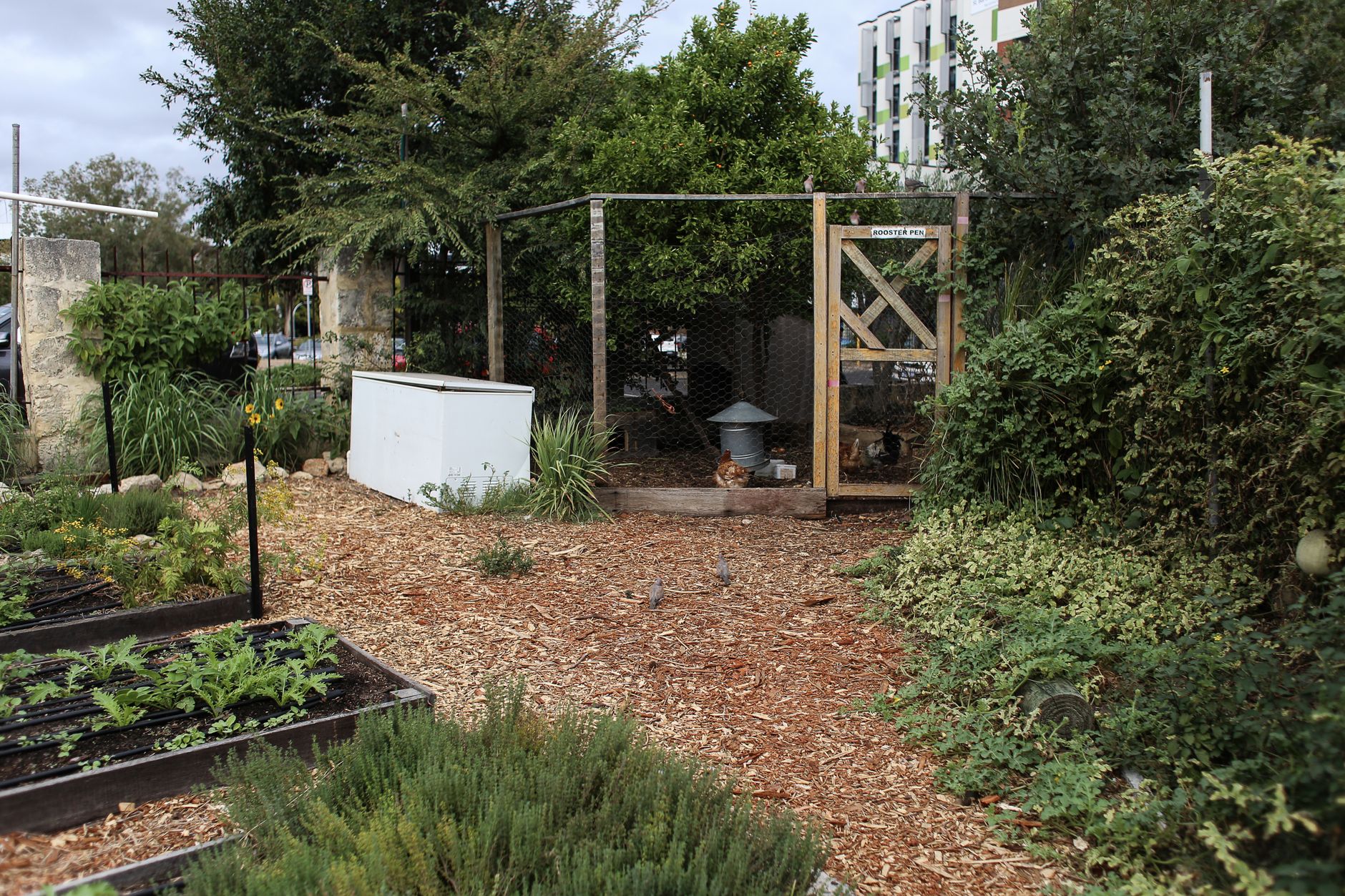
Discover the best plants to grow around your chicken coop for shade, forage, and pest control. Real varieties, planting tips, and costs for 2026.
The best plants around a chicken coop serve three purposes: they provide shade and shelter, they offer nutritious forage, and they help repel pests. Focus on hardy, non-toxic varieties that can handle pecking and scratching. In this guide, I’ll share specific plants that work, how to plant them, and what to avoid, based on my own trial and error.
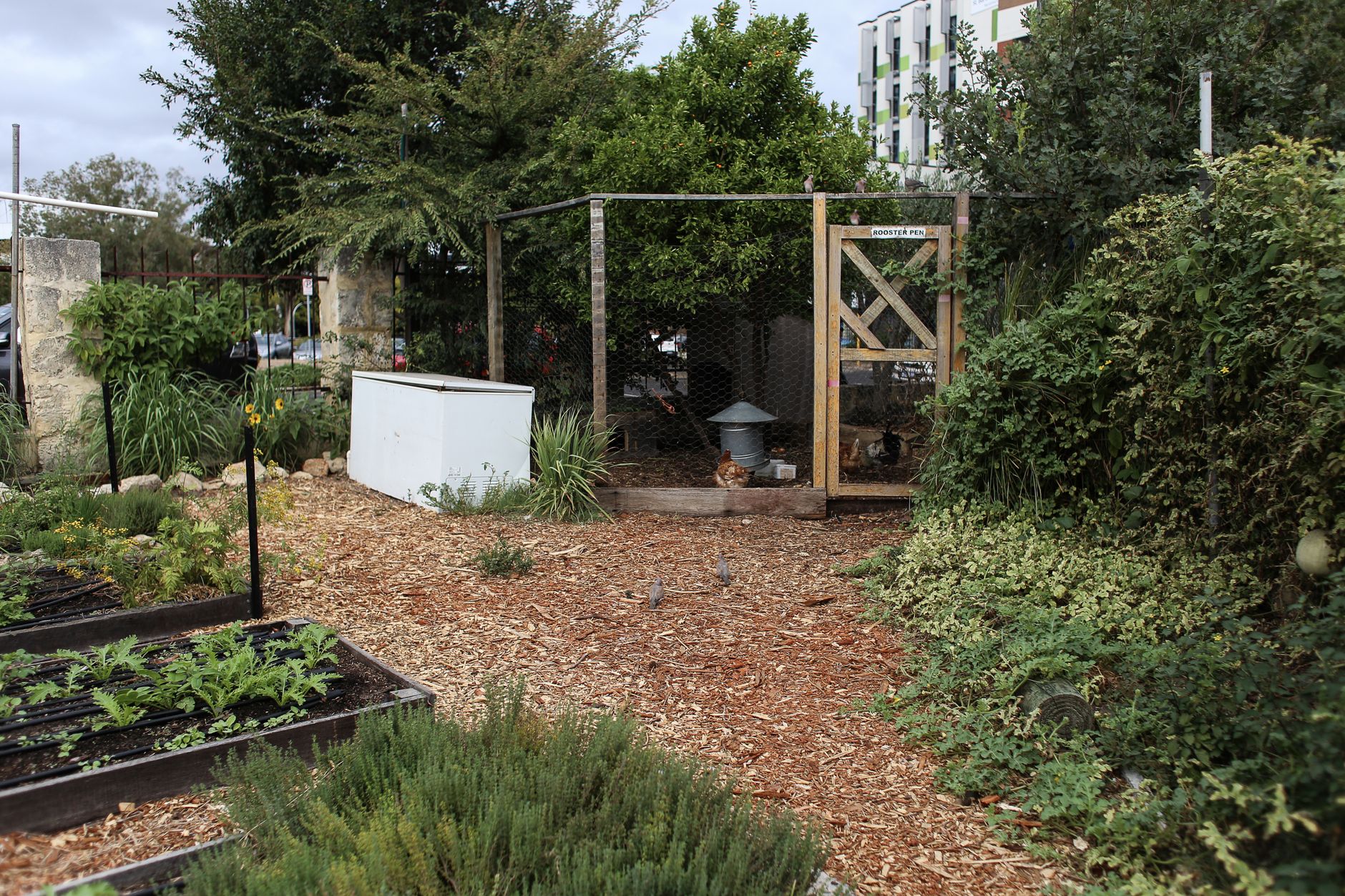
Why plant around the coop?
Chickens need shade in summer and windbreaks in winter. A well-planted coop also gives them something to do, reducing feather pecking and boredom. Plus, certain plants naturally deter mites,
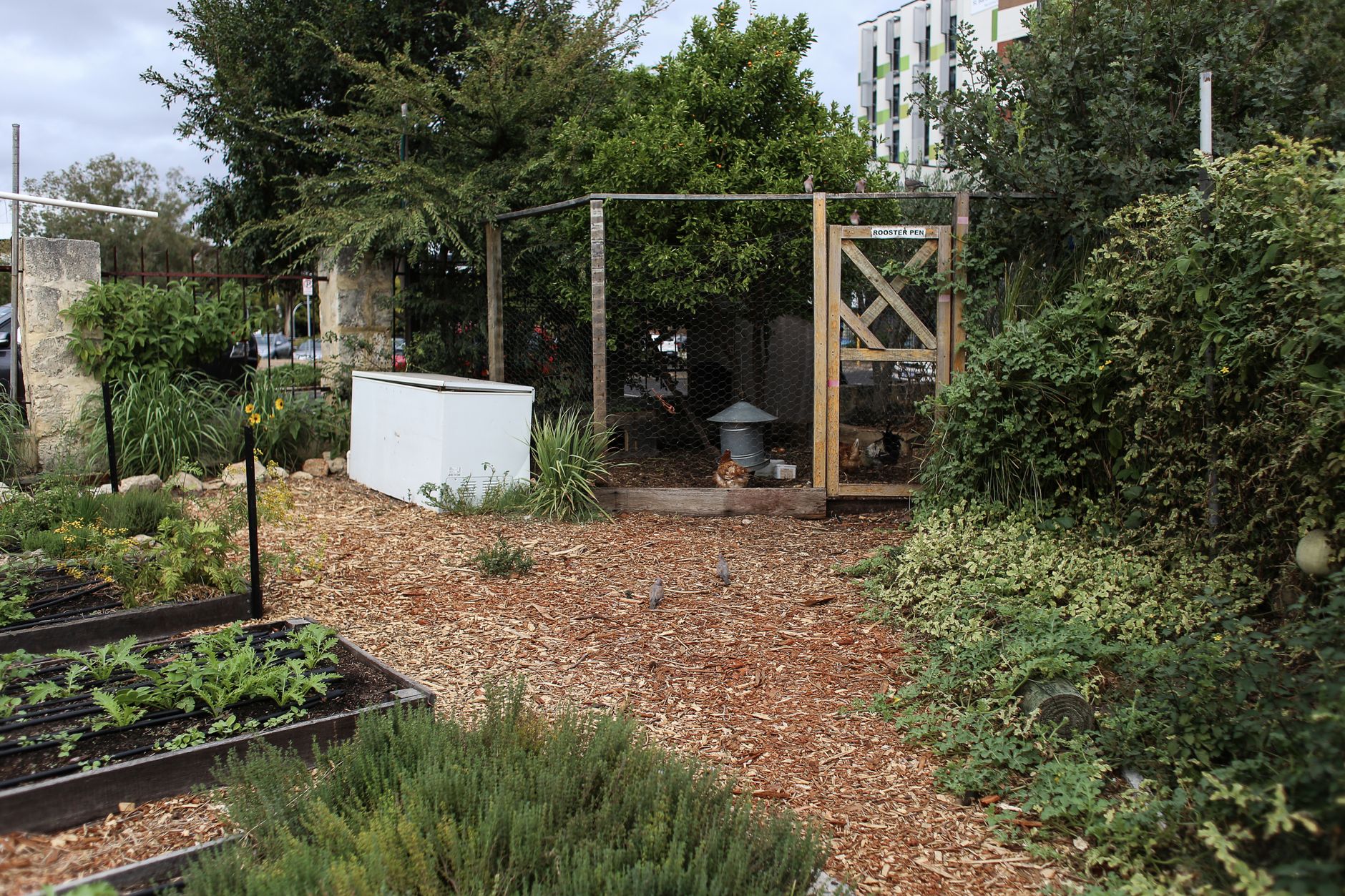 flies, and rodents. The key is choosing plants that are safe if eaten and tough enough to survive chicken behavior.
Best plants for shade and shelter
These plants create a cooler microclimate and give chickens a sense of security.
- Mulberry trees (Morus spp.): Fast-growing, provide dense shade, and the falling berries are a treat. Plant at least 10 feet from the coop to avoid root damage. Zones 5-9. Cost: $20-$40 for a bare-root sapling.
- Elderberry (Sambucus canadensis): A shrub that grows 6-10 feet tall, offering windbreak and berries high in vitamin C. Plant 5 feet apart. Zones 3-9. Cost: $15-$25 per potted plant.
- Willow (Salix spp.): If you have wet areas, willow thrives and creates a living fence. It grows fast but can be invasive, so keep it contained. Zones 4-9. Cost: $10-$20 for cuttings.
Best forage plants for chickens
These plants provide supplemental nutrition and keep chickens busy.
- Comfrey (Symphytum officinale): A perennial with deep roots that mines minerals. Leaves are high in protein and calcium. Plant in a protected spot because chickens will devour it. Zones 4-9. Cost: $5-$10 per root cutting.
- Nasturtium (Tropaeolum majus): An annual that self-seeds. The flowers and leaves are edible and act as a natural dewormer. Plant in full sun. Zones 2-11. Cost: $3-$5 per seed packet.
- Dandelion (Taraxacum officinale): You might already have it. It’s a nutritious weed, high in vitamins A and C. Let a patch grow and chickens will graze it. Cost: free.
- Clover (Trifolium repens): White clover is a great ground cover that fixes nitrogen. Chickens love the leaves and flowers. Plant in spring or fall. Zones 3-10. Cost: $5-$10 per pound of seed.
Best pest-repelling plants
These plants help keep flies, mites, and rodents away.
- Mint (Mentha spp.): Spearmint and peppermint repel flies and rodents. Plant in containers or buried pots to prevent spreading. Zones 3-8. Cost: $4-$6 per plant.
- Lavender (Lavandula angustifolia): Repels moths, fleas, and flies. It also smells great. Plant in well-drained soil, full sun. Zones 5-9. Cost: $8-$12 per plant.
- Marigolds (Tagetes spp.): French marigolds deter nematodes and flies. They’re easy from seed. Zones 2-11. Cost: $2-$4 per seed packet.
- Lemongrass (Cymbopogon citratus): Contains citronella, which repels mosquitoes. It’s a tropical perennial, so in zones below 8, grow it in a pot and move indoors in winter. Cost: $5-$7 per plant.
Plants to avoid
Some common plants are toxic to chickens. Avoid these near the coop:
- Tomato (leaves and stems) - contains solanine
- Potato (green parts and sprouts) - same toxin
- Rhubarb (leaves) - high in oxalic acid
- Foxglove (Digitalis) - cardiac glycosides
- Oleander - extremely toxic
If you’re unsure about a plant, check the ASPCA toxic plant list for chickens.
Planting plan and practical steps
Here’s a simple plan to get started this week:
- Assess your space: Measure the area around the coop. Note sun exposure and soil drainage.
- Choose 3-4 plants from the lists above, focusing on your climate and needs.
- Prepare the soil: Remove weeds, loosen soil, and add compost.
- Plant trees and shrubs first, at least 5-10 feet from the coop to avoid root interference.
- Plant herbs and flowers in clusters, using fencing or cages until they establish.
- Water regularly for the first few weeks, then taper off.
Sample planting layout (for a 10x10 coop)
| Area | Plant | Purpose |
|---|---|---|
| South side (sunny) | Nasturtium, marigolds | Forage, pest control |
| West side (afternoon shade) | Comfrey, mint (in pots) | Forage, pest control |
| North side (shade) | Elderberry shrubs | Windbreak, berries |
| East side (morning sun) | Lavender, lemongrass (pots) | Pest control, aesthetics |
Maintenance and common mistakes
- Protect young plants: Chickens will scratch and eat new plants. Use wire cloches or fencing until plants are established.
- Rotate forage areas: If you let chickens free-range, they’ll decimate a patch. Fence off an area, let them graze it down, then move the fence.
- Avoid over-fertilizing: Chicken manure is high in nitrogen. Compost it before applying to plants, or you’ll burn them.
- Prune regularly: Keep trees and shrubs shaped to prevent them from becoming roosts that encourage escape.
FAQ
Q: Can I plant vegetables around the coop? A: Yes, but choose hardy ones like Swiss chard, kale, or squash. They can tolerate some pecking. Avoid toxic ones like tomatoes and potatoes.
Q: How do I keep chickens from destroying my plants? A: Use temporary fencing or netting until plants are established. Also, provide a dust bath and other distractions to reduce boredom.
Q: What is the best ground cover for a chicken run? A: Clover or grass is good, but they’ll get scratched up. Consider wood chips or sand for the run itself, and plant clover in an adjacent area.
Q: Are there plants that repel snakes? A: No plant reliably repels snakes. Keep the area clean and free of tall grass to reduce hiding spots.
The bottom line
The best plants around your chicken coop are those that serve multiple purposes: shade, forage, and pest control. Start with a few hardy options like mulberry, comfrey, and marigolds. Protect them until established, and you’ll create a healthier, more productive environment for your flock. Remember, no plant is a magic bullet, but the right choices make a real difference.