Best laying chickens for beginners
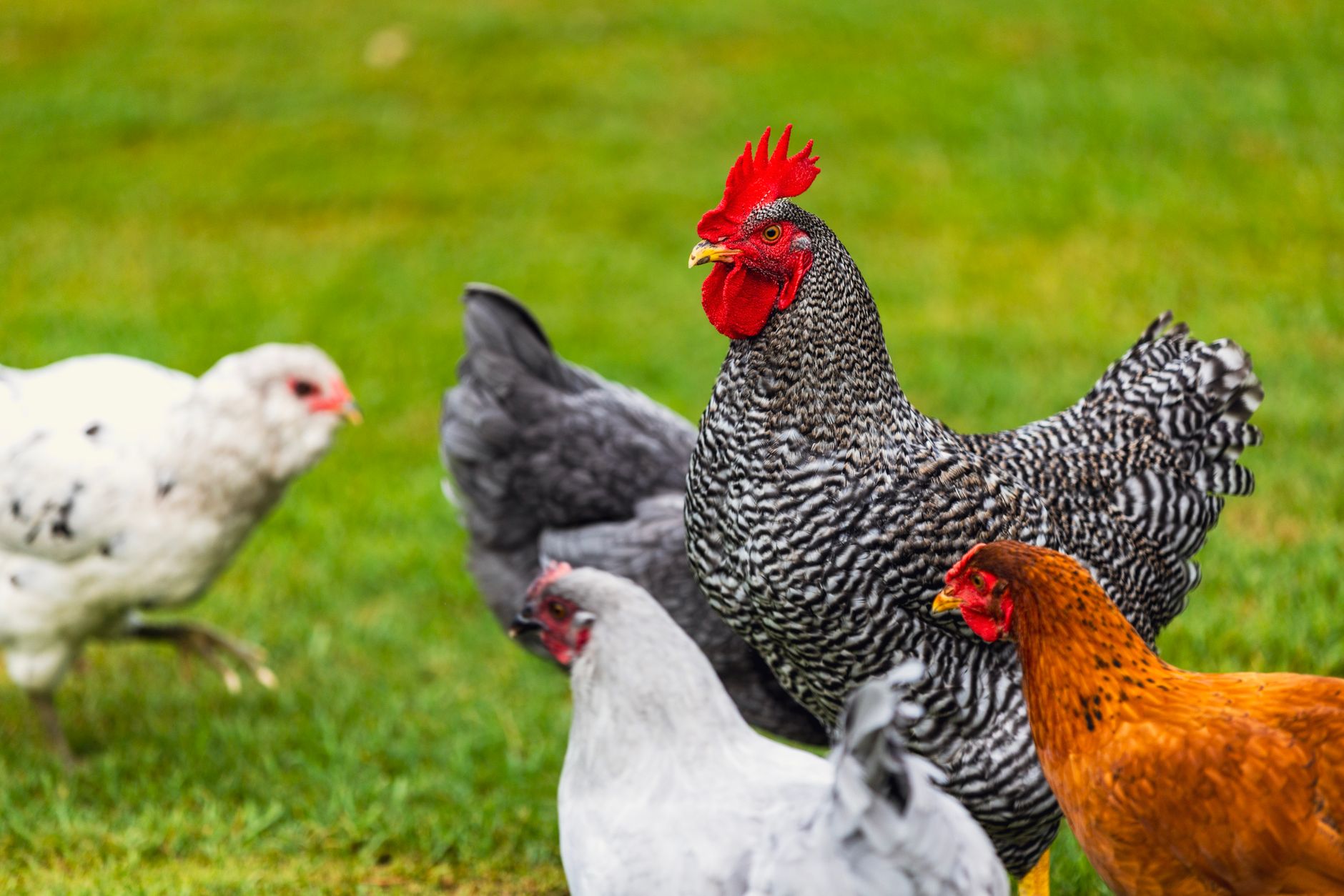
Discover the best laying chicken breeds for beginners, with real egg counts, care tips, and cost breakdowns for 2026.
If you are new to keeping chickens, the best laying breeds are hardy, docile, and reliable. Start with Rhode Island Reds, Australorps, or Buff Orpingtons: they lay 200 to 280 eggs per year, tolerate cold and heat, and rarely go broody. Avoid high-strung or fragile breeds like Leghorns or Silkies until you have more experience.
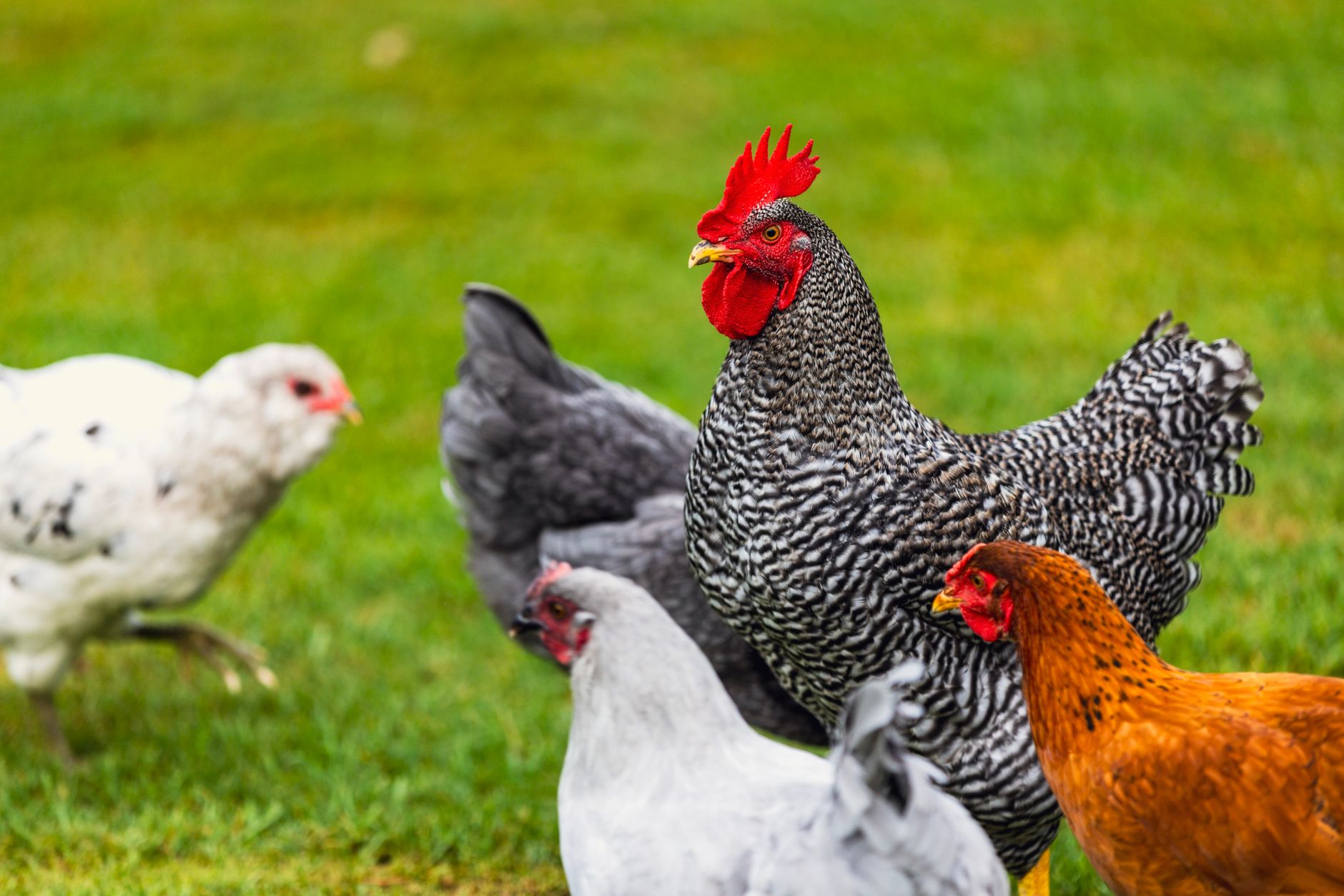
What makes a breed good for beginners?
A beginner-friendly layer is calm, hardy, and consistent. You want a bird that:
- Handles handling without panic
- Forages well but also accepts confinement
- Resists common diseases like Marek’s and coccidiosis
- Lays through winter with supplemental light
- Rarely goes broody (so she keeps laying)
Dual-purpose b
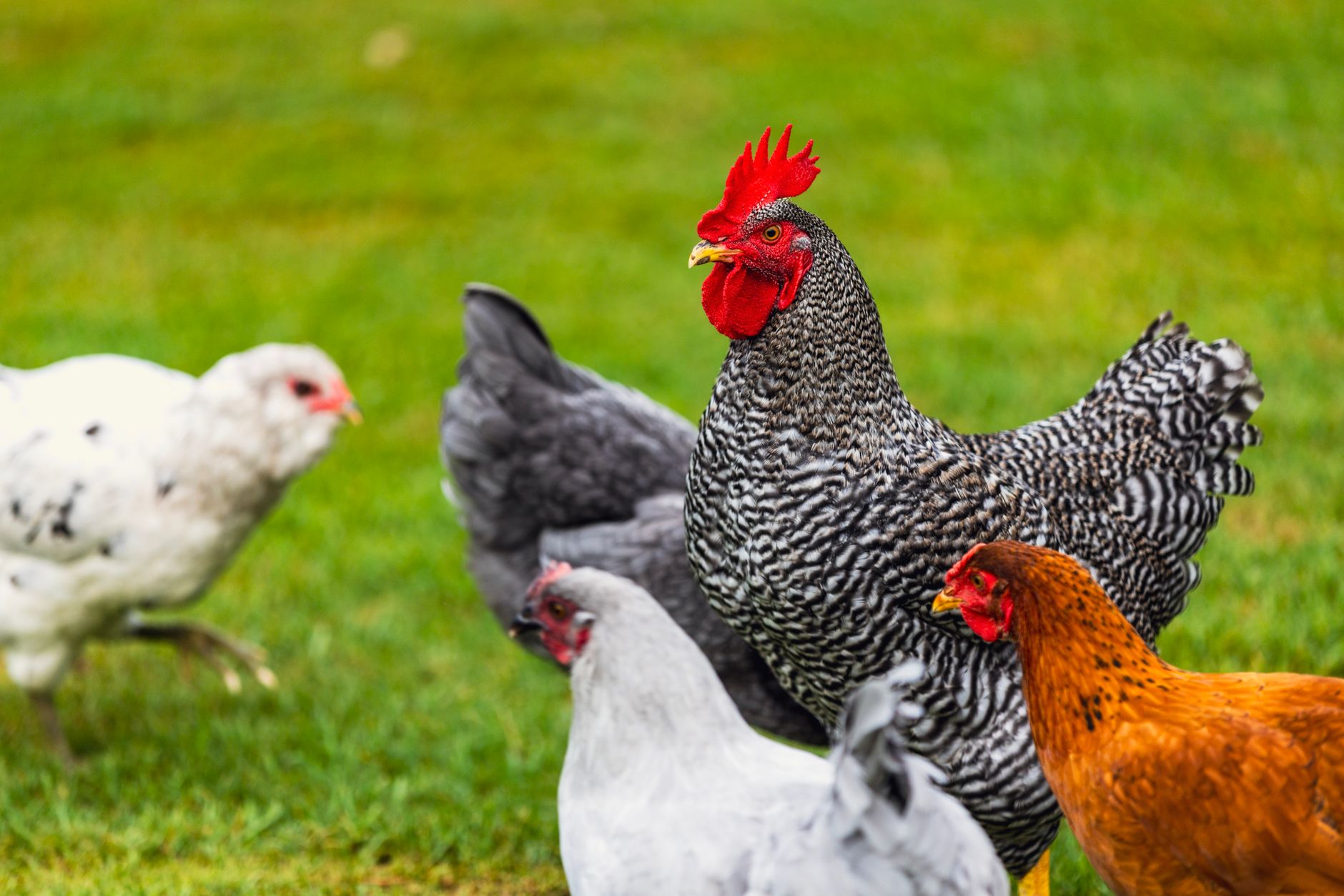 reeds (meat and eggs) are often the best choice because they are sturdier and more forgiving of mistakes.
Top 5 breeds for beginners (with real numbers)
| Breed | Eggs per year | Egg color | Weight | Temperament | Cold hardiness |
|---|---|---|---|---|---|
| Rhode Island Red | 200-280 | Brown | 6.5-8.5 lb | Active, friendly | Excellent |
| Australorp | 200-250 | Light brown | 6-8 lb | Calm, docile | Excellent |
| Buff Orpington | 180-220 | Brown | 7-10 lb | Very calm, cuddly | Good |
| Barred Plymouth Rock | 200-280 | Brown | 7-8 lb | Friendly, curious | Excellent |
| Easter Egger | 150-200 | Blue/green | 4-6 lb | Varied, usually calm | Good |
Easter Eggers are not a true breed but a mix that lays colorful eggs. They are hardy and fun, but egg production varies by individual.
Where to buy chicks and what to pay (2026)
Order day-old chicks from a hatchery (like Murray McMurray or Cackle Hatchery) or buy from a local feed store. Hatchery chicks cost $3 to $6 each, plus shipping (often $20 to $40 per order). Local farm supply stores sell chicks for $4 to $8 each in spring. Pullets (young hens ready to lay) cost $15 to $25 each if you want to skip the brooder stage.
Setting up your coop and run
Plan for 4 square feet per bird inside the coop and 10 square feet per bird in the run. For 6 hens, that means a 4x6 foot coop and a 6x10 foot run. Use a sturdy coop with predator-proof hardware cloth (1/2 inch mesh) over windows and vents. Provide 1 nesting box per 4 hens, filled with straw or pine shavings.
A basic coop kit costs $300 to $600. Building your own from scrap lumber can cost $150 to $300. Add a feeder ($15 to $30), a waterer ($10 to $25), and a heat lamp only if brooding chicks (not for adult hens).
Feeding and daily care
Feed a complete layer pellet (16% protein) from 18 weeks onward. A 50-pound bag costs $15 to $25 and lasts 6 hens about 6 weeks. Supplement with oyster shell for calcium (free-choice) and grit for digestion if birds are not free-ranging.
Daily tasks:
- Check water and refill as needed
- Collect eggs
- Open and close the coop door (or use an automatic door, $50 to $150)
Weekly tasks:
- Clean the coop: replace soiled bedding
- Scrub waterers and feeders
- Check for mites or lice
When will they start laying?
Most beginner breeds start laying between 18 and 24 weeks. Rhode Island Reds and Australorps often start at 18 to 20 weeks. Orpingtons may take 22 to 24 weeks. Expect a few weeks of irregular eggs, then a steady supply. In winter, egg production drops without supplemental light; add a 40-watt bulb on a timer to keep 14 hours of light per day.
Common mistakes to avoid
- Overcrowding: leads to pecking and disease
- Skipping predator-proofing: raccoons and dogs kill chickens
- Feeding too many treats: treats should be less than 10% of diet
- Not providing grit for birds that eat scratch grains
- Choosing breeds that are too fragile for your climate
FAQ
How many chickens should I start with?
Start with 3 to 6 hens. More than 6 can be overwhelming for a first-time keeper. Remember that hens are social, so never keep just one.
Do I need a rooster for eggs?
No. Hens lay eggs without a rooster. Roosters are only needed for fertile eggs and can be noisy and aggressive.
How long do hens lay?
Hens lay best in their first 2 to 3 years, then production declines. Many backyard keepers replace birds every 3 to 4 years.
What do I do with old hens?
You can keep them as pets, use them for meat (if you are comfortable), or rehome them. Some people let them live out their days as layers of occasional eggs.
The bottom line
For a beginner, choose Rhode Island Reds, Australorps, or Buff Orpingtons. They are forgiving, productive, and pleasant to have around. Set up a safe coop, feed a quality layer pellet, and collect eggs daily. With minimal effort, you will have fresh eggs within 6 months. Start with a small flock of 4 to 6 hens, and you will be glad you did.