Best egg laying chickens for beginners
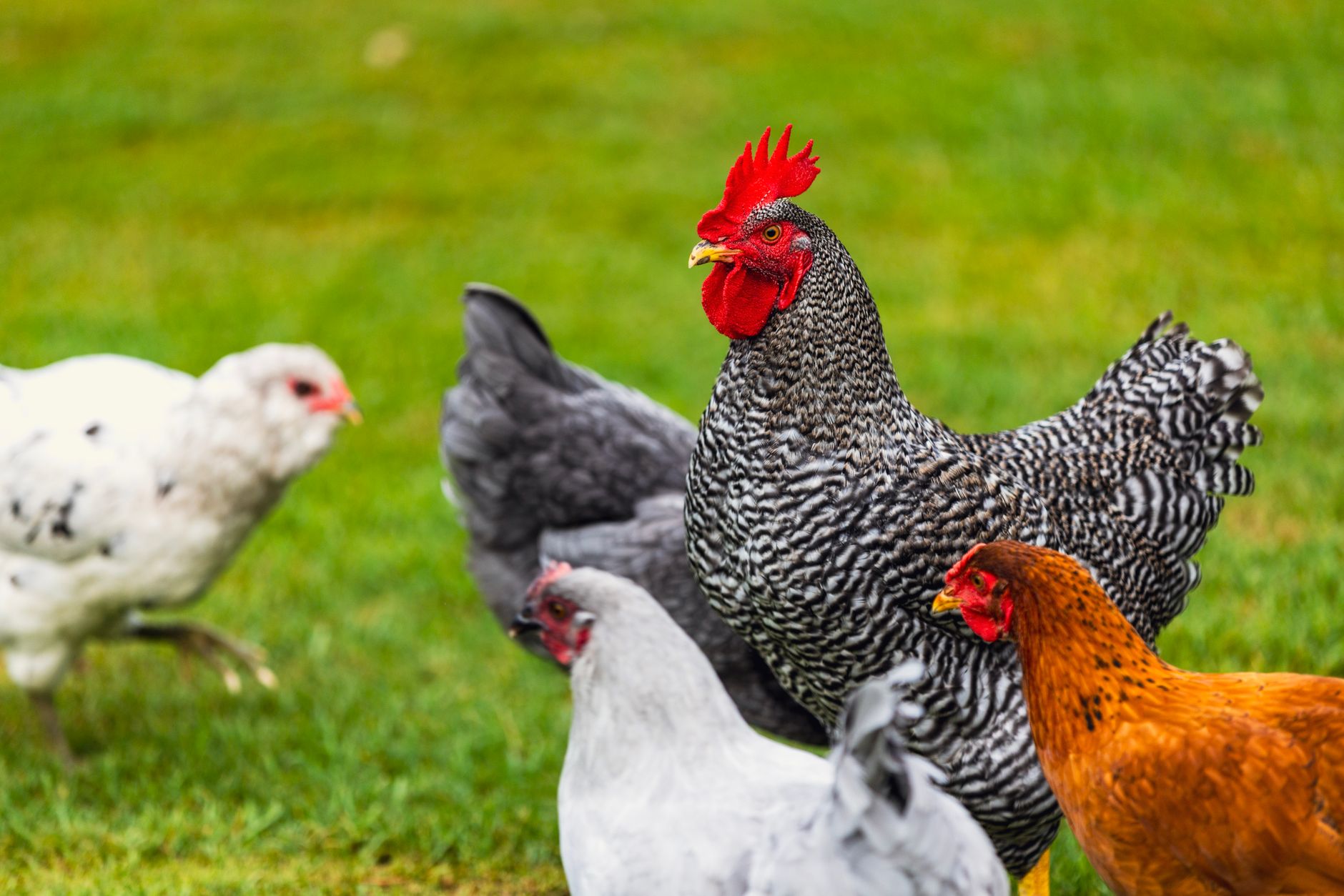
Discover the best egg laying chicken breeds for beginners, with real numbers on egg production, temperament, and hardiness. Start your flock right.
If you are new to chickens, the best egg layers are hardy, friendly, and reliable. For most beginners, that means Rhode Island Reds, Australorps, and Orpingtons. These breeds lay 200 to 300 eggs per year, tolerate a range of climates, and are calm enough for kids and first-time keepers. In this guide, I will break down the top breeds, what to expect in terms of eggs and care, and how to get started this week.
Top Breeds for Beginners
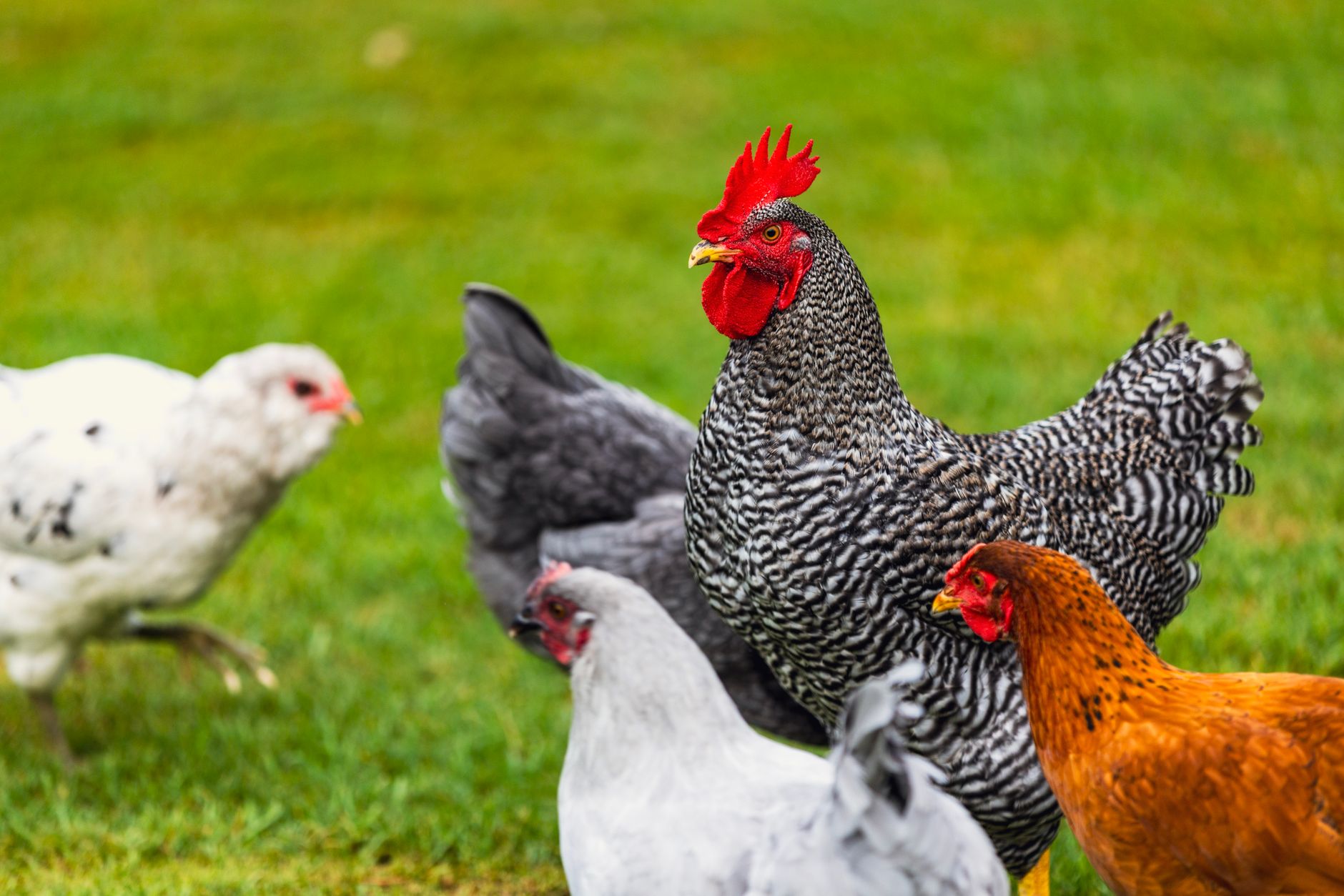
Here are the breeds I recommend most often, based on my own experience and what other homesteaders report. All of these are reliable layers with good temperaments.
| Breed | Eggs per Year | Egg Color | Temperament | Cold Hardy? | Heat Tolerant? |
|---|---|---|---|---|---|
| Rhode Island Red | 250-300 | Brown | Active, hardy | Excellent | Good |
| Australorp | 250-300 | Light brown | Calm, friendly | Excellent | Good |
| Buff Orpington | 200-280 | Brown | Very calm, docile | Excellent | Fair |
| Plymouth Rock (Barred) | 200-280 | Brown | Calm, curious | Excellent | Good |
| Leghorn (White) | 280-320 | White | Flighty, alert | Good | Excellent |
Rhode Island Reds
Rhode Island Reds are the classic homestead chicken. They are tough, forage well, and lay a large brown egg nearly every day. They can be a bit pushy with other chickens, but they are generally fine with people. In my flock, my Reds started laying at about 5 months and have been consistent ever since.
Australorps
Australorps hold the world record for egg production, with one bird laying 364 eggs in a year. In practice, expect 250 to 300. They are calm and quiet, making them great for backyards. They also handle cold well, which is a plus if you live in the North.
Buff Orpingtons
If you want a chicken that acts like a pet, get a Buff Orpington. They are fluffy, gentle, and love to be held. They lay a decent number of brown eggs, though they may slow down in extreme heat. They are also broody, so if you want to hatch chicks, they will do the work for you.
Plymouth Rocks
Barred Plymouth Rocks are another excellent choice. They are friendly, hardy, and lay consistently. They are also good foragers, so they will help control bugs in your garden. I have found them to be a good middle ground between the pushiness of Reds and the docility of Orpingtons.
White Leghorns
Leghorns are the best pure white egg layers, but they are not the friendliest. They are flighty and prefer to keep their distance. If you want maximum egg productio
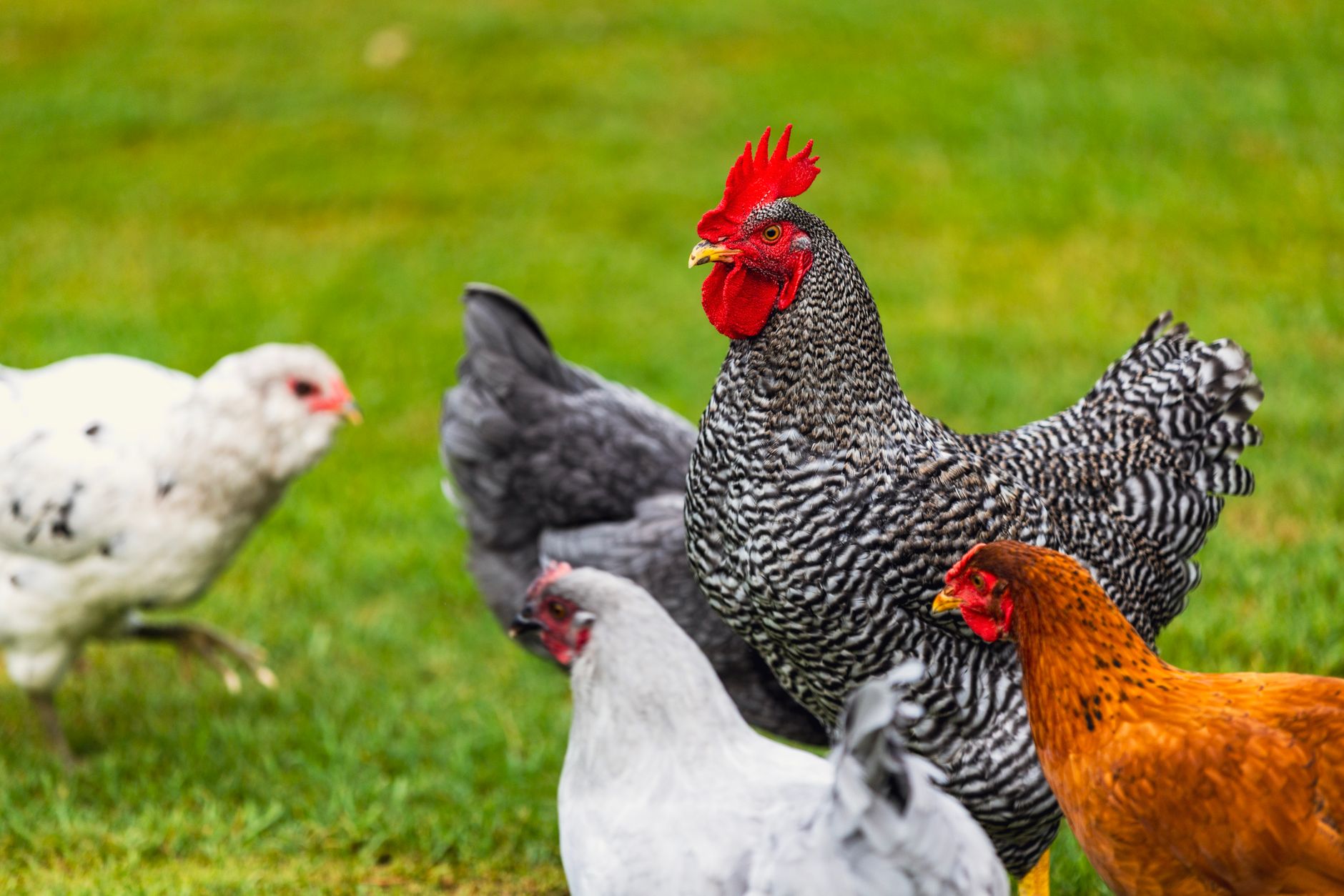 n and do not mind less cuddly birds, they are a good choice. They also handle heat better than most heavy breeds.
What to Look For in a Beginner Breed
When choosing a breed, consider these factors:
- Egg production: How many eggs do you need? A family of four might use 2 dozen eggs a week, so 4 to 6 hens will cover that.
- Temperament: If you have kids or want friendly birds, choose a calm breed like Orpingtons or Australorps.
- Hardiness: Match the breed to your climate. Cold-hardy breeds have small combs and dense feathers. Heat-tolerant breeds have larger combs and lighter bodies.
- Broodiness: Some breeds go broody (want to sit on eggs) more than others. If you want a steady supply of eggs, avoid overly broody breeds like Silkies, but if you want to hatch chicks, a broody hen is a bonus.
How Many Chickens Should You Start With?
Start with 3 to 6 hens. This gives you enough eggs for a small family and allows for some loss if a bird gets sick or is taken by a predator. Remember, hens need a companion, so never get just one. Also, check your local zoning laws: many areas allow hens but not roosters, and some have limits on flock size.
Setting Up Your Coop and Run
Before you bring chicks home, you need a safe coop and run. Here are the basics:
- Space: Provide at least 4 square feet per chicken inside the coop and 10 square feet per chicken in the run. More is better.
- Ventilation: Good airflow prevents respiratory issues, but avoid drafts at roosting level.
- Predator protection: Use hardware cloth (1/2 inch mesh) instead of chicken wire. Bury it 12 inches deep to stop diggers.
- Roosts and nesting boxes: Provide 8 to 10 inches of roost per bird, and one nesting box for every 3 to 4 hens. Boxes should be 12x12x12 inches, filled with straw or wood shavings.
- Lighting: Chickens need 14 to 16 hours of light for peak laying. In winter, you can add a light, but only if you are willing to keep it consistent.
Feeding for Egg Production
Feed your hens a balanced layer feed (16% protein) starting at 18 weeks. Before that, use a starter/grower feed (20% protein). Provide oyster shell on the side for strong eggshells, and clean water at all times. In 2026, expect to pay about $20 to $30 for a 50-pound bag of layer feed, which will last 4 to 6 weeks for a small flock.
When to Expect Eggs
Most hens start laying between 18 and 24 weeks of age. Some breeds, like Leghorns, may start earlier; heavier breeds like Orpingtons may take a bit longer. You will get the most eggs in the first year, then production gradually declines. Many hens lay well for 3 to 4 years, then slow down. That is normal.
Getting Started This Week
If you are ready to start, here is what to do this week:
- Check local laws: Call your city or county to confirm you can keep chickens and any limits.
- Choose your breed: Pick 2 to 3 breeds from the list above. Order chicks from a hatchery or buy from a local farm store. Hatchery chicks cost about $3 to $5 each, plus shipping.
- Set up a brooder: For chicks, you need a heat lamp, bedding, feeder, and waterer. Plan to keep them indoors for 6 to 8 weeks.
- Build or buy a coop: You can build a simple coop for $200 to $500 in materials, or buy a pre-made one for $500 to $1,500. Make sure it is predator-proof.
FAQ
How many eggs will I get per day?
With 4 hens, expect about 3 eggs per day during peak laying (spring and summer). In winter, production may drop to 1 or 2 per day unless you provide supplemental light.
What is the best breed for a hot climate?
White Leghorns and other Mediterranean breeds handle heat best. They have large combs that help dissipate heat and lighter bodies. Avoid heavy breeds like Orpingtons in extreme heat unless you provide shade and ventilation.
Can I keep chickens in a small backyard?
Yes, as long as you have at least 10 square feet per bird in the run. Many suburban homesteaders keep 3 to 4 hens in a 6x8 foot coop and run. Just be mindful of noise and odor, and keep the coop clean.
Do I need a rooster for eggs?
No. Hens lay eggs without a rooster. You only need a rooster if you want fertilized eggs for hatching.
The Bottom Line
For beginners, the best egg layers are Rhode Island Reds, Australorps, and Buff Orpingtons. They are reliable, friendly, and hardy. Start with 3 to 6 hens, set up a safe coop, and feed them a balanced layer feed. Expect your first eggs within 5 to 6 months. With a little planning, you will have fresh eggs for years to come.