Best chickens for beginners
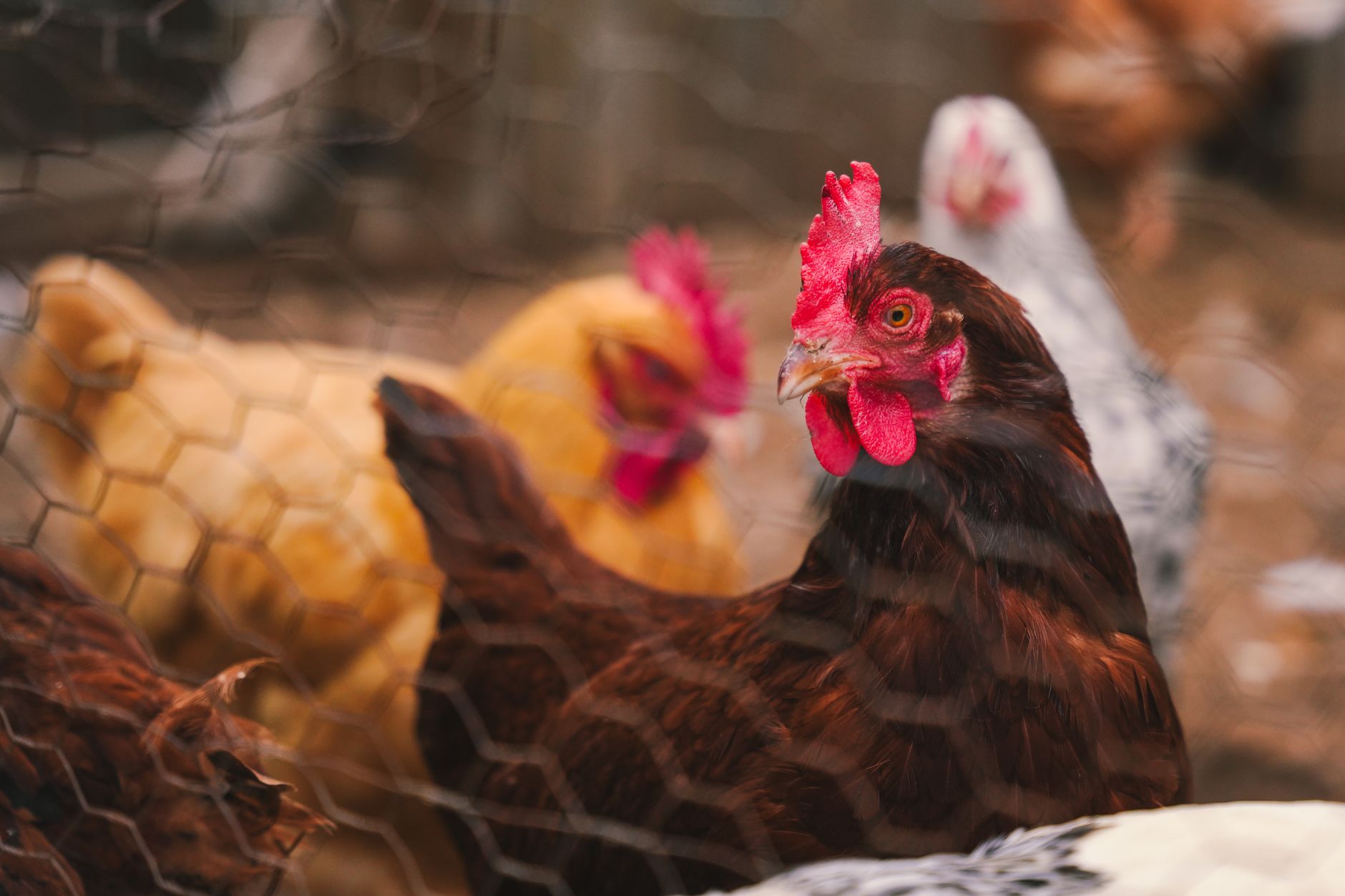
Discover the best chicken breeds for beginners, with practical advice on temperament, egg production, and care. Start your flock right.
If you are new to raising chickens, the best breeds are calm, hardy, and reliable layers. Choose from Australorp, Buff Orpington, Plymouth Rock, and Wyandotte for a stress-free start. These breeds tolerate a range of climates, rarely go broody, and produce 4 to 5 eggs per week. Start with 3 to 5 hens, and you will have fresh eggs within 5 to 6 months.
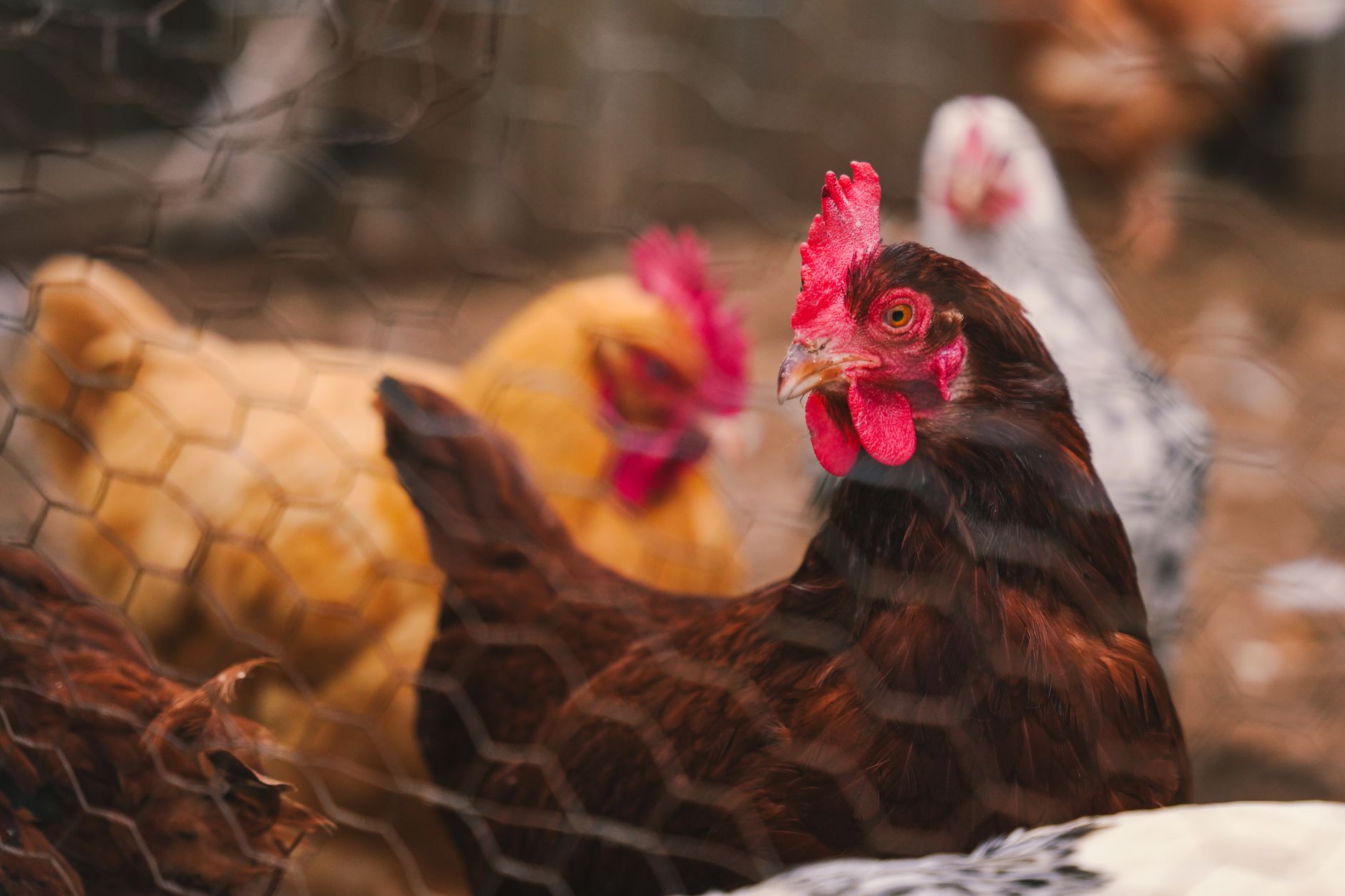
What makes a breed good for beginners
A good beginner breed is docile, hardy, and easy to manage. Calm birds are less likely to panic or peck, making them easier to handle and less stressful for you. Hardy breeds adapt to temperature swings and common diseases, reducing the risk of loss. Reliable egg production is also key: yo
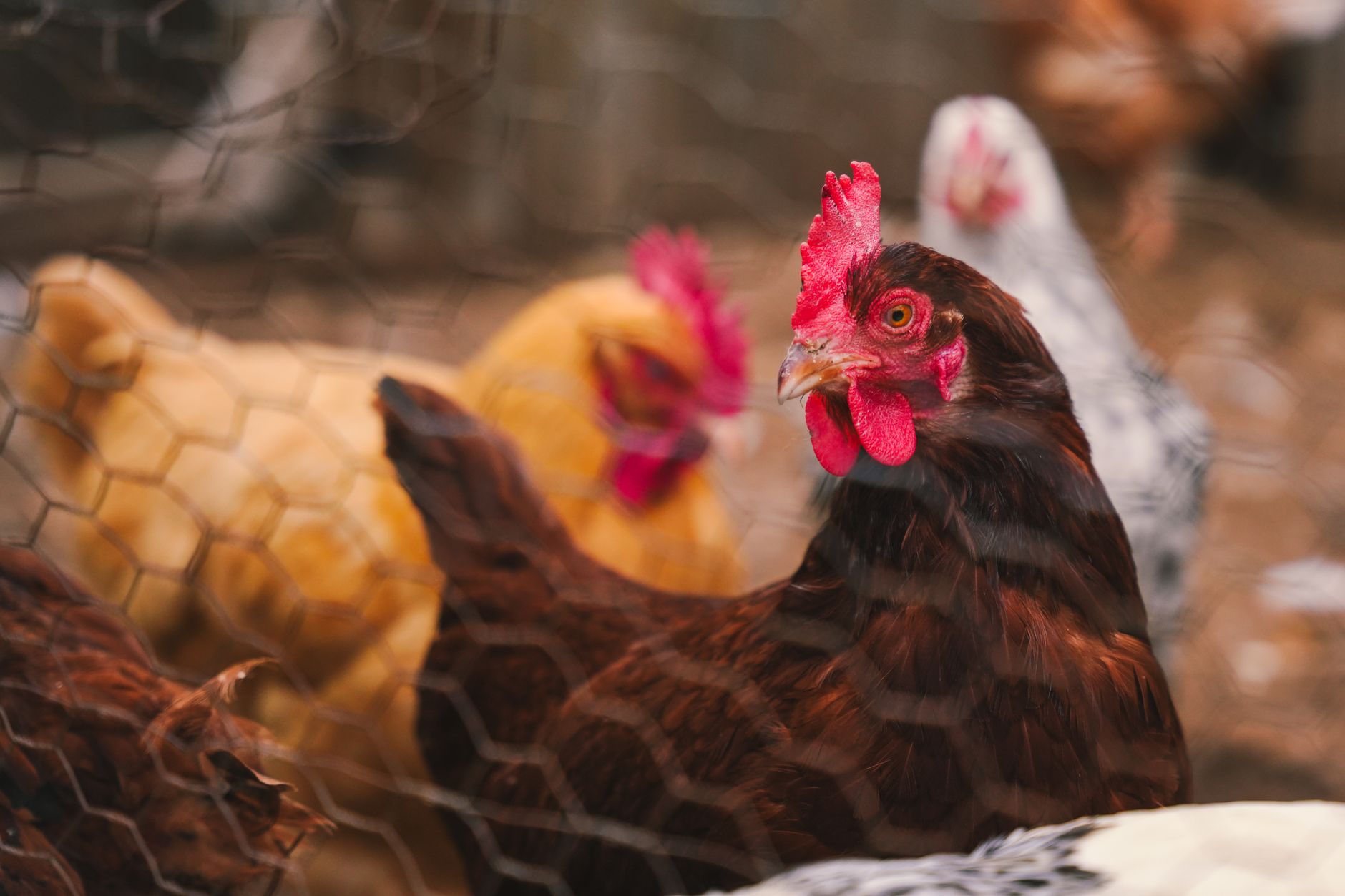 u want steady laying without excessive broodiness, which can stop egg production for weeks.
Top 5 breeds for beginners
Here are the breeds I recommend most often. They are all friendly, tough, and productive.
| Breed | Egg Color | Eggs/Week | Temperament | Cold Hardiness | Broodiness |
|---|---|---|---|---|---|
| Australorp | Light brown | 4-5 | Calm, friendly | Excellent | Low |
| Buff Orpington | Brown | 4-5 | Docile, affectionate | Good | Moderate |
| Plymouth Rock | Brown | 4-5 | Curious, calm | Good | Low |
| Wyandotte | Brown | 4-5 | Independent, calm | Excellent | Moderate |
| Rhode Island Red | Brown | 5-6 | Active, hardy | Excellent | Low |
Australorp
Australorps are my top pick for beginners. They are gentle, quiet, and lay large brown eggs almost daily. They handle heat and cold well, and they rarely go broody. You can find them at most hatcheries, and they cost about $15 to $25 per chick.
Buff Orpington
Buff Orpingtons are the golden retrievers of chickens. They are friendly, calm, and love human attention. They lay 4 to 5 medium to large brown eggs per week. They do go broody occasionally, but that is manageable if you collect eggs daily. They are cold hardy, but their heavy feathering can make them prone to overheating in hot climates.
Plymouth Rock
Plymouth Rocks, especially the Barred variety, are classic American birds. They are curious, calm, and easy to handle. They lay 4 to 5 brown eggs per week and are reliable even in winter. They are not as cuddly as Orpingtons, but they are still friendly and great for families.
Wyandotte
Wyandottes are beautiful with their laced feathers. They are independent but calm, and they lay 4 to 5 brown eggs per week. They are excellent in cold weather and are known for being tough. They can be a bit more reserved, but they are still a good choice for beginners.
Rhode Island Red
Rhode Island Reds are a bit more active and can be bossy, but they are hardy and lay 5 to 6 brown eggs per week. They are great for free-ranging and are very low maintenance. If you want a bird that can handle tough conditions, this is a solid pick.
Where to buy your chickens
You have two main options: a local feed store or a mail-order hatchery. Local feed stores usually sell chicks in spring, and you can see them before buying. They cost $3 to $8 per chick for common breeds. Hatcheries offer more variety and can ship chicks to your door, but shipping adds $20 to $40, and you often have to buy a minimum of 3 to 5 chicks. For beginners, I recommend starting with a local source so you can ask questions and get support.
Setting up your coop and run
Before you bring chicks home, you need a safe, dry coop and run. Plan for at least 4 square feet per bird inside the coop and 10 square feet per bird in the run. For 4 hens, that means a coop of at least 16 square feet and a run of 40 square feet. Use hardware cloth (1/2 inch mesh) instead of chicken wire to keep out predators. A basic coop kit costs $300 to $600, or you can build one for $200 to $400 in materials.
For bedding, use pine shavings or straw. Avoid cedar shavings, which can harm chickens. You will also need a feeder, waterer, and a heat lamp for chicks. A 5-gallon feeder and waterer set costs about $20 to $30. A heat lamp with bulb is about $15 to $25.
Feeding and daily care
Feed your chickens a balanced diet. For chicks, use a starter feed with 18% to 20% protein for the first 6 weeks. Then switch to a grower feed (16% protein) until they start laying, around 18 to 20 weeks. Once laying, use a layer feed with 16% protein and extra calcium. A 50-pound bag of layer feed costs about $15 to $20 and lasts 4 to 6 weeks for 4 hens.
Provide fresh water daily, and clean the coop weekly. Check for signs of illness, like lethargy, sneezing, or pale combs. Keep the coop dry and draft-free in winter, and provide shade and ventilation in summer.
Common mistakes to avoid
- Buying too many chicks: start with 3 to 5, not 20.
- Using chicken wire: it keeps chickens in but not predators out. Use hardware cloth.
- Skipping predator-proofing: raccoons and weasels can kill a whole flock in one night.
- Overcrowding: too many birds leads to stress and disease.
- Not collecting eggs daily: this encourages broodiness and attracts predators.
FAQ
How many chickens should I start with?
Start with 3 to 5 hens. This gives you enough eggs for a family and keeps the flock social without being overwhelming. Chickens are social, so never keep just one.
When will my hens start laying?
Most breeds start laying at 18 to 22 weeks, depending on the breed and season. If you get chicks in spring, they will likely start in late summer or early fall.
Do I need a rooster for eggs?
No. Hens lay eggs without a rooster. You only need a rooster if you want fertilized eggs for hatching.
How long do chickens live?
Chickens can live 8 to 10 years, but egg production drops after 2 to 3 years. Many backyard keepers keep older hens as pets or for pest control.
The bottom line
For beginners, the best chickens are Australorps, Buff Orpingtons, Plymouth Rocks, Wyandottes, and Rhode Island Reds. They are calm, hardy, and reliable layers. Start with 3 to 5 hens, set up a safe coop with hardware cloth, and feed them a quality layer feed. With a little daily care, you will have fresh eggs in about 6 months. Choose a breed that fits your climate and personality, and you will enjoy your flock for years.