Best chicken coop for beginners
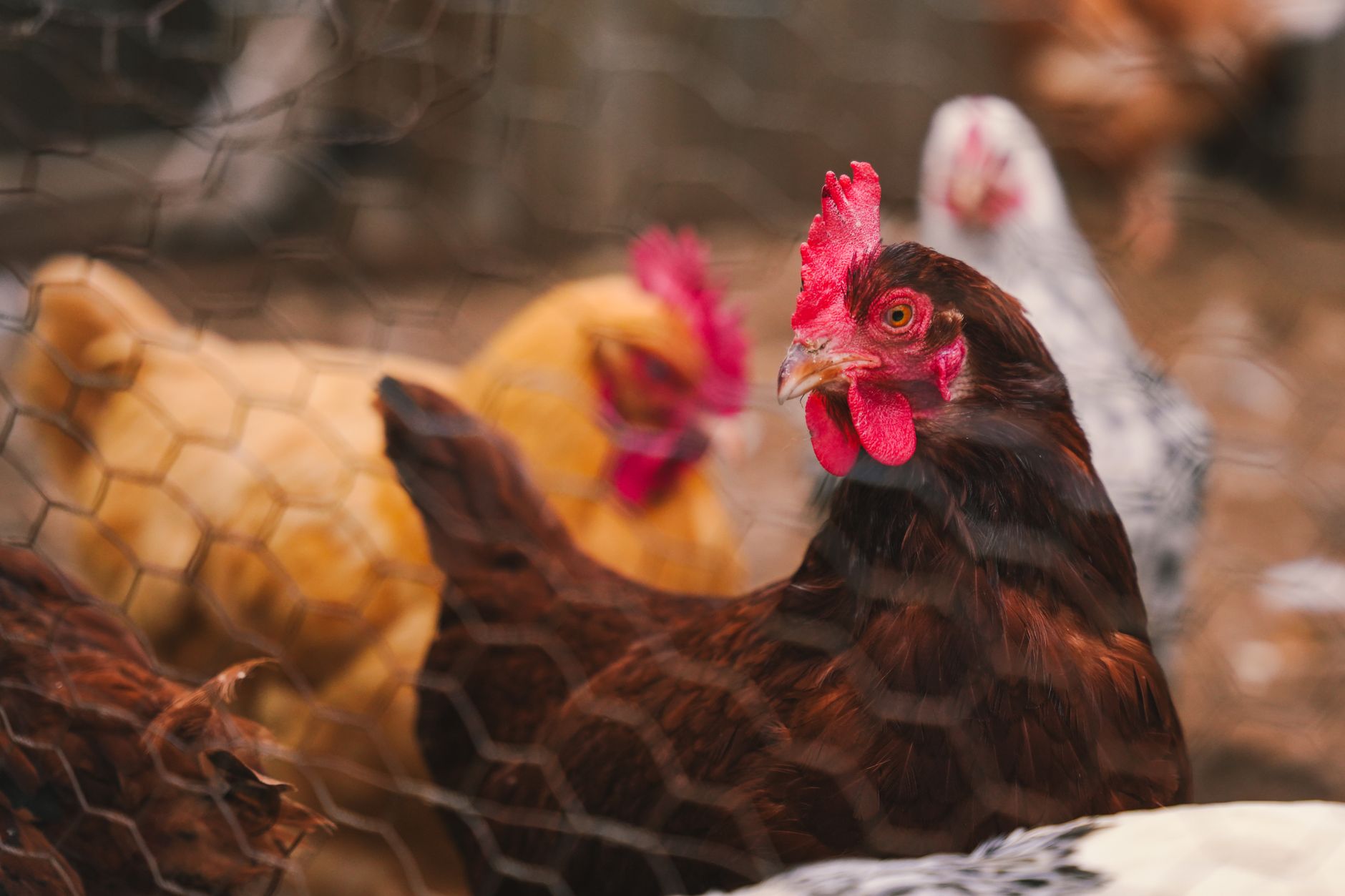
Find the best chicken coop for beginners with practical advice on size, materials, and cost. Compare top models and DIY options for 2026.
The best chicken coop for beginners is one that is predator-proof, easy to clean, and sized at least 4 square feet per bird inside and 10 square feet in the run. You do not need a fancy or expensive coop to start; a simple, well-built design with proper ventilation and secure latches will serve you better than a Pinterest-worthy structure. Here is what to look for, what to avoid, and three solid options that will not break the bank.
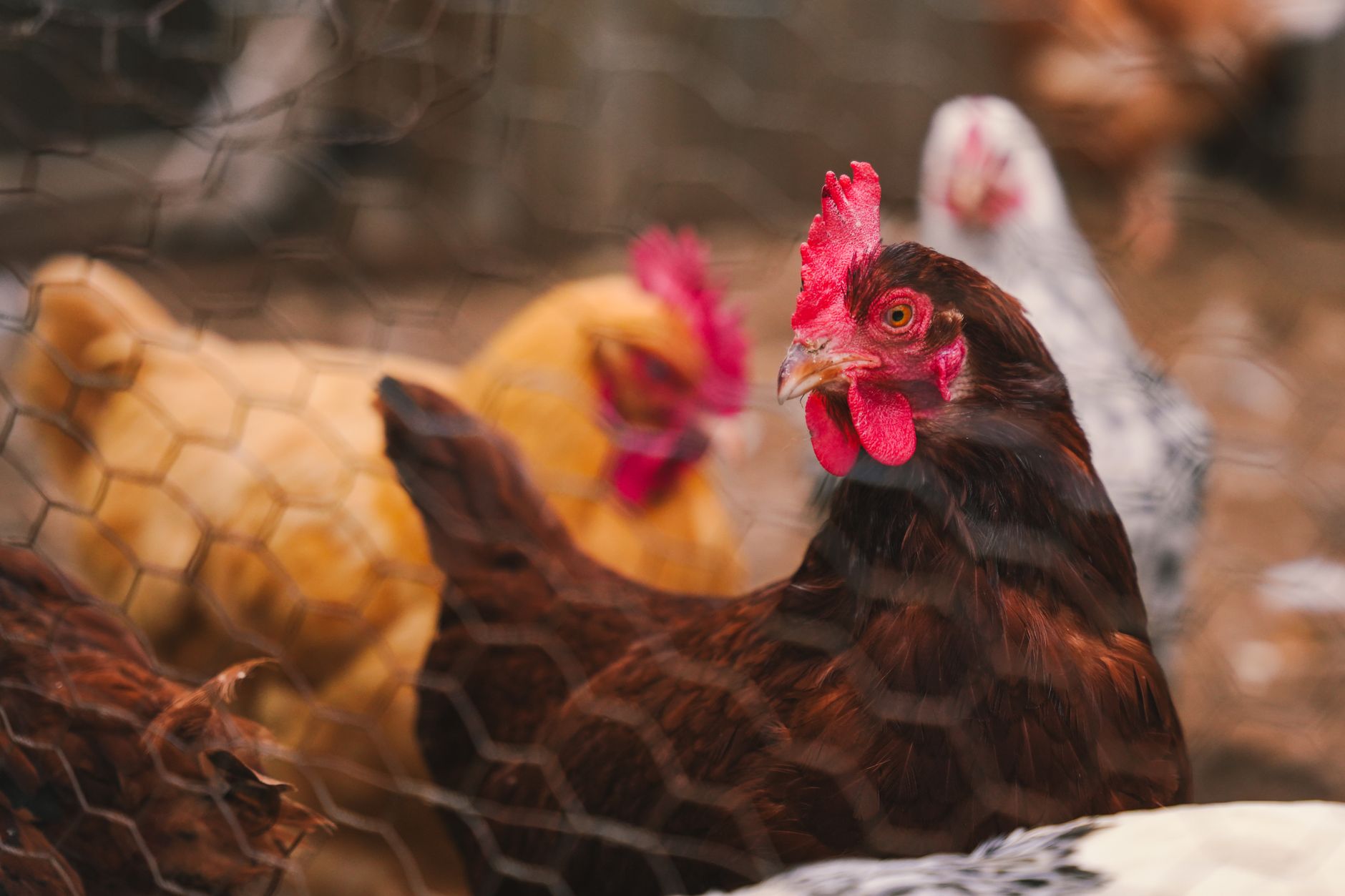
What to look for in a beginner coop
Before you buy or build, focus on these four non-negotiables:
- Predator protection: Hardware cloth (1/2 inch mesh) on all openings, including windows and vents. Avoid chicken wire; raccoons can rip through it. Use predator-proof latches that require two steps to open (like a carabiner plus a sliding bolt).
- Ventilation: Coops get humid and ammonia-heavy fast. Look for vents near the top that are covered with hardware cloth. Aim for at least 1 square foot of vent area per bird.
- Easy cleaning: A dropping board under the roost, a pull-out tray, or a hinged roof makes cleaning a 15-minute job instead of an hour. You will clean weekly, so design matters.
- Roost and nesting boxes: Roosts should be 2x4 inches with the wide side up, placed 18 to 24 inches off the floor. Nesting boxes: one per
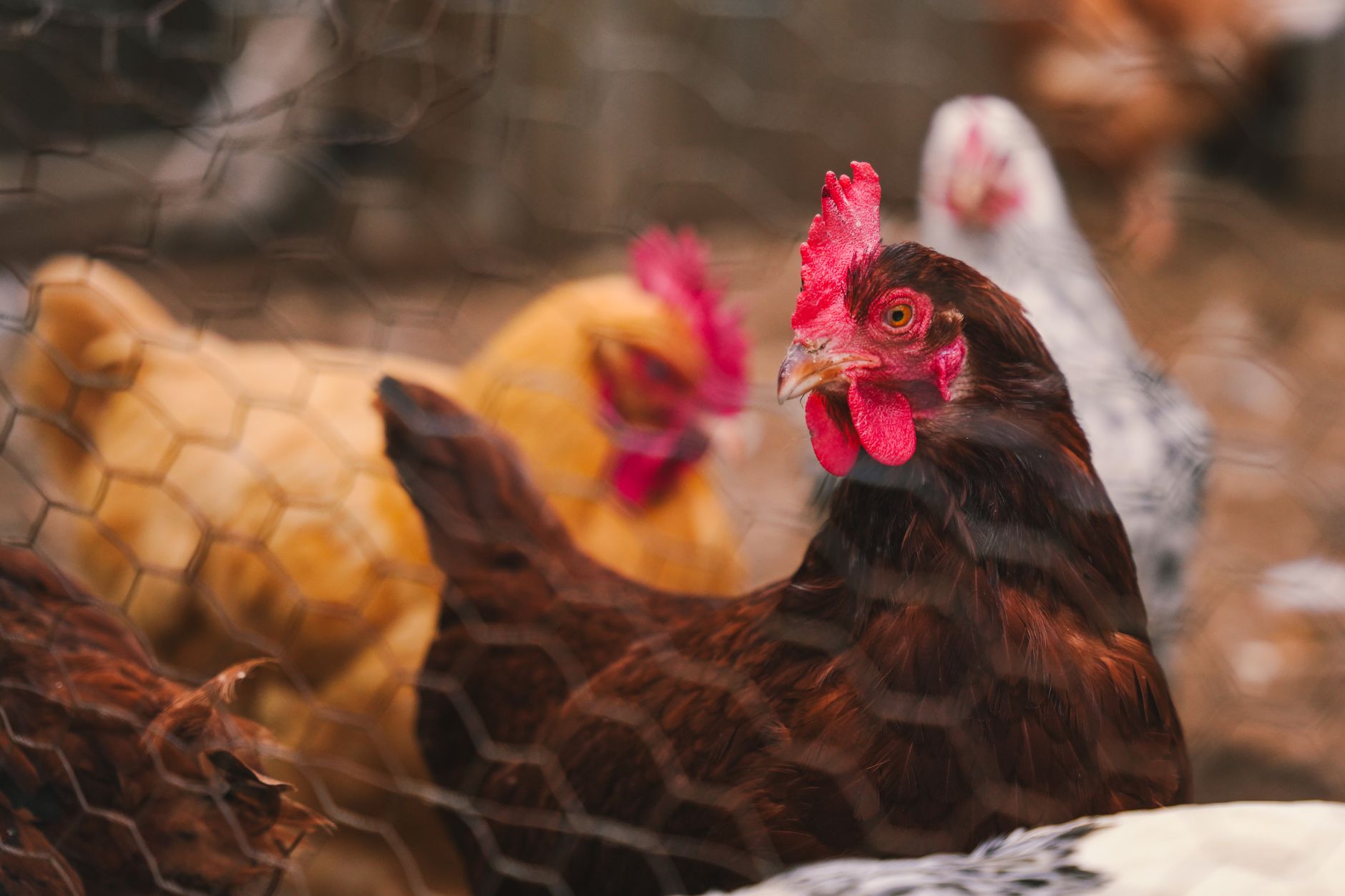 3 to 4 hens, at least 12x12x12 inches, placed lower than the roost to discourage sleeping in them.
Size: how big does your coop need to be?
A common beginner mistake is buying too small. Standard bantam or standard-sized hens need:
- Inside coop: 4 square feet per bird (e.g., 4 hens = 16 sq ft).
- Run space: 10 square feet per bird if they get out daily, 15 to 20 if they are confined most of the time.
For 4 to 6 hens, a coop that is 6x4 feet (24 sq ft) with a run of 8x10 feet (80 sq ft) is comfortable. If you plan to expand, buy or build for the flock size you want in 2 years, not today.
Material and construction: wood vs. metal vs. plastic
- Wood: Classic, insulates well, but requires painting and occasional repair. Use exterior-grade plywood (at least 1/2 inch) and pressure-treated skids for the base.
- Metal: Predator-proof and long-lasting, but can get hot in summer and cold in winter. Look for models with insulation or add your own.
- Plastic/resin: Easy to clean, rot-proof, and lightweight, but can be flimsy in high winds. Check wall thickness; cheap models crack.
For beginners, a well-built wood coop or a sturdy resin model is the sweet spot. Avoid kits with thin plywood and stapled wire; they fall apart in a year.
Top 3 coops for beginners in 2026
Here are three reliable options, with realistic prices from major retailers and farm supply stores as of early 2026:
| Model | Type | Capacity | Price Range | Pros | Cons |
|---|---|---|---|---|---|
| Omellet Eglu Go Up | Plastic/resin with run | 4 hens | $1,200 - $1,500 | Easy to clean, predator-proof, movable | Pricey, small run (add extension) |
| Pawhut Heavy Duty Wood Coop | Wood with run | 4-6 hens | $400 - $600 | Affordable, spacious, good ventilation | Assembly takes 4-6 hours, wood needs sealing |
| Tractor Supply Producer’s Pride Sentinel | Wood with run | 4-6 hens | $500 - $700 | Solid construction, easy access doors | Run is a bit small, add hardware cloth |
If you are handy, building your own from plans (like the popular 4x8 coop) costs $300 to $500 in materials, but takes a weekend and requires basic tools.
DIY vs. buying: what is right for you?
- Buy a kit if you want convenience and have a moderate budget. Expect assembly time of 3 to 6 hours. Check reviews for fit and sturdiness.
- Build from plans if you have basic carpentry skills and want to customize. You can save 20-30% and make it exactly your size. Use plans from reputable sources like the University of Missouri Extension or Backyard Poultry Magazine.
- Repurpose a shed or dog house if you are on a tight budget, but you will need to add roosts, nesting boxes, and ventilation. Make sure it is predator-proof.
Setting up your coop: 5 steps this week
- Choose a location: Place the coop on high ground, with the run facing south (in the Northern Hemisphere) for winter sun. Ensure good drainage; avoid low spots.
- Level the ground: Use gravel or pavers under the coop to prevent mud and deter digging predators.
- Install hardware cloth: Cover all windows and vents. Bury the cloth 12 inches deep around the run perimeter to stop digging.
- Add bedding: Use pine shavings (not cedar) 2-3 inches deep on the floor and in nesting boxes. Replace soiled bedding weekly.
- Set up feeders and waterers: Use a hanging feeder and a 2-gallon waterer with a stand. Place them off the ground to keep clean.
FAQ
How many chickens should I start with? Start with 3 to 4 hens. They are social, so never keep fewer than 3. More than 6 can be overwhelming for a beginner.
What is the best bedding for a beginner coop? Pine shavings are the easiest and most absorbent. Avoid cedar shavings (harmful to respiratory systems) and straw (can harbor mites).
Do I need a heat lamp in winter? No. Chickens are cold-hardy if they are dry and draft-free. A heat lamp is a fire hazard. Instead, provide a roost and good ventilation. Only add heat if temperatures drop below 0°F and your birds show signs of frostbite.
How often should I clean the coop? Spot clean daily (remove droppings from the dropping board). Do a full clean weekly: replace bedding, scrub the waterer, and disinfect with a vinegar-water solution. A deep clean monthly: wash everything and let it dry in the sun.
The bottom line
For a beginner, the best chicken coop is one that is safe, cleanable, and sized for your flock. You do not need the most expensive model; a $500 wooden coop with hardware cloth upgrades will work as well as a $1,500 plastic one. Start with 3 to 4 hens, set up your coop properly, and you will have happy, healthy birds within a month. Buy or build this week, and you will be ready for spring chicks.