Best chicken breeds for beginners
Discover the best chicken breeds for beginners: hardy, friendly, and productive. Compare top picks, get practical tips, and avoid common mistakes.
If you’re new to chickens, you want breeds that are hardy, friendly, and reliable layers. The best beginner breeds are Rhode Island Reds, Buff Orpingtons, and Australorps. They tolerate cold and heat, rarely go broody, and lay 4-5 eggs per week. Start with 3 to 5 hens, no rooster needed for eggs, and you’ll have fresh eggs in 5 to 6 months.
What makes a breed beginner-friendly
A good beginner breed is calm, hardy, and low-maintenance. Look for these traits:
- Docile temperament: Friendly birds are easier to handle and less likely to peck.
- Cold and heat tolerance: Hardy breeds handle temperature swings without extra care.
- Good egg production: You want consistent laying, not just a few eggs a year.
- Low broodiness: Broody hens stop laying and try to hatch eggs, which is a hassle for beginners.
- Foraging ability: Active foragers find their own food, saving you money.
Avoid breeds like Silkies (
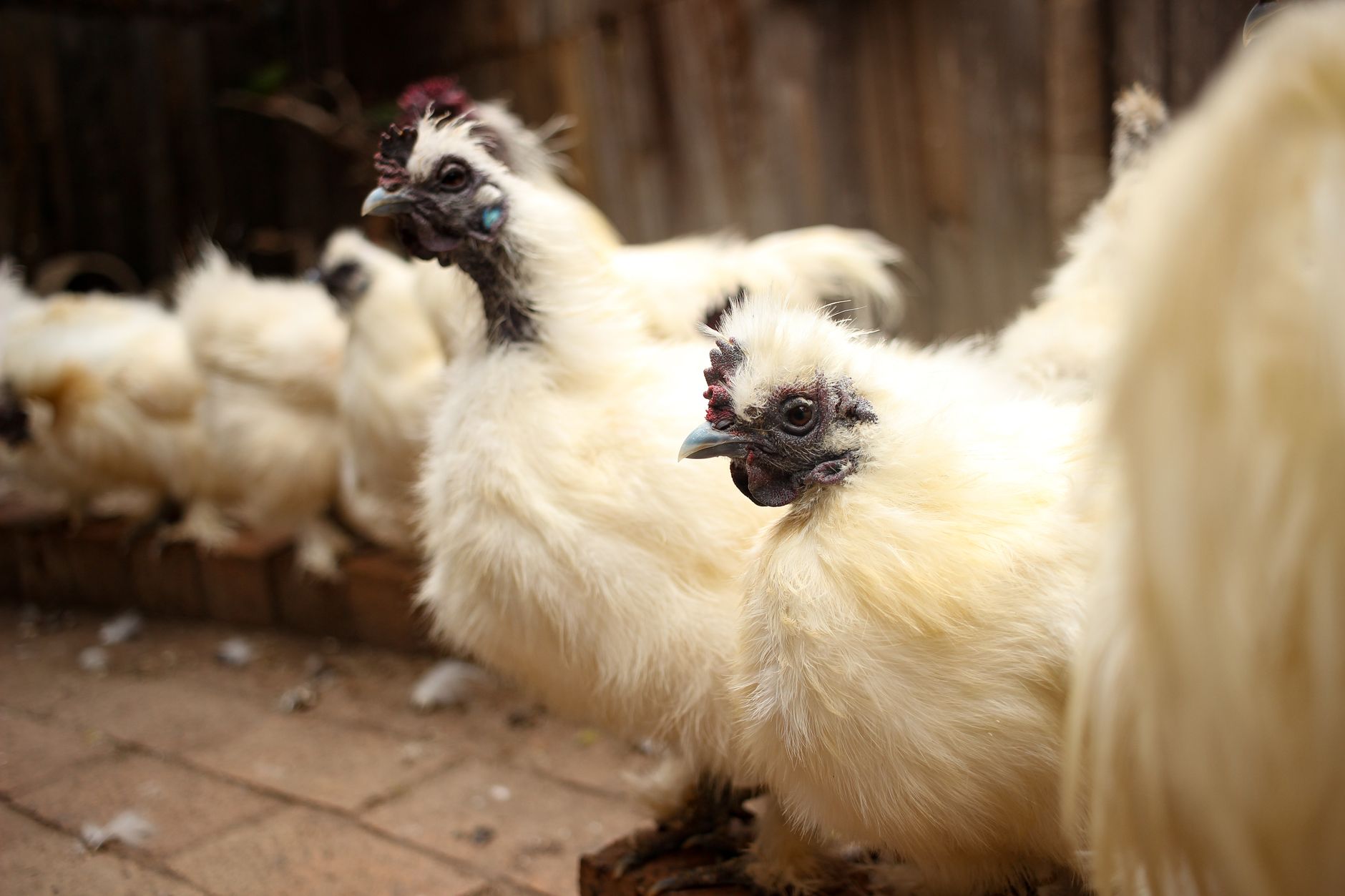 too fragile), Leghorns (flighty), and Brahmas (slow to mature). They’re better for experienced keepers.
Top 5 breeds for beginners
Here are the best all-around breeds, with realistic numbers for 2026.
| Breed | Egg color | Eggs/week | Maturity | Temperament | Cold hardy | Price per chick |
|---|---|---|---|---|---|---|
| Rhode Island Red | Brown | 4-5 | 5-6 months | Friendly, active | Excellent | $3-$5 |
| Buff Orpington | Brown | 3-4 | 6-7 months | Very docile | Excellent | $4-$6 |
| Australorp | Light brown | 4-5 | 5-6 months | Calm, friendly | Excellent | $3-$5 |
| Barred Plymouth Rock | Brown | 4-5 | 5-6 months | Docile, curious | Excellent | $3-$5 |
| Wyandotte | Brown | 3-4 | 6-7 months | Calm, independent | Excellent | $4-$6 |
Prices are for day-old chicks from a hatchery. Pullets (young hens) cost $15-$25 each. All these breeds are dual-purpose, meaning they’re good for eggs and meat if you ever decide to process them.
How to choose the right breed for your climate
Most beginner breeds handle a wide range of climates, but consider your region:
- Cold climates (USDA zones 3-5): Rhode Island Reds, Buff Orpingtons, and Wyandottes have small combs that resist frostbite. They’ll keep laying through winter with a light in the coop.
- Hot climates (zones 8-10): Australorps and Barred Rocks tolerate heat better. Provide shade and plenty of water; they’ll slow down in summer but recover.
- Mild climates (zones 6-7): Any of these breeds work well. Just provide basic shelter and protection from predators.
If you live in a very hot area, avoid heavy breeds like Orpingtons; they can overheat. In very cold areas, avoid breeds with large combs like Leghorns.
Where to buy your chickens
You have three main options:
- Hatcheries: Order online or by phone. They ship day-old chicks by mail. Minimum order is often 3-5 chicks. Popular hatcheries include Murray McMurray Hatchery, Meyer Hatchery, and Cackle Hatchery. Expect to pay $3-$6 per chick plus $20-$40 shipping.
- Local farm stores: Tractor Supply and similar stores sell chicks in spring (February to April). You can buy as few as one, but selection is limited. Price is usually $3-$5 per chick.
- Local breeders: Check Craigslist or Facebook Marketplace. You can find pullets (already laying) for $15-$25 each. This is the easiest option for beginners because you skip the brooder stage.
For your first flock, I recommend buying pullets from a local breeder if possible. They’re already vaccinated, sexed, and ready to lay. If you start with chicks, you’ll need a brooder setup, which costs $50-$100 extra.
Setting up your coop and run
Before you bring chickens home, have their housing ready. Here’s what you need:
- Coop: Provide at least 4 square feet per bird inside. A 4x8 coop works for 8 hens. You can build one for $200-$400 or buy a prefab for $500-$1,000.
- Run: Provide at least 10 square feet per bird outside. Use hardware cloth (1/2 inch mesh) to keep out predators. A 10x10 run costs $100-$200 in materials.
- Nesting boxes: One box per 3-4 hens. Fill with straw or wood shavings.
- Roosts: Provide 8-12 inches of perch per bird. Use 2x4s with the wide side up.
- Feeder and waterer: A 10-pound feeder and 2-gallon waterer cost $20-$40 total. Use a galvanized or plastic model that’s easy to clean.
Set up everything before the birds arrive. Chickens need time to adjust, and a secure coop prevents losses.
Feeding and daily care
Chickens are easy to feed, but they need consistent care:
- Feed: Use a complete layer feed (16% protein) for hens over 18 weeks. A 50-pound bag costs $15-$25 and lasts 6-8 weeks for 4 hens. For chicks, use starter feed (20% protein) for the first 6 weeks.
- Water: Provide fresh water daily. In winter, use a heated waterer to prevent freezing.
- Treats: Give kitchen scraps, greens, and mealworms in moderation. Treats should be less than 10% of their diet.
- Grit and oyster shell: Offer grit (small stones) to help digestion, and oyster shell for strong eggshells. Both cost $5-$10 per bag.
Daily tasks take about 10 minutes: check water, refill feed, collect eggs, and do a quick health check. Weekly, clean the coop and replace bedding.
Common mistakes to avoid
I’ve made these mistakes so you don’t have to:
- Buying too many birds: Start with 3-5 hens. You can always add more later.
- Not predator-proofing: Raccoons, foxes, and hawks are relentless. Use hardware cloth, not chicken wire, and secure all openings.
- Overcrowding: Too many birds leads to stress, pecking, and disease. Follow the space guidelines above.
- Getting a rooster: Roosters are loud and can be aggressive. You don’t need one for eggs. If you want chicks, add a rooster later, but check local ordinances.
- Feeding the wrong feed: Don’t feed medicated starter to adult hens, and don’t give layer feed to chicks. Each stage has specific needs.
FAQ
How many chickens should I start with?
Start with 3 to 5 hens. This gives you enough eggs for a family (12-20 per week) without overwhelming you. Chickens are social, so never keep just one.
When will my hens start laying?
Most beginner breeds start laying at 5 to 6 months of age. Some, like Orpingtons, may take 6 to 7 months. They lay best in their first year, then gradually decline.
Do I need a rooster for eggs?
No. Hens lay eggs without a rooster. The eggs are unfertilized and won’t hatch. A rooster is only needed if you want chicks.
How long do chickens live?
With good care, hens live 5 to 10 years. They lay well for the first 2-3 years, then production drops. Many keepers keep older hens as pets or for pest control.
The bottom line
For beginners, the best chicken breeds are Rhode Island Reds, Buff Orpingtons, Australorps, Barred Rocks, and Wyandottes. They’re hardy, friendly, and reliable layers. Start with 3 to 5 pullets from a local breeder, set up a secure coop and run, and feed them a balanced layer feed. You’ll have fresh eggs in a few months, and the learning curve is gentle. Avoid the temptation to buy rare or exotic breeds until you’ve got a season under your belt. Stick with these proven winners, and you’ll enjoy your flock for years.