Butter vs margarine
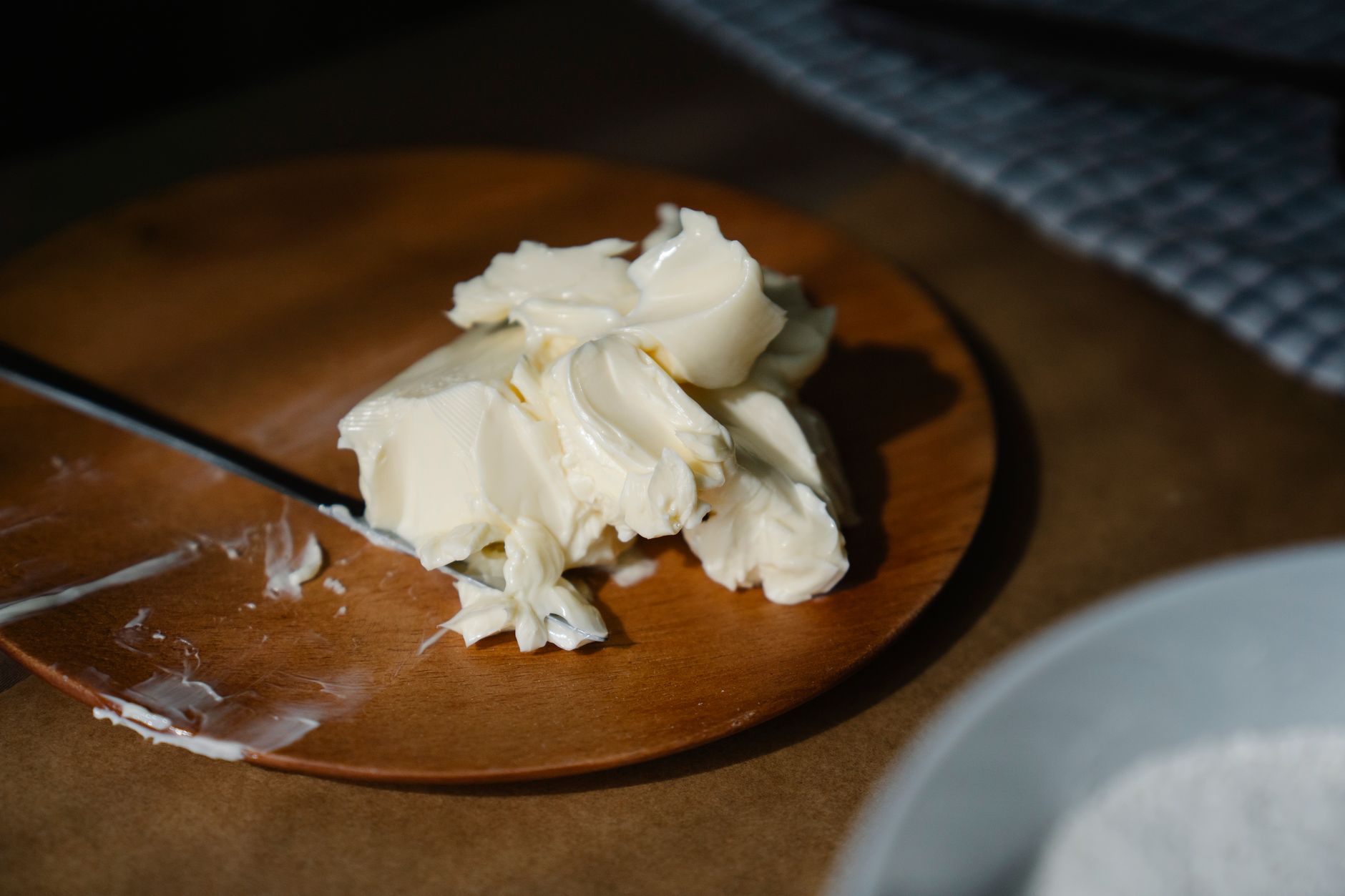
Compare butter and margarine for homesteaders: nutrition, cost, flavor, and how to choose. Real prices, uses, and storage tips for 2026.
Butter and margarine are not the same, and for a homesteader the choice matters more than just taste. Butter is a dairy product made from cream, while margarine is a processed spread made from vegetable oils, water, and additives. If you raise cows or buy cream, butter is often cheaper and more flavorful. If you are vegan or need a longer shelf life, margarine has its place. Here is the honest breakdown, with real numbers for 2026.
What is butter?
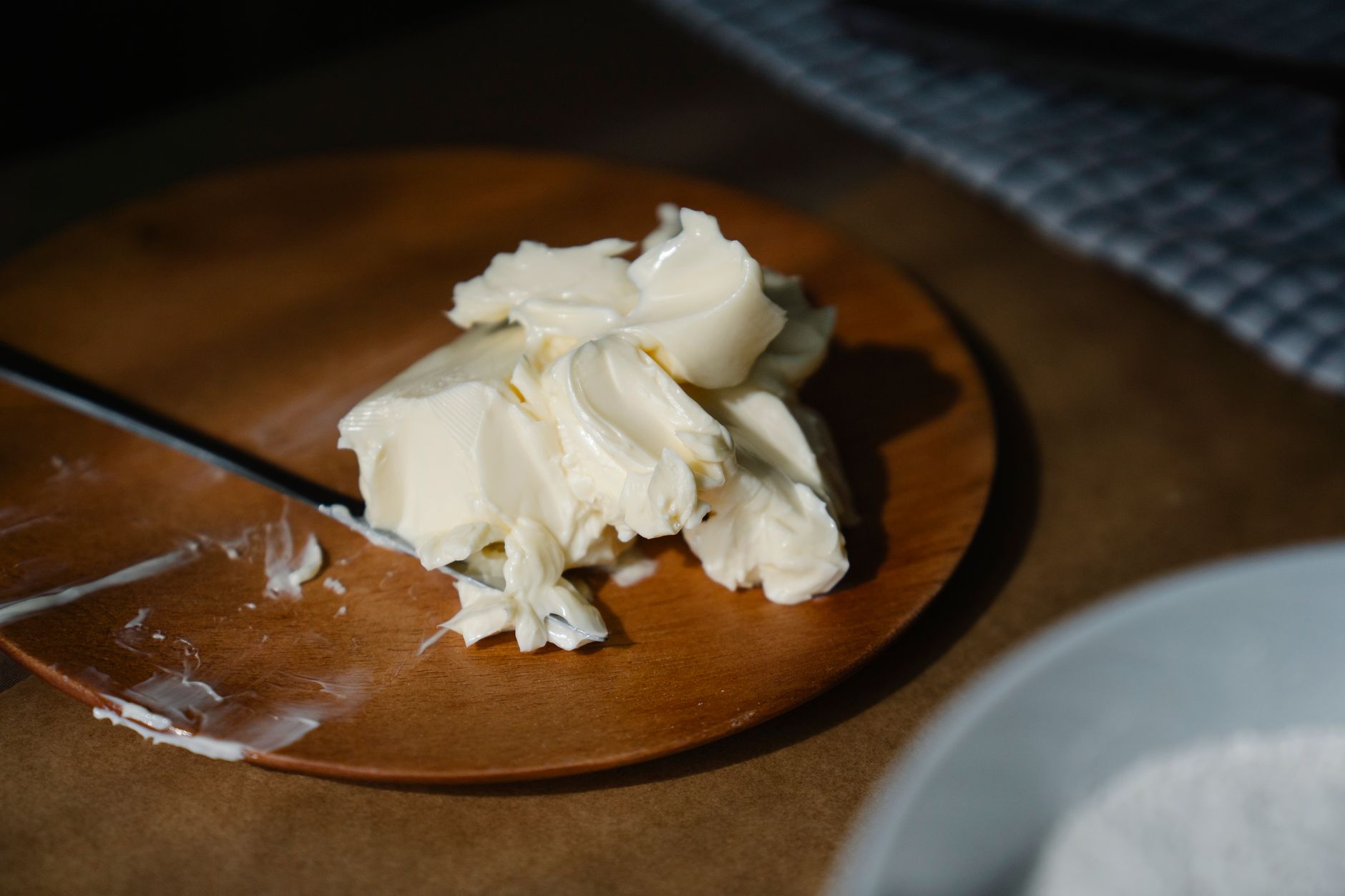
Butter is churned cream, nothing else. It contains at least 80% milkfat, with the rest being water and milk solids. You can make it at home with a stand mixer or a butter churn (about $30 to $80 for a hand-crank model). One quart of heavy cream (about $4 to $6 at retail, less if you milk your own cow) yields roughly 1
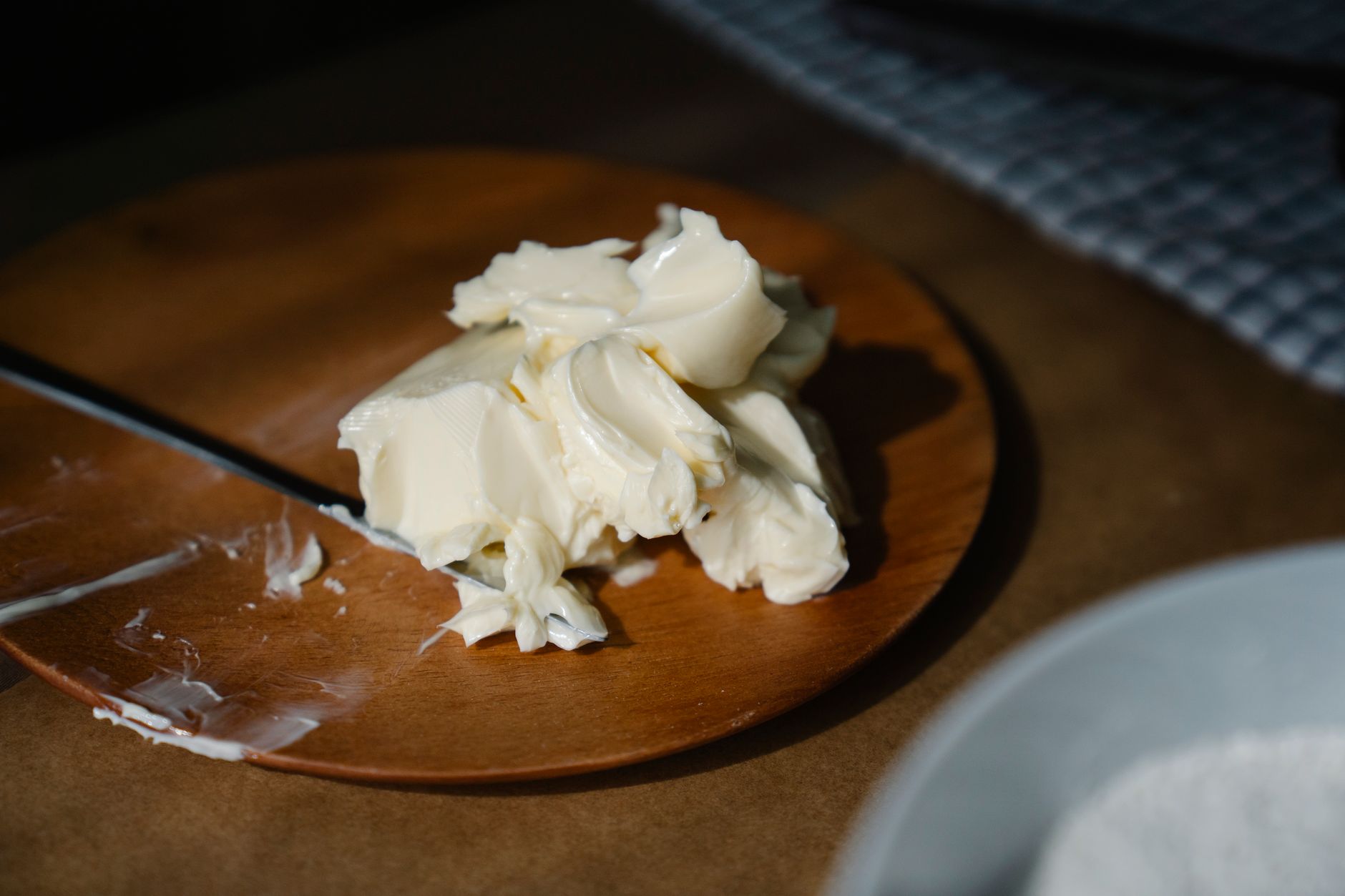 pound of butter. The flavor is rich, and it browns beautifully for cooking.
What is margarine?
Margarine is an emulsion of vegetable oils (soybean, palm, canola) with water, salt, emulsifiers, and often artificial flavors and colors. It was invented as a cheap butter substitute. In 2026, a standard tub of margarine costs $2 to $4 per pound, but the cheapest brands use highly processed oils. Some premium plant-based spreads (like Miyoko’s or Earth Balance) cost $5 to $7 per pound, but they are still not butter.
Nutrition: which is healthier?
Butter has saturated fat and cholesterol, but it also has fat-soluble vitamins A, D, E, and K2 (especially from grass-fed cows). Margarine has unsaturated fats, which are heart-healthier in theory, but many margarines contain trans fats (partially hydrogenated oils) unless they are labeled “0 grams trans fat.” In 2026, most tub margarines are trans-fat-free, but they still contain additives like mono- and diglycerides and preservatives.
For a homesteader who eats whole foods, butter is the cleaner choice. If you need to lower cholesterol, use butter in moderation or try a plant-based spread with no palm oil (palm oil has environmental concerns).
Cost comparison (2026)
| Product | Price per pound | Notes |
|---|---|---|
| Store butter (salted) | $4 to $6 | Regular grocery, 1 lb blocks |
| Grass-fed butter | $8 to $12 | Kerrygold or local farm |
| Homemade butter (from store cream) | $5 to $7 | Includes cream cost, plus your time |
| Homemade butter (from own cow) | $2 to $4 | If you have a dairy cow, feed costs included |
| Margarine (standard tub) | $2 to $4 | Soybean or palm oil base |
| Premium plant-based spread | $5 to $7 | Higher quality oils, no dairy |
If you buy cream at $5 per quart, homemade butter is not cheaper than store butter. But if you have a cow, it is. And the flavor is unmatched.
Cooking and baking: which performs better?
Butter wins for flavor and texture in most baked goods. Cookies spread differently, pie crusts flake better, and sauces emulsify more smoothly. Margarine has a higher smoke point (about 400°F vs 350°F for butter), so it is better for high-heat frying. But for sautéing at medium heat, butter is fine if you watch it.
For dairy-free diets, margarine is the only option. But for everything else, use butter. If you are making a roux or a beurre blanc, margarine will not give the same result.
Storage and shelf life
Butter keeps in the fridge for 1 to 3 months, and in the freezer for up to 6 months (wrap tightly). Margarine lasts 4 to 6 months in the fridge, and it does not freeze well (it separates). On the counter, salted butter can stay for a week or two, but margarine can sit for a month (though it may develop off-flavors). For long-term storage, butter is better because you can freeze it.
How to choose for your homestead
- If you have dairy animals, make butter. It is simple, and you control the salt and quality.
- If you buy dairy, compare prices. Store butter at $4/lb is a good deal, and grass-fed at $8 is worth it for eating raw on bread.
- If you are vegan or have a dairy allergy, choose a margarine with no palm oil and no hydrogenated oils. Look for “non-GMO” if that matters to you.
- For baking, always use butter unless the recipe specifically calls for margarine (some vegan recipes do).
Making your own butter: a quick guide
If you want to try it this week, here is the simplest method:
- Pour 2 cups of heavy cream into a stand mixer with the whisk attachment.
- Beat on medium-high for 5 to 10 minutes. First it becomes whipped cream, then it breaks into butter and buttermilk.
- Strain the buttermilk (save it for pancakes), then rinse the butter in cold water to remove excess buttermilk (this helps it keep longer).
- Knead in salt if you like (about 1/4 teaspoon per pound).
- Wrap in wax paper and refrigerate.
That is it. You will get about 1 pound of butter from 2 cups of cream. The buttermilk is a bonus for baking.
FAQ
Can I substitute margarine for butter in any recipe?
In most baking, yes, but the texture and flavor will change. Margarine has more water, so cookies may spread more and be less tender. For pie crusts, use butter for flakiness. For frying, margarine is fine.
Is margarine really cheaper than butter?
Yes, standard margarine is $2 to $4 per pound, while store butter is $4 to $6. But if you make your own from a cow, butter can be cheaper than margarine.
Does butter need to be refrigerated?
Salted butter can stay at room temperature for a few days, but it can go rancid faster. Unsalted butter should always be refrigerated. For long storage, freeze it.
Which is better for the environment?
Butter from local grass-fed cows has a lower carbon footprint than palm oil margarine, but any dairy has methane emissions. It is a trade-off. If you care about animal welfare and local food, butter wins.
The bottom line
For flavor, nutrition, and homestead self-sufficiency, butter is the winner. It costs more at the store, but if you have a cow, it is nearly free. Margarine is a cheap, shelf-stable alternative for vegans or tight budgets, but it is a processed food. Try making your own butter once; you will taste the difference, and you will never go back to margarine for your morning toast.