Butter vs lard
Compare butter and lard for baking, frying, and pastry. Learn fat content, smoke points, costs, and how to choose for your homestead kitchen.
If you are trying to decide between butter and lard for your kitchen, here is the short answer: use butter for flavor and browning, use lard for flaky pastry and high-heat frying. Both are real fats with different strengths, and the best choice depends on what you are cooking. This guide breaks down the practical differences, costs, and how to use each one well.
What is the difference between butter and lard?
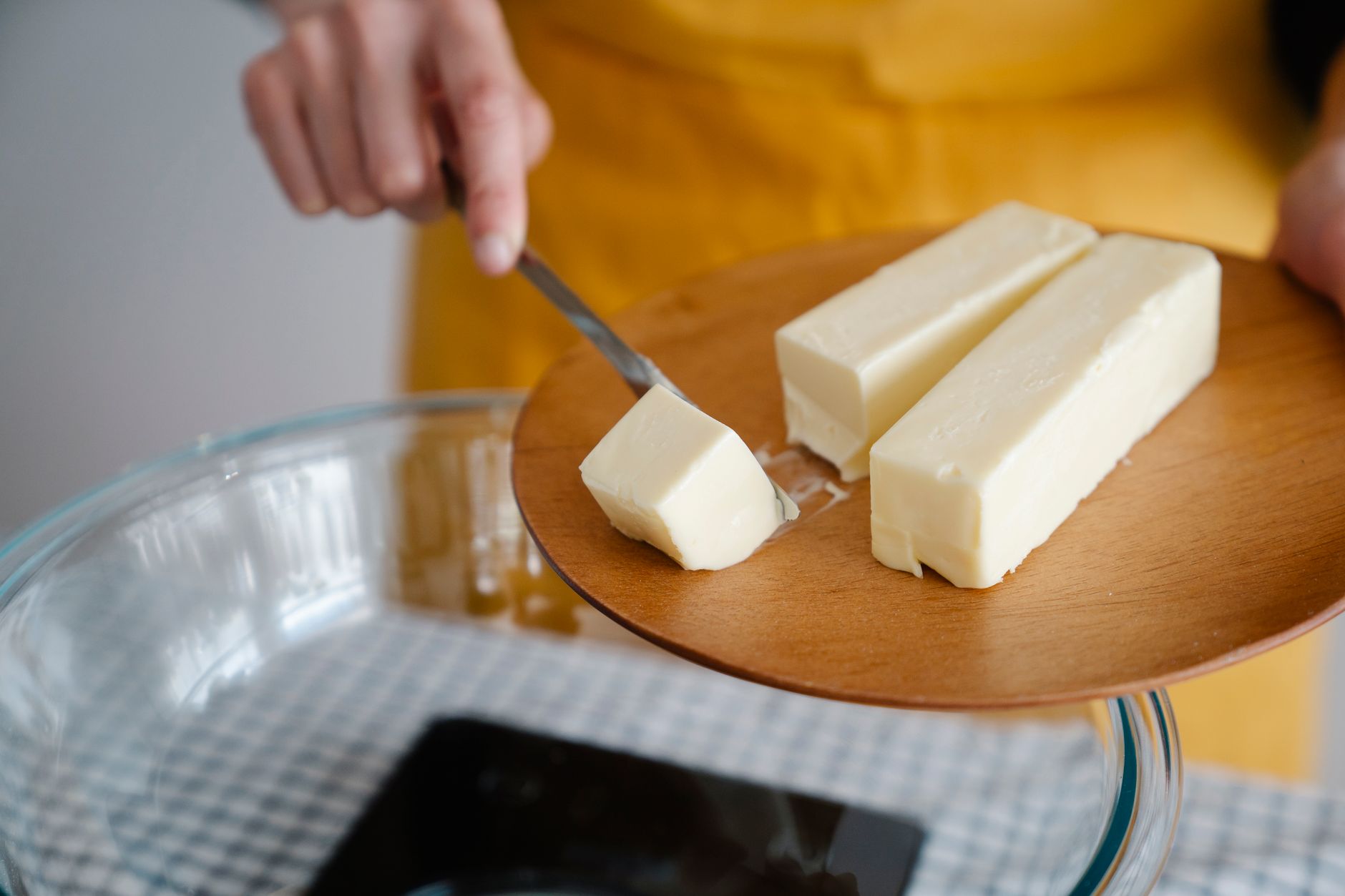
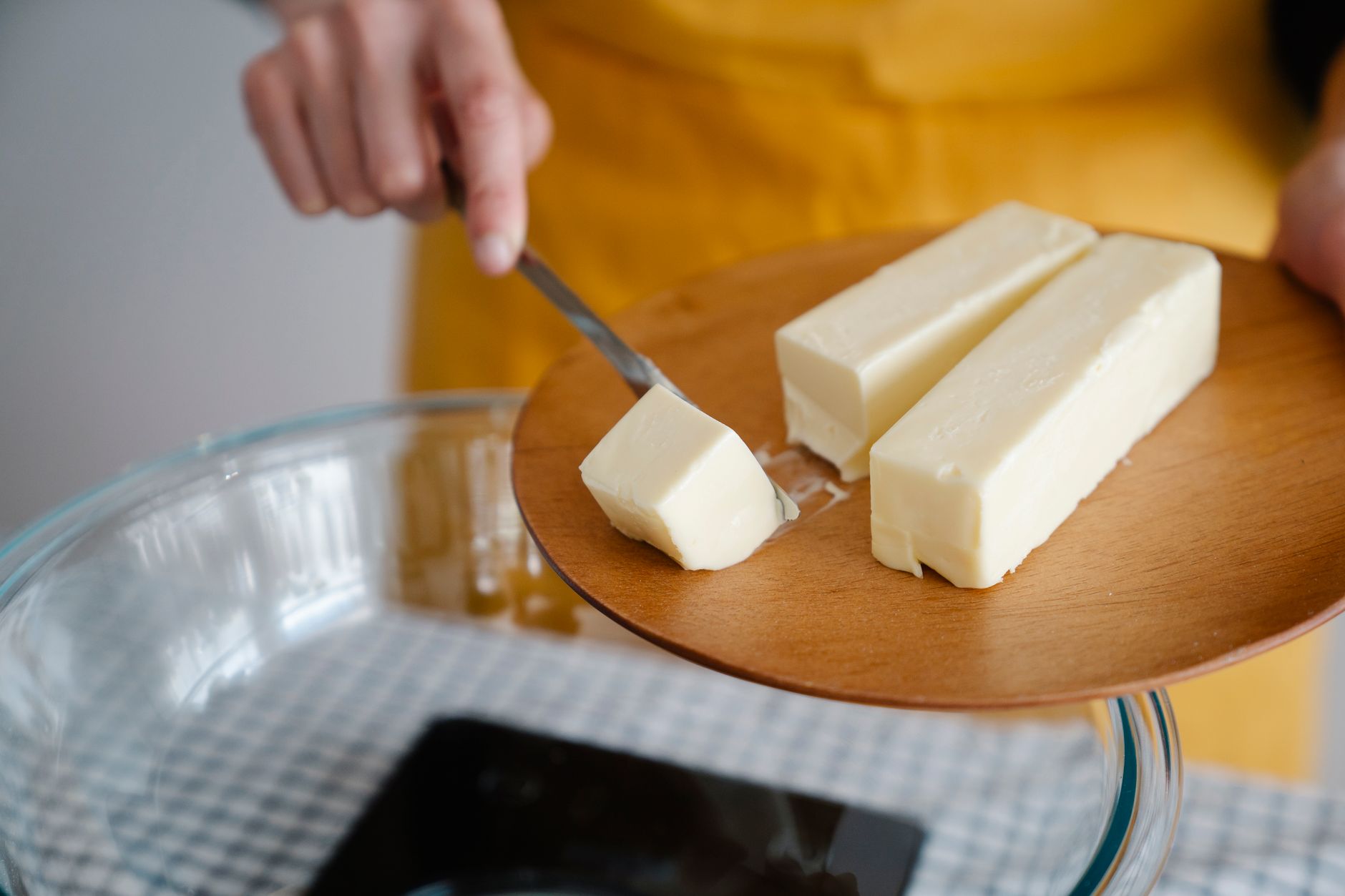
Butter is made from cream, typically cow’s milk, and contains about 80% butterfat, 15% water, and 5% milk solids. Lard is rendered pork fat, usually from the back or leaf fat of a pig, and contains nearly 100% fat with no water or milk solids. That difference in composition drives everything else: water means butter steams and brown
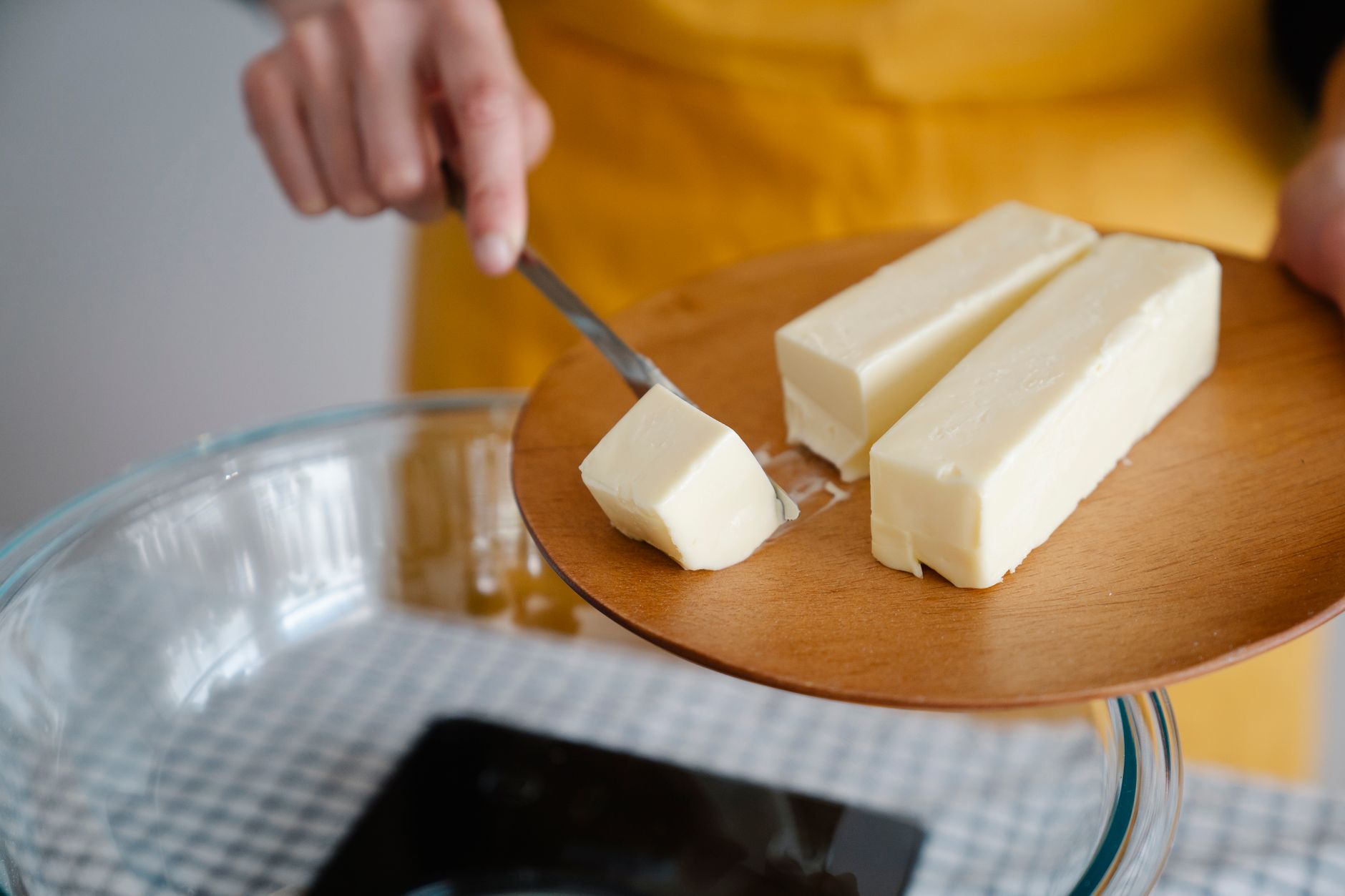 s, while pure fat means lard fries crisp and makes tender pastry.
Butter: strengths and best uses
Butter shines when you want flavor and browning. The milk solids in butter brown beautifully, which is why cookies spread and get golden edges, and why sautéed mushrooms taste richer. Butter also has a lower smoke point, around 350°F (177°C), so it is not ideal for deep frying or searing at high heat. For baking, butter gives a firmer crumb in cakes and a chewier texture in cookies. It is the standard for most pastry because the water in butter creates steam, which helps layers puff, though it requires careful handling to keep it cold.
For the homestead, butter is easy to make if you have a milk cow or buy cream. A quart of heavy cream yields about 1 pound of butter. You can churn it in a stand mixer or a jar, then wash and salt it. Expect to pay $4 to $8 per pound for good quality store-bought butter, or $3 to $5 per pound if you make it from bulk cream. For baking, use unsalted butter so you control the salt.
Lard: strengths and best uses
Lard is the champion for flaky pie crusts and light, tender biscuits. Because it is 100% fat, it coats flour proteins without adding water, so gluten develops less, resulting in a tender crumb. Lard also has a higher smoke point, around 375°F to 400°F (190°C to 204°C), making it excellent for frying chicken, potatoes, or doughnuts. It does not brown like butter, so your fried food will be crisp and golden but without that nutty butter flavor.
There are two types of lard: rendered leaf lard (from the fat around the kidneys) is the highest quality, with a neutral flavor, ideal for pastry. Regular rendered back fat has a slight pork taste, which can be desirable in savory dishes but not in sweets. You can render your own lard from a pig or buy it from a butcher. Expect to pay $5 to $10 per pound for good leaf lard, or $2 to $4 per pound if you render it yourself from a pig you raised. Store lard in the fridge for up to 6 months, or freeze it for a year.
Cost and availability comparison
Here is a quick cost and use comparison for 2026 prices:
| Fat | Price per pound | Smoke point | Best for | Shelf life (fridge) |
|---|---|---|---|---|
| Butter (store) | $4-$8 | 350°F | Baking, sautéing, flavor | 1-2 months |
| Butter (homemade) | $3-$5 | 350°F | Same as above | 2-3 weeks (salted longer) |
| Lard (store, leaf) | $5-$10 | 375-400°F | Pastry, frying | 6 months |
| Lard (rendered) | $2-$4 | 375-400°F | Same as above | 6 months |
Butter is cheaper if you buy it on sale, but lard is more economical if you raise pigs. For everyday cooking, butter is more versatile because you can use it for both flavor and moderate heat. For high-heat frying, lard is superior and reusable: you can strain and reuse frying oil several times.
How to choose for specific recipes
For pie crust: use all lard for the flakiest crust, or half butter and half lard for flavor plus flakiness. For cookies: use butter for the classic chewy texture. For biscuits: lard gives a lighter, taller biscuit, but butter gives a richer taste. For frying: use lard for anything that needs a crisp crust, like fried chicken or french fries. For sautéing vegetables: butter is fine at medium heat, but if you need high heat, use lard or a neutral oil.
One practical tip: if you want both flavor and flakiness, use a combination. For a 9-inch pie crust, use 4 tablespoons butter and 4 tablespoons lard. That gives you the best of both worlds.
Practical steps for this week
If you are new to using lard, start with a simple pie crust. Here is a basic recipe: mix 2 cups flour, 1 teaspoon salt, and 1/2 cup cold lard (cut into pieces). Cut the lard into the flour until it resembles coarse meal. Add 4 to 6 tablespoons ice water, one at a time, until the dough holds together. Chill for 30 minutes, then roll out. This will give you a flaky crust that is easier to handle than butter.
If you want to try making your own butter, buy a quart of heavy cream (look for pasteurized, not ultra-pasteurized, for better flavor). Pour it into a stand mixer with the paddle attachment, mix on medium until the cream whips and then breaks into butter and buttermilk, about 5 to 7 minutes. Drain the buttermilk, rinse the butter in cold water until clear, then knead out the water and add salt to taste. You will get about 1 pound of butter.
For rendering lard, if you have access to pork fat, cut it into small pieces, put it in a slow cooker on low, and let it melt for several hours. Strain through cheesecloth, then store in jars. This is a weekend project that yields a year’s supply.
FAQ
Can I substitute lard for butter in any recipe? Not directly. Because lard has no water, you may need to add a little liquid to the recipe. For baking, use about 20% less lard than butter, and add a tablespoon of water per cup of flour if the dough seems dry.
Is lard healthier than butter? Both are high in saturated fat. Lard has slightly less saturated fat than butter and no trans fats if it is unhydrogenated. Butter has more vitamins A and D. Neither is a health food, but both are better than processed margarines.
How do I store lard and butter? Butter keeps in the fridge for 1 to 2 months, or freeze for 6 months. Lard keeps in the fridge for 6 months, or freeze for a year. Always use clean utensils to avoid contamination.
Can I use lard for greasing pans? Yes, lard works well for greasing baking pans, and it does not burn as easily as butter at high temperatures.
The bottom line
Butter and lard are both excellent fats, but they serve different purposes. Keep butter for flavor and everyday cooking, and keep lard for flaky pastry and high-heat frying. If you have to choose one, butter is more versatile, but lard is a game-changer for pie crusts. Try both and see what works for your kitchen. Start with a simple lard pie crust this week, and you will understand the difference immediately.