Butter vs ghee which is healthier
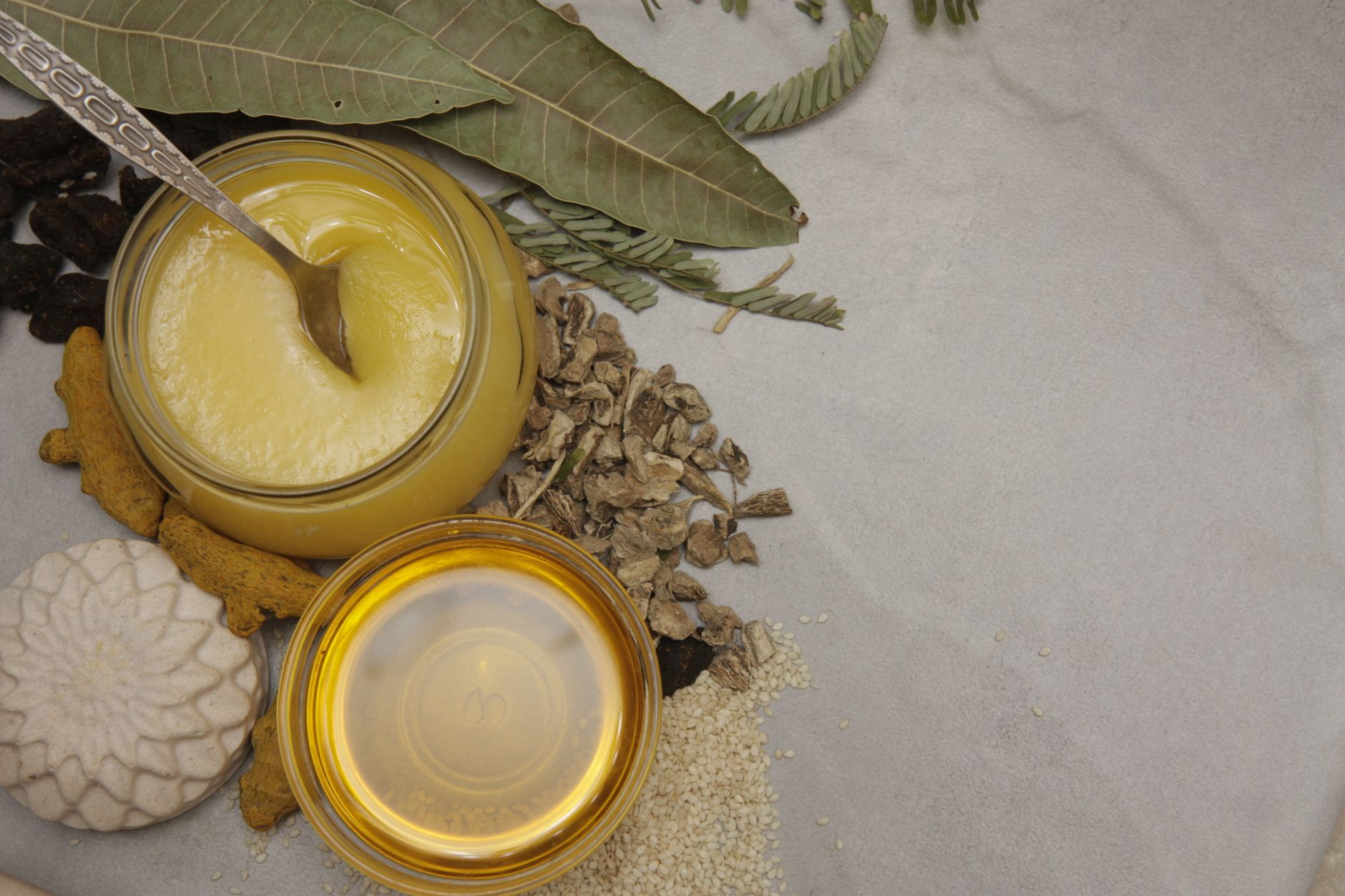
Compare butter and ghee for health, cooking, and homestead use. Learn nutrition, smoke points, and how to choose. Practical guide for 2026.
If you are asking which is healthier, the short answer is: it depends on your needs. Butter has more vitamins and a richer flavor for finishing dishes, while ghee has a higher smoke point and no milk solids, making it better for high-heat cooking and for people with dairy sensitivities. Both are high in saturated fat, so moderation matters. Here is the breakdown so you can decide for your kitchen and your health.
Nutrition: Butter vs Ghee
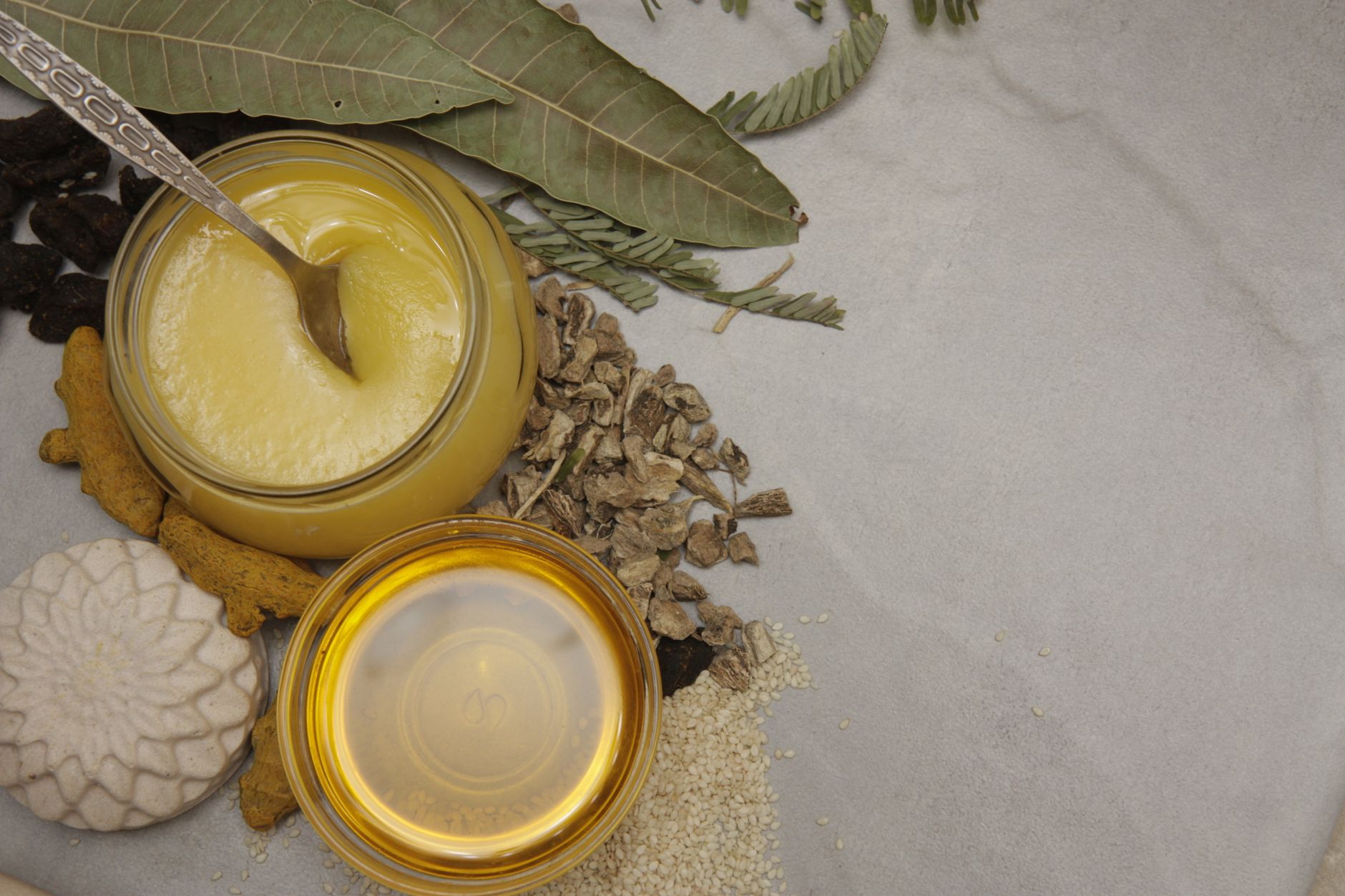
Ghee is clarified butter, meaning the milk solids and water are removed. This changes the nutritional profile slightly.
| Nutrient (per tablespoon) | Butter | Ghee |
|---|---|---|
| Calories | 102 | 120 |
| Total fat | 11.5 g | 13.5 g |
| Saturated fat | 7.3 g | 8.7 g |
| Vitamin A | 11% DV | 13% DV |
| Vitamin E | 2% DV | 3% DV |
| Vitamin K2 | 1% DV | 0% DV |
| Lactose | trace | 0 g |
Ghee has slightly more fat and calories because water is removed. Butter has a bit more vitamin K2, which is important for bone and heart health. Ghee has a negligible amount of lactose and casein, so it is often tolerated by people with mild dairy sensitivities. However,
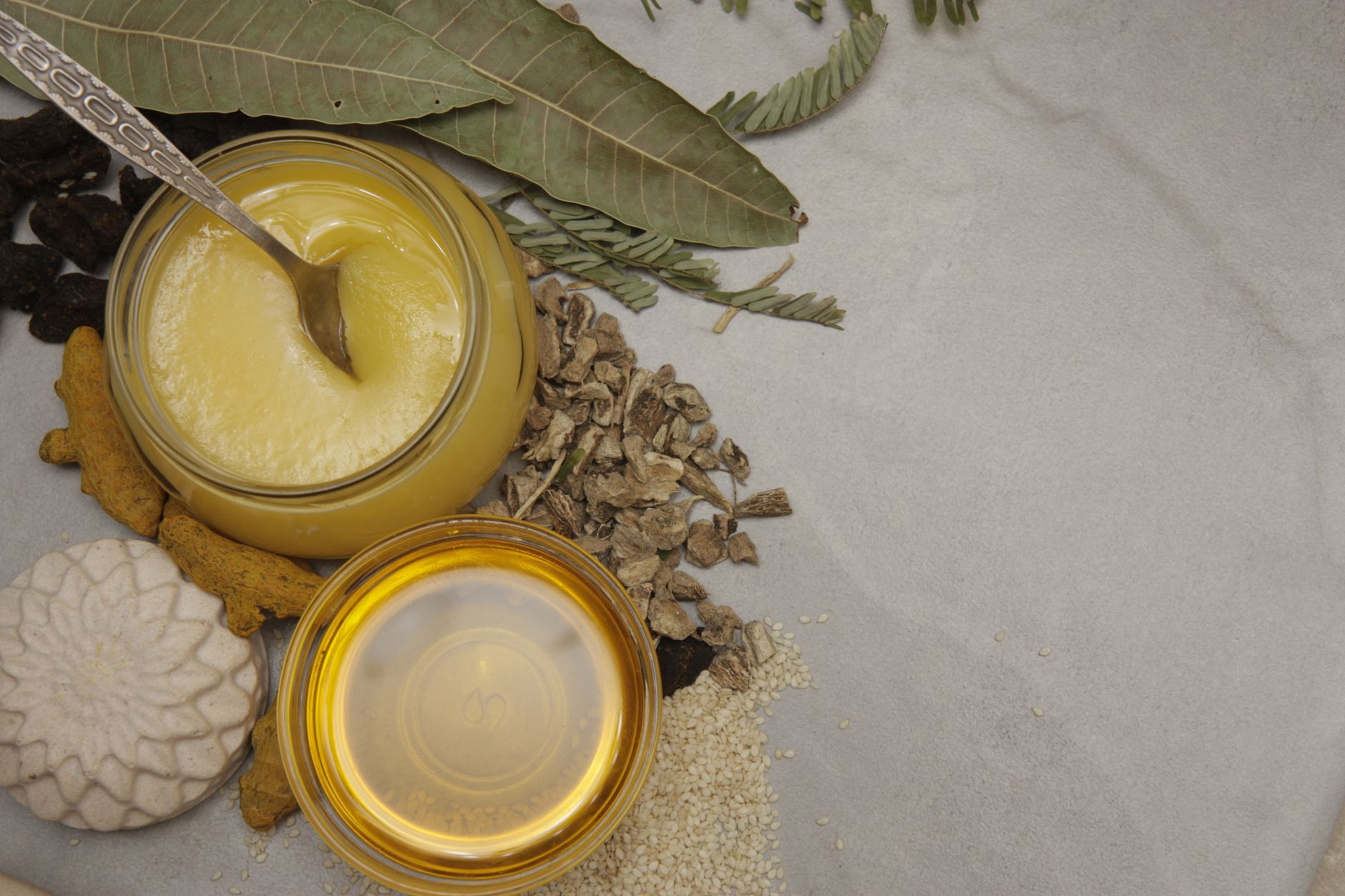 if you have a true milk allergy, ghee may still cause a reaction because it can contain trace proteins.
Smoke Points and Cooking Uses
The smoke point is the temperature at which fat starts to break down and produce harmful free radicals. This is where ghee shines.
- Butter: smoke point around 350°F (177°C). Best for low to medium heat: sautéing vegetables, baking, spreading on bread.
- Ghee: smoke point around 485°F (252°C). Ideal for high-heat searing, frying, and roasting.
If you are frying eggs or searing a steak at high heat, ghee will not burn as quickly. For a delicate sauce or a slice of toast, butter gives a better flavor. Many homesteaders keep both on hand.
Making Ghee at Home
If you have access to good quality butter, making ghee is simple and saves money. Store-bought ghee costs $8 to $15 per 8-ounce jar in 2026. Making it yourself costs about $4 to $6 per cup, depending on butter price.
What you need:
- 1 pound (4 sticks) unsalted butter, preferably grass-fed
- A heavy-bottomed saucepan
- A fine mesh strainer or cheesecloth
- A glass jar with a lid
Steps:
- Melt the butter over medium-low heat. Do not stir.
- Let it simmer gently. Foam will rise to the top. After 10 to 15 minutes, the milk solids will sink and turn golden brown.
- When the foam becomes sparse and the butter is clear and golden, and you smell a nutty aroma, it is done. This usually takes 15 to 20 minutes total.
- Remove from heat and let cool for 5 minutes.
- Strain through a fine mesh strainer lined with cheesecloth into a clean glass jar.
- Store at room temperature for up to 3 months, or in the fridge for up to 6 months.
Do not walk away while making ghee. It can go from perfect to burnt in under a minute. If it smells burnt, start over.
Which Is Healthier for You?
There is no single winner. It depends on your health goals and cooking habits.
- If you cook at high heat often, ghee is healthier because it does not oxidize as easily. Oxidized fats are linked to inflammation.
- If you need vitamin K2 for bone health, butter is better. Grass-fed butter has more K2 than ghee.
- If you are lactose intolerant, ghee is usually safe, but test with a small amount first.
- If you are watching calories, butter has slightly fewer calories per tablespoon.
Both are high in saturated fat. The American Heart Association recommends limiting saturated fat to 5% to 6% of daily calories, which is about 13 grams on a 2,000-calorie diet. One tablespoon of ghee has 8.7 grams, so it adds up quickly. Use them as a flavor enhancer, not a main ingredient.
Practical Tips for Homesteaders
If you raise dairy animals, you already have the best raw material. Here is how to choose and store:
- For ghee, use unsalted butter. Salted butter will make ghee salty and can cause spattering.
- For butter, choose grass-fed when possible. It has more omega-3s and vitamin K2.
- Store butter in the fridge for up to 4 months, or freeze for up to 6 months. Wrap tightly to prevent odor absorption.
- Store ghee in a cool, dark cabinet. It does not need refrigeration if you use a clean, dry spoon every time.
- If you are making ghee from your own cream, churn the butter first. Then clarify it. This is a two-day process if you start from raw milk.
Cost Comparison in 2026
In 2026, prices vary by region and quality.
| Product | Price range |
|---|---|
| Store-bought butter (1 lb) | $4 to $8 |
| Store-bought ghee (8 oz) | $8 to $15 |
| Homemade ghee (1 cup) | $3 to $6 |
| Grass-fed butter (1 lb) | $6 to $10 |
Making ghee at home is about half the cost of buying it. If you use a lot of ghee for frying, it is worth the 20 minutes of active time.
FAQ
Is ghee better for weight loss? No. Ghee has more calories per tablespoon than butter. Weight loss depends on total calorie intake, not the type of fat. Use either in moderation.
Can I use ghee if I am allergic to dairy? Ghee contains trace amounts of milk proteins, so it is not 100% safe for people with a true milk allergy. If you have lactose intolerance, ghee is usually fine, but start with a small amount.
Does ghee taste like butter? Ghee has a nuttier, richer flavor. Butter is creamier and sweeter. For baking, butter gives a better texture. For savory dishes, ghee adds depth.
How long does homemade ghee last? At room temperature, it keeps for 3 months if stored in a clean, airtight jar. In the fridge, it lasts up to 6 months. Always use a dry spoon to avoid introducing moisture.
The bottom line
Both butter and ghee can be part of a healthy diet if used wisely. Choose ghee for high-heat cooking and if you are sensitive to lactose. Choose butter for its vitamin K2 and superior flavor in baking and finishing dishes. If you are a homesteader, making your own ghee is a simple, cost-effective way to get a versatile cooking fat. The healthiest choice is the one that fits your cooking style and your body’s needs, and always in moderation.
Now, if you have a jar of good butter, try making ghee this weekend. You will see the difference in your frying pan.