Butter vs coconut oil
Compare butter vs coconut oil for cheese making and dairy: flavor, texture, cost, and how to choose. Practical guide for homesteaders.
If you are making cheese or butter at home, you have likely wondered whether to use butter or coconut oil in your recipes. The short answer: use butter for authentic dairy flavor and traditional texture, use coconut oil for a dairy-free option that is cheaper and more stable at room temperature. Both work, but they behave differently in heat, flavor, and cost. Here is the breakdown.
What each brings to the table
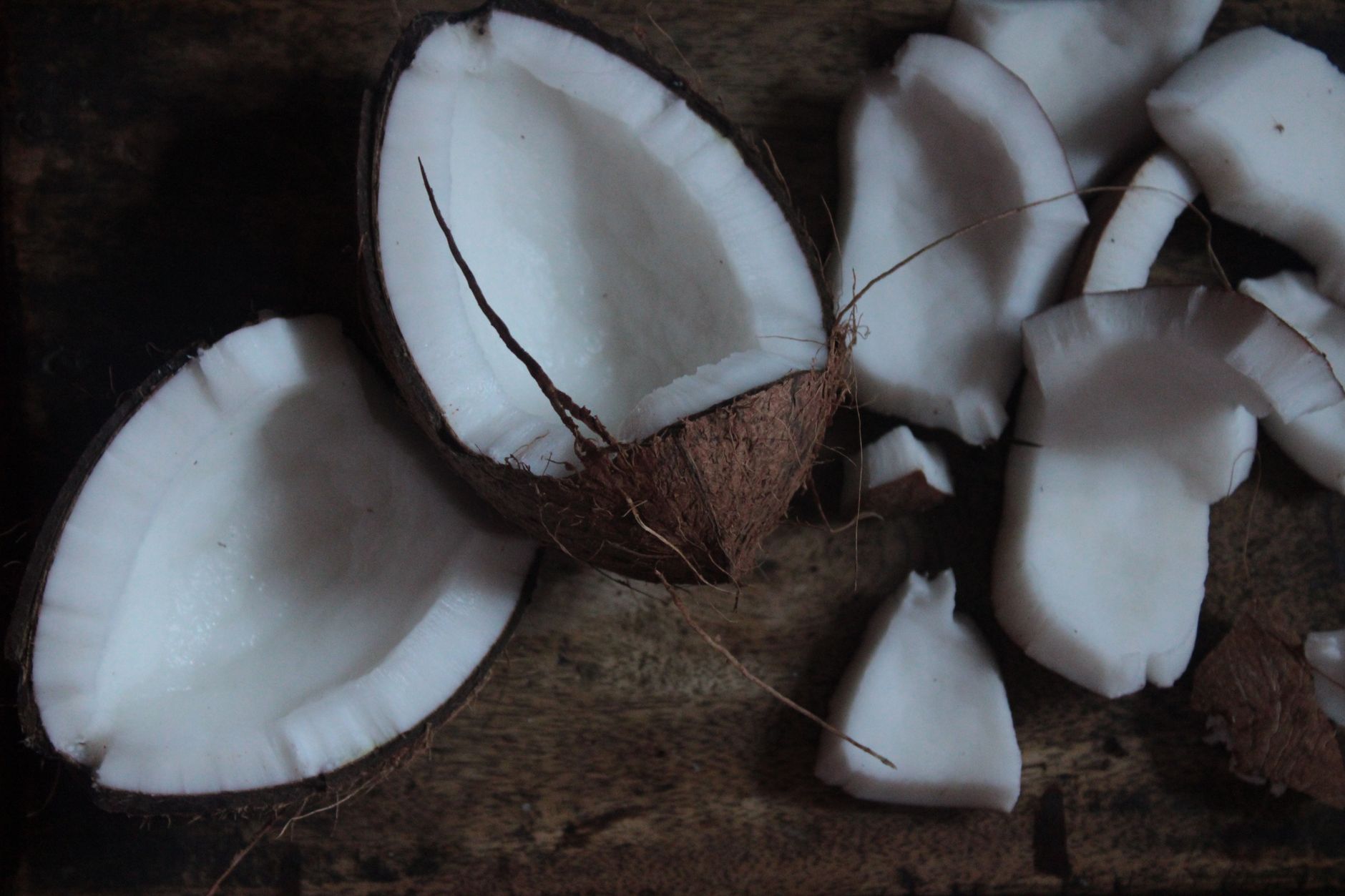
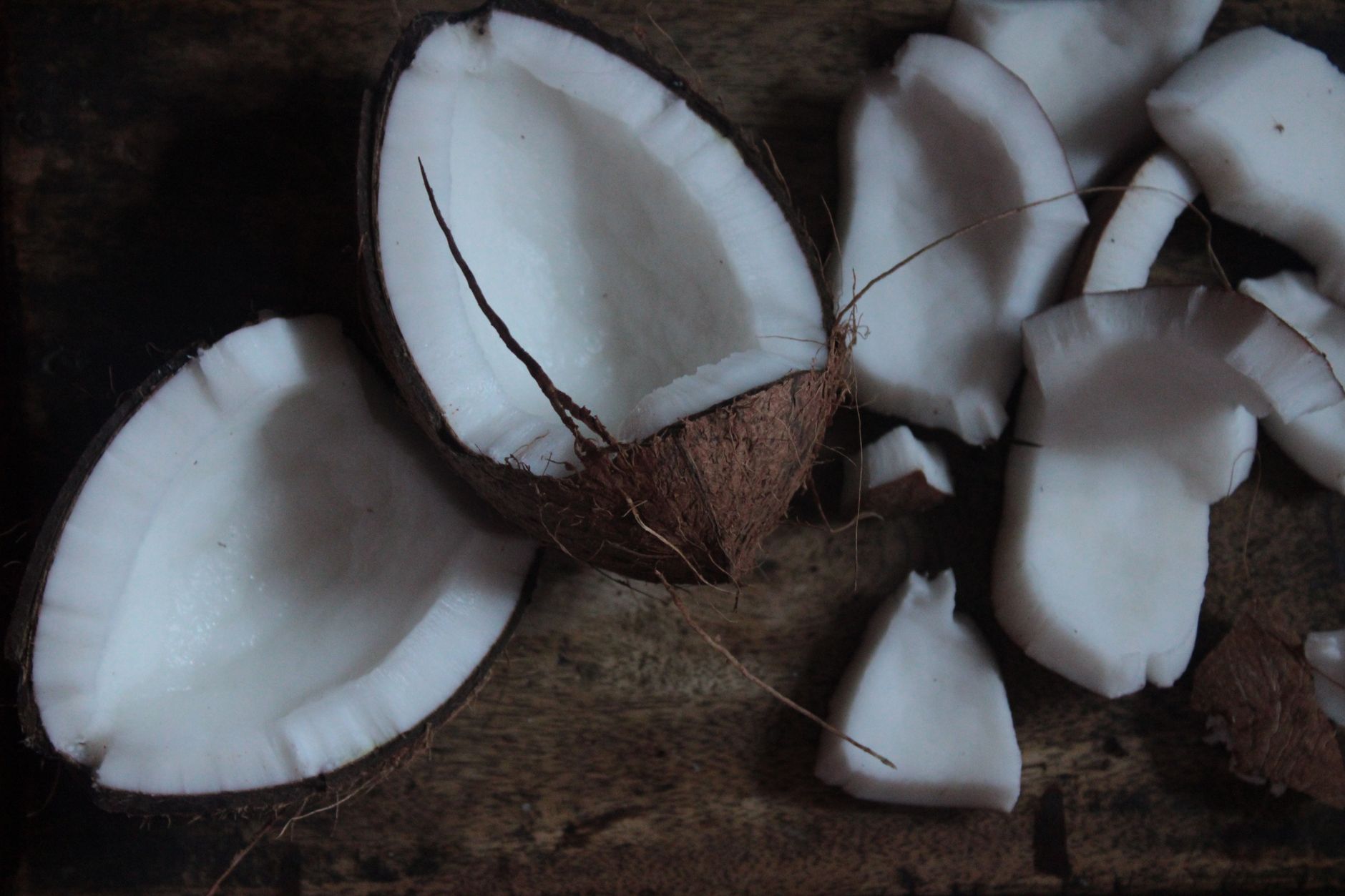
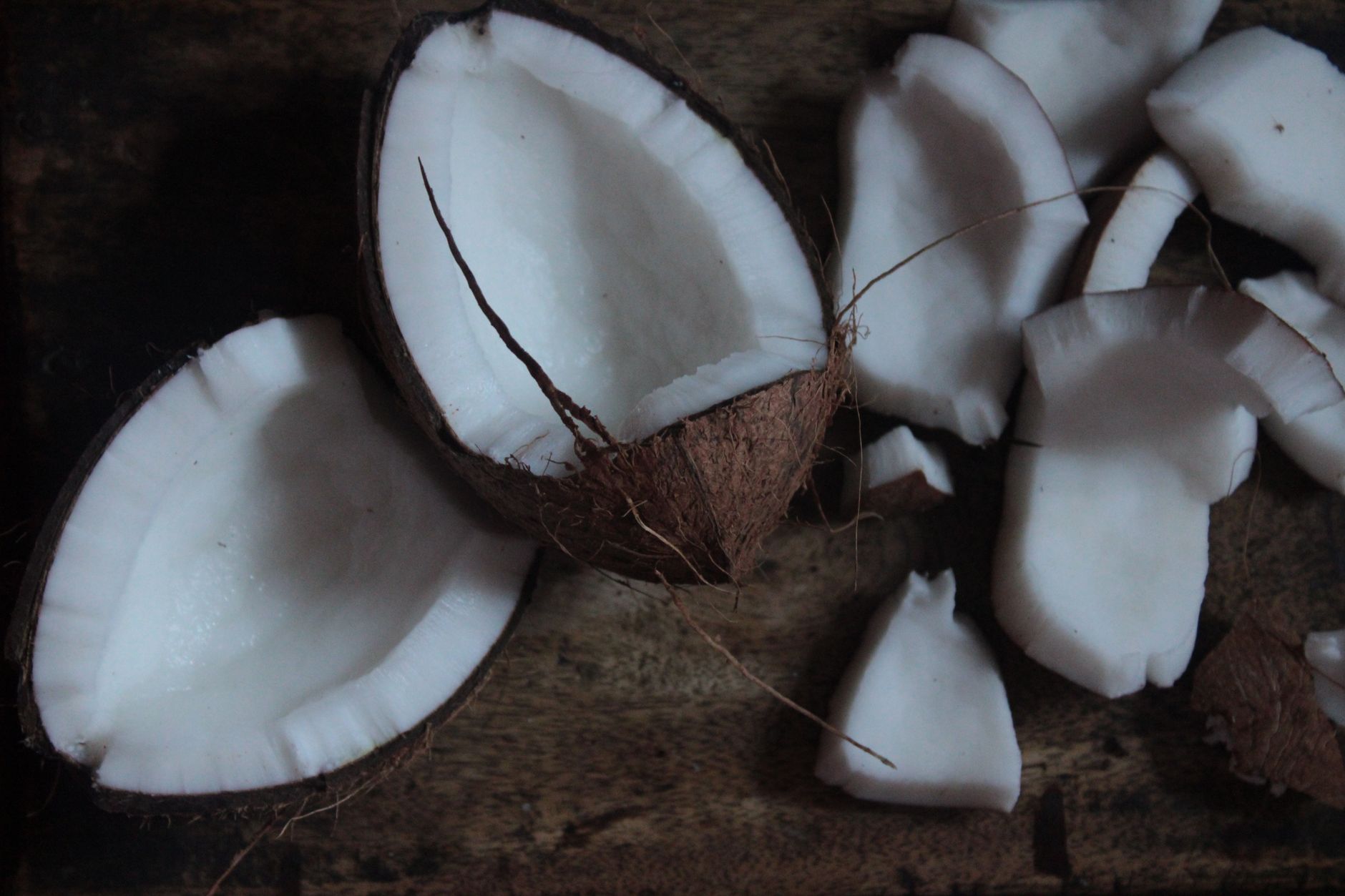
Butter is a dairy product made from cream, typically 80% milk fat, 15% water, and 5% milk solids. It has a rich, creamy flavor and melts at around 90°F to 95°F. Coconut oil is a plant-based fat extracted from coconut meat, with a smoke point of 350°F (refined) or 400°F (virgin). It is solid below 76°F and has a distinct coconut aroma unless refined.
For cheese making, butter is often used in sauces, as a finisher, or in recipes like butter cheese (a soft cheese with added butter). Coconut oil is a substitute in vegan cheese or when you want a dairy-free spread. In dairy, butter gives a silky mouthfeel; coconut o
 il gives a firmer, waxy texture that can be off-putting if not melted properly.
Flavor and texture: the real difference
Butter wins on flavor for any dairy product. It adds a nutty, creamy note that coconut oil cannot mimic. Coconut oil adds a sweet, tropical flavor that may clash with savory cheeses. If you are making a cultured butter or a cheese sauce, butter is the only choice for authenticity.
Texture: butter is soft and spreadable at room temperature, while coconut oil is hard and brittle. In cheese, coconut oil can make the final product greasy or crumbly if overused. Use it in small amounts, like 1 tablespoon per cup of cheese sauce, to avoid a waxy feel.
Cost comparison in 2026
Butter prices have risen with dairy costs. In 2026, expect to pay $4 to $6 per pound for salted or unsalted butter at retail, or $3 to $4 if you buy in bulk from a co-op. Coconut oil is cheaper: $2 to $4 per pound for refined, $5 to $7 for virgin organic. For a homesteader with cows, butter is nearly free if you have cream; for a vegan or dairy-free household, coconut oil is the budget pick.
How to substitute in recipes
If you are replacing butter with coconut oil in a cheese sauce or spread, use a 1:1 ratio by weight, but reduce the liquid slightly because coconut oil has no water. For example, if a recipe calls for 1 cup (2 sticks) of butter, use 1 cup of coconut oil and cut the milk or cream by 1 to 2 tablespoons.
For baking or cooking, coconut oil has a lower melting point, so it can make doughs softer. Chill the dough before baking to maintain structure. In cheese making, coconut oil is not a direct substitute for butter in recipes that rely on dairy cultures, because it lacks the milk solids that feed the bacteria.
Practical steps for this week
- Decide your goal: dairy flavor or dairy-free. If you are making a cheese sauce for mac and cheese, use butter. If you are making a vegan cheese, use coconut oil.
- Test a small batch: melt 1 tablespoon of each and taste them plain. Notice the flavor and mouthfeel.
- Try a simple spread: mix 1/2 cup softened butter with 1/4 cup coconut oil and a pinch of salt. This hybrid has a lower cost and a lighter texture, but still tastes like butter.
- For cheese making, use butter as a finisher in sauces, not as a main ingredient. Coconut oil can be used in cold-set vegan cheeses, like a cashew-based cheese, to add firmness.
Storage and shelf life
Butter should be refrigerated and lasts 1 to 3 months in the fridge, or up to 6 months in the freezer. Coconut oil is shelf-stable for up to 2 years if kept in a cool, dark place. For homesteaders, coconut oil is more forgiving if you do not have reliable refrigeration. But butter freezes well, so you can stock up when prices are low.
FAQ
Can I use coconut oil in butter making? No, butter is made from cream only. Coconut oil cannot be churned into butter. You can make a coconut oil spread, but it is not butter.
Is coconut oil healthier than butter? It depends on your diet. Coconut oil is high in saturated fat but contains medium-chain triglycerides (MCTs), which some studies suggest are metabolized differently. Butter has vitamins A, D, and K2, but also more cholesterol. Neither is a health superfood; use in moderation.
Which is better for frying? Butter has a lower smoke point (350°F) and burns easily. Coconut oil has a higher smoke point (350°F for refined, 400°F for virgin), so it is better for high-heat cooking. For frying eggs, butter gives better flavor; for stir-frying, coconut oil is more stable.
Can I use coconut oil in cheese making as a fat source? Yes, but only in vegan cheese recipes. In traditional cheese, the fat comes from milk. Coconut oil will not coagulate with rennet or culture. Use it in plant-based cheeses that use agar or tapioca starch for structure.
The bottom line
Butter is the superior choice for authentic dairy flavor and traditional cheese making. Coconut oil is a viable alternative for dairy-free diets and budget cooking, but it changes texture and taste. For most homesteaders, keep both on hand: butter for quality, coconut oil for cost and shelf life. Test your recipes in small batches to see which works for your needs.