Butter vs cheese
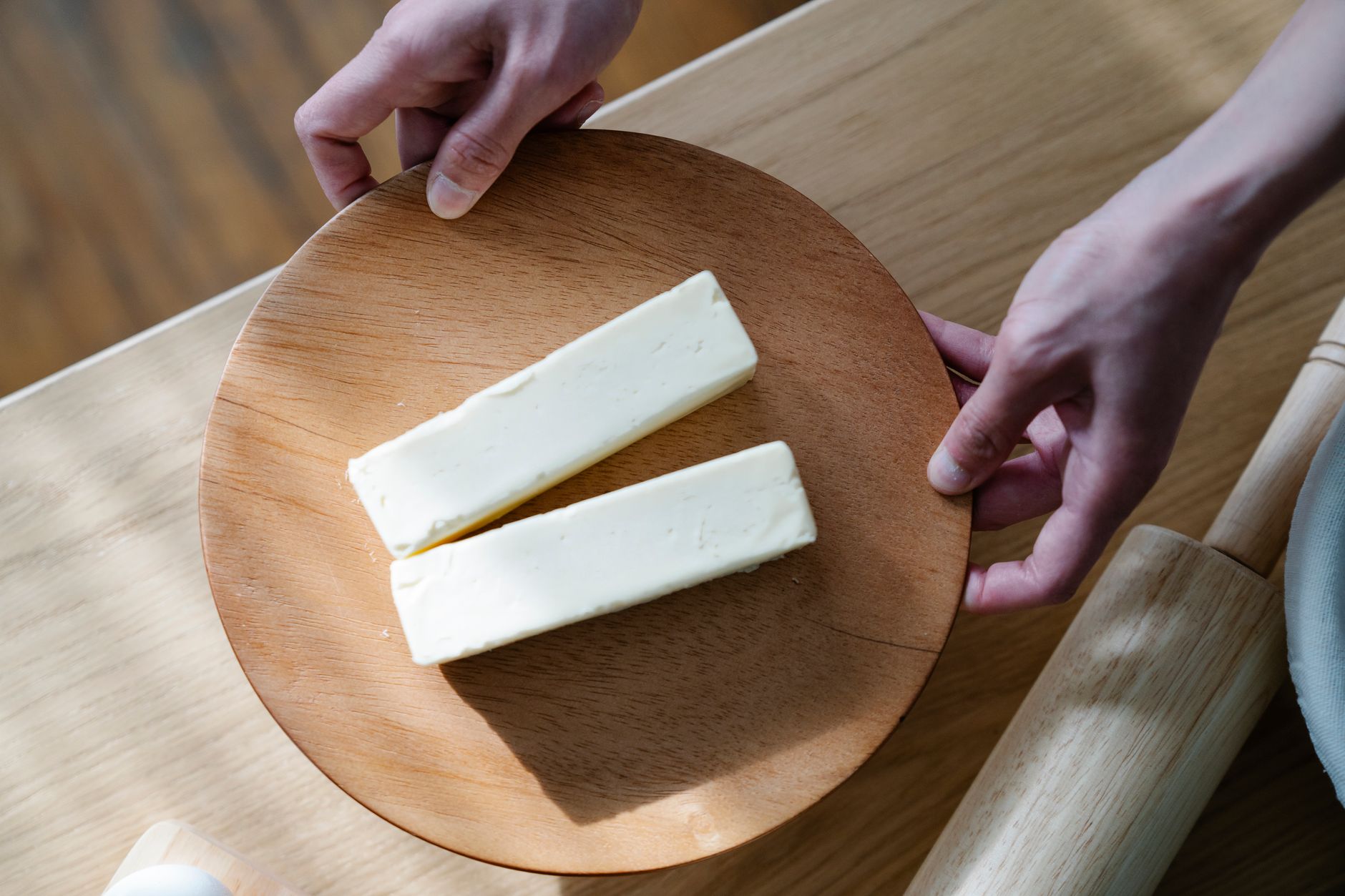
Compare butter and cheese: ingredients, process, yield, cost, and storage. Learn which suits your homestead dairy goals in 2026.
Butter and cheese both start with milk, but they are different products with different costs, equipment, and time commitments. Butter is a fat concentrate made by churning cream; cheese is a protein curd made by coagulating milk with rennet or acid. If you are new to home dairy, start with butter: it is faster, cheaper, and more forgiving. Cheese requires more precision, aging space, and patience, but yields a product that stores longer and offers more variety.
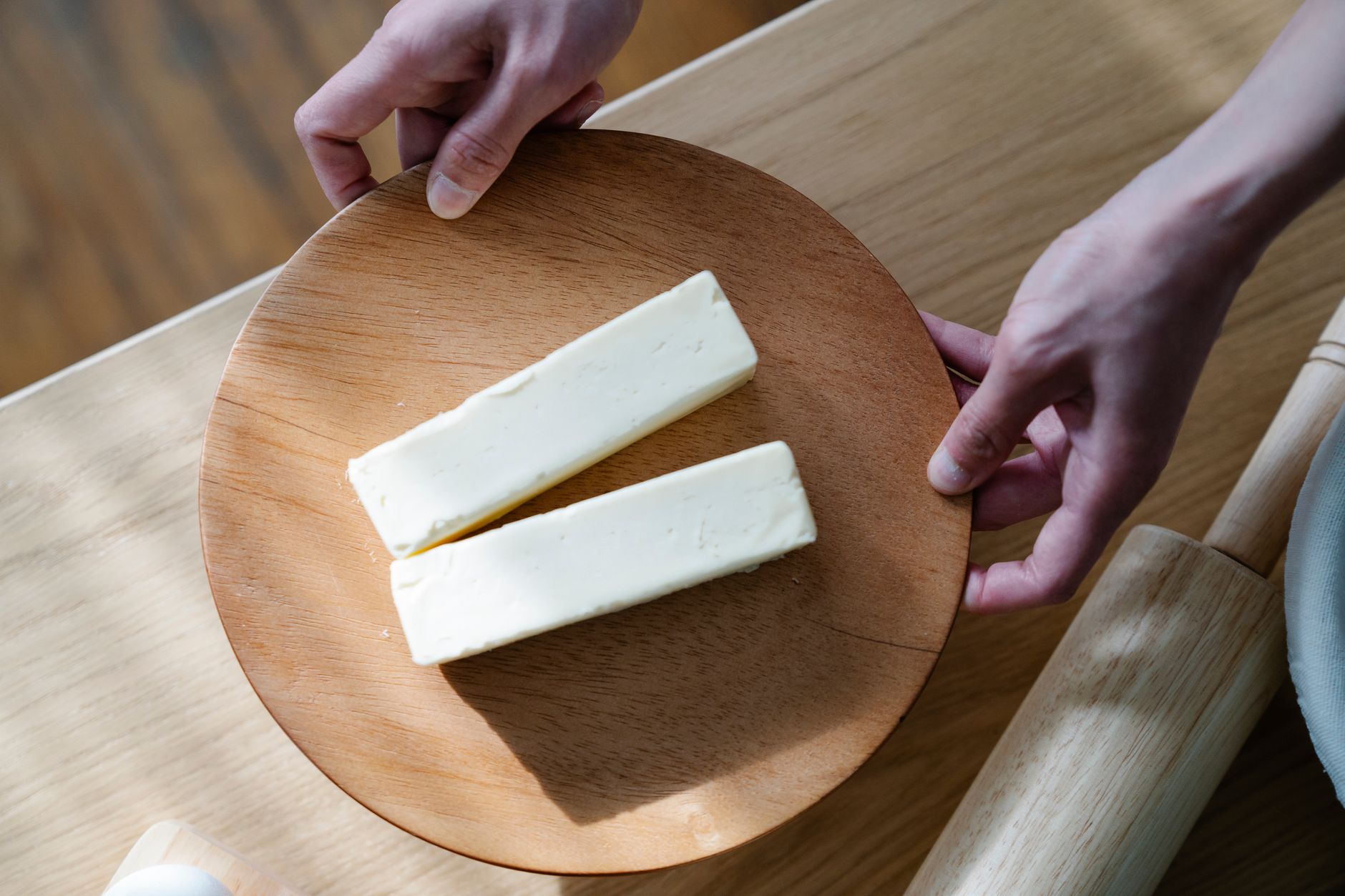
What is butter?
Butter is the fat from milk. You churn cream until the fat globules clump together, then wash and knead the butter to remove buttermilk. The result is about 80% fat, 15% water, and 5% milk solids. Butter has a low melting point and a r
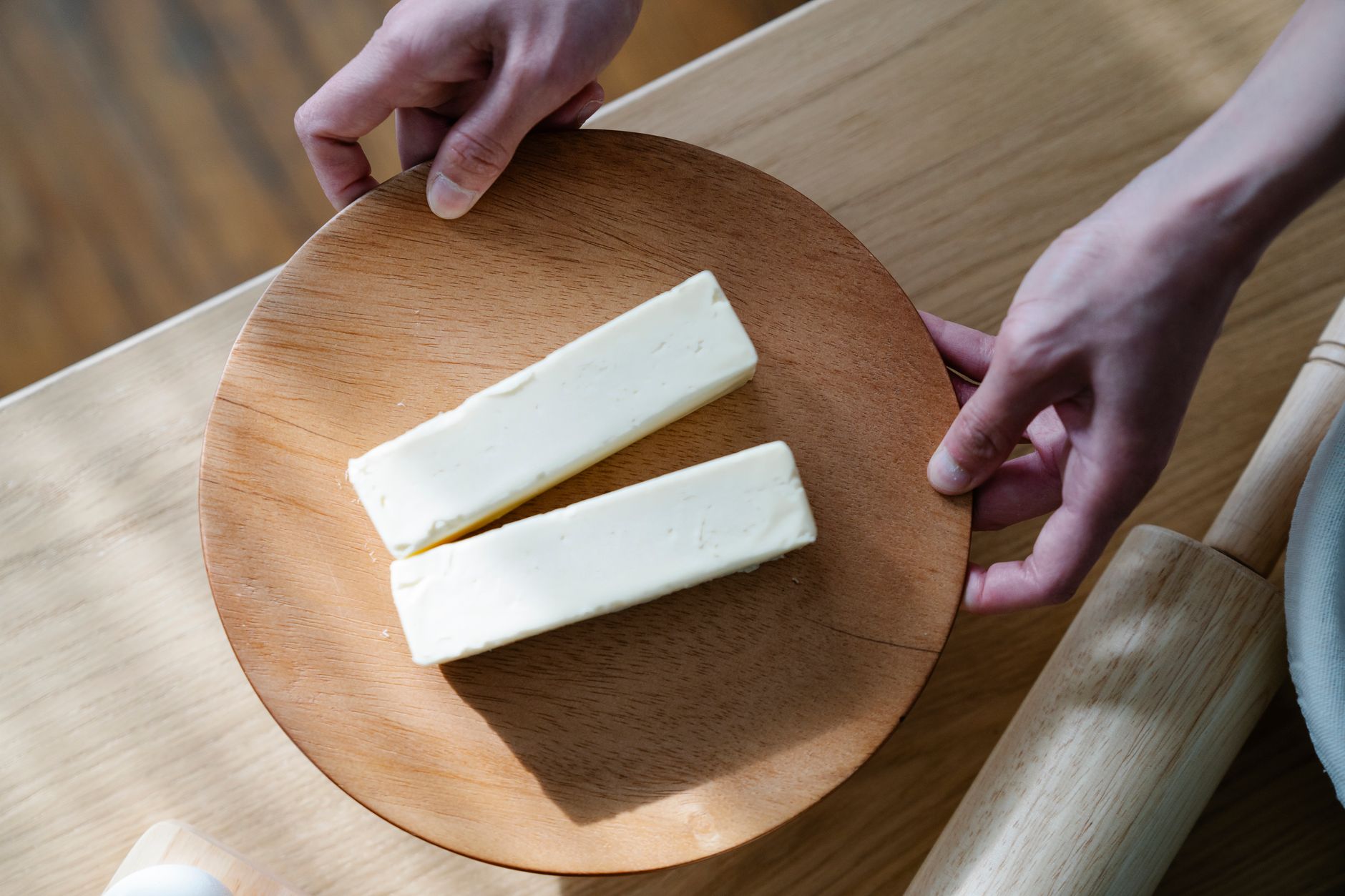 ich flavor, but it spoils faster than cheese unless salted or frozen.
What is cheese?
Cheese is the curd from milk. You add rennet (or an acid like lemon juice) to milk, which causes the casein proteins to coagulate into a gel. You cut the curd, cook it, drain the whey, and press or age the curd. Cheeses range from fresh (like ricotta) to aged (like cheddar). The fat and protein content, moisture, and aging determine the final texture and flavor.
Key differences at a glance
| Aspect | Butter | Cheese |
|---|---|---|
| Main ingredient | Cream (30-40% fat) | Whole milk (3-5% fat) |
| Process time | 30 minutes to 1 hour | 1 hour to several months (aging) |
| Yield from 1 gallon milk | About 1/3 to 1/2 pound butter | 1 to 1.5 pounds fresh cheese, or 0.75 to 1 pound aged cheese |
| Equipment needed | Mixer or jar, strainer, butter muslin | Thermometer, rennet, cheese mold, press, aging space |
| Storage life | 1-2 weeks refrigerated, 6-9 months frozen | Fresh: 1-2 weeks; aged: months to years |
| Cost to make at home (2026) | $5-$8 per pound (using store cream) | $4-$10 per pound (using store milk) |
Which is easier for a beginner?
Butter is the clear winner for a first dairy project. You only need heavy cream (or raw milk cream), a stand mixer or a mason jar, and 20 minutes of churning. No special cultures, no aging, no precise temperature control. Even if you over-churn, you get butter; you just have to work a little more.
Cheese is more involved. You need a thermometer, rennet, and often a culture. You must heat milk to exact temperatures (e.g., 86°F for mozzarella, 90°F for cheddar) and hold them. Mistakes are common: curds can be too soft, too dry, or the cheese can develop off-flavors. But the payoff is a product that lasts longer and can be used in cooking, sandwiches, or snacking.
Cost comparison in 2026
In 2026, a gallon of whole milk costs $3.50 to $4.50 at retail. A pint of heavy cream (enough for about 1/3 pound butter) costs $3 to $5. So homemade butter runs $9 to $15 per pound, which is more than store butter ($3 to $5 per pound). But if you have a dairy cow or buy raw cream in bulk, the cost drops to $2 to $4 per pound.
Cheese is more economical. One gallon of milk yields 1 to 1.5 pounds of fresh cheese like ricotta or queso fresco. At $4 per gallon, that is $2.67 to $4 per pound, cheaper than most store cheeses. Aged cheeses like cheddar require 8 to 10 gallons of milk per pound, so the cost is $28 to $40 per pound, plus months of aging. That is comparable to artisan cheddar, but you control the quality.
Equipment and supplies: what you need
For butter:
- Heavy cream (pasteurized or raw, but not ultra-pasteurized; ultra-pasteurized churns poorly)
- A stand mixer with whisk, or a glass jar with a tight lid
- A strainer and butter muslin or a clean dish towel
- Cold water for washing
- Salt (optional)
For cheese:
- Whole milk (pasteurized, but not ultra-pasteurized; ultra-pasteurized won’t curd well)
- Rennet (liquid or tablet, about $10 for a bottle that makes 50 to 100 batches)
- Mesophilic or thermophilic culture (about $8 to $12 per packet)
- A dairy thermometer ($10 to $20)
- A cheese mold and follower ($15 to $30)
- A cheese press (or a DIY setup with weights, $20 to $50)
- Cheesecloth or butter muslin
You can start with a simple mozzarella kit for $25 to $35, which includes rennet, citric acid, and instructions. That is the cheapest way to try cheese making.
Step-by-step: make butter this week
- Pour 2 cups of heavy cream into a stand mixer bowl. Let it sit at room temperature for 30 minutes (60°F to 70°F is ideal).
- Beat on medium-high. After 5 to 10 minutes, the cream will whip, then break into butter and buttermilk. You will see yellow clumps and a thin liquid.
- Stop the mixer. Pour the contents into a strainer lined with butter muslin. Save the buttermilk for pancakes or biscuits.
- Rinse the butter under cold water, kneading it with a spatula or your hands until the water runs clear. This removes excess buttermilk, which prevents spoilage.
- Optional: knead in 1/4 teaspoon salt per 1/2 cup butter.
- Shape into a log or pat, wrap in parchment, and refrigerate. Use within 2 weeks, or freeze for up to 6 months.
Step-by-step: make a simple fresh cheese (ricotta)
- Heat 1 gallon of whole milk in a large pot to 185°F, stirring occasionally to prevent scorching.
- Add 1/4 cup of lemon juice or white vinegar. Stir gently for 1 minute. The milk will curdle.
- Turn off heat and let sit for 10 minutes.
- Line a colander with butter muslin. Pour the curds and whey into the colander. Let drain for 15 to 30 minutes, depending on how firm you want the ricotta.
- Season with salt to taste. Store in the fridge for up to 1 week.
This ricotta is creamy and mild, perfect for lasagna or toast. It costs about $4 per pound, and you made it in under an hour.
Storage and shelf life
Butter: keep refrigerated in an airtight container. Salted butter lasts 2 to 3 weeks; unsalted lasts 1 to 2 weeks. Freeze for up to 6 months, but wrap tightly to prevent freezer burn.
Cheese: fresh cheeses like ricotta and mozzarella last 1 to 2 weeks. Aged cheeses last months if stored properly: wrap in cheese paper or wax paper, then place in a plastic container with a loose lid. Keep in the vegetable drawer at 40°F to 45°F. Check weekly for mold; if a spot appears, cut it off with a clean knife (1 inch around the spot).
Which should you make?
If you want a quick win and have cream on hand, make butter. It is satisfying and immediate, and you can use the buttermilk for baking. If you want a longer-lasting product that stretches your milk budget, make a fresh cheese like ricotta or mozzarella. If you are ready for a challenge, try a semi-hard cheese like cheddar or gouda, but plan for 2 to 6 months of aging.
FAQ
Can I use store-bought milk for cheese?
Yes, but avoid ultra-pasteurized milk (UHT). It will not form a proper curd. Look for pasteurized, not ultra-pasteurized, whole milk. Raw milk works well if you have a reliable source.
How much butter can I get from a gallon of milk?
A gallon of whole milk contains about 1/2 to 2/3 cup of cream, which yields about 1/4 to 1/3 pound of butter. To get a full pound, you need about 3 to 4 gallons of milk, or 2 to 3 pints of heavy cream.
Is homemade cheese cheaper than store-bought?
Fresh cheese like ricotta or mozzarella is cheaper: about $4 per pound versus $6 to $8 at the store. Aged cheese is not cheaper, but it tastes better and you control the ingredients. Consider the cost of your time and equipment.
Why did my butter not form?
If your cream is ultra-pasteurized, it may not churn properly. Also, if the cream is too cold (below 50°F), churning takes longer. Let the cream warm to 60°F to 70°F. If you used a blender, the blades may be too sharp; use a mixer or a jar.
The bottom line
Butter and cheese are both rewarding homestead projects, but they serve different purposes. Butter is quick, cheap to start, and perfect for beginners. Cheese takes more time, equipment, and patience, but yields a product that stores longer and can save you money on fresh varieties. Start with butter to build confidence, then try a simple fresh cheese. Once you master those, you can decide if you want to invest in aging supplies for hard cheeses. Either way, you will never look at a dairy aisle the same way again.