Butter vs beef tallow
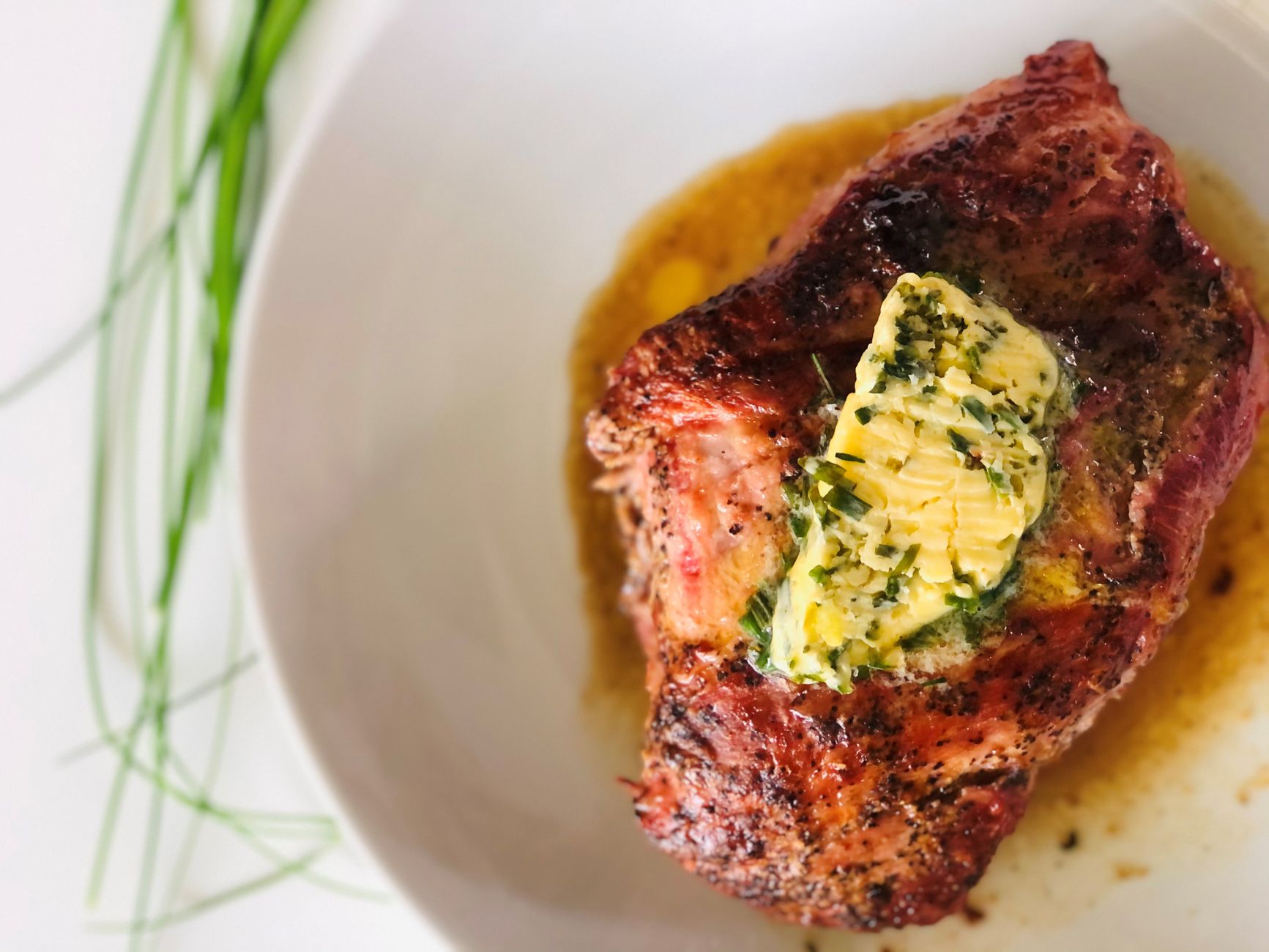
Compare butter and beef tallow for cooking, baking, and skincare. Learn smoke points, costs, yields, and how to choose and use each fat.
If you are wondering whether to use butter or beef tallow in your kitchen, the short answer is: it depends on what you are cooking and what you want from the fat. Butter gives flavor and works for low to medium heat, while tallow handles high heat and has a longer shelf life. Both are excellent for homesteaders who raise animals or buy from local farms. Here is a practical comparison to help you decide.
Smoke points and heat tolerance
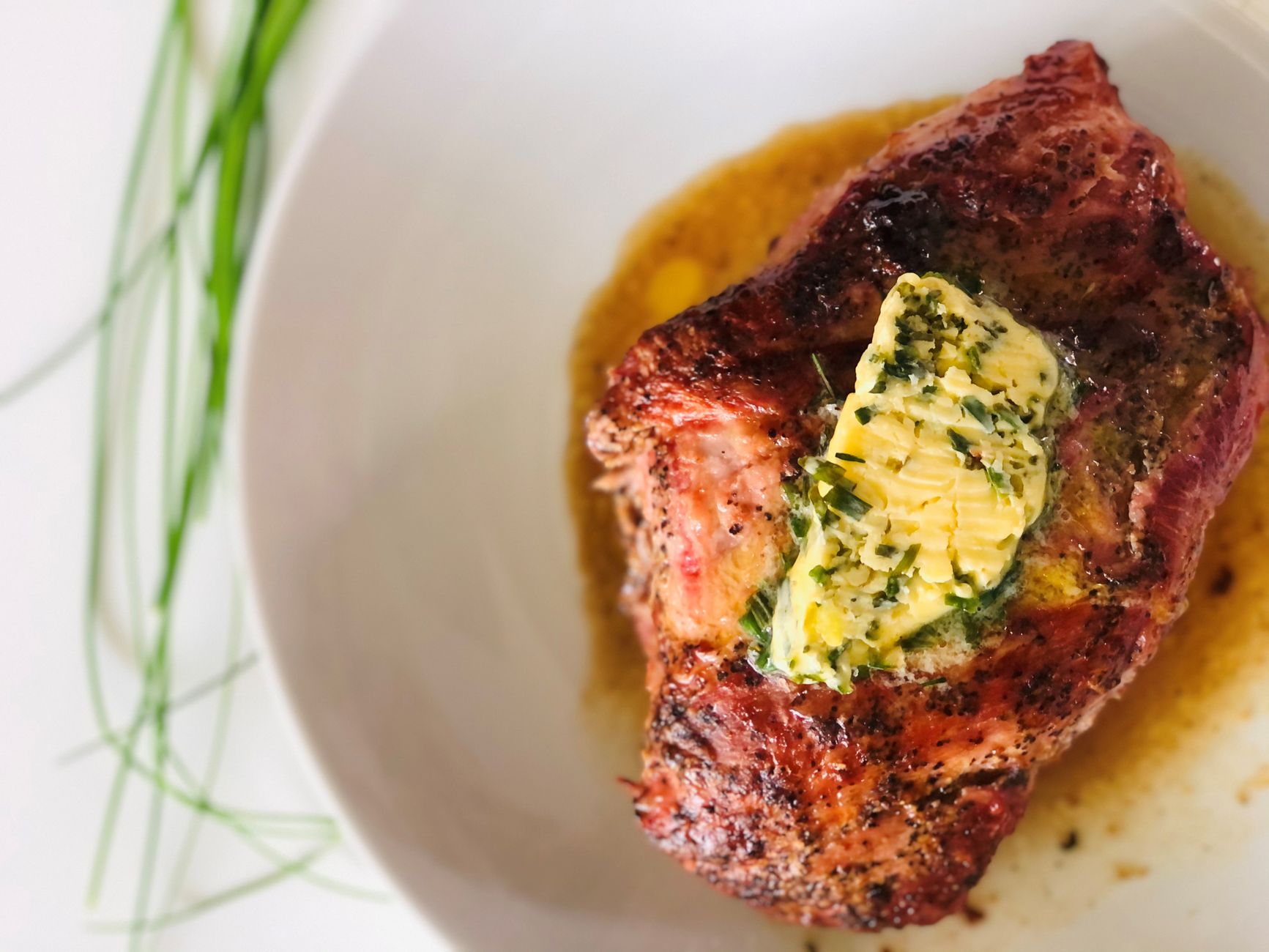
Butter has a smoke point of 350°F (177°C) for regular butter and 400°F (204°C) for clarified butter (ghee). Tallow has a smoke point of 400°F (204°C) to 420°F (216°C), depending on how well it is rendered. For frying, roasting, or searing at high temperatures, tallow is the better choice because it will not burn as quickly. Butter is fine for sautéing vegetables, making sauces, or baking, but it will brown and burn if you push it too hard.
If you need a fat for deep frying or a hot cast iron skillet, use ta
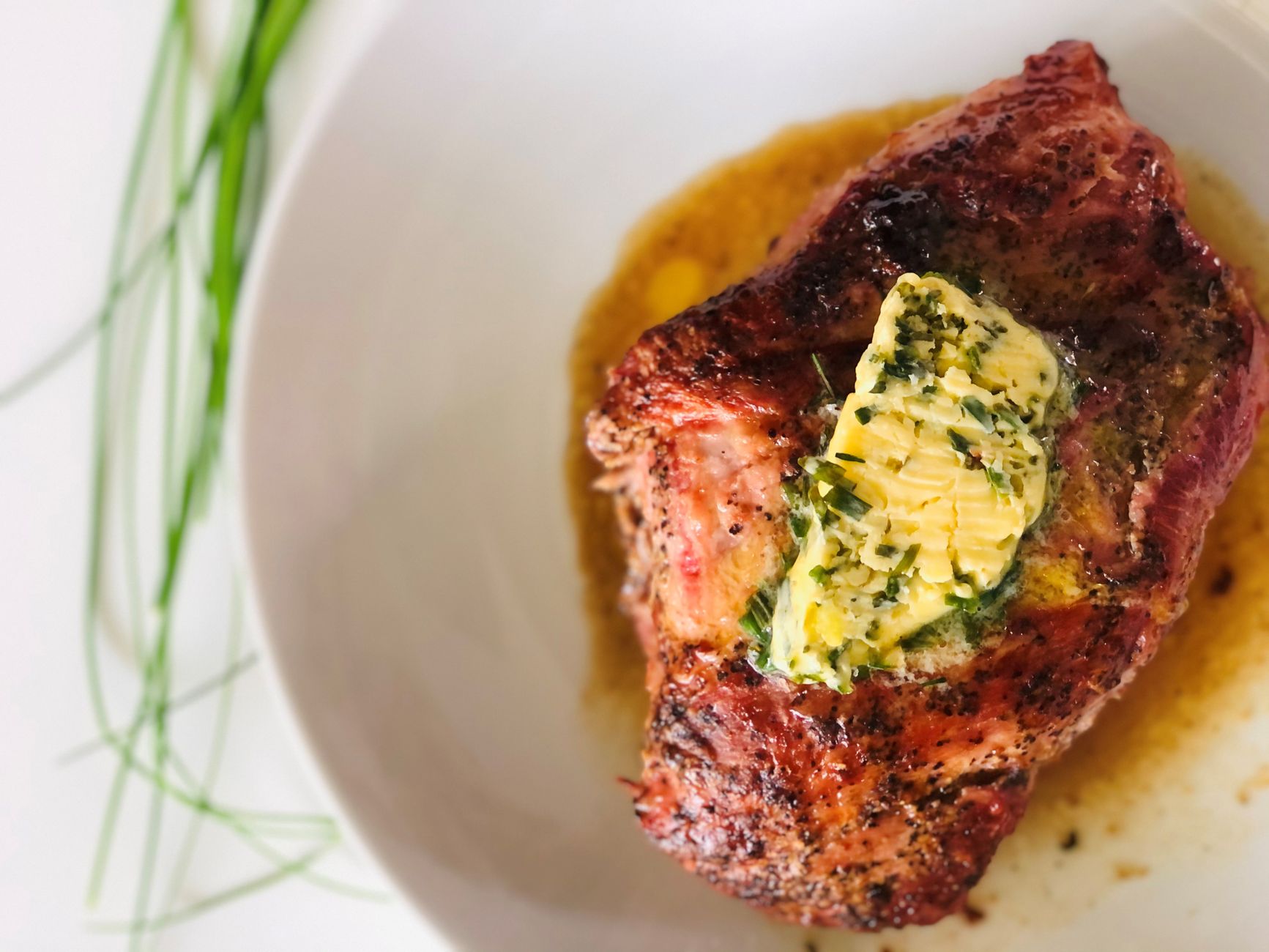 llow. If you want flavor for a roux or a grilled cheese, butter is your friend.
Flavor and culinary uses
Butter adds a rich, creamy, slightly sweet flavor that is hard to replace. It is essential for pastries, cookies, and any dish where you want a tender crumb. Tallow has a savory, beefy note that can overpower delicate foods, but it is fantastic for roasting potatoes, frying eggs, or making pie crusts with a flaky texture. Many homesteaders use tallow for savory dishes and butter for sweet or mild ones.
For baking, you can substitute tallow for butter in a 1:1 ratio by weight, but expect a slightly different texture and flavor. Tallow makes a very flaky pie crust, but it will not cream with sugar the way butter does, so cakes and cookies may be denser. If you want to try it, start with a recipe that calls for cold fat cut into flour, like biscuits or pie dough.
Cost and availability
Butter prices in 2026 range from $4 to $8 per pound at retail, with organic or grass-fed varieties on the higher end. Tallow is often cheaper if you render it yourself from beef fat, which you can get for $1 to $3 per pound from a local butcher or farm. Rendered tallow sold commercially runs $8 to $15 per pound, but making your own is easy and cost-effective.
If you raise beef or buy a half or quarter cow, tallow is essentially free. Butter requires a dairy animal or a trip to the store. For a homesteader, tallow is a way to use every part of the animal, while butter is a product you might make if you have milk cows or goats.
Shelf life and storage
Butter lasts 1 to 3 months in the refrigerator, and can be frozen for up to 6 months. Tallow, if properly rendered and stored in a cool, dark place, can last 6 months to a year without refrigeration. This makes tallow a better emergency or long-term storage fat. Keep both in airtight containers to prevent off flavors. Tallow can be stored in mason jars in a pantry, but if you live in a hot climate, refrigeration extends its life.
Nutritional profile
Butter is high in saturated fat and contains vitamins A, D, E, and K2, especially if it comes from grass-fed cows. Tallow is also high in saturated fat and provides vitamins A, D, E, and K, plus conjugated linoleic acid (CLA). Both are stable at high heat, but tallow has a higher proportion of monounsaturated fats. Neither is a health food, but both are better than highly processed vegetable oils. Choose based on your dietary needs and taste preferences.
How to render tallow at home
If you want to make your own tallow, here is a simple method:
- Ask your butcher for beef fat (suet or leaf fat is best). You need about 2 pounds to start.
- Cut the fat into small chunks, about 1 inch pieces.
- Place the fat in a slow cooker or a heavy pot on low heat (200°F to 250°F). Do not rush it.
- Let it melt slowly, stirring occasionally. This takes 4 to 6 hours in a slow cooker.
- When the fat is fully melted and the cracklings (solid bits) are brown and crispy, strain through a cheesecloth or fine mesh strainer.
- Pour the liquid tallow into clean glass jars. Let it cool and solidify.
Store in a cool, dark place. If it smells rancid or has a sour odor, it was not rendered long enough or stored improperly. Properly rendered tallow has a neutral, clean smell.
Practical uses beyond cooking
Both fats have uses outside the kitchen. Butter is great for making ghee, which is clarified butter with a higher smoke point. Tallow is a traditional ingredient in soap making and can be used as a moisturizer for skin or a conditioner for leather. Many homesteaders use tallow to season cast iron pans because it creates a durable, nonstick surface.
For skincare, tallow is rich in vitamins and can be whipped with essential oils for a balm. Butter is not as stable on the skin and can go rancid quickly, so tallow is the better choice for salves or lotions.
Which should you choose?
For high-heat cooking, frying, and long-term storage, choose tallow. For flavor, baking, and everyday sautéing, choose butter. Many homesteaders keep both on hand: butter for the table and baking, tallow for frying and roasting. If you have limited space or budget, start with tallow because it is cheaper and more versatile for cooking. If you love baking, keep butter as a staple.
FAQ
Can I substitute tallow for butter in any recipe? Yes, but expect changes in flavor and texture. Use a 1:1 ratio by weight. For baking, tallow works best in recipes that call for cold fat, like biscuits or pie crusts, not in creamed cakes.
Is tallow healthier than butter? Both are similar in saturated fat content. Tallow has more monounsaturated fat and a higher smoke point, making it better for high-heat cooking. Butter has more vitamin K2 if from grass-fed cows. Neither is unhealthy in moderation.
How long does homemade tallow last? If rendered properly and stored in a cool, dark place, it lasts 6 to 12 months. Refrigeration can extend that to 18 months. Always check for rancidity by smelling it before use.
Can I make butter at home? Yes, if you have access to cream. You can make butter in a food processor or a jar by churning heavy cream until it separates. It takes about 10 to 15 minutes. You will get about 1 pound of butter from 2 pints of heavy cream, which costs $4 to $6 in 2026.
The bottom line
Butter and tallow are both valuable fats for a homestead kitchen. Butter gives you flavor and baking performance, while tallow offers heat stability and longevity. Assess your cooking habits and storage needs. If you fry or roast often, render some tallow. If you bake or make sauces, keep butter. You can easily have both, and each will earn its place in your pantry.