Best way to use goat cheese
Learn the best ways to use goat cheese in your kitchen, from fresh chèvre to aged crottin, with practical tips for cooking, storing, and pairing.
If you’ve got goat cheese on hand, the best way to use it depends on its age and texture. Fresh chèvre is creamy and tangy, perfect for spreading, crumbling, or whisking into sauces. Aged goat cheese, like crottin or gouda-style, is firmer and better for grating or slicing. The key is to match the cheese to the dish: use fresh for uncooked applications, aged for cooked ones. Below, I’ll walk you through the top methods, with real varieties and steps you can try this week.
Fresh Goat Cheese: Spread, Crumble, or Whisk
Fresh goat cheese (chèvre) is the most versatile form. It’s soft, spreadable, and tangy, with a moisture content around 60-70%. Here are the best ways to use it:
- Spread on bread or crackers: Simple and classic. Spread a thick layer on a baguette slice, drizzle with honey, and add a few walnuts. This is a 5-minute appetizer.
- Crumble over salads: The tang cuts through rich dressings. Try it on a beet salad with arugula and balsamic vinaigrette. Crumble with your fingers for rustic chunks.
- Whisk into sauces and dressings: For a creamy dressing, whisk 4 ounces of chèvre with 2 tablespoons of olive oil, 1 tablespoon of lemon juice, and a pinch of salt. It emulsifies beautifully.
- Stir into scrambled eggs or omelets: Add a tablespoon of chèvre to eggs just before they set. It melts into creamy ribbons.
- Stuff into chicken or vegetables: Mix chèvre with herbs like thyme or rosemary, then stuff under the skin of chicken breasts or into hollowed-out zucchini.
For the best flavor, buy fresh chèvre from a local dairy or make your own. A 4-ounce log costs $4 to $6 at a grocery store, or $3 to $5 if you buy directly from a farm. If you make it yourself, you’ll need a gallon of goat milk ($8 to
 $12), a culture packet ($5), and rennet ($6). It takes about 24 hours from start to finish.
Aged Goat Cheese: Grate, Slice, or Melt
Aged goat cheese has a firmer texture and a nuttier, more complex flavor. It’s saltier and less tangy than fresh. Common varieties include crottin de Chavignol (aged 2-4 weeks), gouda-style goat cheese (aged 2-3 months), and aged cheddar-style (aged 6+ months). Use these for:
- Grilling or melting: Aged goat cheese melts well. Grate it over pasta, pizza, or roasted vegetables. It browns nicely under a broiler.
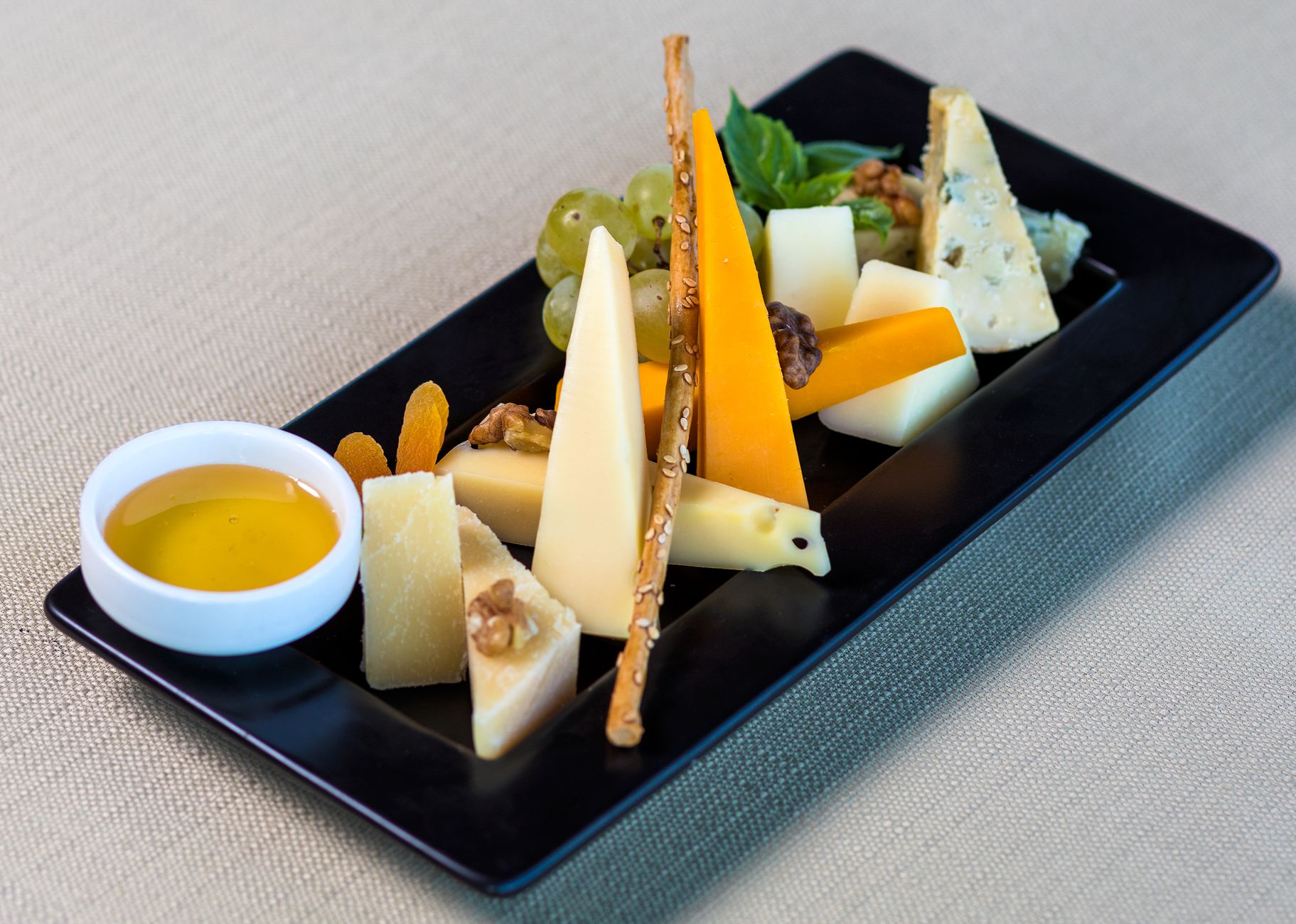
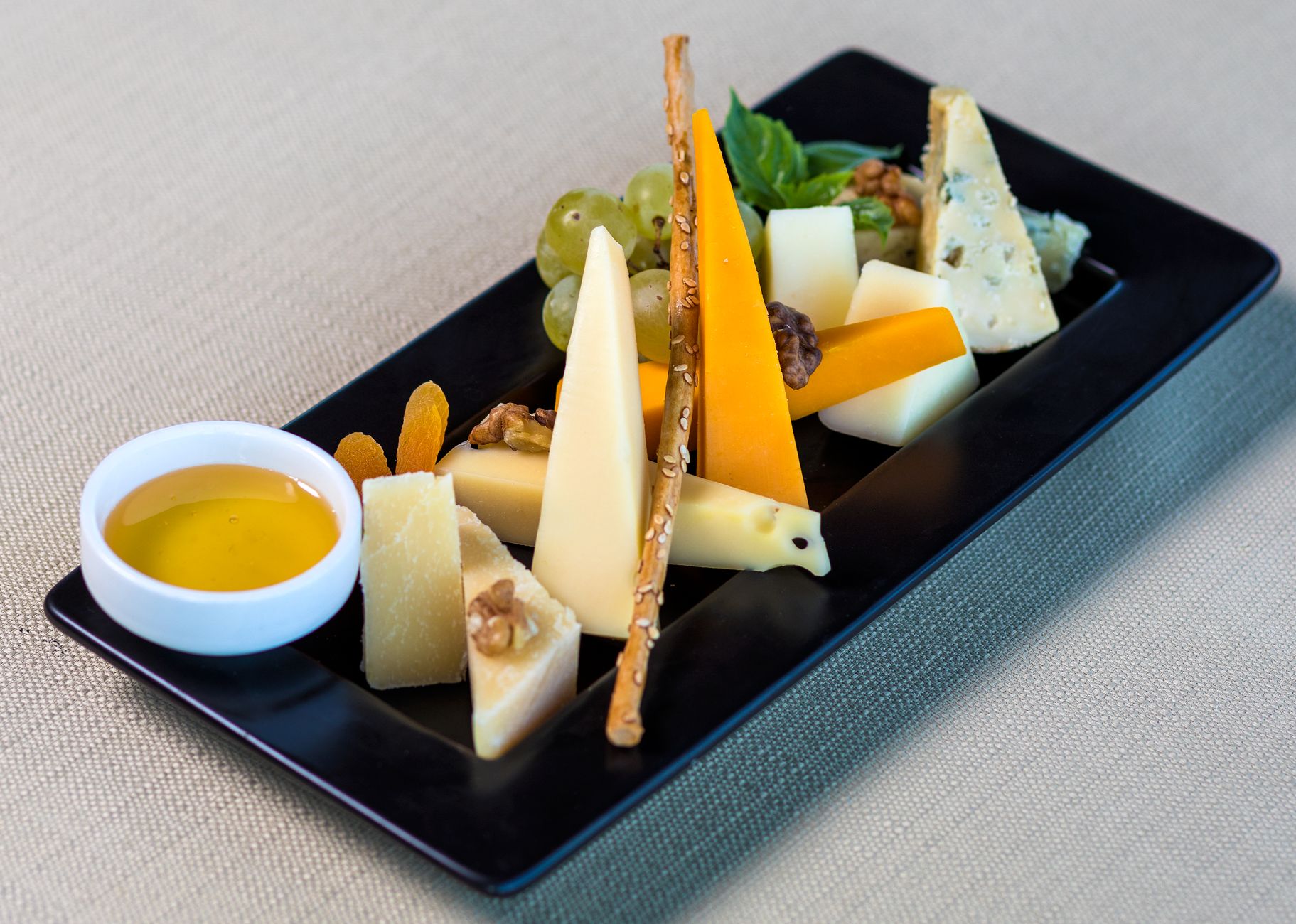
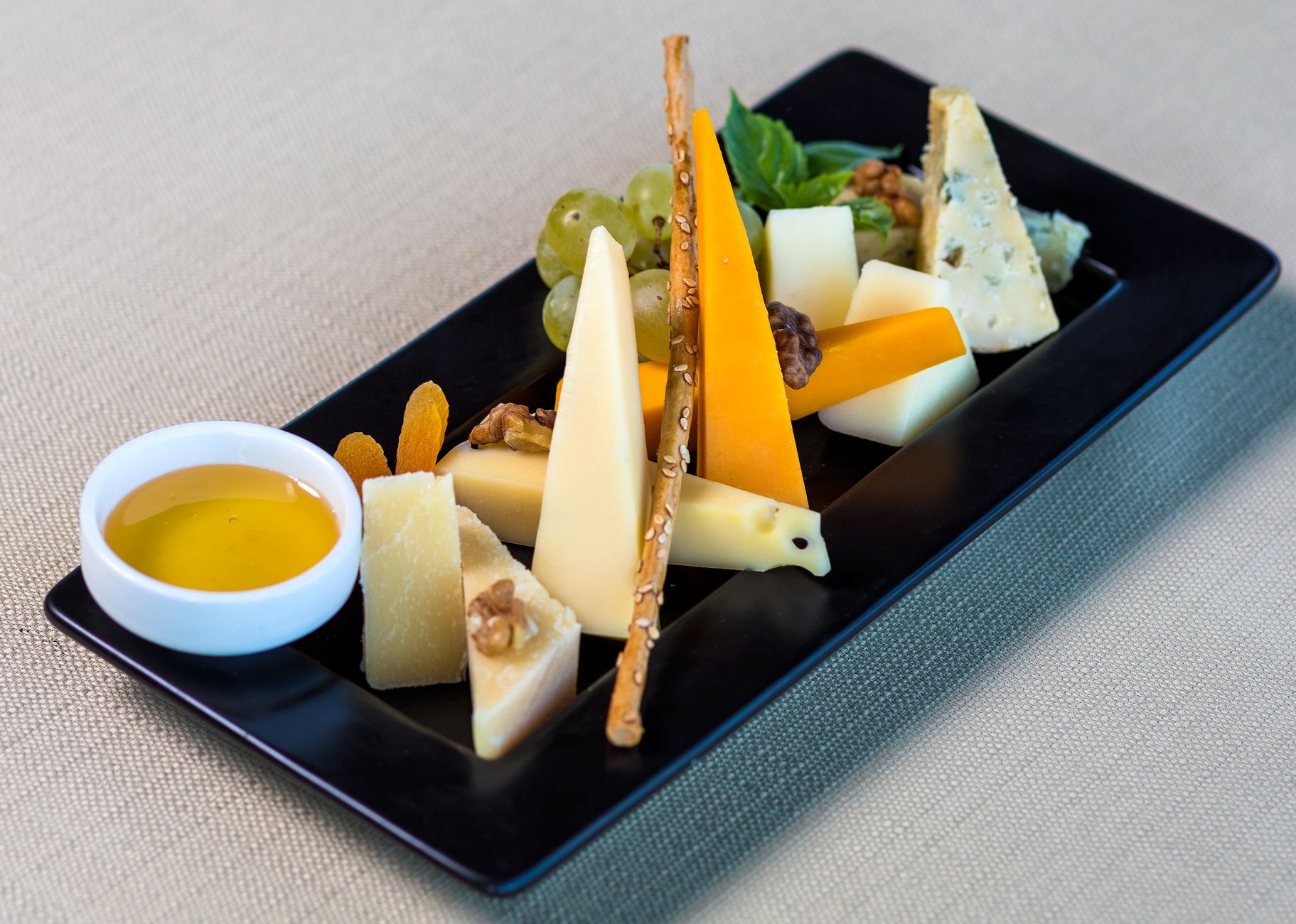
- Slicing for cheese boards: Serve at room temperature with dried fruit, nuts, and crusty bread. A 6-ounce wedge costs $8 to $12.
- Adding to gratins or casseroles: Shred and mix into potato gratin or mac and cheese for a tangy twist.
- Frying: Cut into 1/2-inch slices, coat in breadcrumbs, and pan-fry in olive oil for 2 minutes per side. Serve over greens.
Aged goat cheese is pricier than fresh, often $15 to $20 per pound, but a little goes a long way. For a 2-person meal, use 2 to 3 ounces.
Cooking with Goat Cheese: Heat and Timing
Goat cheese reacts differently to heat than cow’s milk cheese. It has less casein, so it can become rubbery if overheated. Here’s how to handle it:
- Low and slow: Melt goat cheese over low heat, stirring constantly. Add a splash of milk or cream to keep it smooth.
- Add at the end: For sauces and soups, stir in goat cheese just before serving. It should melt in 1-2 minutes without boiling.
- Bake it: For a baked chèvre appetizer, place a log in a small baking dish, drizzle with olive oil and herbs, and bake at 350°F for 10 minutes. It should be warm and soft, not bubbling.
If you’re making a goat cheese tart or quiche, mix the cheese into the egg custard before baking. It will set into a creamy layer.
Storing Goat Cheese to Keep It Fresh
Proper storage extends the life of your goat cheese. Here’s what works:
- Fresh chèvre: Keep in its original container or wrap in parchment paper, then place in a sealed container. It lasts 1-2 weeks in the fridge. If it gets too soft, it’s still fine to cook with.
- Aged cheese: Wrap in parchment or wax paper, then loosely in plastic wrap. This lets it breathe while preventing drying. It can last 3-4 weeks.
- Freezing: You can freeze fresh chèvre for up to 2 months, but it will become crumbly when thawed. Use it for cooking, not spreading. Freeze aged cheese in small pieces; it will be more crumbly but fine for grating.
Never store goat cheese in airtight plastic without paper; it will sweat and develop off-flavors.
Pairing Goat Cheese with Other Foods
Goat cheese pairs well with acidic, sweet, and earthy flavors. Here are some tried-and-true combos:
- Honey and figs: The sweetness balances the tang. Drizzle honey over chèvre and top with fresh fig slices.
- Beets and walnuts: Earthy beets and nutty walnuts complement the cheese’s brightness.
- Herbs: Thyme, rosemary, and chives are classic partners. Mix fresh herbs into chèvre for a quick spread.
- Fruits: Pears, apples, and berries work well. For a savory twist, try roasted grapes.
- Wine: Sauvignon Blanc or a dry Chenin Blanc are classic matches. For red, a light Pinot Noir.
FAQ
Can I use goat cheese in place of cream cheese? Yes, in most recipes. Goat cheese is tangier and softer, so you may need to adjust seasonings. For cheesecake, use a 1:1 swap, but expect a more pronounced flavor.
How do I make goat cheese less tangy? Mix it with a bit of honey or maple syrup. You can also blend it with cream cheese or mascarpone to mellow the flavor.
Is goat cheese healthier than cow’s milk cheese? It’s often easier to digest for some people because it has less lactose and different proteins. But it’s still high in fat and calories, so eat it in moderation.
Can I make goat cheese at home? Yes, fresh chèvre is easy. Heat goat milk to 86°F, add culture and rennet, let sit for 12 hours, then drain in a cheesecloth. You’ll need a thermometer, a pot, and cheesecloth. Total cost for your first batch is about $25 for supplies, then $8 to $12 per batch for milk.
The bottom line
The best way to use goat cheese is to match it to its age: spread fresh chèvre on bread, crumble it over salads, or whisk it into sauces; grate or slice aged goat cheese for melting and cheese boards. Store it properly to keep it fresh, and don’t be afraid to experiment with pairings. If you’re new to goat cheese, start with a fresh log and try it on a baguette with honey. You’ll see why it’s a favorite on the farmstead.
For more detailed recipes and techniques, check out our guide on making chèvre at home, or try our baked goat cheese appetizer recipe. Happy cooking!