Basic cheese making for beginners
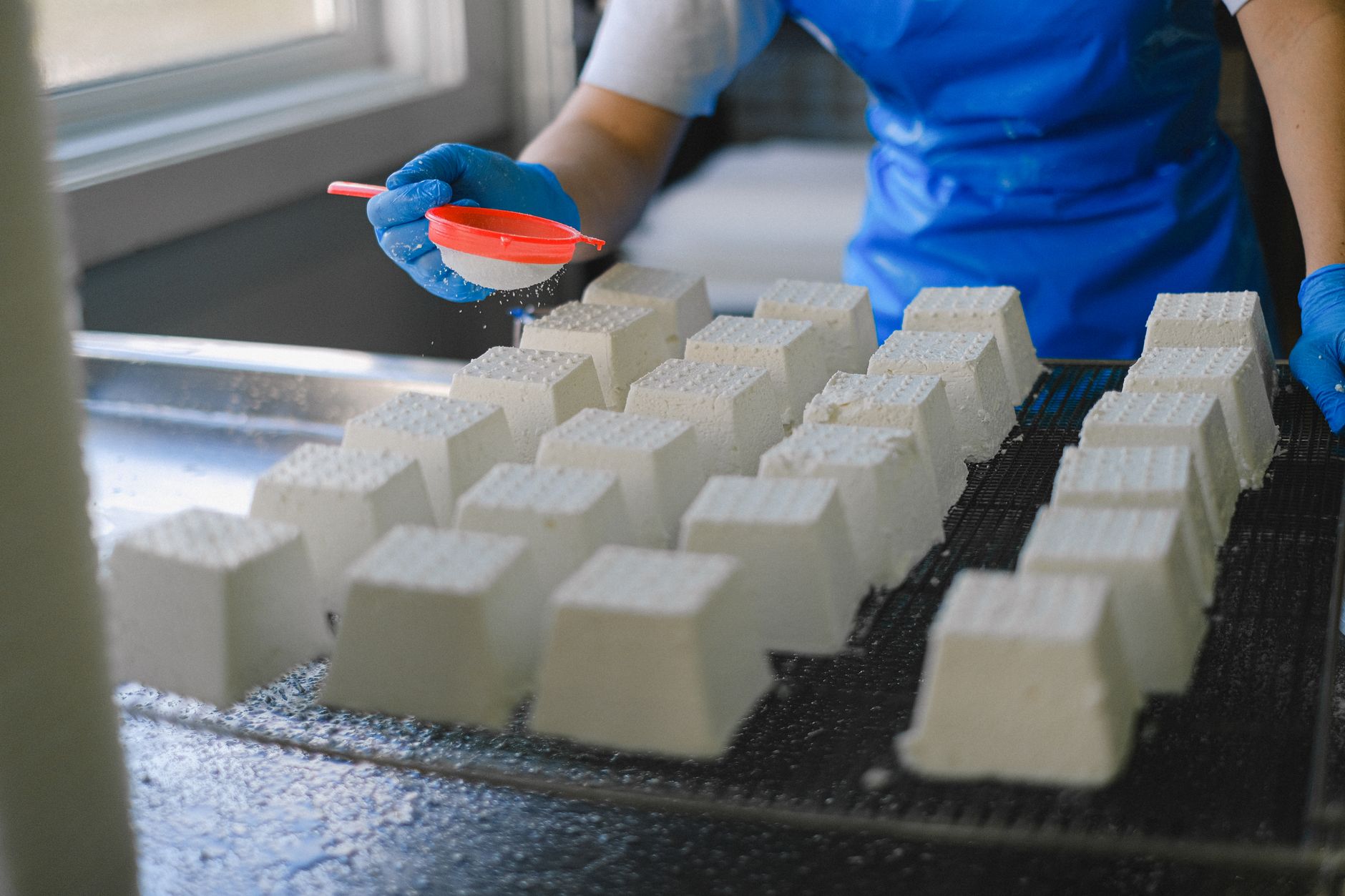
Learn to make fresh cheese at home with simple tools, real steps, and realistic costs. Start with ricotta and mozzarella today.
Making cheese at home is simpler than you think. With a few basic tools and ingredients, you can produce fresh ricotta, mozzarella, and paneer in under an hour. This guide covers the essentials: equipment, ingredients, step-by-step methods, and common pitfalls, so you can start this week without wasting money or milk.
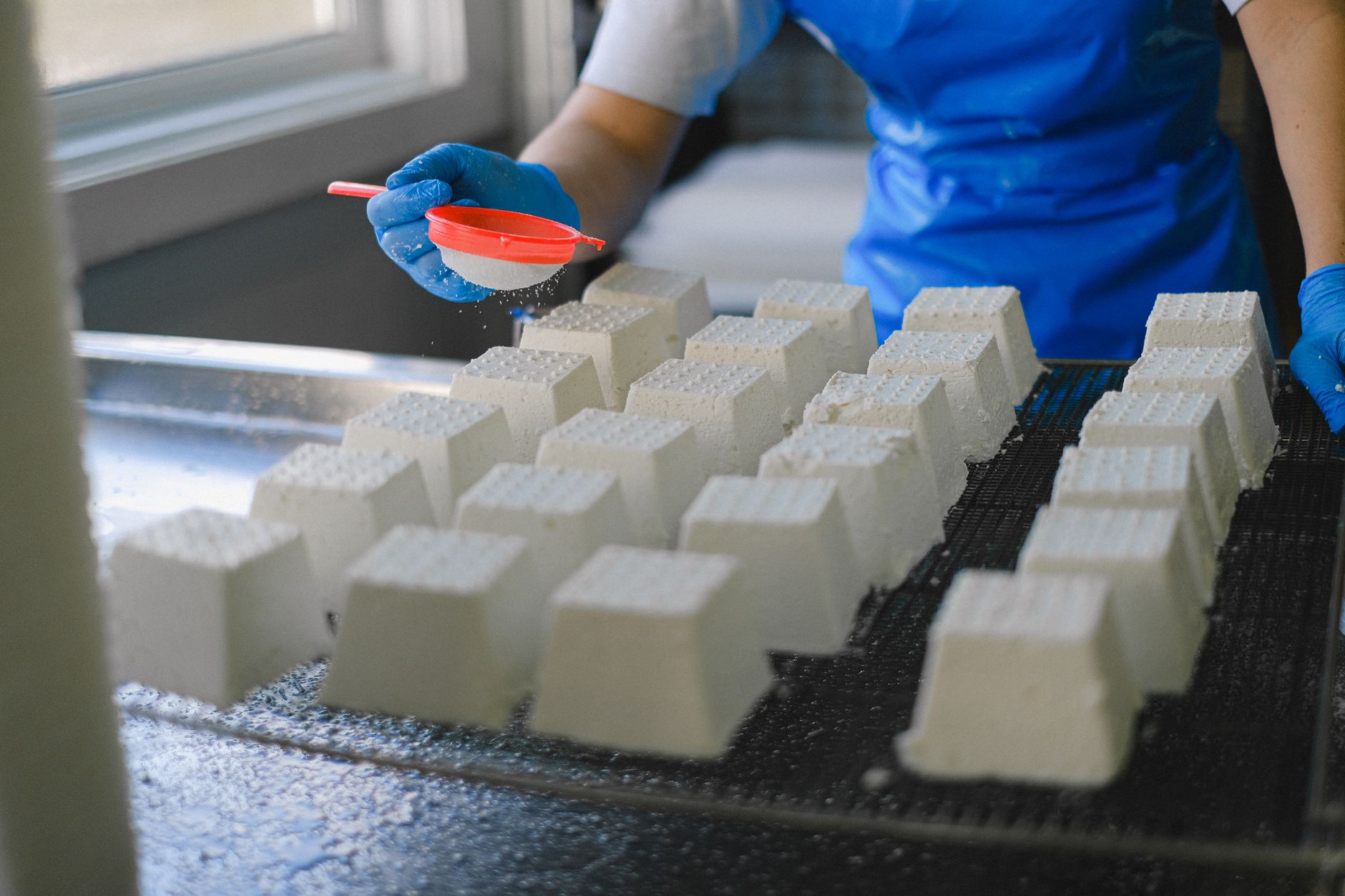
What You Need to Start
You likely have most of the equipment already. The only specialty items are rennet, citric acid, and a thermometer. Here is the full list with realistic 2026 prices:
- Large pot: Stainless steel or enameled, 4 to 6 quarts. Avoid aluminum or cast iron, they react with acid. Cost: $20 to $40 if you need one.
- Thermometer: A digital instant-read or a dairy thermometer with a clip. Accuracy matters. Cost: $10 to $20.
- Slotted spoon and long knife: For cutting curds. Cost: $5 to $10.
- Cheesecloth or butter muslin: For draining. Cost: $5 for a pack.
- Milk: Whole milk, pasteurized but not ultra-pasteurized (UHT). Ultra-pasteurized milk will not form a proper curd. Cost: $3 to $5 per gallon.
- Citric acid: For mozzarella and ricotta. Cost: $5 to $8 for a small container.
- Rennet: Liquid or tablet. Vegetable rennet is fine. Cost: $8 to $12 for a small bottle.
- Salt: Non-iodized, like kosher or sea salt. Iodized can affect flavor an
 d setting.
Total startup cost: $50 to $80, but most of that is one-time. Milk is your ongoing expense.
The Three Easiest Cheeses for Beginners
Start with these three. They require no aging, no special molds, and they are ready in under an hour.
1. Paneer (Indian Fresh Cheese)
Paneer is the simplest: it uses only milk and an acid (lemon juice or vinegar). No rennet, no special culture.
Steps:
- Heat 1 gallon of whole milk in a pot to 180°F (82°C). Stir occasionally to prevent scorching.
- Turn off heat. Add 1/4 cup of lemon juice or white vinegar, stirring gently. Curds will separate from the whey within a minute.
- Let sit for 5 minutes.
- Pour through a cheesecloth-lined colander. Rinse with cold water to remove the acid taste.
- Gather the cloth, squeeze out excess whey, and press under a heavy plate for 30 minutes.
Yield: about 1 pound of paneer. Use it in curries or stir-fries. It does not melt, so it holds its shape.
2. Ricotta (Italian Fresh Cheese)
Ricotta is similar to paneer but uses a mix of milk and cream, and you can add a bit of salt. It is creamy and spreadable.
Steps:
- Combine 1 gallon of whole milk and 1 cup of heavy cream in a pot.
- Heat to 185°F (85°C). Add 1/4 cup of lemon juice and 1 teaspoon of salt.
- Stir gently for 2 minutes, then let sit for 10 minutes.
- Drain in cheesecloth for 15 to 30 minutes, depending on how moist you like it.
Yield: about 1.5 pounds. Use in lasagna, on toast, or with honey.
3. Mozzarella (Fresh, Stretched Curd)
Mozzarella is a step up because it involves stretching the curd. It requires citric acid and rennet, but the process is still doable in 30 minutes.
Steps:
- Dissolve 1.5 teaspoons of citric acid in 1/4 cup of cool water. Set aside.
- Dissolve 1/4 teaspoon of liquid rennet in 1/4 cup of cool water. Set aside.
- In a pot, combine 1 gallon of whole milk and the citric acid solution. Heat to 90°F (32°C).
- Add the rennet solution, stir for 30 seconds, then stop. Let sit for 5 to 10 minutes until the curd sets like firm tofu.
- Cut the curd into 1-inch cubes. Heat to 105°F (40°C), stirring gently.
- Remove from heat. Using a slotted spoon, transfer curds to a microwave-safe bowl. Drain off whey.
- Microwave the curds for 1 minute. Drain whey. Add 1 teaspoon of salt. Knead and stretch the curd until smooth and shiny. If it tears, microwave for another 30 seconds.
- Shape into a ball and place in ice water for 5 minutes.
Yield: about 1 pound. Use within a few days; fresh mozzarella is best eaten within 48 hours.
Common Mistakes and How to Avoid Them
- Using ultra-pasteurized milk: It will not curd properly. Check the label: if it says “ultra-pasteurized” or “UHT,” skip it. Regular pasteurized whole milk is best.
- Overheating the milk: For paneer and ricotta, do not boil. For mozzarella, do not exceed 110°F (43°C) during stretching, or the curd will become tough.
- Skipping the thermometer: Guessing temperatures leads to poor curd formation. Spend the $15 on a good thermometer.
- Using iodized salt: It can give a bitter taste. Use kosher or sea salt.
- Not draining enough: For ricotta and paneer, drain until the desired consistency. Too wet, and it will be mushy.
Equipment and Ingredient Sources
You can find everything at a local grocery store or online. For rennet and citric acid, check homebrew shops or Amazon. Prices are stable in 2026: a bottle of liquid rennet costs $8 to $12 and makes 20 to 30 batches. Citric acid is $5 to $8 per pound, enough for many batches.
FAQ
Q: Can I use 2% or skim milk? A: Yes, but the cheese will be drier and less flavorful. Whole milk gives the best texture and yield. For ricotta, add cream if using lower-fat milk.
Q: How long does fresh cheese last? A: Paneer and ricotta last 3 to 5 days in the refrigerator in an airtight container. Mozzarella is best within 2 days. You can freeze paneer and ricotta for up to 2 months, but texture may change.
Q: What can I do with the leftover whey? A: Whey is nutritious. Use it in soups, bread, or smoothies, or water your garden plants (dilute it). It is not waste.
Q: Do I need a cheese press and cultures for these recipes? A: No. These are fresh cheeses, no pressing or aging needed. That is why they are perfect for beginners.
The Bottom Line
Start with paneer or ricotta, then move to mozzarella once you are comfortable. The total time for any of these is under an hour, and the cost per pound is about $4 to $6, much cheaper than store-bought fresh cheese. You will get the satisfaction of making something delicious with your own hands, and you will never go back to store-bought. Try one recipe this weekend, and you will be hooked.