Cattle for beginners
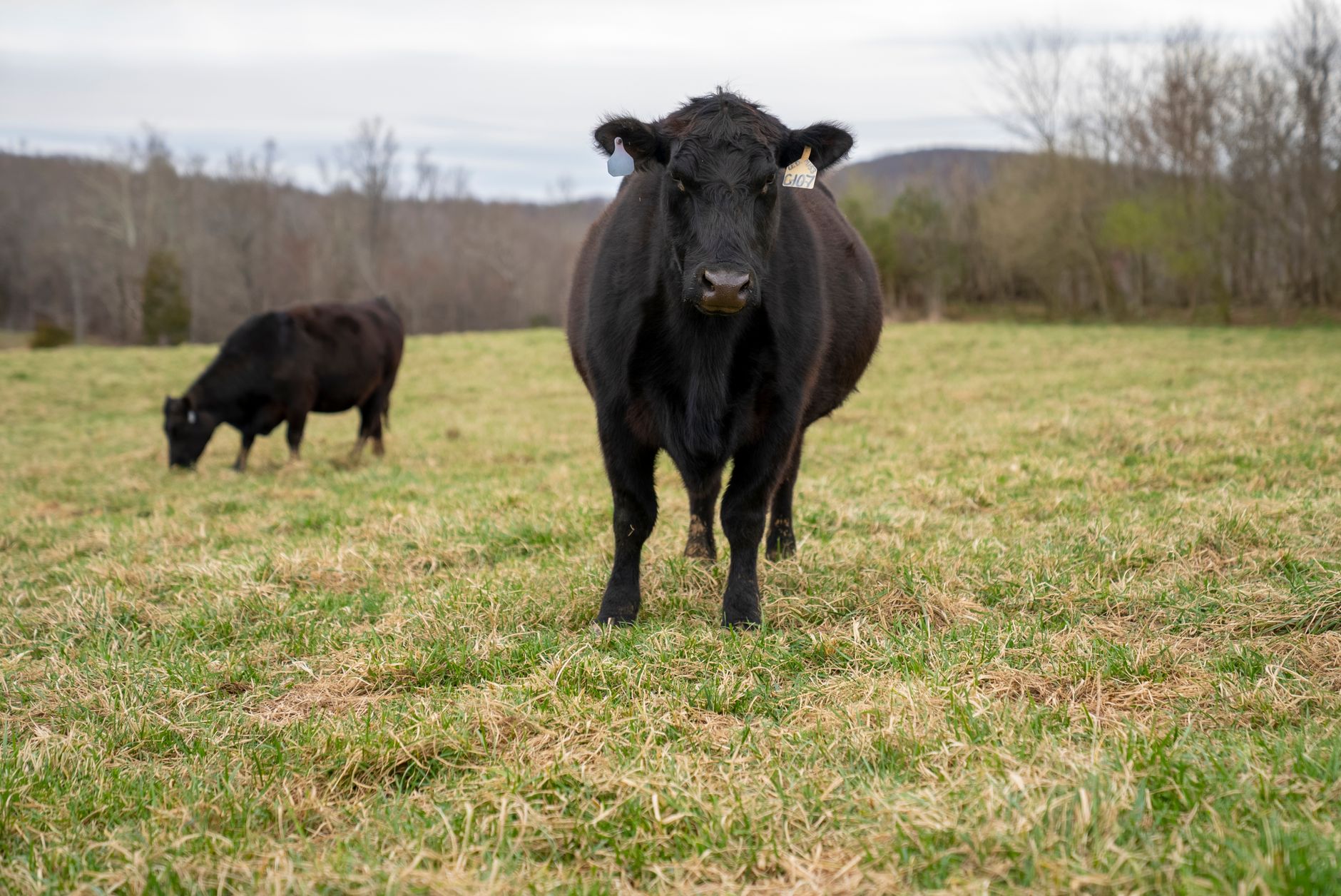
Learn the essentials of starting with cattle: costs, space, breeds, fencing, feeding, and daily care. Practical advice for homesteaders.
Starting with cattle is a big step, but with the right preparation, it is manageable. This guide covers the basics: what you need, what it costs, and how to care for your animals. You will learn the key decisions to make before buying your first cows, and the daily routines that keep them healthy.
First, decide your goal
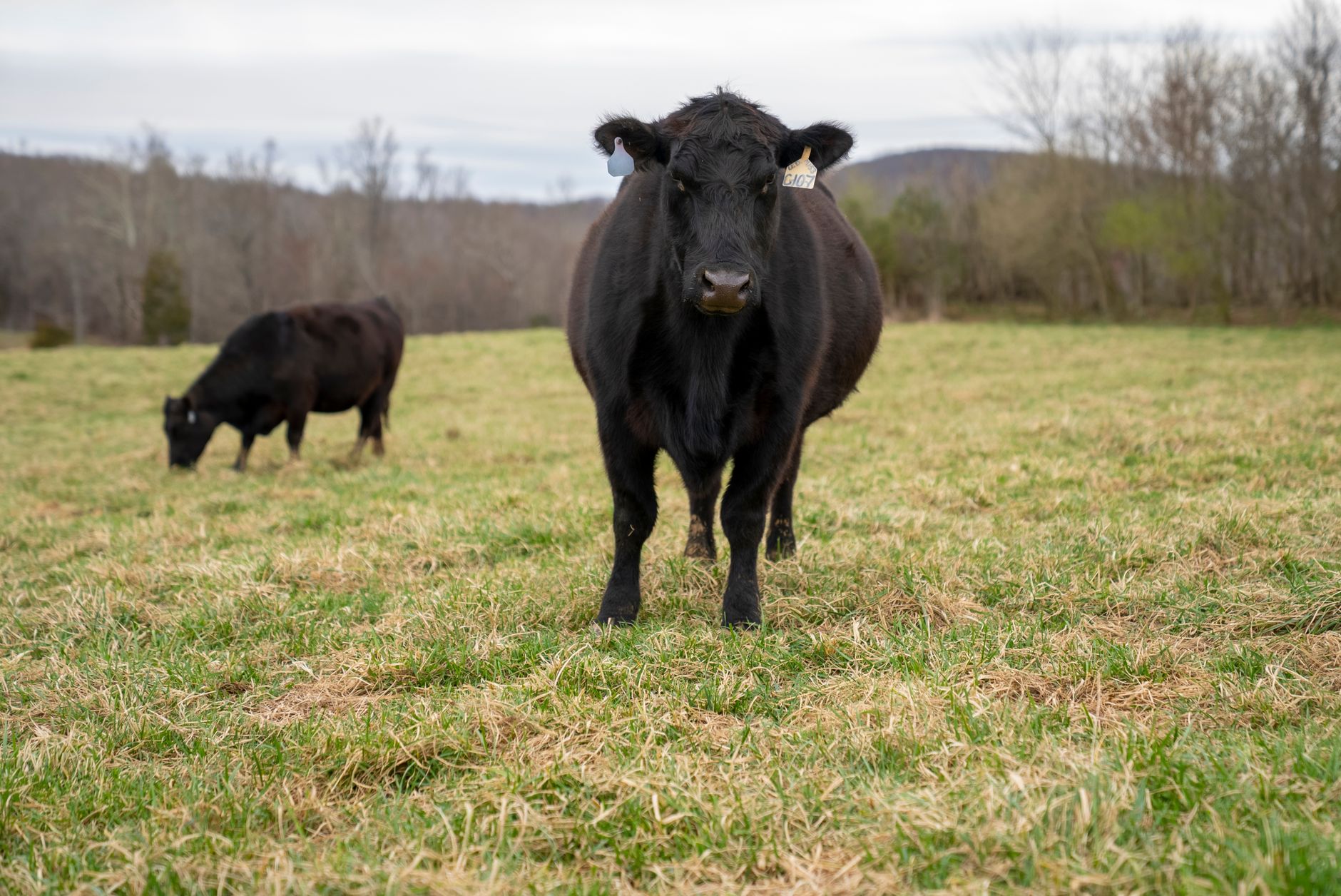
Before you buy any cattle, know why you want them. Are you raising beef for your family, selling breeding stock, or starting a small dairy? Your goal determines breed, number, and facilities. For most homesteaders, a small beef herd of 2 to 5 cows is a good start. Dairy re
 quires more daily commitment, so if you have a full-time job, beef is easier.
Space and facilities
Each cow needs about 2 to 3 acres of pasture for grazing, but this varies with rainfall and soil. In dry regions, you may need 5 acres per cow. You also need a secure fence: barbed wire or high-tensile electric. A simple 4-strand barbed wire fence costs $1.50 to $2.50 per foot installed. For a 5-acre perimeter (about 1,300 feet), that is $2,000 to $3,250. Electric fencing is cheaper, around $0.50 per foot for wire and posts, but requires a charger ($150 to $300) and regular maintenance.
You also need a handling system: a corral, a chute, and a head gate. A basic setup can be built for $500 to $1,500, or you can buy a portable chute for $1,200 to $2,500. Do not skip this; you will need to restrain cattle for vaccinations and health checks.
Shelter: a three-sided shed is enough in most climates. Build it for $1,000 to $3,000, or use an existing barn. Cattle need shade in summer and windbreak in winter.
Choosing your breed
For beginners, choose a breed known for docile temperament and hardiness. Here are three good options:
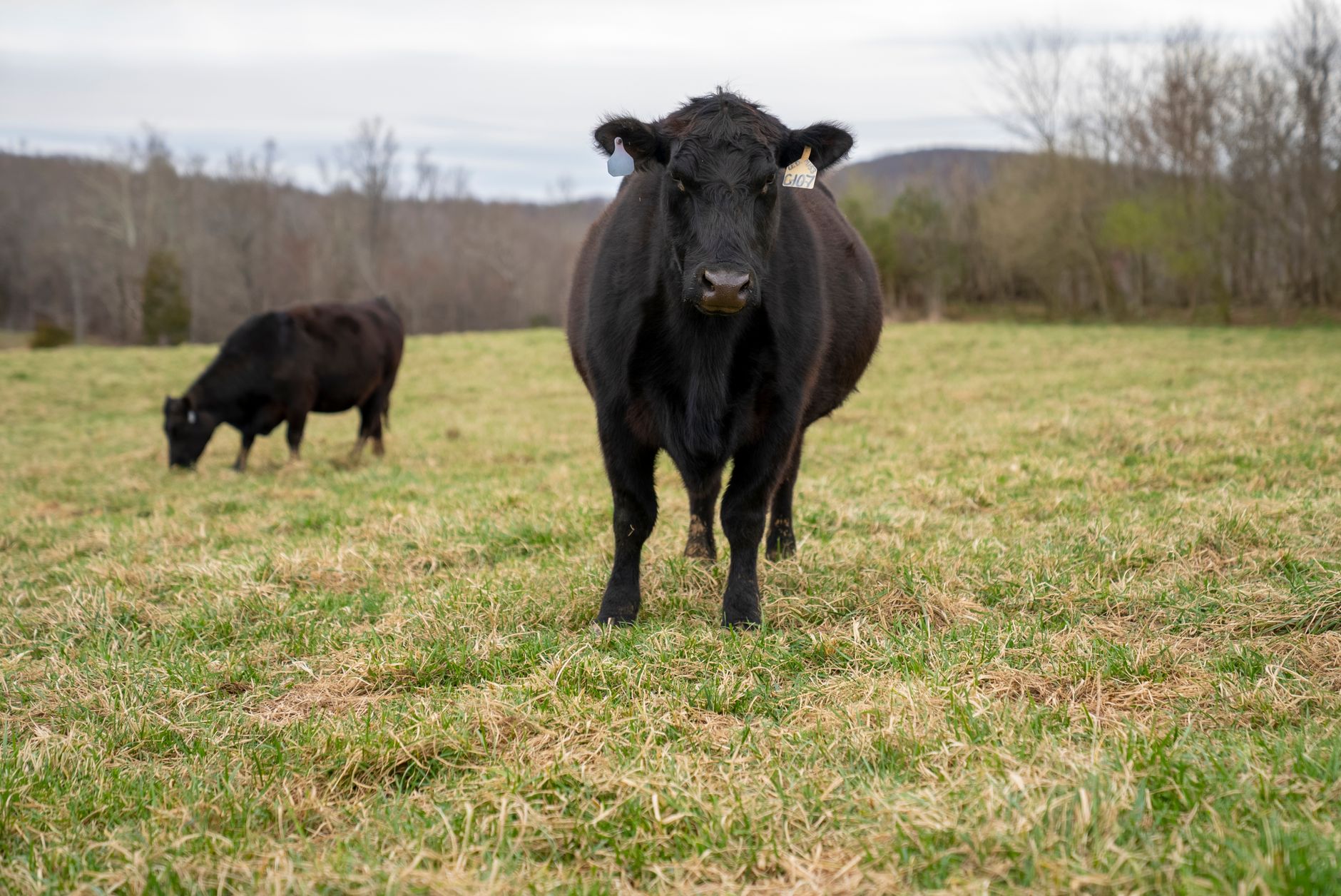
- Angus: Beef, black, moderate size, good maternal instincts. Common and easy to sell.
- Hereford: Beef, red with white face, docile, good foragers. Hardy in cold.
- Jersey: Dairy, small, gentle, efficient milk production. Good for a family cow.
If you want a dual-purpose breed (milk and meat), consider Dexter or Milking Shorthorn. They are smaller, easier to handle, and good for small farms.
Buy from a reputable breeder. Look for animals that are calm, have clear eyes, and are not overly thin or fat. Ask for health records and vaccination history.
Costs: what to expect in 2026
Here are realistic price ranges for 2026:
- Weaned calf (6-8 months): $800 to $1,200 for beef breeds; dairy calves are cheaper, $500 to $800.
- Bred heifer (ready to calve): $1,500 to $2,500.
- Mature cow (with calf at side): $2,000 to $3,500.
- Bull (for breeding): $3,000 to $5,000, or use artificial insemination (AI) for $50 to $100 per attempt.
Annual costs per cow:
- Feed (hay, grain if needed): $400 to $800, depending on hay prices and pasture quality. In dry years, hay can cost $200 per ton, and a cow eats 30 to 40 pounds per day.
- Vet and medicine: $100 to $200 for vaccinations, deworming, and emergencies.
- Fencing and maintenance: $100 to $300 per year.
- Miscellaneous (salt, minerals, tags): $50 to $100.
Total annual cost per cow: $650 to $1,400. If you are raising beef, a cow can produce a calf that sells for $1,000 to $1,500 at weaning, so you can break even if you manage well.
Feeding and water
Cattle are ruminants, so they need forage (grass or hay) as the base of their diet. In summer, good pasture provides most nutrition. In winter, feed grass hay at 2% of body weight per day. A 1,200-pound cow eats about 24 pounds of hay daily. That is about 1.5 tons per month, costing $200 to $400.
Supplement with minerals: a loose mineral mix with salt, calcium, and phosphorus. Cost is $20 to $30 per bag (50 pounds), and a cow needs about 2 ounces per day. Always provide fresh, clean water. In winter, you may need a heated water tank ($100 to $200) to prevent freezing.
Daily care and health
Cattle are low-maintenance compared to other livestock, but you must check them daily. Look for signs of illness: coughing, runny nose, diarrhea, lameness, or not eating. Common health issues:
- Bloat: can occur on lush pasture. Prevent by gradual introduction to new pasture and providing dry hay.
- Pinkeye: bacterial infection, treat with antibiotics and fly control.
- Parasites: deworm regularly with ivermectin or fenbendazole.
Vaccinations: give a 7-way clostridial vaccine (e.g., Vision 7) and a respiratory vaccine (e.g., Bovi-Shield Gold) annually. Cost is $5 to $10 per dose. Work with a local vet to set up a herd health plan.
Handling and safety
Cattle are large animals, so safety is critical. Always work calmly and quietly. Use a chute for any procedure. Never turn your back on a bull. Learn to read body language: a raised head and pawing means they are agitated. Keep children away from bulls and cows with calves.
FAQ
How many cows should I start with?
Start with 2 or 3 cows. This gives you enough to learn without overwhelming your budget or time. You can expand later.
Do I need a bull?
Not necessarily. You can use artificial insemination (AI) to breed your cows. AI costs less and reduces safety risks. But AI requires timing and skill; many beginners prefer a bull for simplicity. If you use a bull, you need to manage him carefully.
How much land do I need for cattle?
A general rule is 2 to 3 acres per cow for pasture, but this varies. In arid areas, you may need 5 acres or more. You can also supplement with hay if you have less land.
What is the best time of year to buy cattle?
Spring is ideal, as pasture is growing and calves are available. Avoid buying in late fall when you will need to feed hay all winter, which increases costs.
The bottom line
Cattle for beginners is a rewarding venture if you plan carefully. Start with a clear goal, choose a docile breed, and invest in good fencing and handling facilities. Budget $5,000 to $10,000 for your first two cows and equipment. Expect to spend time daily checking your animals, but the effort pays off with healthy, productive cattle. Take a class or visit a local farm to learn hands-on before you buy. With preparation, you can raise cattle successfully on your homestead.