Best livestock for beginners
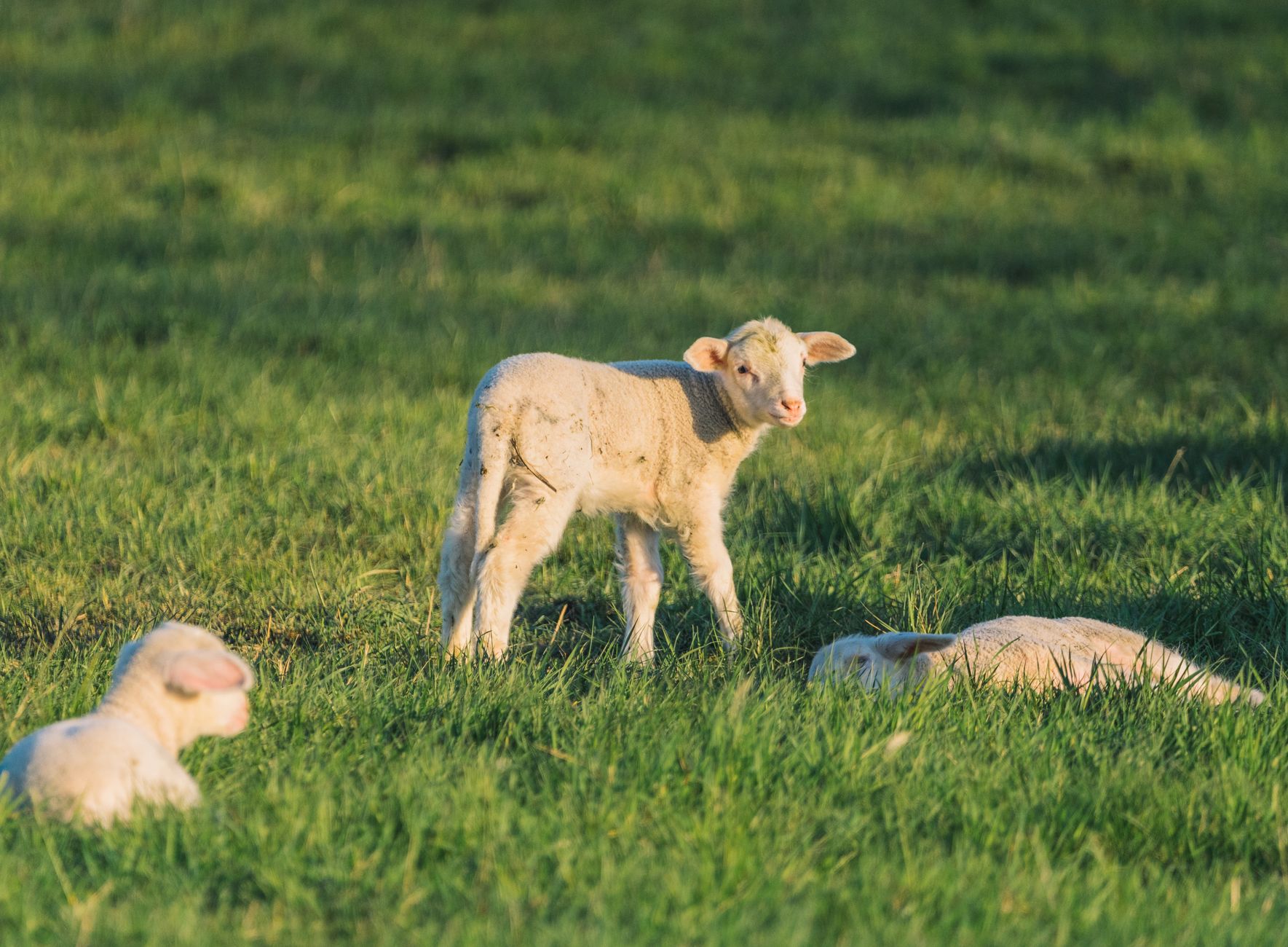
Discover the easiest livestock for beginners: chickens, goats, rabbits, and bees. Compare costs, space, and care to choose your first animals with confidence.
If you’re new to homesteading, the best livestock for beginners are chickens, goats, rabbits, and honey bees. These animals are affordable, manageable, and provide real returns: eggs, milk, meat, or honey. Start with one species, master its care, then expand. This guide compares each option so you can pick what fits your land, budget, and goals.
Chickens: The classic first choice
Chickens are the most forgiving entry point. They need about 4 square feet per bird inside the coop and 10 square feet per bird in the run. A small flock of 4 to 6 hens gives you 3 to 5 eggs per day in peak season, which is plenty for a family.
Best breeds for beginners:
- Rhode Island Red: Hardy, friendly, lays 5 to 6 large brown eggs per week.
- Buff Orpington: Calm, cold-hardy, good for kids, lays 4 to 5 eggs weekly.
- Plymouth Rock: Docile, reliable, lays 4 to 5 eggs weekly.
Setup costs (2026):
- Coop kit: $300 to $600 for a 4 to 6 bird coop.
- Feeders and waterers: $20 to $40.
- Chicks (day-old): $3 to $5 each, or $15 to $25 for started pullets.
- Feed: $20 to $30 per 50 lb bag, lasts about 6 weeks for 6 hens.
Time commitment: 15 minutes per day for feeding, watering, and egg collection. Weekly coop cleaning takes 30 minutes.
What to do this week: Order chicks from a hatchery like Murray McMurray or your local feed store. Set up a brooder with a heat lamp, p
 ine shavings, and a chick waterer. Plan your coop placement: dry, shaded, and predator-proof.
Goats: Milk and brush control
Goats are social, smart, and useful, but they require more space and fencing than chickens. A pair of dwarf or Nigerian Dwarf goats can thrive on 1/4 acre if you rotate their grazing. They give 1 to 2 quarts of milk per day, and they clear brush effectively.
Best breeds for beginners:
- Nigerian Dwarf: Small (under 200 lbs), friendly, rich milk, easy to handle.
- Pygmy: Even smaller, but less milk; good for pets or brush.
- Alpine: Standard size, more milk (up to 1 gallon per day), but stronger will and needs more space.
Setup costs (2026):
- Goat (wethered or doe): $100 to $300 each, depending on breed and registration.
- Fencing: $200 to $500 for a quarter acre of woven wire or electric netting.
- Shelter: $200 to $500 for a simple 3-sided shed.
- Feed and hay: $30 to $50 per month per goat.
Time commitment: 30 minutes per day for feeding, milking (if lactating), and health checks. Goats need companionship; never keep just one.
What to do this week: Visit a local goat farm to handle goats and learn basic care. Check your fencing; goats are escape artists. Plan a shelter that is dry and draft-free.
Rabbits: Meat and manure in a small space
Rabbits are ideal for small homesteads or urban lots. A trio (one buck, two does) can produce 200 to 300 pounds of meat per year, and their manure is excellent for gardens. They need minimal space: a 2x3 foot cage per rabbit, or a colony pen.
Best breeds for beginners:
- New Zealand White: Fast growth, 8 to 10 lb mature weight, calm.
- Californian: Similar to New Zealand, good meat-to-bone ratio.
- Rex: Dense fur, 7 to 9 lb, docile.
Setup costs (2026):
- Cage or hutch: $50 to $150 each.
- Rabbit (breeding age): $20 to $50 each.
- Feed: $15 to $25 per 50 lb bag, lasts about 3 weeks for 3 rabbits.
- Water bottles and feeders: $15 to $30.
Time commitment: 20 minutes per day for feeding, watering, and checking health. Weekly cage cleaning takes 30 minutes.
What to do this week: Build or buy a simple wire cage with a drop tray. Source breeding stock from a local breeder or 4-H club. Learn the basics of breeding and kindling (birth) before you start.
Honey bees: Pollination and sweet reward
Beekeeping is less hands-on than other livestock, but it requires learning and a tolerance for stings. A single hive can produce 30 to 60 pounds of honey per year, and your garden will benefit from better pollination. You need a sunny spot with a water source nearby.
Best for beginners:
- Italian honey bees: Gentle, good honey producers, moderate winter hardiness.
- Carniolan bees: Very gentle, excellent winter hardiness, but can swarm more.
Setup costs (2026):
- Hive kit (boxes, frames, foundation): $200 to $400.
- Package of bees (3 lbs with queen): $100 to $150.
- Protective gear: $50 to $100 for a jacket and gloves.
- Smoker and tools: $30 to $50.
Time commitment: 1 to 2 hours per week during spring and summer, less in winter. Inspections every 7 to 10 days.
What to do this week: Take a beginner beekeeping class or join a local club. Order a package of bees for spring delivery. Choose a hive location: morning sun, windbreak, and away from high-traffic areas.
Comparison table
| Livestock | Space needed | Startup cost | Daily time | Main product | Difficulty |
|---|---|---|---|---|---|
| Chickens | 50 sq ft for 6 | $400 to $700 | 15 min | Eggs, meat | Easy |
| Goats | 1/4 acre for 2 | $500 to $1,000 | 30 min | Milk, brush | Moderate |
| Rabbits | 10 sq ft for 3 | $150 to $300 | 20 min | Meat, manure | Easy |
| Bees | 10 sq ft | $300 to $600 | 1 hr/week | Honey, pollination | Moderate |
FAQ
Can I start with more than one type of livestock? Yes, but it’s better to start with one and master it for a season. Adding a second species later is easier once you have routines in place.
What is the cheapest livestock to keep? Rabbits have the lowest startup cost and feed bills. Chickens are also inexpensive, but you need a coop and run.
Do I need a lot of land? No. Chickens and rabbits can live in a backyard with as little as 50 square feet. Goats need more space, but a quarter acre is enough for a pair of dwarfs. Bees need only a corner of a yard.
How do I know which animal is right for me? Consider your goals: eggs are easiest, milk requires daily milking, meat from rabbits is efficient, and honey is a passive reward. Also think about your climate, local ordinances, and how much time you can commit.
The bottom line
Start with chickens if you want a forgiving, productive first animal. If you have a bit more space and want milk, choose Nigerian Dwarf goats. For small spaces and high efficiency, rabbits are unbeatable. Bees are a fascinating side project that also boosts your garden. Whichever you pick, begin small, learn from local mentors, and enjoy the process. Your first flock or herd is the start of a rewarding homestead journey.