Best fence for cow pasture
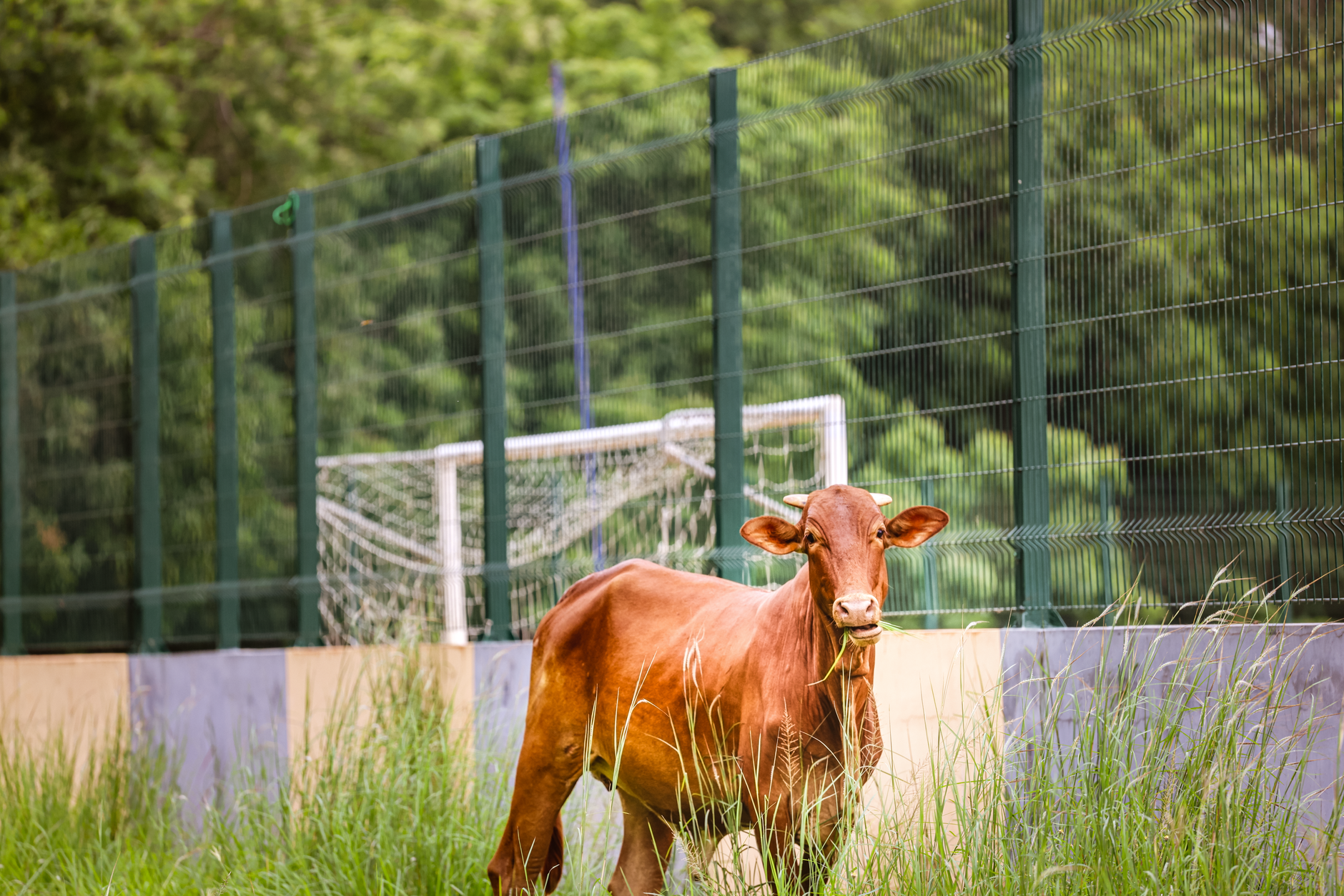
Compare high-tensile, woven wire, and electric fencing for cattle. Get real costs, spacing, and installation tips for a durable pasture fence.
The best fence for cow pasture is a high-tensile electric fence, specifically 5 to 6 strands of smooth high-tensile wire, because it is cost-effective, durable, and easy to maintain. For permanent perimeter fencing, combine it with woven wire or use a high-tensile electric system alone if you manage grazing with controlled rotation. Here is what works, what it costs, and how to build it right.
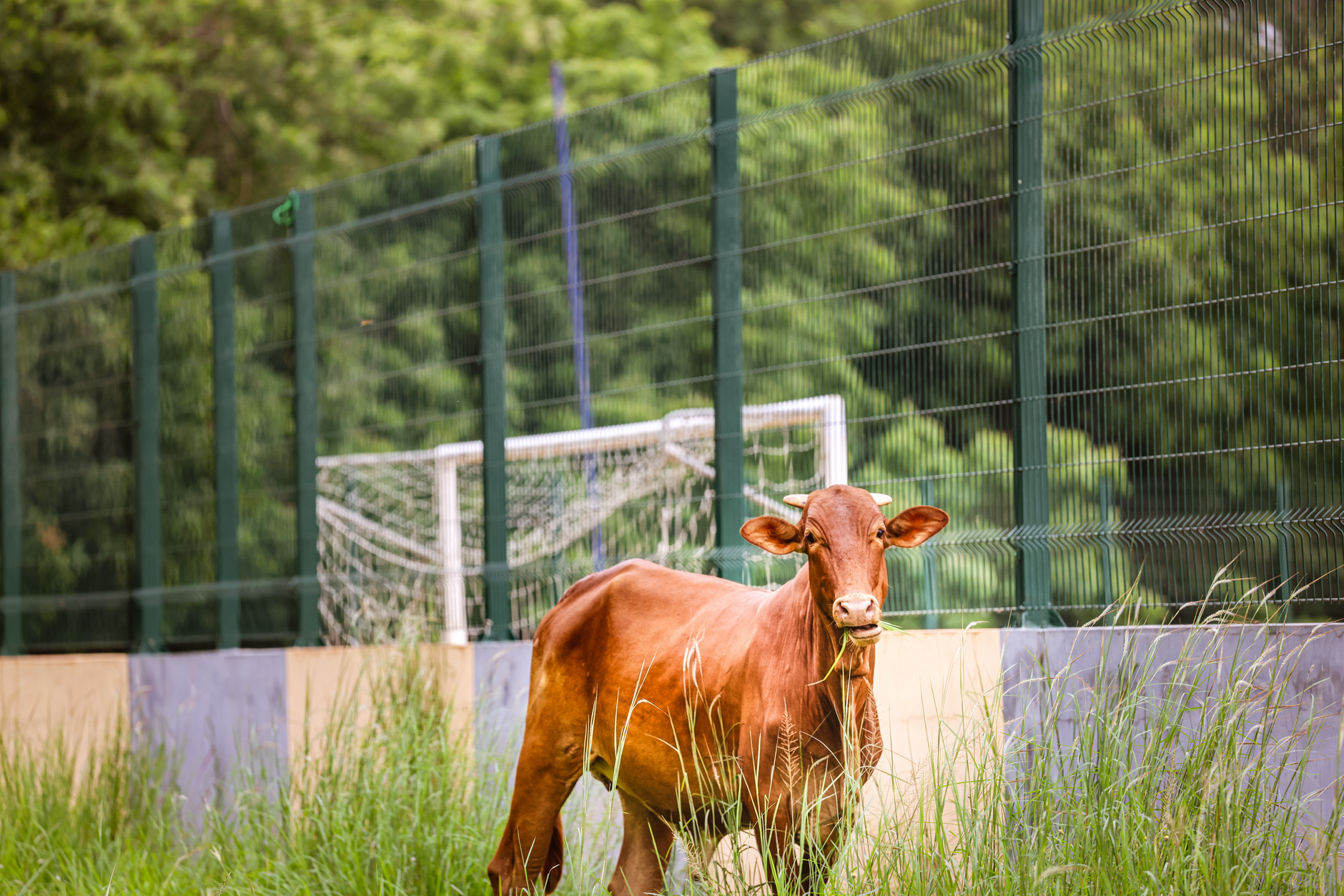
Why high-tensile electric wins
High-tensile wire is the standard for cattle in the US. It carries a strong charge, survives weather and animal pressure, and costs less per foot than woven wire. A 5-strand high-tensile fence with a good energizer will hold most cattle, including bulls, if you maintain proper voltage (at least 3,000 volts at the far end).
For dairy cows or calves, add a sixth strand or use a combination of high-tensile and polywire for temporary divisions. For permanent perimeter, many farmers use a hybrid: woven wire (f
 ield fence) with one or two electric strands on top to prevent rubbing and reaching over.
Fence types compared
Here is a breakdown of common options, with realistic 2026 prices and pros and cons.
| Fence type | Cost per foot (materials) | Lifespan | Best for | Drawbacks |
|---|---|---|---|---|
| High-tensile electric (5-strand) | $0.80 to $1.50 | 20+ years | Permanent perimeter, rotational grazing | Requires good grounding and maintenance |
| Woven wire (field fence) with 2 electric strands | $1.50 to $2.50 | 20+ years | Permanent perimeter, mixed livestock | More expensive, harder to move |
| Polywire or polytape (temporary) | $0.10 to $0.30 per foot | 3-5 years | Temporary paddocks, strip grazing | Not for permanent, needs frequent checks |
| Barbed wire (4 or 5 strands) | $0.50 to $1.00 | 15-20 years | Low-cost permanent, but risky | Can injure cattle, less effective for containment |
I have used all of these. Barbed wire is cheap but causes injuries and does not stop determined cattle. Woven wire is great but pricey. High-tensile electric is the sweet spot for most homesteads.
Planning your fence: posts, spacing, and layout
Set corner posts every 200 to 300 feet. Use wood posts (treated pine or cedar) at corners and braces, 6 to 8 inches in diameter, set 3 to 4 feet deep. Line posts can be steel T-posts or wood, spaced 30 to 50 feet apart for high-tensile. For woven wire, space line posts 10 to 12 feet apart.
Plan gates at least 12 feet wide for equipment. Place them near corners for easy access. Walk the perimeter and mark where you need to clear brush; a 4-foot swath is ideal.
Step-by-step installation
- Set corners and braces first. Use a post hole digger or auger. Brace corners with a diagonal brace wire or a horizontal brace between two posts.
- Run line posts. For high-tensile, space T-posts every 40 feet. For woven wire, every 10 feet.
- Install wire. For high-tensile, use a wire strainer and ratchet to tension each strand to about 250 pounds. Start with the bottom strand at 12 inches from the ground, then 18, 24, 30, and 36 inches for beef cattle. Add a top strand at 42 inches if needed.
- Attach insulators. Use porcelain or plastic insulators on wood posts, and clip-on insulators for T-posts. For woven wire, attach the wire to posts with staples or clips.
- Energizer and grounding. Choose an energizer sized for the fence length. For a 1,000-foot fence, a low-impedance energizer with at least 1 joule output is enough. Install at least 3 ground rods, 6 feet apart, connected with copper wire. Connect the fence lead to the energizer and the ground to the rods.
- Test the fence. Use a digital voltmeter to check voltage at the far end. It should read at least 3,000 volts. If not, check for shorts (vegetation touching wire, broken insulators) and improve grounding.
Maintenance and troubleshooting
Weeds and grass touching the wire drain voltage. Mow or spray a 4-foot strip under the fence once or twice a year. Check tension after storms; wire can stretch. Inspect insulators for cracks. Replace broken insulators immediately.
Common problems: voltage drop (poor grounding or shorts), cattle leaning (add a top strand or increase voltage), and deer damage (not common, but fix breaks quickly).
Cost breakdown for a 1,000-foot fence
Here is a realistic budget for a 1,000-foot high-tensile electric fence (5 strands) with materials and tools, 2026 prices.
| Item | Quantity | Cost |
|---|---|---|
| High-tensile wire (12.5 gauge, 4,000 ft roll) | 1 roll | $150 to $200 |
| T-posts (6 ft) | 25 | $50 to $75 |
| Corner posts (wood, 8 ft) | 4 | $40 to $80 |
| Insulators (porcelain or plastic) | 100 | $30 to $50 |
| Energizer (1 joule) | 1 | $150 to $300 |
| Ground rods and clamp | 3 rods | $30 to $50 |
| Wire strainers and hardware | 1 set | $20 to $40 |
| Total | $470 to $795 |
Add $100 to $200 for tools if you do not own them (post pounder, wire cutters, voltmeter). This is about half the cost of woven wire with the same lifespan.
FAQ
How many strands of high-tensile wire do I need for cattle? For beef cattle, 5 strands is standard. For dairy or calves, use 6 strands. Adjust heights: bottom at 12 inches, then 18, 24, 30, 36, and optionally 42 inches.
Can I use electric fence for bulls? Yes, if the fence is well built and voltage is high (3,000+ volts). Use 6 strands and a strong energizer. Bulls can be determined, so add a top strand and keep the fence visible with flags for the first few weeks.
How much does it cost to fence an acre for cows? An acre is about 835 feet of perimeter if square. For high-tensile electric, materials cost $400 to $700. Add labor if you hire it out, which can double the cost.
Do I need a permit to build a fence? Check local zoning. Many rural areas do not require permits for agricultural fences, but some counties have height or setback rules. Call your county office before you start.
The bottom line
For most cow pastures, a 5-strand high-tensile electric fence is the best value: it is durable, cost-effective, and easy to maintain. If you have the budget and want a more traditional fence, combine woven wire with two electric strands on top. Whichever you choose, invest in a good energizer and proper grounding; that is where most failures happen. Start by walking your fence line, clearing brush, and setting corner posts. You can have a safe, reliable fence up in a weekend with a few helpers.