Best fence for cattle
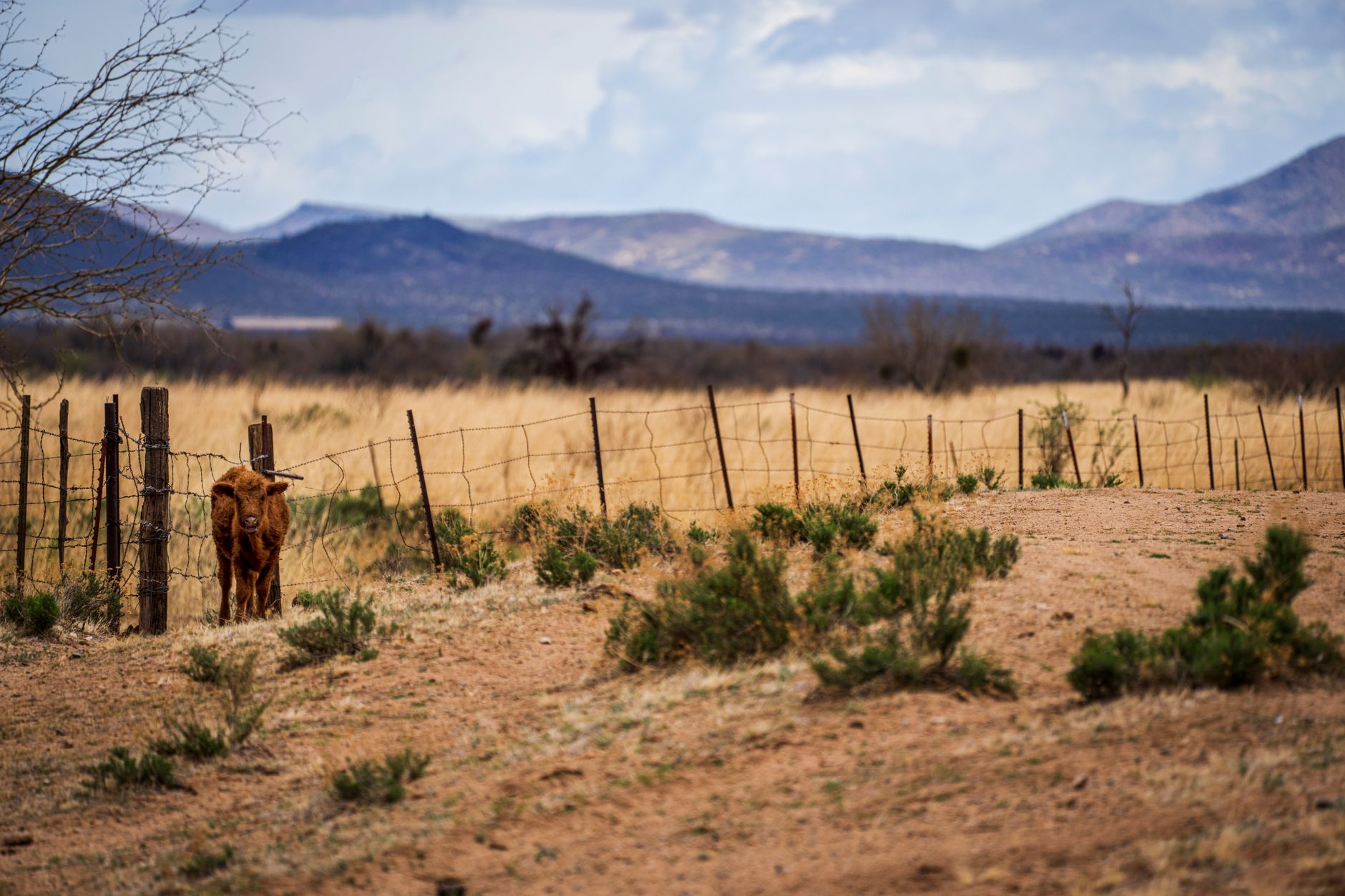
Compare high-tensile, woven wire, and electric fences for cattle. Get costs, spacing, and installation tips for a durable, safe pasture fence.
The best fence for cattle is a high-tensile electric fence, either 5 to 6 strands of smooth wire or a combination with woven wire, because it is cost-effective, durable, and easy to maintain. For permanent perimeter fencing, use high-tensile wire with wooden or steel posts; for temporary or rotational grazing, use portable electric tape or polywire. This guide covers the top options, real costs, and step-by-step installation so you can choose what fits your herd and budget.
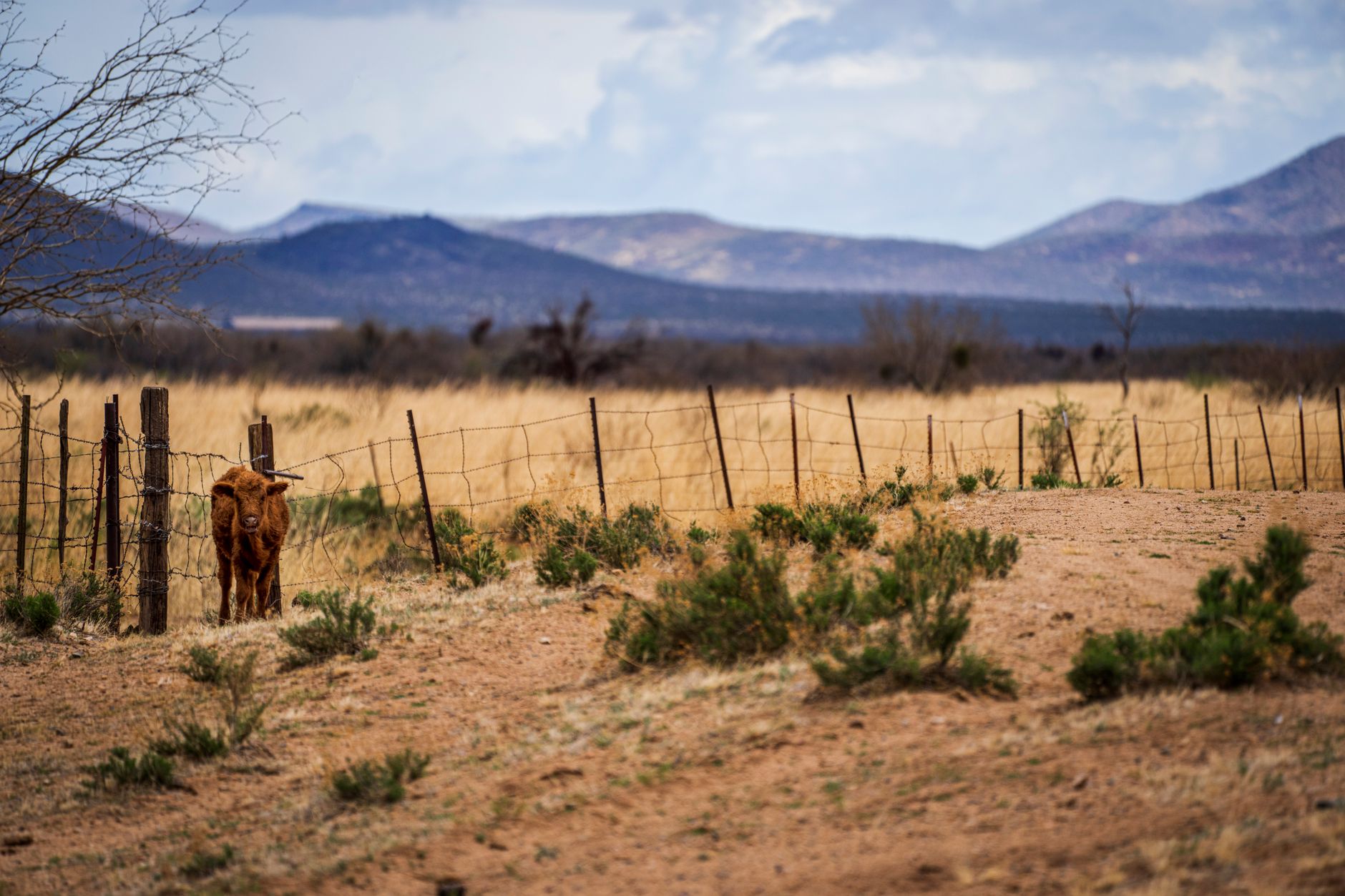
Why high-tensile electric wins
High-tensile wire (12.5 gauge, 170,000 psi) is the standard for cattle fencing. It delivers a strong, visible shock that trains cattle to respect the fence, and it lasts 20 to 30 years with proper tension. Unlike barbed wire, it is safer for animals and easier to repair. A 5-strand high-tensile fence is sufficient for most cattle, but add a 6th strand if you have bulls or horned breeds. For calves, ad
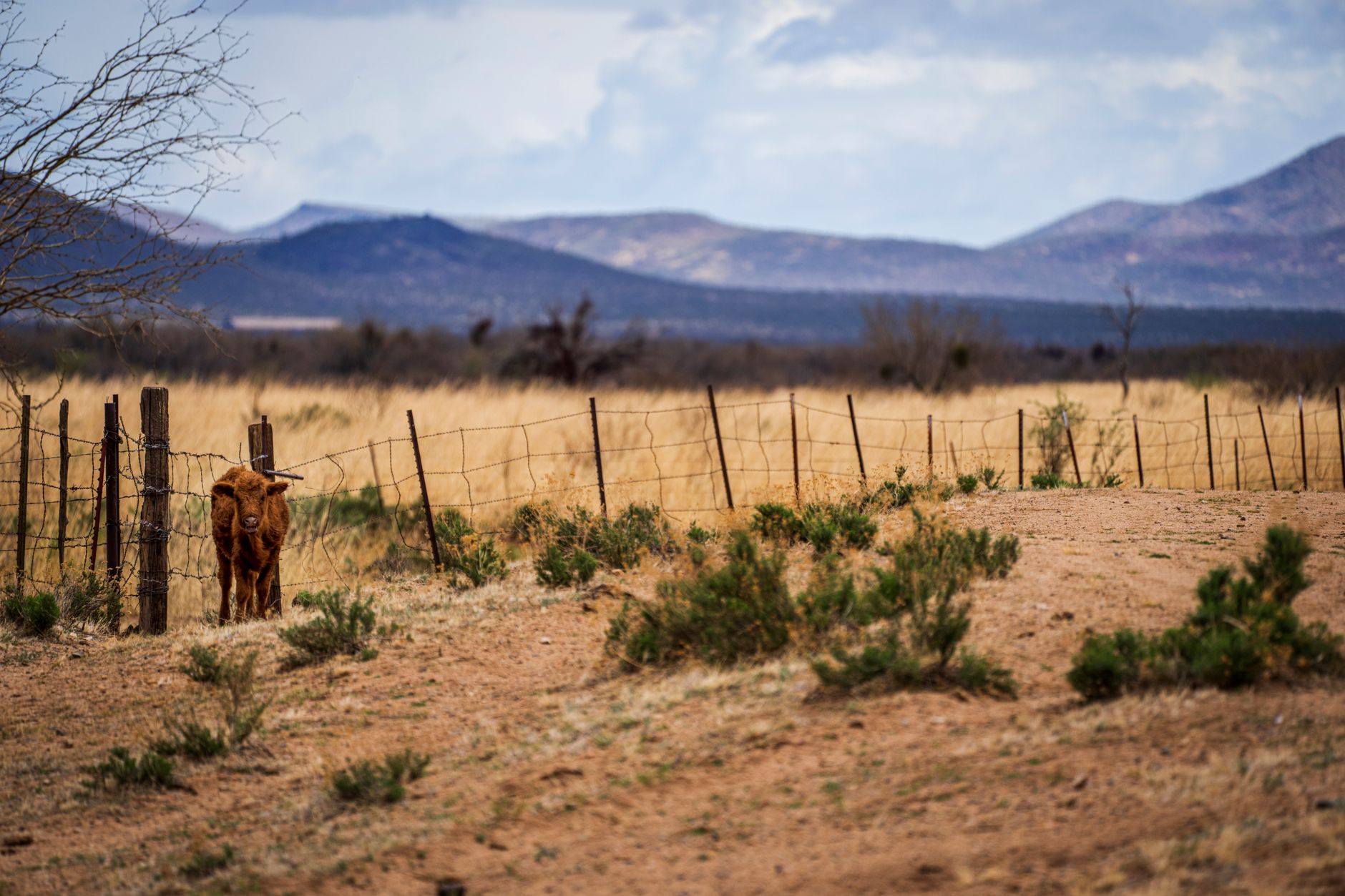 d a bottom strand at 12 inches off the ground to keep them from crawling under.
Fence types compared
| Type | Cost per foot (materials) | Lifespan | Best for |
|---|---|---|---|
| High-tensile electric (5-6 strands) | $1.50 - $2.50 | 20-30 years | Permanent perimeter, large pastures |
| Woven wire (non-electric) | $2.00 - $3.50 | 15-25 years | High-pressure areas, small paddocks, or if you prefer no shock |
| Electric tape or polywire (portable) | $0.30 - $0.80 | 5-10 years | Temporary divisions, rotational grazing |
| Barbed wire (3-4 strands) | $0.80 - $1.20 | 10-15 years | Not recommended for cattle: injury risk, less effective |
Prices reflect 2026 retail for materials only, excluding posts and energizer. High-tensile is the best value for most homesteaders because it combines low cost with longevity.
Key components and real costs
You will need these parts for a permanent high-tensile fence:
- Wire: 12.5 gauge high-tensile, about $0.10 to $0.15 per foot. A 1,320-foot roll (1/4 mile) costs $130 to $200.
- Posts: Wooden line posts (4-5 inches diameter, 8 feet long) at $8 to $12 each, spaced 30 to 40 feet apart. Steel T-posts are $4 to $6 each but need more bracing. For corners and gates, use 6-8 inch wooden posts at $15 to $25 each.
- Insulators: High-tensile insulators, $0.20 to $0.50 each. You need one per wire per post.
- Energizer: A low-impedance energizer sized for your fence length. For 1 mile of fence, a 5-joule unit costs $300 to $500. For 5 miles, a 15-joule unit is $600 to $900. Choose one with a built-in lightning suppressor.
- Grounding system: At least 3 ground rods, 8 feet long, copper-clad, at $20 each. Place them 10 feet apart and connect to the energizer.
Total cost for a 1-mile perimeter fence: $2,000 to $4,000 including posts, wire, insulators, and energizer. If you use T-posts instead of wood, you save about 20% but may need more bracing.
Installation steps: do it this week
- Plan the layout: Walk the perimeter and mark corners with flags. Keep fence lines at least 10 feet from trees to avoid branches falling on wires. Use a GPS or measuring wheel to get accurate distances.
- Set corner posts: Dig holes 3 feet deep, set 8-foot posts, and tamp with gravel and dirt. Install diagonal braces from the corner post to a brace post 8 feet away to handle tension.
- Run line posts: Space wooden posts 30 to 40 feet apart, or T-posts 12 to 15 feet apart. On flat ground, you can stretch spacing to 50 feet, but add more posts on slopes.
- Attach insulators: Screw or nail insulators to each post, starting 12 inches from the ground for the bottom strand, then every 10 to 12 inches up to 48 inches for the top strand.
- String the wire: Use a wire dispenser and a come-along or tensioner. Pull each strand tight to 250 pounds of tension, but not over 300. Use a tension meter to check.
- Connect the energizer: Attach the fence wire to the energizer’s fence terminal, and the ground rods to the ground terminal. Use a 12-volt battery or 110-volt AC power source. Test with a fence tester: you need at least 4,000 volts on the fence.
- Train your cattle: Before turning cattle out, let them see the fence and place a few strips of bread or peanut butter on the wire to encourage a sniff. They will get a shock once and learn to stay back.
If you are building a temporary fence for rotational grazing, use step-in posts (about $2 each) and polywire or tape. Set posts every 30 feet, run 2 to 3 strands at 20, 40, and 60 inches, and connect to a portable energizer. This setup costs $0.50 to $1.00 per foot and can be moved in an afternoon.
Maintenance and troubleshooting
Check your fence monthly: walk the line, look for sagging wires, broken insulators, or vegetation touching the wire. Keep grass and weeds cleared at least 12 inches from the bottom wire, as vegetation drains voltage. Use a fence tester to confirm voltage; if it drops below 3,000 volts, find the short. Common causes: tree branches, broken wire, or a faulty ground.
In winter, snow and ice can pull wires down, so check after storms. High-tensile wire will contract and expand with temperature, so leave a little slack in extreme cold. Most energizers have a built-in lightning protector, but add a separate lightning arrestor at the fence connection for extra safety.
FAQ
Can I use barbed wire for cattle? Barbed wire can injure cattle, especially if they push through, and it is less effective at containing them. High-tensile electric is safer and more reliable. If you already have barbed wire, you can add one electric wire above it to improve containment.
How many strands do I need? For cattle, 5 strands is standard: at 12, 22, 32, 42, and 48 inches from the ground. For calves, add a strand at 8 inches. For bulls, add a 6th strand at 54 inches.
What size energizer do I need? Choose an energizer with at least 1 joule per mile of fence. For a 1-mile fence, a 5-joule unit is plenty. If you have heavy vegetation or wet conditions, double that. Always buy a low-impedance model for high-tensile wire.
How long does a high-tensile fence last? With proper installation and maintenance, 20 to 30 years. The wire will not rust if galvanized, and posts will last longer if treated. Check tension every few years and re-tighten as needed.
The bottom line
For most cattle operations, a 5-strand high-tensile electric fence is the best choice: it is affordable, durable, and effective. Plan your layout, invest in good posts and a quality energizer, and take time to train your herd. If you need a quick or temporary solution, portable electric tape works well for rotational grazing. Whichever you choose, regular maintenance keeps your fence working for decades.
Start this week by walking your pasture and marking corners. Order your materials, and you can have a permanent fence up in a weekend with a helper. Your cattle will stay safe, and you will have peace of mind.