Best way to store canning jars
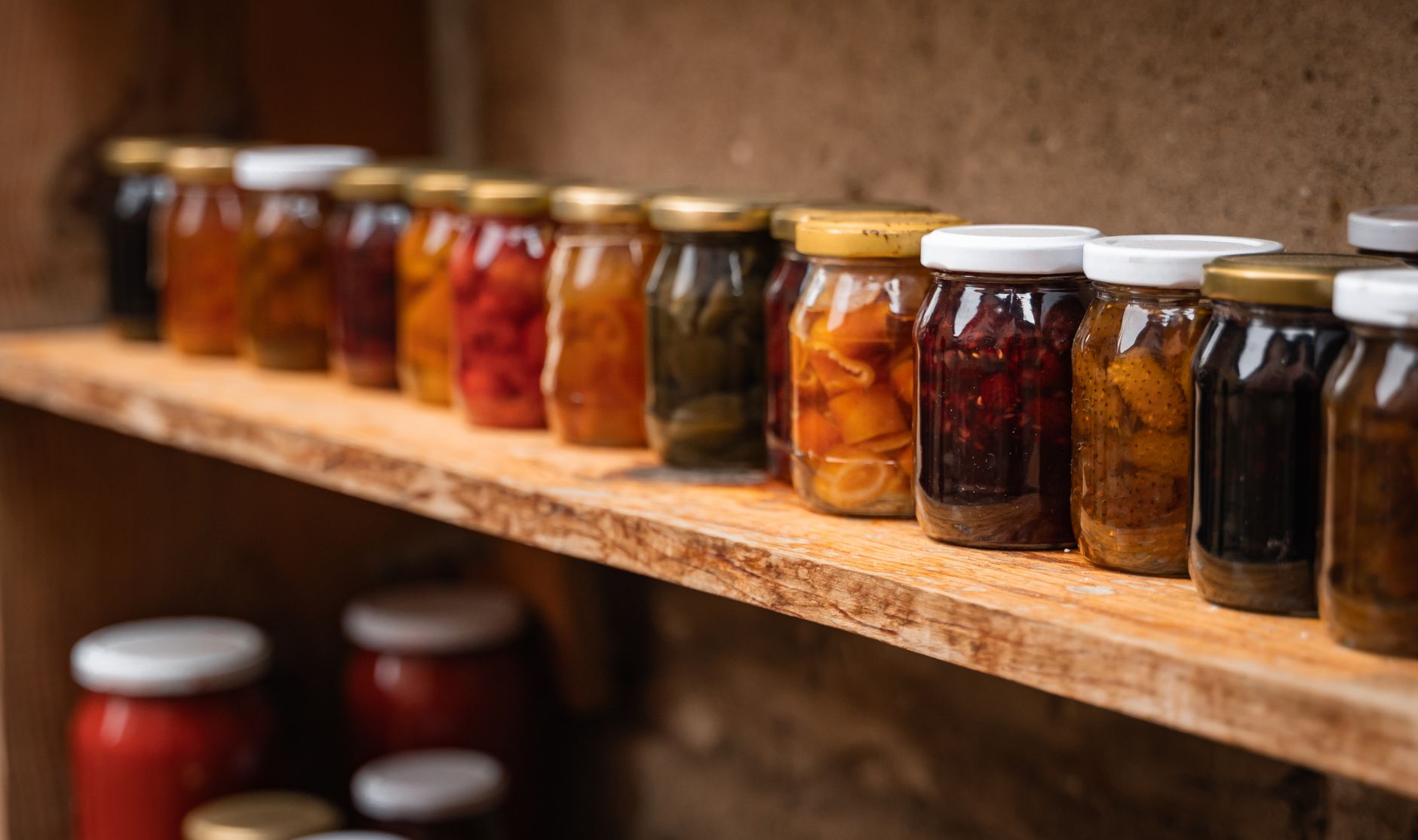
Learn the best way to store canning jars to prevent rust, breakage, and seal failure. Practical tips for stacking, lids, and temperature control.
The best way to store canning jars is to keep them clean, dry, and free from temperature extremes, with lids removed or loosened to prevent seal failure. Store empty jars on shelves in a cool, dry place, and keep rubber rings and lids separate to extend their life. This guide covers the specifics so your jars are ready for next season.
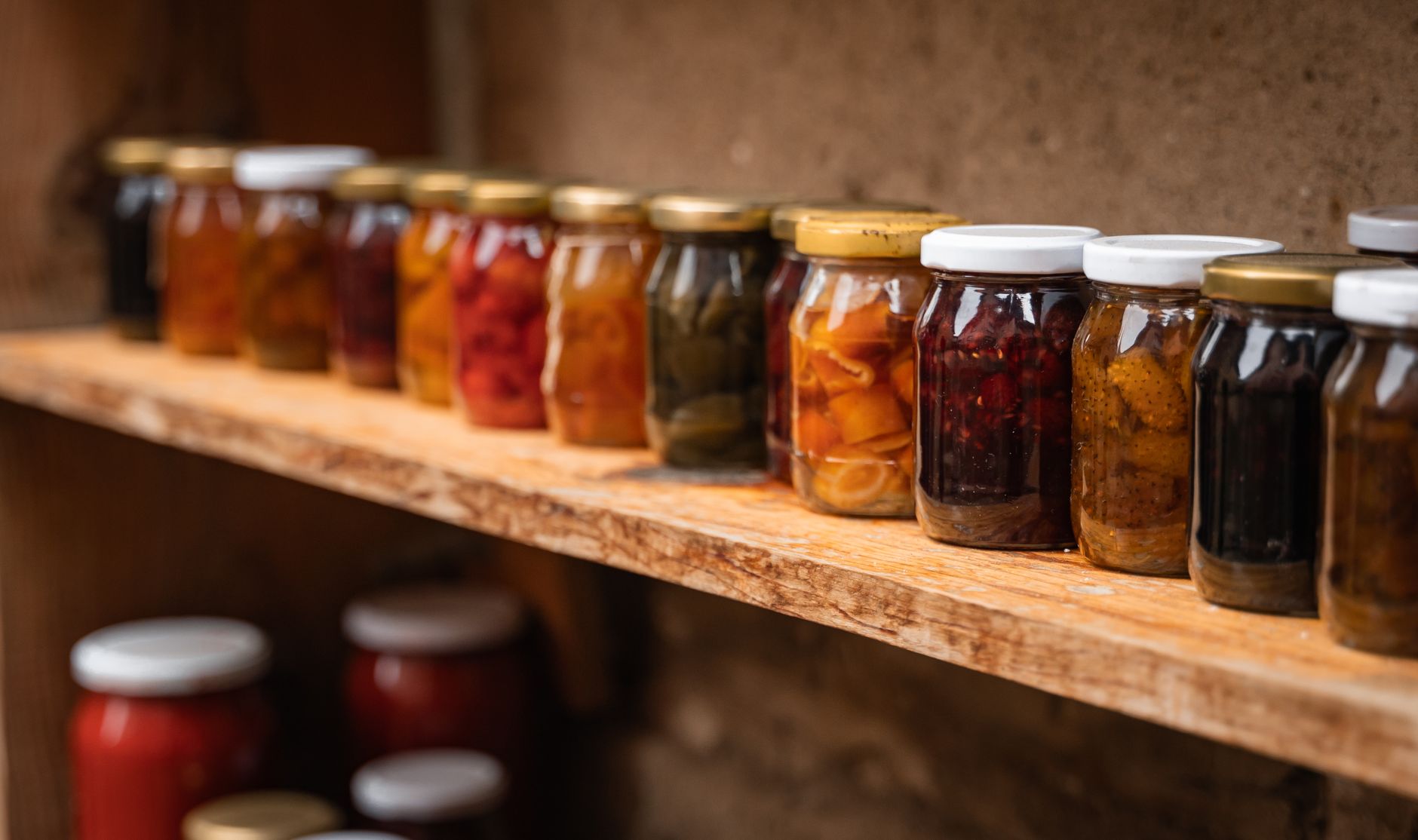
Why storage matters
Canning jars are built to handle heat and pressure, but they are not indestructible. Improper storage can lead to chipped rims, rusted lids, or cracked glass, which ruins a batch of food. The goal is to protect the jar’s sealing surface and the metal components
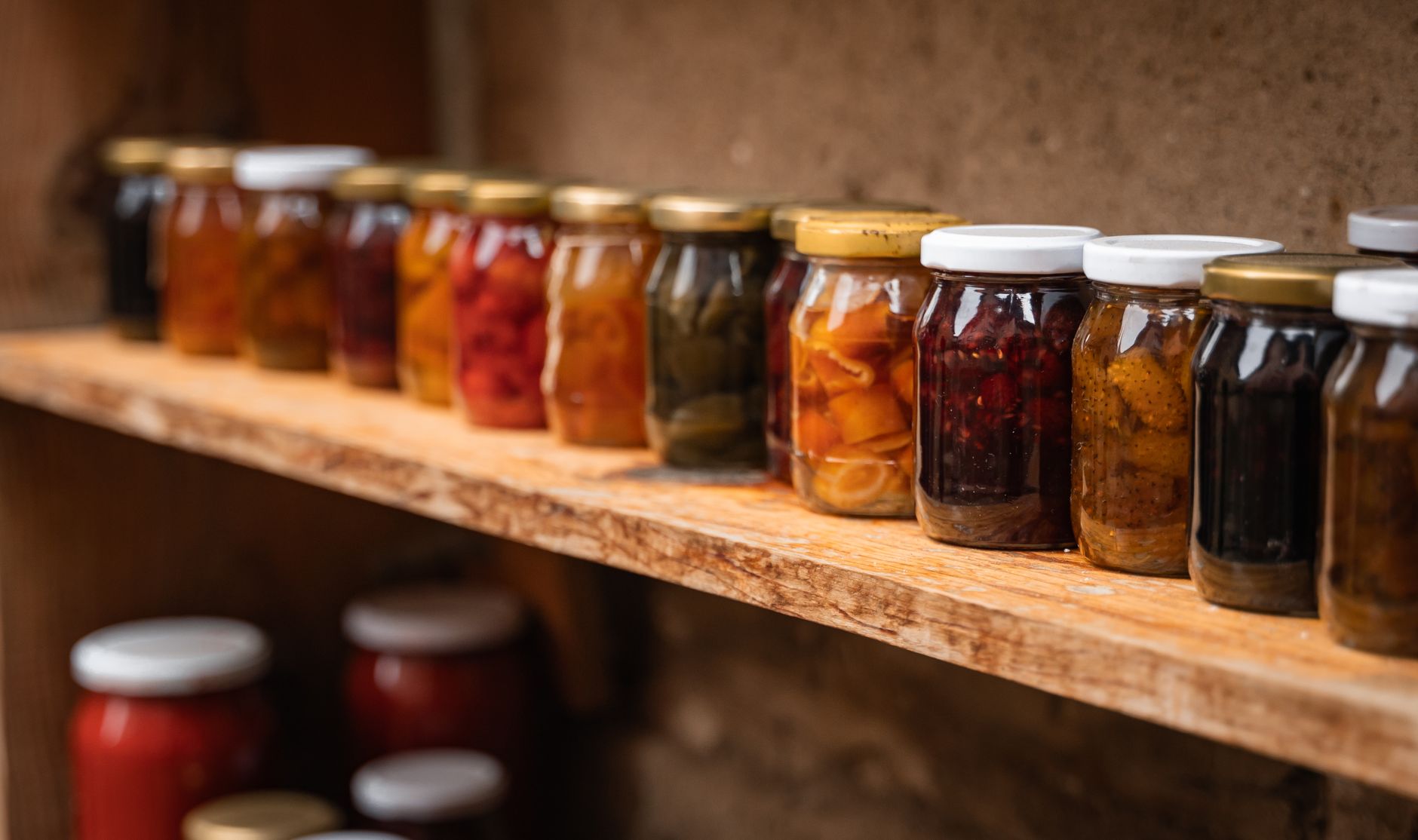 . A clean, dry environment prevents mold and rust, while stable temperatures avoid thermal shock.
Preparing jars for storage
After a canning session, wash jars in hot, soapy water, rinse well, and dry completely. Remove any labels or sticky residue with a scraper or oil. Inspect each jar for chips or cracks, especially on the rim. A damaged rim will not seal, so discard or repurpose those jars. Store jars with lids off or loosely screwed on. Tight lids can create a vacuum if the jar is warm, which might cause a false seal or make the lid hard to remove later.
Choosing a storage location
Pick a spot that is cool (below 75°F), dry, and away from direct sunlight. A pantry, basement shelf, or closet works well. Avoid areas with high humidity, like over a washing machine or near a water heater, because moisture can rust lids and promote mold. Temperature swings can cause condensation inside jars, so avoid unheated garages or attics. If you must store in a garage, use a cabinet with a dehumidifier or desiccant packs.
Stacking and shelving
Stack jars no more than two high to prevent stress on the bottom jars. Use cardboard or cloth between layers to cushion and absorb vibration. For long-term storage, consider using a jar rack or wooden shelves. Metal shelves are fine, but place a towel or shelf liner to prevent scratching. If you have limited space, store jars in their original boxes, which are designed for stacking. Always place jars upright, never on their sides, to keep the sealing surface clean and avoid pressure on the rim.
Storing lids and rings
Lids (the flat discs) should be stored in a cool, dry place in their original box or a sealed container. Avoid stacking heavy items on them. Rings (the screw bands) can be stored together, but wipe them dry to prevent rust. Do not store rings on jars for long periods, as they can corrode and become difficult to remove. Replace lids after each use, as the sealing compound degrades. Rings can be reused until they show rust or bending.
Temperature and humidity control
Ideal storage temperature is 50°F to 70°F. If your basement is damp, use a dehumidifier or place silica gel packets in the storage area. Check jars every few months for signs of moisture or rust. If you see rust on rings, remove them and clean with vinegar. If jars are dusty, wash before use. For extra protection, wrap jars in newspaper or bubble wrap if stacking.
Common mistakes to avoid
- Storing jars with lids on tight: can cause vacuum seals or make lids hard to remove.
- Leaving jars in a hot attic: heat can weaken glass and cause cracks.
- Storing jars on a concrete floor: moisture can seep through and cause condensation.
- Using damaged jars: always inspect rims before storing.
FAQ
Can I store jars in the refrigerator? Yes, but only if they are empty and dry. The fridge is fine for short-term storage, but it takes up space and can be humid. For long-term, a pantry is better.
How long can I store empty jars? Indefinitely if they are clean and dry. Glass does not expire, but check for chips or cracks before each use.
Should I store jars with the rings on? No, remove rings to prevent rust and to avoid pressure on the lid. Store rings separately.
Can I stack jars without boxes? Yes, but place a cloth or cardboard between layers and limit to two high. Avoid stacking too many, as weight can crack the bottom jars.
The bottom line
Store canning jars clean, dry, and with lids off or loose, in a cool, dry place. Keep rings and lids separate, and inspect jars regularly. This simple routine will keep your jars ready for the next harvest, saving you money and frustration. Remember, a little care now prevents a ruined batch later.
For more canning tips, check our guide on water bath canning times or pressure canning basics. Happy preserving!