How many years does accounting take
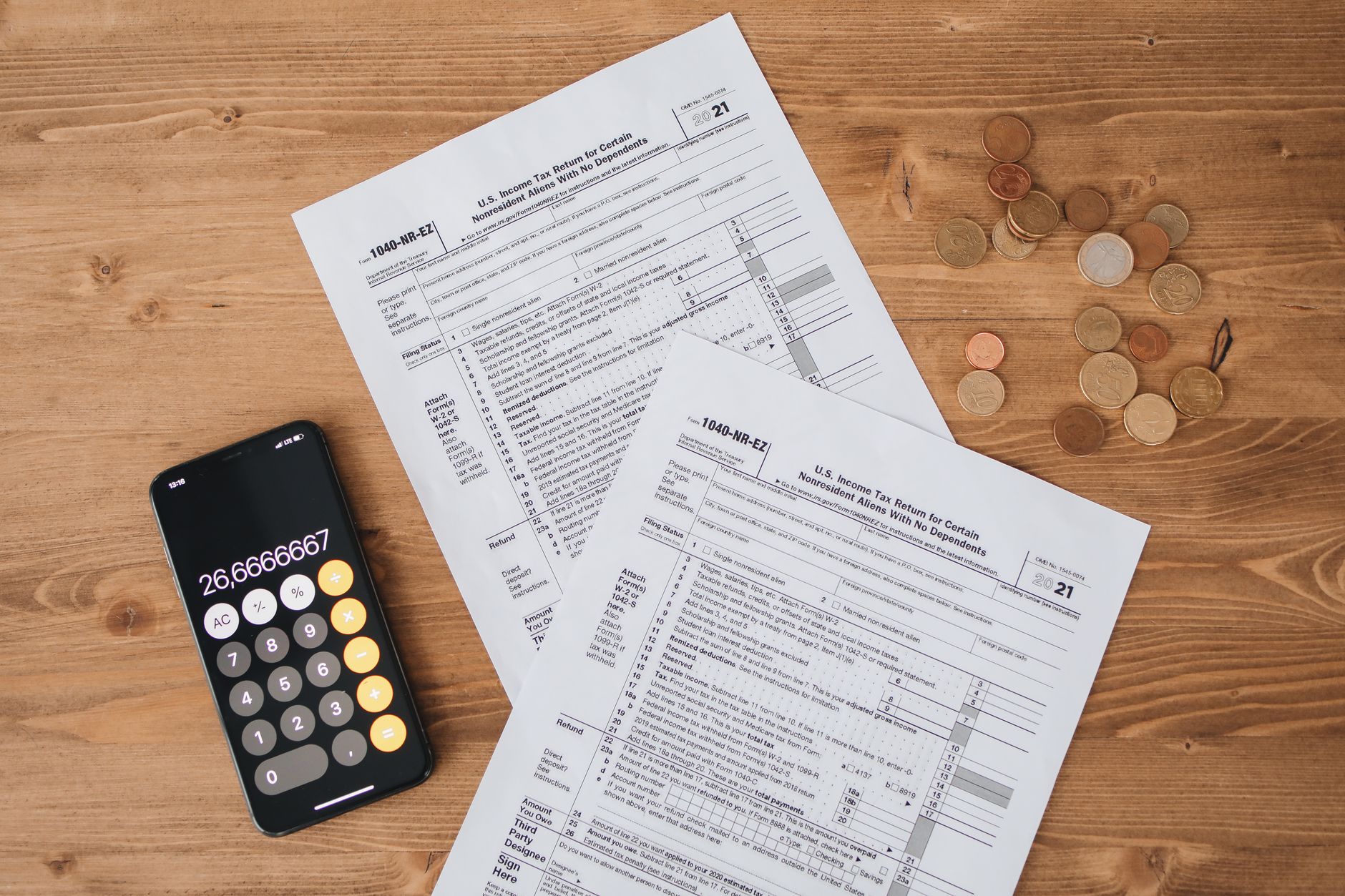
Learn how long it takes to learn farm accounting, from basic bookkeeping to full financial management, with realistic timelines and steps.
If you are asking how many years accounting takes, the direct answer is: you can learn basic farm bookkeeping in 20 to 40 hours, but mastering the full cycle, from recording transactions to analyzing profitability, typically takes 1 to 2 years of consistent practice. For most small farmers, you do not need a four-year degree. You need a system, a few good tools, and a season or two of using them.
This guide breaks down the timeline, what you need to learn at each stage, and how to get started this week.
What “accounting” means for a farm
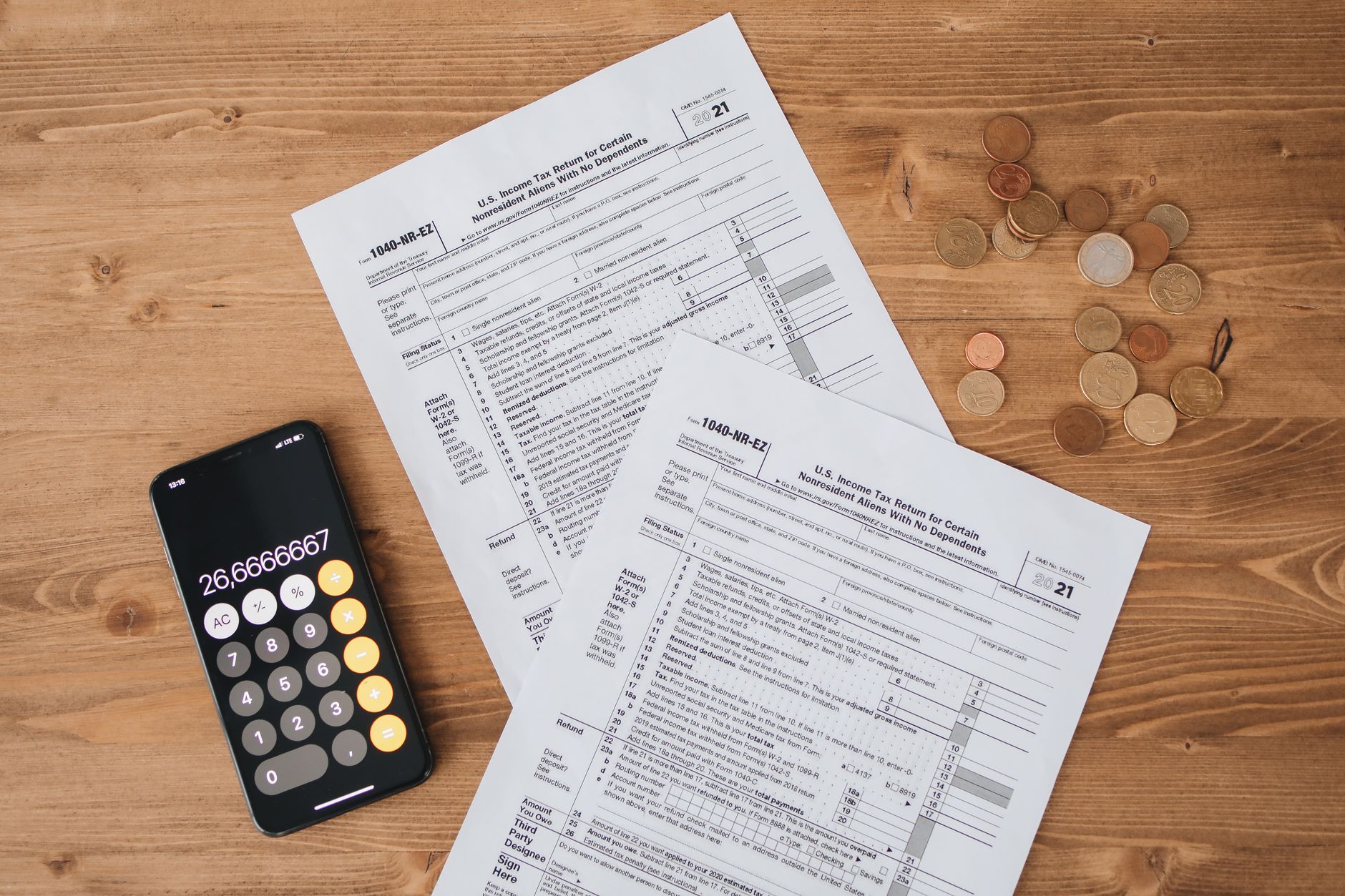
Accounting for a homestead or small farm is not the same as corporate accounting. You need to track income and expenses, manage cash flow, and know your cost per unit (like per dozen eggs or per pound of beef). You also need records for taxes, loans, and USDA programs.
Here is what you actually need to learn:
- Bookkeeping: recording every transaction (sales, feed, fuel, repairs).
- Categorization: sorting expenses into categories (seed, livestock, equipment, utilities).
- Reconciliation: matching your records to bank statements.
- Basic financial statements: profit and loss (income statement), balance sheet, cash flow statement.
- Tax basics: understanding Schedule F, depreciation, and deductible expenses.
You do not need to
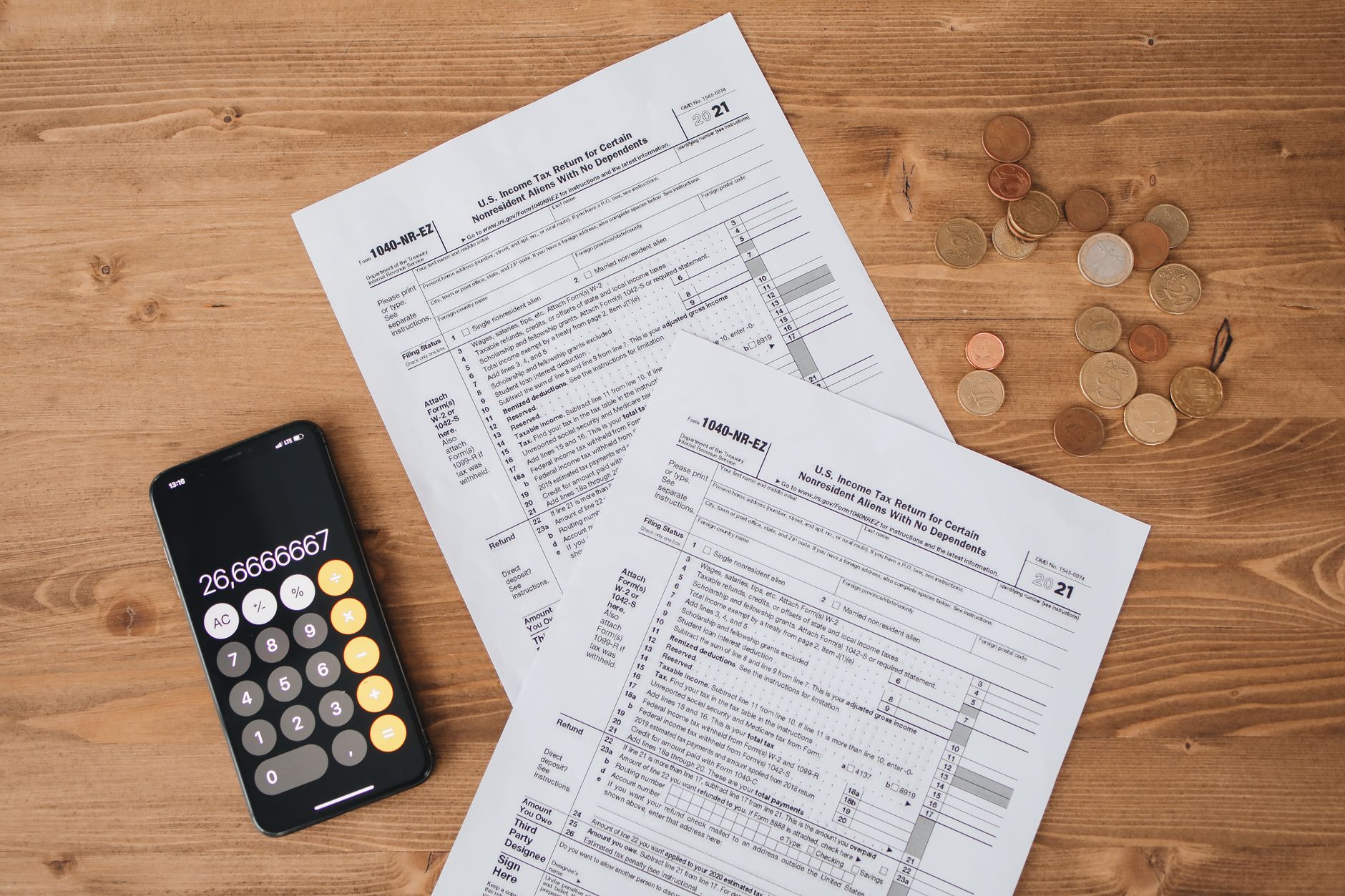 become a CPA. You need to be competent enough to keep clean records and understand what your numbers mean.
Realistic timeline: from zero to confident
Here is a realistic timeline based on how most farmers learn, assuming you spend 2 to 4 hours per week on your books.
| Stage | Time to reach | What you can do |
|---|---|---|
| Basic bookkeeping | 1 to 3 months | Record income and expenses, categorize, reconcile monthly. |
| Financial statements | 3 to 6 months | Generate a profit and loss statement, track cash flow. |
| Analysis and planning | 6 to 12 months | Calculate cost per unit, breakeven, and budget for next season. |
| Full mastery | 1 to 2 years | Use financials to make decisions, plan expansions, and handle tax prep with confidence. |
If you already have a background in business or math, you can compress this. If you are starting from scratch, expect the full 2 years before you feel truly comfortable.
What to learn first: the 20-hour shortcut
You can get the basics down in about 20 to 40 hours of focused learning. Here is a week-by-week plan:
- Week 1: Set up your chart of accounts (categories). Use a simple spreadsheet or accounting software. Learn to record 10 transactions.
- Week 2: Reconcile your bank account for the last month. Match every transaction.
- Week 3: Categorize all expenses into fixed (rent, insurance) and variable (feed, seed).
- Week 4: Generate a simple profit and loss report for the month.
After this month, you will have the foundation. Then, keep going with the next steps.
Tools and costs: what you need
You do not need expensive software. Here are options with 2026 price ranges:
- Spreadsheet (Excel or Google Sheets): free to $10 per month. Good for beginners, but manual and error-prone.
- QuickBooks Online: $30 to $60 per month. Industry standard, but can be overkill for small farms.
- Wave (free): free for basic invoicing and accounting. Good for very small operations.
- Farm-specific software (like Farmbrite or AgSquared): $20 to $80 per month. Designed for farm records, but may lack full accounting features.
For most small farms, a spreadsheet or Wave is enough for the first year. Upgrade when you need to track inventory or payroll.
How to learn: courses and resources
You can learn through free and low-cost resources. Here are practical options:
- Free: YouTube tutorials on farm bookkeeping, IRS Publication 225 (Farmer’s Tax Guide), and your local extension service workshops.
- Low-cost courses: Community college courses in basic accounting (often $100 to $300), or online courses like those on Udemy (around $20 to $50 on sale).
- Books: “Farm Accounting” by the Farm Management Handbook, or “The Accounting Game” for basics.
Avoid expensive certification programs unless you plan to become a professional accountant.
Practical steps to start this week
Do not wait. Here is what to do in the next 7 days:
- Open a separate bank account for your farm, if you have not already. This keeps personal and business finances separate.
- Choose a tool: pick a spreadsheet or free software. Set up categories for income and expenses.
- Record last month’s transactions: go through your bank statement and categorize every farm-related item.
- Reconcile: make sure your records match your bank balance.
- Set a weekly habit: schedule 30 minutes every Sunday to update your books.
That is it. After a month, you will have a baseline.
Common mistakes to avoid
- Mixing personal and business expenses: this creates tax and analysis headaches.
- Waiting until tax season: you will forget details and make errors.
- Overcomplicating: you do not need to track every penny at first. Focus on major categories.
- Ignoring depreciation: for big purchases like tractors, learn to depreciate over time, not deduct all at once.
FAQ
Do I need a degree in accounting to manage a farm? No. Most farmers learn on the job. A degree is only necessary if you want to become a professional accountant or manage very large operations.
How long does it take to learn bookkeeping specifically? Basic bookkeeping can be learned in 20 to 40 hours, or about 1 to 2 months of weekly practice.
What is the best software for a small farm? For most, a spreadsheet or Wave is sufficient. If you need more, QuickBooks Online is reliable but costs $30 to $60 per month.
Can I do my own taxes with farm accounting? Yes, for simple operations. But if you have employees, inventory, or multiple entities, consider hiring a CPA who understands agriculture.
The bottom line
Accounting takes as long as you let it. With focused effort, you can handle your farm’s books in 1 to 2 years, and you can start with just 20 hours of learning. The key is to start now, keep consistent records, and use the numbers to make better decisions. Your future self will thank you at tax time and when you plan your next season.