Free bookkeeping courses for beginners
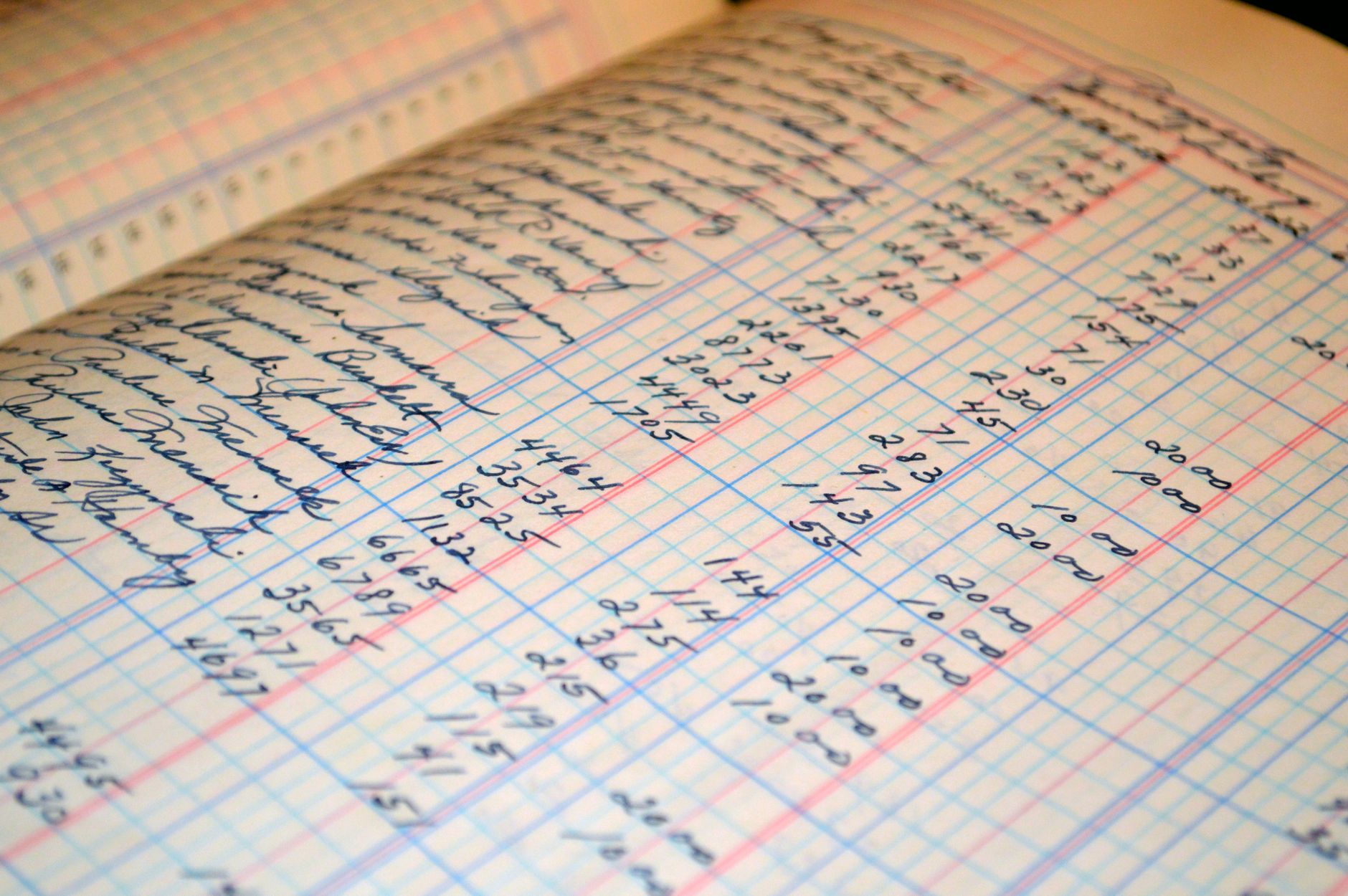
Find free bookkeeping courses for farm and homestead finances. Learn basics, tools, and practical steps to track income and expenses accurately.
If you run a farm or homestead, keeping accurate books is not optional. It is how you know if you are making money, what to claim at tax time, and where to cut costs. The good news: you do not need to pay for a course to learn the basics. Several high quality, free bookkeeping courses cover everything from single entry ledgers to cash flow statements. Start with the ones listed below, and you will have a working system within a week.
What to look for in a free bookkeeping course
Not all free courses are equal. Look for ones that teach double entry bookkeeping, which is the standard for business records. They should also cover how to categorize transactions, reconcile bank statements, and read a profit an
 d loss report. Avoid courses that push a specific paid software too hard; you want principles, not a sales pitch.
The best free courses for beginners
1. AccountingCoach (accountingcoach.com)
This site offers a full bookkeeping course for free. The “Bookkeeping” section includes 15 chapters with written explanations, video tutorials, and practice quizzes. It is self paced and covers debits and credits, journal entries, and financial statements. No email sign up required for the basic material. The site makes money by selling certificates and pro materials, but the core course is genuinely free.
2. edX: Financial Accounting (by Davidson College)
edX hosts a free audit track of a college level financial accounting course. It runs about 12 weeks, 4 to 6 hours per week, but you can work at your own pace. It covers the accounting cycle, adjusting entries, and preparing financial statements. The free version gives you all the video lectures and exercises; you only pay if you want a verified certificate. This is more academic, but it is thorough.
3. Khan Academy: Accounting and Financial Statements
Khan Academy offers a shorter, more digestible series on accounting basics. It is not a full bookkeeping course, but it explains the big picture: what a balance sheet is, how income statements work, and how cash flow fits in. Each video is 5 to 10 minutes, so you can fit it into a lunch break. It is a good primer before you dive into a longer course.
4. IRS Small Business Tax Workshop (irs.gov)
This is not a bookkeeping course per se, but it is essential for farm finances. The IRS offers a free online tax workshop for small business owners that explains recordkeeping requirements, deductible expenses, and how to file Schedule F for farm income. It is dry, but it tells you exactly what records you need to keep to satisfy the IRS. Bookmark it.
How to set up your farm books this week
Once you have a basic understanding, set up your system. Here is a practical plan.
Step 1: Choose a method and tool
You can start with a simple spreadsheet or a free accounting software tier. For farms, a spreadsheet is often enough in the first year. Use Google Sheets (free) or LibreOffice Calc (free). Create columns for date, description, category, income, and expense. If you prefer software, Wave (waveapps.com) has a free plan for income and expense tracking, and it connects to your bank account. QuickBooks has a free plan for very small businesses, but it limits the number of transactions.
Step 2: Set up your categories
Use categories that match your farm activities. Common ones include:
- Livestock feed and supplies
- Seeds and plants
- Fertilizer and soil amendments
- Equipment and repairs
- Fuel and utilities
- Marketing and sales expenses
- Labor (if you hire help)
- Insurance and permits
Keep it simple. You can always add categories later.
Step 3: Record everything weekly
Set aside 30 minutes each week to enter receipts and bank transactions. Do not wait until tax season. If you use a spreadsheet, enter each transaction manually. If you use Wave, link your bank account and categorize transactions as they come in. The goal is to know your numbers at any moment.
Step 4: Reconcile monthly
Once a month, compare your records to your bank statement. Mark off cleared transactions and investigate any differences. This catches errors and prevents fraud. It also makes tax time easier.
Step 5: Review your profit and loss
At the end of each month, run a simple profit and loss report: total income minus total expenses. This tells you if you are making money. If you are not, look at your biggest expense categories and see where you can cut.
Free tools and templates
- Google Sheets: use a free bookkeeping template from the template gallery. Search for “income and expense tracker.”
- Wave: free accounting software with unlimited income and expense tracking, and it generates reports.
- IRS Publication 225: the Farmer’s Tax Guide, free on irs.gov. It explains what records you need.
- Local Small Business Development Center (SBDC): free one on one counseling, often including bookkeeping basics. Find yours at americassbdc.org.
FAQ
Do I need a formal accounting degree to keep books for my farm?
No. Most small farms use simple single entry or double entry bookkeeping. A free course plus consistent practice is enough. You only need a professional accountant if your operation grows complex, such as with employees, inventory, or multiple entities.
What is the difference between bookkeeping and accounting?
Bookkeeping is recording transactions. Accounting is interpreting them, like preparing tax returns or analyzing profitability. You can do your own bookkeeping, but you may want an accountant for tax filing and big decisions.
How much does it cost to hire a bookkeeper if I decide not to do it myself?
A professional bookkeeper charges $30 to $60 per hour in 2026. For a small farm, expect to pay $100 to $200 per month for monthly reconciliation and reports. Compare that to the time you save, and decide what is worth it.
Are free courses really enough to avoid tax problems?
Free courses teach you the basics, but tax laws are complex. Use the IRS Farmer’s Tax Guide and consider consulting a tax professional for your first filing. Good records from your bookkeeping will make that consultation cheaper.
The bottom line
You do not need to spend money to learn bookkeeping. Start with AccountingCoach and Khan Academy to build your foundation, then set up a simple spreadsheet or free software. Record transactions weekly, reconcile monthly, and review your profit and loss. Within a month, you will have a clear picture of your farm’s finances. That knowledge is worth more than any paid course.