Course bookkeeping for beginners
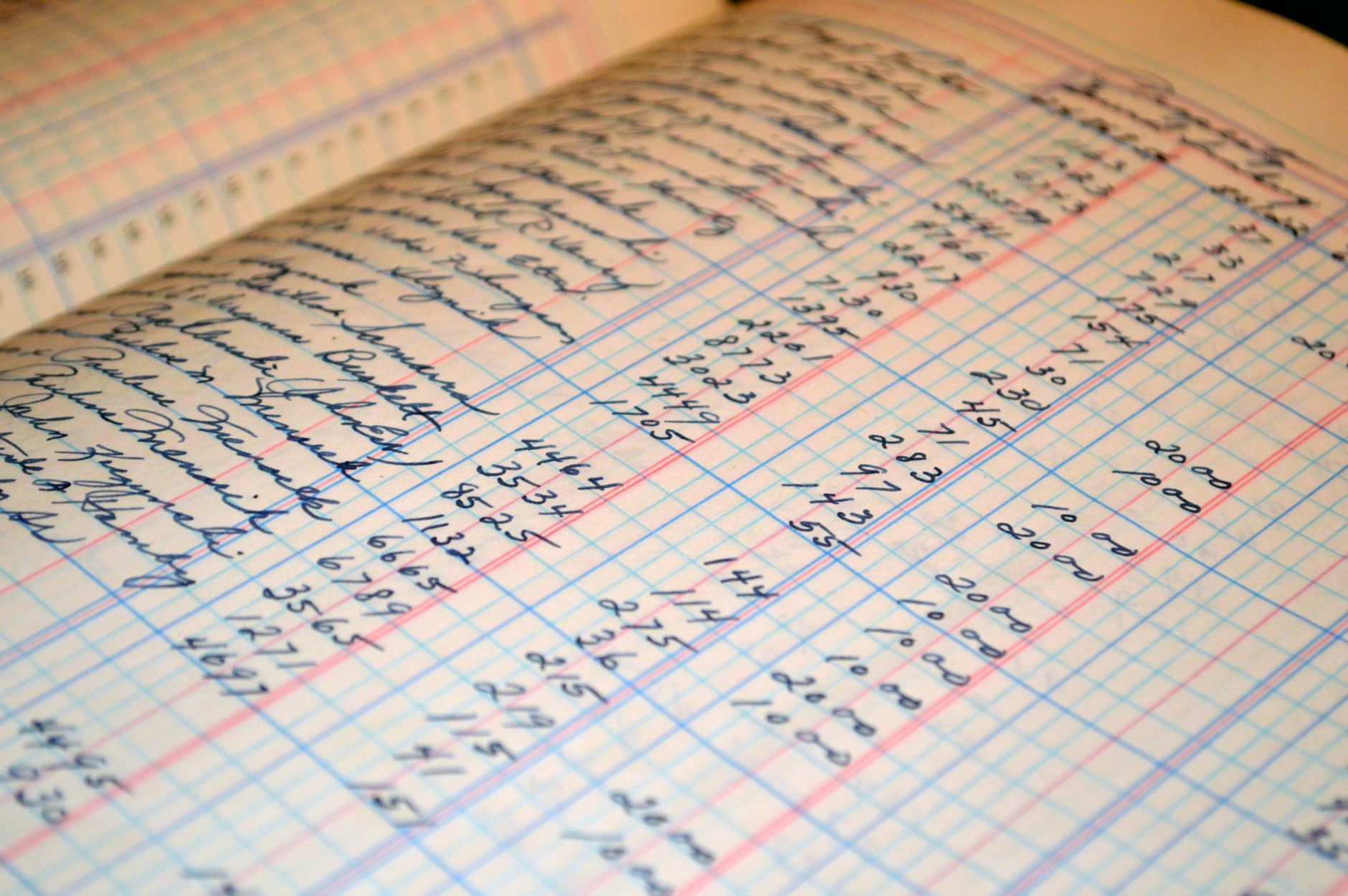
Learn simple course bookkeeping for your farm or homestead: track income, expenses, and profit with practical steps and real 2026 numbers.
If you teach a course on your farm or homestead, you need to track the money. Course bookkeeping is just recording what you earn and spend for each class, then using that to see if it is worth your time. This guide shows you the simple system I use, with real numbers and steps you can start this week.
Why course bookkeeping matters
A course is a product, like a vegetable or a jar of jam. If you do not know what it costs to produce and what it brings in, you cannot price it right or decide whether to keep it. I have seen homesteaders run popular class
 es for years and lose money because they ignored the cost of their own labor. Bookkeeping fixes that.
What you need to track
You only need three categories: income, expenses, and time. For each course, record:
- Income: registration fees, product sales at the class, tips.
- Expenses: materials, advertising, venue rental (if any), snacks, insurance, credit card processing fees.
- Time: your prep time, teaching time, cleanup time. Even if you do not pay yourself, this is a cost.
Keep it simple. Use a spreadsheet, a notebook, or a free app like Wave. I use a simple spreadsheet with columns for date, course name, income, expense, and notes. That is enough.
Setting up your system this week
- Open a spreadsheet or a notebook. Create three tabs or pages: Income, Expenses, and Courses.
- In the Courses tab, list each course you plan to teach this season. Include the date, title, and expected number of students.
- For each course, estimate income (tuition times students) and expenses (materials, ads, etc.). This is your budget.
- After each course, record actual income and expenses in the Income and Expenses tabs. Link them to the course name.
- At the end of the month, total each category and compare to your budget.
Use a separate bank account or credit card for course income and expenses if you can. It makes tracking easier. If not, just be disciplined about recording every transaction.
Real numbers for 2026
Here are realistic figures for a half-day homestead course in 2026:
- Tuition: $75 to $125 per student, depending on your area and topic. A canning class in the Midwest might be $85; a cheesemaking class in California could be $120.
- Class size: 8 to 15 students is common for a hands-on course. More than that and you need extra help.
- Materials cost: $5 to $15 per student for most classes. Canning jars and lids run about $12 per student; seed starting costs about $5.
- Advertising: $0 to $50 per course. Social media is free, but boosted posts cost $10 to $20.
- Credit card processing: 2.9% plus $0.30 per transaction. On a $100 tuition, that is $3.20.
Example: a 10-student canning class at $85 each brings in $850. Expenses: materials $120, ads $20, processing $32, snacks $15, total $187. That leaves $663 before your labor. If you spent 15 hours total, your effective hourly rate is $44.20, which is decent for a homestead business.
Tracking time and labor
Your time is your biggest cost. Track it for every course. Use a timer or just note start and end times. Include:
- Prep: buying materials, preparing samples, setting up.
- Teaching: actual class time.
- Cleanup: washing dishes, putting away tools.
- Admin: answering emails, posting on social media, bookkeeping.
At the end of the season, divide your profit by total hours to see your real hourly rate. If it is below minimum wage, raise prices or cut costs.
Common mistakes and how to avoid them
- Forgetting to record cash payments. Write them down immediately.
- Mixing personal and business expenses. Use a separate card or account.
- Ignoring small expenses like printer ink or gas for errands. They add up.
- Not comparing actual to budget. Review monthly.
Using your numbers to make decisions
After a few courses, you will see patterns. If a class consistently loses money or pays you less than $20 an hour, consider dropping it or raising the price. If one topic fills up fast, offer it more often. Use your records to set next year’s schedule and pricing.
Tools and resources
- Spreadsheet: free with Google Sheets or Excel.
- Accounting app: Wave (free), QuickBooks ($30/month), or FreshBooks ($19/month). For most homesteaders, a spreadsheet is enough.
- Time tracker: Toggl (free) or just a notebook.
- Payment processor: Square (2.6% + $0.10 per swipe) or PayPal (2.99% + $0.49).
You do not need fancy software. I have used a notebook for years. The key is consistency.
FAQ
Do I need to pay taxes on course income? Yes. Course income is taxable. Keep records of income and expenses to report on Schedule C if you are a sole proprietor. Consult a tax professional for details.
What if I barter or trade for course enrollment? Record the fair market value of the trade as income and as an expense if you receive something of value. For example, if a student trades a chicken for a class, record $85 income and $85 expense for the chicken.
How do I price a course? Start with your costs (materials, ads, processing) plus a target hourly wage for your time. For a 3-hour class with 10 students, if costs are $200 and you want $50/hour for 6 hours of work, total needed is $500. Divide by 10 students: $50 tuition. But check local rates and adjust.
Can I deduct my own labor? No, you cannot deduct your own labor as a business expense for tax purposes. But you should still track it to evaluate profitability.
The bottom line
Course bookkeeping is not hard. Start with a simple spreadsheet, record income and expenses for each class, track your time, and review monthly. Use the numbers to price courses and decide what to teach. With a few hours of setup, you will know exactly what each course earns and whether it is worth your effort. Do it now, before your next class, so you have clean records from the start.