Chicken breeds for beginners
Discover the best chicken breeds for beginners, with realistic costs, egg production, and temperament. Start your flock right with our guide.
Starting a backyard flock is one of the most rewarding steps for a gardener or homesteader, but choosing the right breed can make or break your first year. The best beginner breeds are hardy, docile, and reliable layers, and they cost $15 to $30 per chick or $50 to $80 per started pullet in 2026. Below, I break down the top picks, what to expect, and how to get started this week.
What makes a breed beginner-friendly?
A beginner-friendly breed is calm, easy to handle, and forgiving of minor mistakes. It should also be a good forager, tolerate heat and cold, and lay consistently. Avoid flighty, aggressive, or ultra-rare breeds that need special
 care. Stick with heritage or dual-purpose breeds that have been backyard staples for decades.
Top 5 breeds for new keepers
Here are the breeds I recommend most often, based on temperament, hardiness, and egg production. All are available from major hatcheries like Murray McMurray, Cackle Hatchery, and Hoover’s.
| Breed | Egg color | Eggs/year | Temperament | Cold hardy | Heat tolerant |
|---|---|---|---|---|---|
| Rhode Island Red | Brown | 250-300 | Active, friendly | Excellent | Good |
| Buff Orpington | Brown | 200-280 | Calm, cuddly | Excellent | Moderate |
| Barred Plymouth Rock | Brown | 200-280 | Docile, curious | Excellent | Good |
| Australorp | Brown | 250-300 | Quiet, gentle | Excellent | Good |
| Easter Egger | Blue/green | 150-200 | Friendly, variable | Good | Good |
Rhode Island Red
Rhode Island Reds are the gold standard for beginners. They’re tough, adaptable, and lay large brown eggs almost daily. They can be a bit pushy with other chickens, but they’re easy to handle and rarely go broody. If you want a reliable layer that thrives in most climates, start here.
Buff Orpington
Buff Orpingtons are the teddy bears of the chicken world. They’re calm, friendly, and love human attention, making them perfect for families with kids. They lay a decent number of large brown eggs, but they can go broody and stop laying during winter. They also handle heat poorly, so provide shade in hot climates.
Barred Plymouth Rock
Barred Rocks are the classic American breed. They’re docile, curious, and excellent foragers, which makes them great for free-ranging. They lay large brown eggs consistently and tolerate both cold and heat well. Their only downside is that they can be a bit noisy, so check local ordinances.
Australorp
Australorps hold the world record for egg laying, with some hens laying over 300 eggs a year. They’re quiet, gentle, and cold-hardy, making them ideal for northern climates. They do well in confinement but also enjoy free-ranging. If you want maximum egg production, this is your bird.
Easter Egger
Easter Eggers aren’t a true breed but a mixed type that lays blue or green eggs. They’re friendly, hardy, and come in a rainbow of colors. Egg production is moderate, but the novelty of colored eggs makes them a fun addition. Just know that their temperament can vary, so handle them early.
What to avoid as a beginner
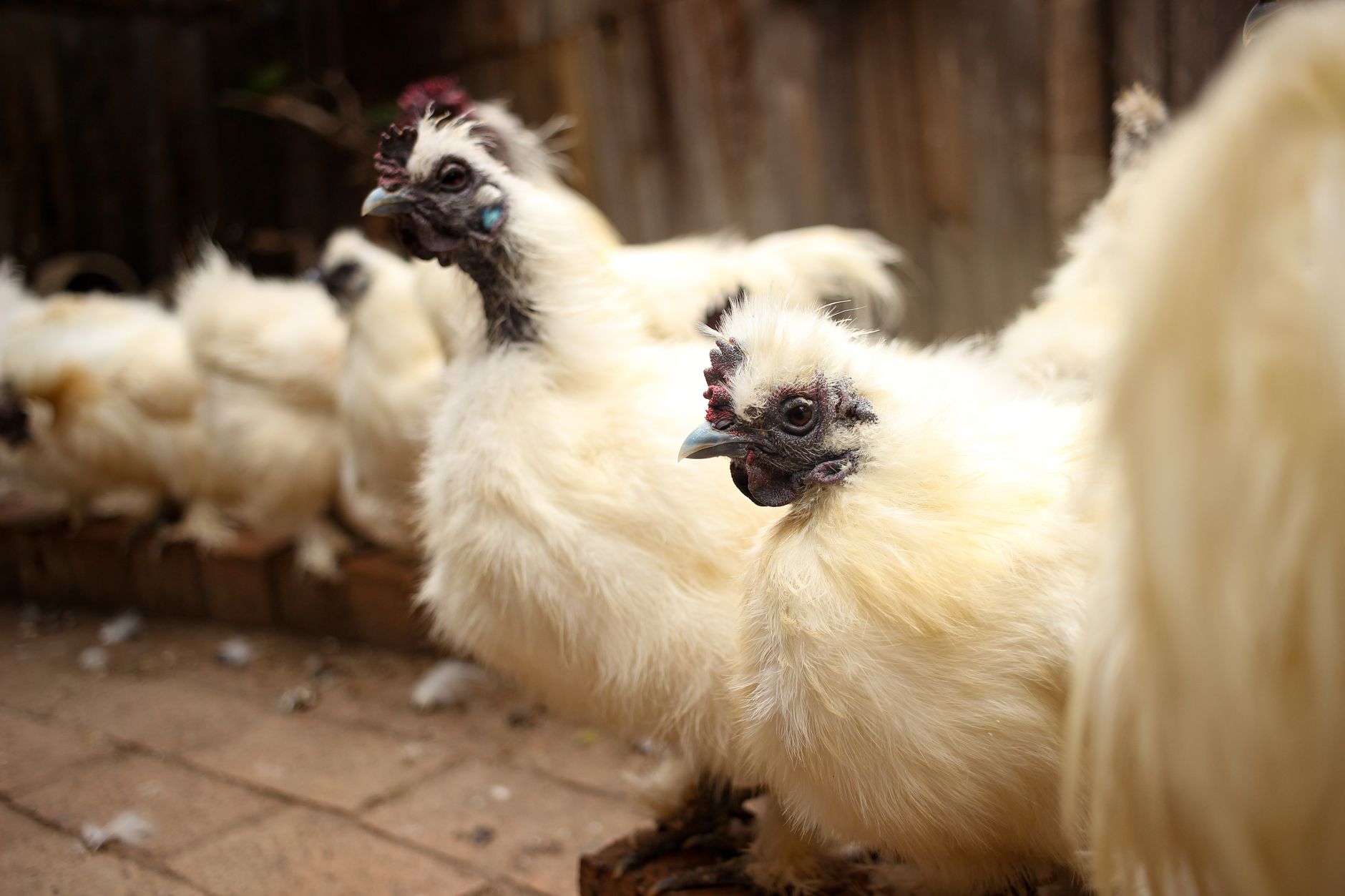
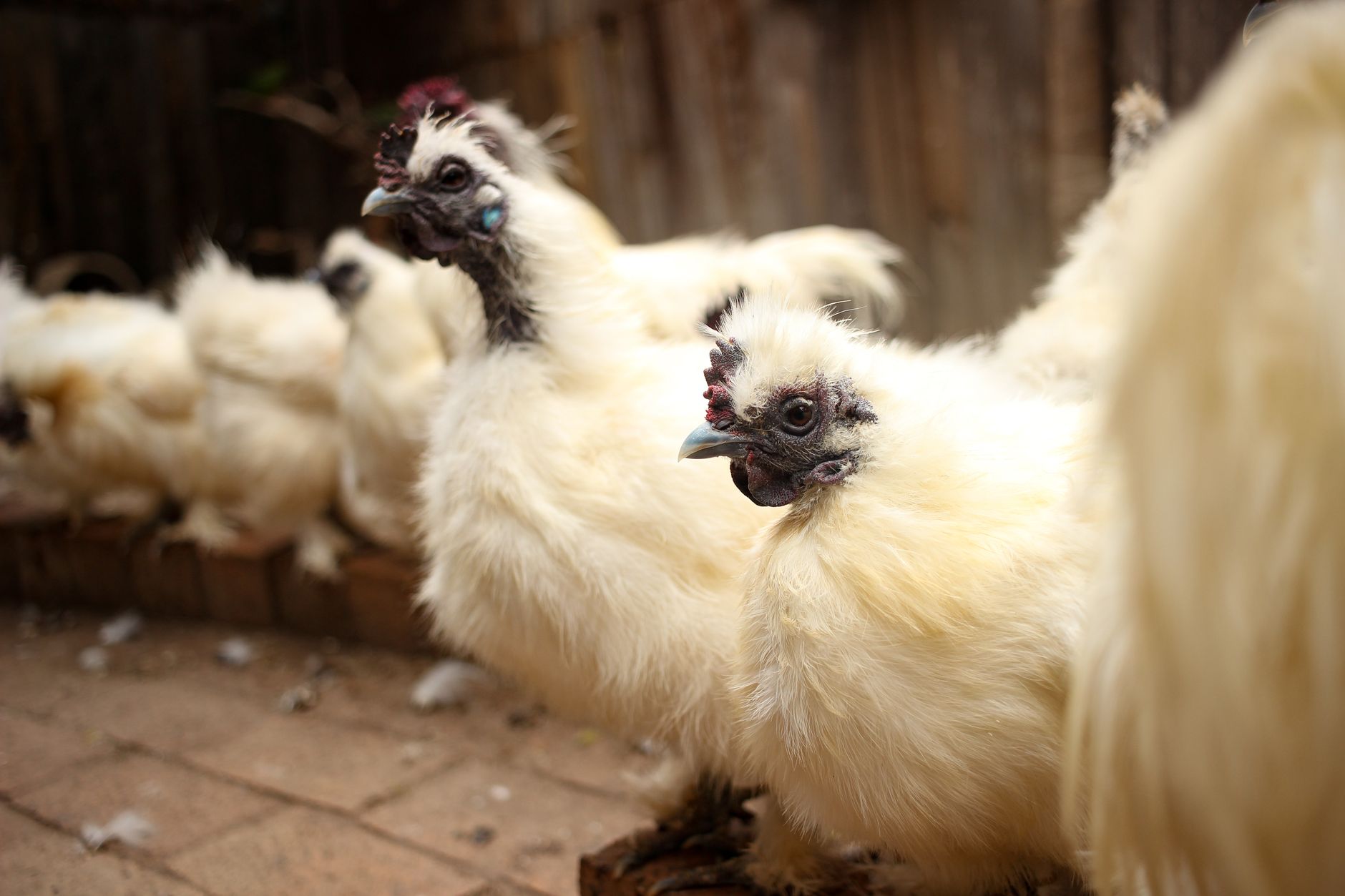
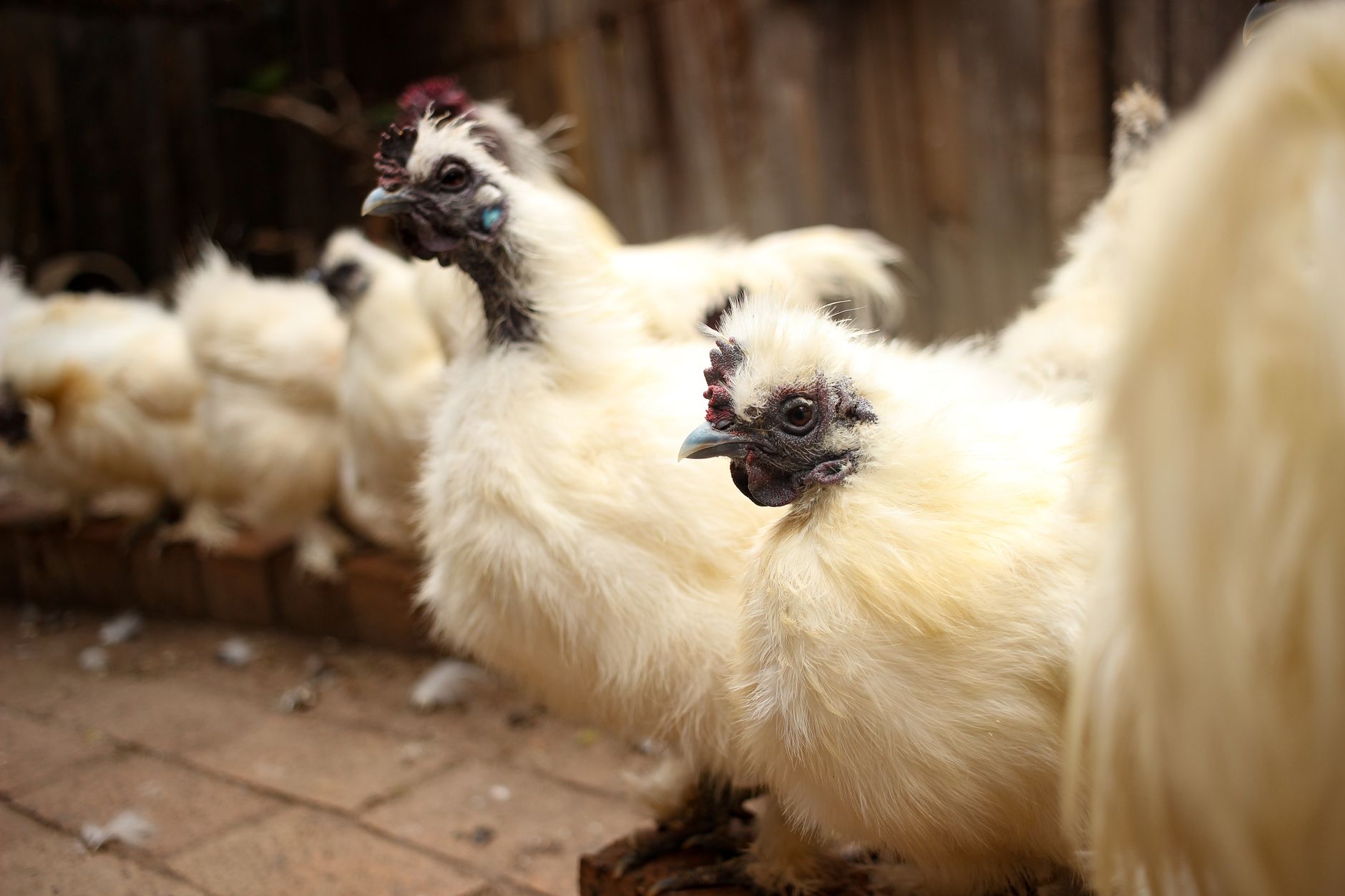
Skip high-maintenance breeds like Silkies (they need extra care), Leghorns (they’re flighty and nervous), and Cornish Cross (they’re meat birds with health issues). Also avoid rare or ornamental breeds that are expensive and may not lay well. Stick with the five above for your first flock.
Getting started: chicks vs. pullets
You have two main options: day-old chicks or started pullets (young hens). Chicks cost $15 to $30 each but require a brooder, heat lamp, and careful attention for 6 weeks. Pullets cost $50 to $80 each and are ready to lay within a month, but they’re harder to find locally. For true beginners, I recommend starting with chicks from a reputable hatchery, as you’ll learn the ropes and bond with your birds. Order chicks in early spring so they’re ready to go outside when the weather warms.
Housing and basic needs
Before chicks arrive, set up a brooder: a large plastic tub or cardboard box with a heat lamp, pine shavings, a chick waterer, and a feeder. Keep the temperature at 95°F for the first week, then lower it by 5°F each week until they’re fully feathered at 6 weeks. At that point, move them to a coop with 4 square feet per bird and a run with 10 square feet per bird. Use a secure coop with predator-proof hardware cloth, not chicken wire.
Your coop needs a roost (2 inches of perch per bird), nesting boxes (one per 4 hens), and ventilation. Feed a starter/grower crumble (20% protein) for the first 18 weeks, then switch to a layer pellet (16% protein) when they start laying. Expect to spend $200 to $400 on a coop and $50 to $100 per month on feed for a small flock of 4 to 6 birds.
Common mistakes to avoid
- Overcrowding: too many birds in a small space leads to pecking and disease.
- Skipping predator protection: raccoons and hawks will kill your flock if you’re careless.
- Not providing grit: chickens need insoluble grit to digest food, especially if they eat treats.
- Ignoring broodiness: some hens stop laying to sit on eggs; collect eggs daily to discourage it.
- Feeding kitchen scraps as a main diet: scraps should be less than 10% of their intake.
Timeline: what to do this week
- Day 1: Check your local zoning laws and HOA rules. Most allow up to 6 hens, but no roosters.
- Day 2: Choose your breed and order chicks from a hatchery for spring delivery. Reserve early, as popular breeds sell out.
- Day 3: Build or buy a coop and run. Set it up in a dry, shaded spot with good drainage.
- Day 4: Gather supplies: brooder, heat lamp, feeder, waterer, pine shavings, and chick starter feed.
- Day 5: Set up the brooder in a draft-free area, like a garage or mudroom.
- Day 6: Read up on chick care and common health issues, like pasty butt and coccidiosis.
- Day 7: Prepare your first aid kit: electrolyte powder, poultry vitamins, and a small first aid kit.
FAQ
How many chickens should I start with?
Start with 3 to 6 hens. They’re social animals, so you need at least 3, but more than 6 can be overwhelming for a beginner. A flock of 4 to 5 is ideal for a family of four, providing about 4 eggs a day during peak laying.
Can I keep only hens, or do I need a rooster?
You only need a rooster if you want fertilized eggs for hatching. Hens lay eggs without a rooster, and they’ll be just as happy. Roosters are noisy and can be aggressive, so most backyard keepers skip them.
How long do hens lay eggs?
Hens lay best in their first 2 to 3 years, then production drops off. A good layer might produce 250 eggs in year one, 200 in year two, and then decline. Many keepers replace their flock every 3 to 4 years, but some hens lay well for 5 years or more.
What do I do with old hens that stop laying?
You can keep them as pets, use them for meat (if you’re comfortable), or rehome them. Some people keep a “retirement flock” for pest control and companionship. Just be prepared for reduced egg production as birds age.
The bottom line
Starting with a hardy, docile breed like Rhode Island Red, Buff Orpington, Barred Rock, Australorp, or Easter Egger sets you up for success. Plan for a $300 to $500 initial investment, including chicks, coop, and supplies, and expect about 4 to 5 eggs per day from a small flock. Order chicks early, set up your brooder, and you’ll be collecting fresh eggs in 5 to 6 months. The key is to start small, learn as you go, and enjoy the process. Your flock will reward you with eggs, entertainment, and a deeper connection to your food.