Chicken breeding for beginners
Start breeding chickens with practical steps: select breeds, manage roosters, collect eggs, incubate, and raise chicks. Real costs and timelines for 2026.
Breeding chickens is not as simple as letting a rooster run with hens and waiting for chicks. You need a plan for genetics, egg handling, and brooding. This guide walks you through the essentials, from choosing breeding stock to raising day-old chicks, with realistic numbers for 2026.
Start with the right breeds
Pick breeds that match your goals: eggs, meat, or dual purpose. For eggs, consider Leghorn, Rhode Island Red, or Australorp. For meat, Cornish Cross is the standard, but it is not a sustainable breeder. For homestead dual purpose, try Buff Orpington, Barred Plymouth Rock, or Wyandotte. These are hardy, good mothers, and reliable layers.
Avoid rare or exhibition breeds if you are new.
 They often have lower fertility or require special care. Stick with standard, productive breeds.
Set up your breeding flock
You need one rooster for every 8 to 12 hens. A younger rooster (under 2 years) is more fertile. Keep the flock in a clean, stress-free environment. Provide 4 square feet per bird in the coop and 10 square feet in the run. Feed a balanced layer feed (16% protein) and supplement with greens and grit.
Introduce the rooster at least 2 weeks before you collect eggs for hatching. This ensures the eggs are fertile. Check fertility by candling eggs after 7 days of incubation: you should see a dark spot with blood vessels. If not, the rooster may be infertile or the eggs are not fertile.
Collect and store hatching eggs
Collect eggs at least twice a day, especially in hot or cold weather. Keep them at 55 to 65°F and 70% humidity. Store them pointy end down in an egg carton, and turn them once a day. Do not wash them; dirt can be gently brushed off. Use eggs within 7 to 10 days for best hatch rates.
Incubate: natural or artificial
You can let a broody hen hatch eggs, or use an incubator. A broody hen is easier for a few eggs, but she may not be reliable. For larger batches, use an incubator.
A basic forced-air incubator costs $50 to $150. A quality one like the Brinsea Mini II Advance or HovaBator is worth the investment. Set the temperature at 99.5°F and humidity at 50 to 55% for the first 18 days, then raise to 65 to 70% for the last 3 days. Turn eggs 3 to 5 times a day until day 18, then stop.
Incubation takes 21 days for chickens. Candling at day 7 and 14 helps you monitor development and remove infertile eggs.
Raise the chicks
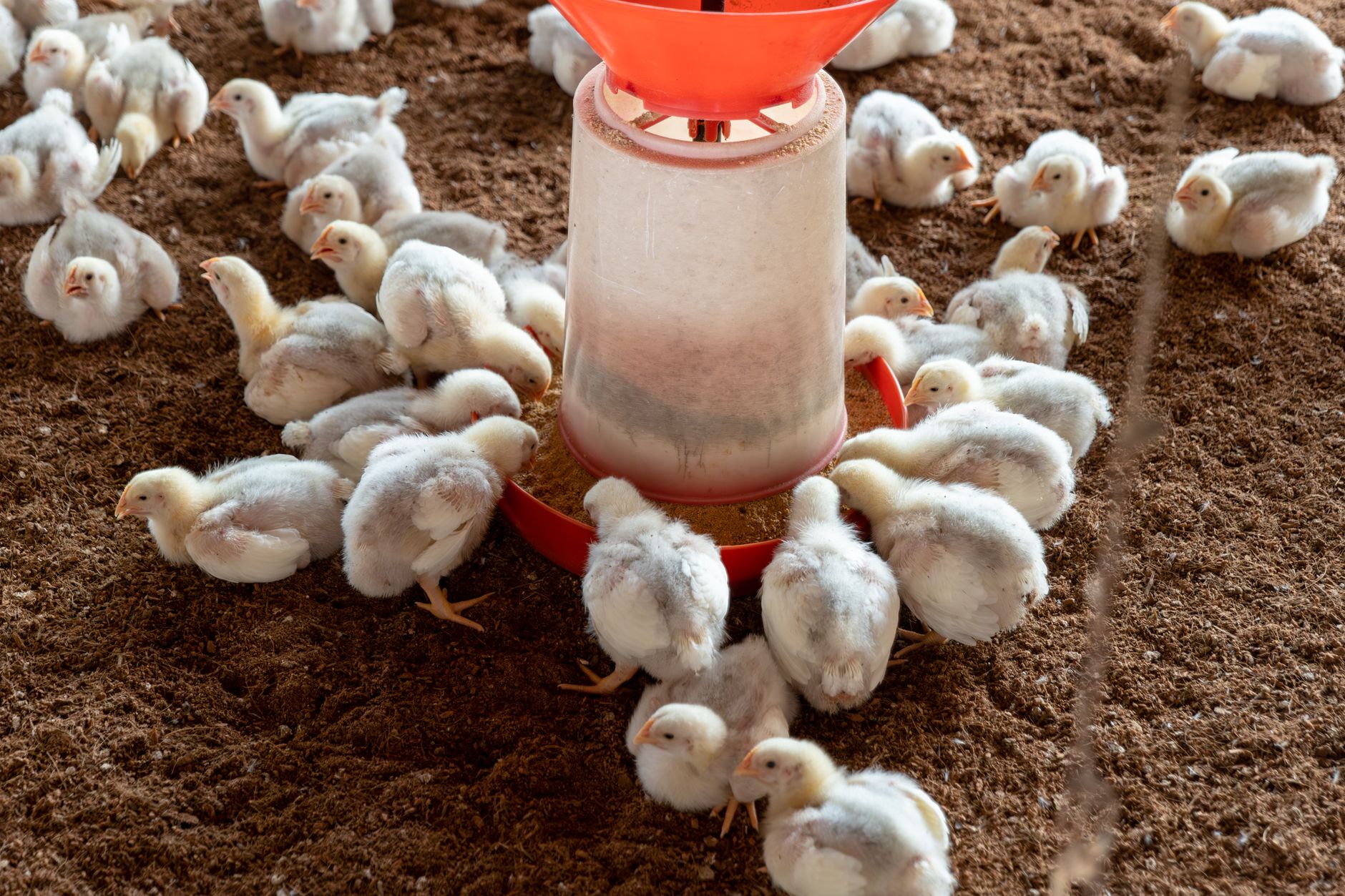
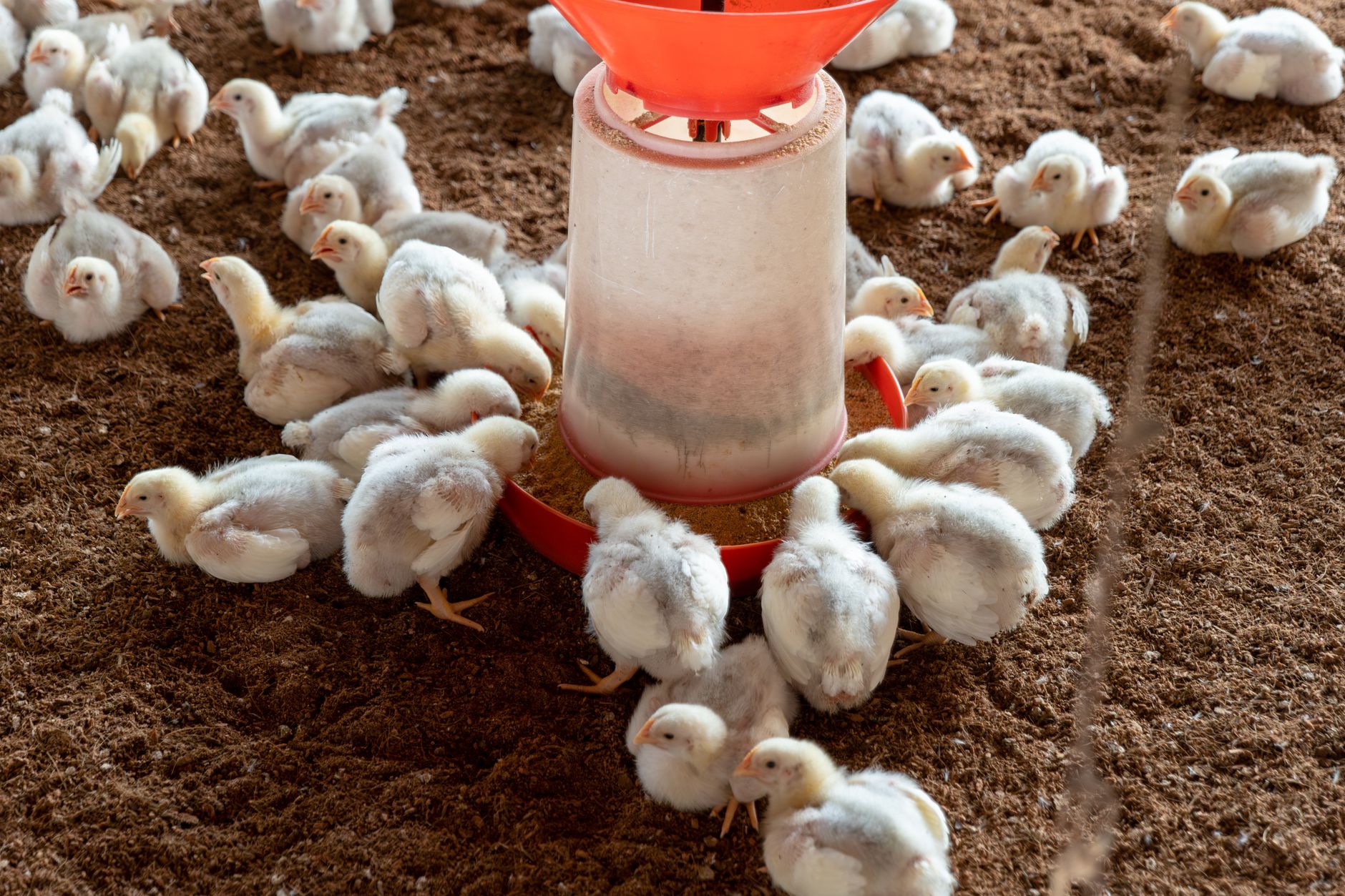
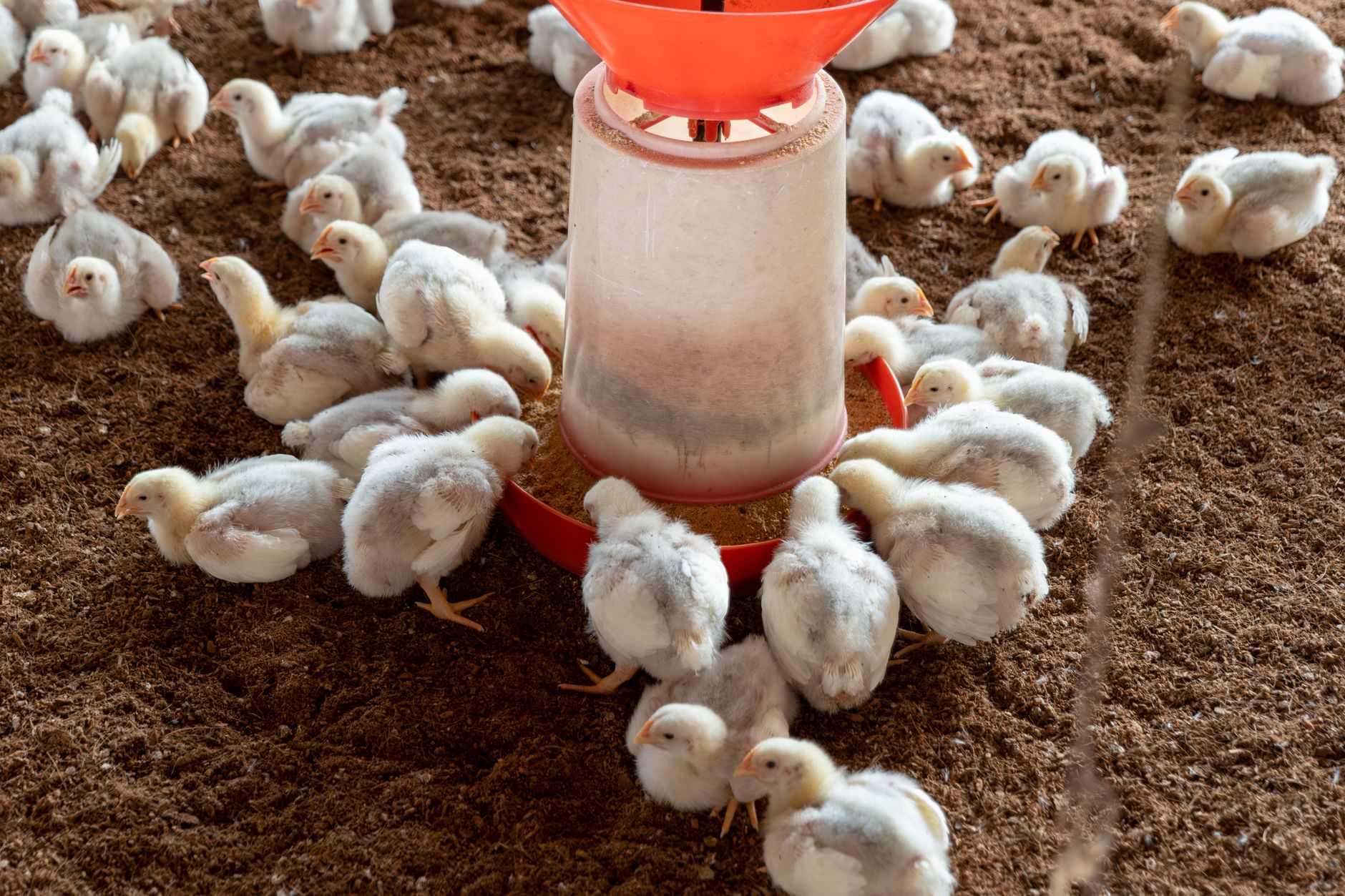
After hatching, move chicks to a brooder with a heat lamp or brooder plate. Start at 95°F and reduce by 5°F each week until they are fully feathered, around 6 weeks. Provide chick starter feed (20% protein) and clean water. Use pine shavings as bedding, and keep the brooder draft-free.
Chicks need 0.5 square feet each for the first week, then increase to 1 square foot by week 4. Keep them in the brooder for 6 weeks, then move to the coop if temperatures are mild.
Track your results
Keep records: hatch rate, chick survival, growth rate, and egg production. This helps you cull poor performers and improve your flock. A good hatch rate is 70 to 85%. Anything below 50% indicates a problem with fertility, incubation, or egg handling.
Common mistakes to avoid
- Using eggs older than 10 days: hatch rate drops sharply.
- Incubator temperature fluctuations: even 1°F can cause deformities.
- Not turning eggs: causes embryos to stick to the shell.
- Overcrowding the brooder: leads to pasty butt and mortality.
- Breeding closely related birds: causes genetic defects. Keep at least 5 unrelated breeding lines.
FAQ
How long do chicken eggs stay fertile? Eggs remain fertile for up to 10 days after being laid, but hatchability drops after 7 days. Collect daily and store properly.
Can I breed chickens without a rooster? No, you need a rooster for fertile eggs. If you do not want chicks, you can keep hens only.
What is the best incubator for beginners? A forced-air incubator with automatic turning, like the Brinsea Mini II Advance ($150) or HovaBator ($80), is reliable. Avoid still-air models if possible.
How much does it cost to start breeding chickens? Expect to spend $50 to $150 on an incubator, $20 to $50 on a brooder setup, and $3 to $5 per chick for feed and supplies. Breeding stock costs $20 to $50 per bird.
The bottom line
Breeding chickens is rewarding but requires attention to detail. Start with a small flock of a hardy breed, manage your rooster ratio, and invest in a good incubator. Keep records and learn from each hatch. With realistic expectations and consistent care, you will have healthy chicks in 21 days.