Best way to start raising chickens
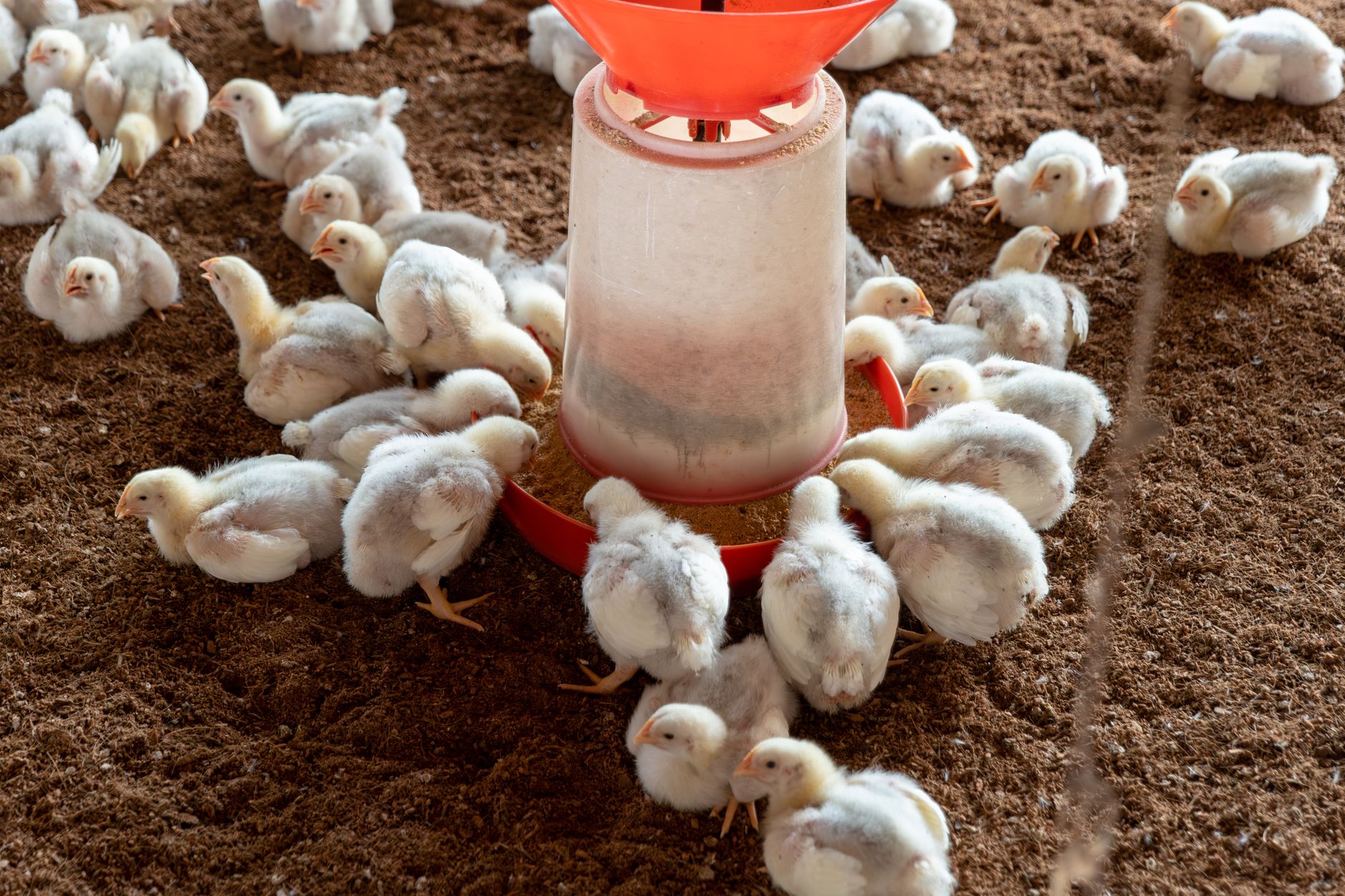
Learn the best way to start raising chickens: choose the right breed, build a coop, feed correctly, and avoid common mistakes. Practical advice for beginners.
The best way to start raising chickens is to begin with 3 to 5 adult hens, a secure coop, and a plan for daily care. Skip chicks your first time: adult birds are hardier, already laying, and far easier for a beginner. This guide walks you through the essential steps, from choosing breeds to setting up your coop, so you can avoid the mistakes most new keepers make.
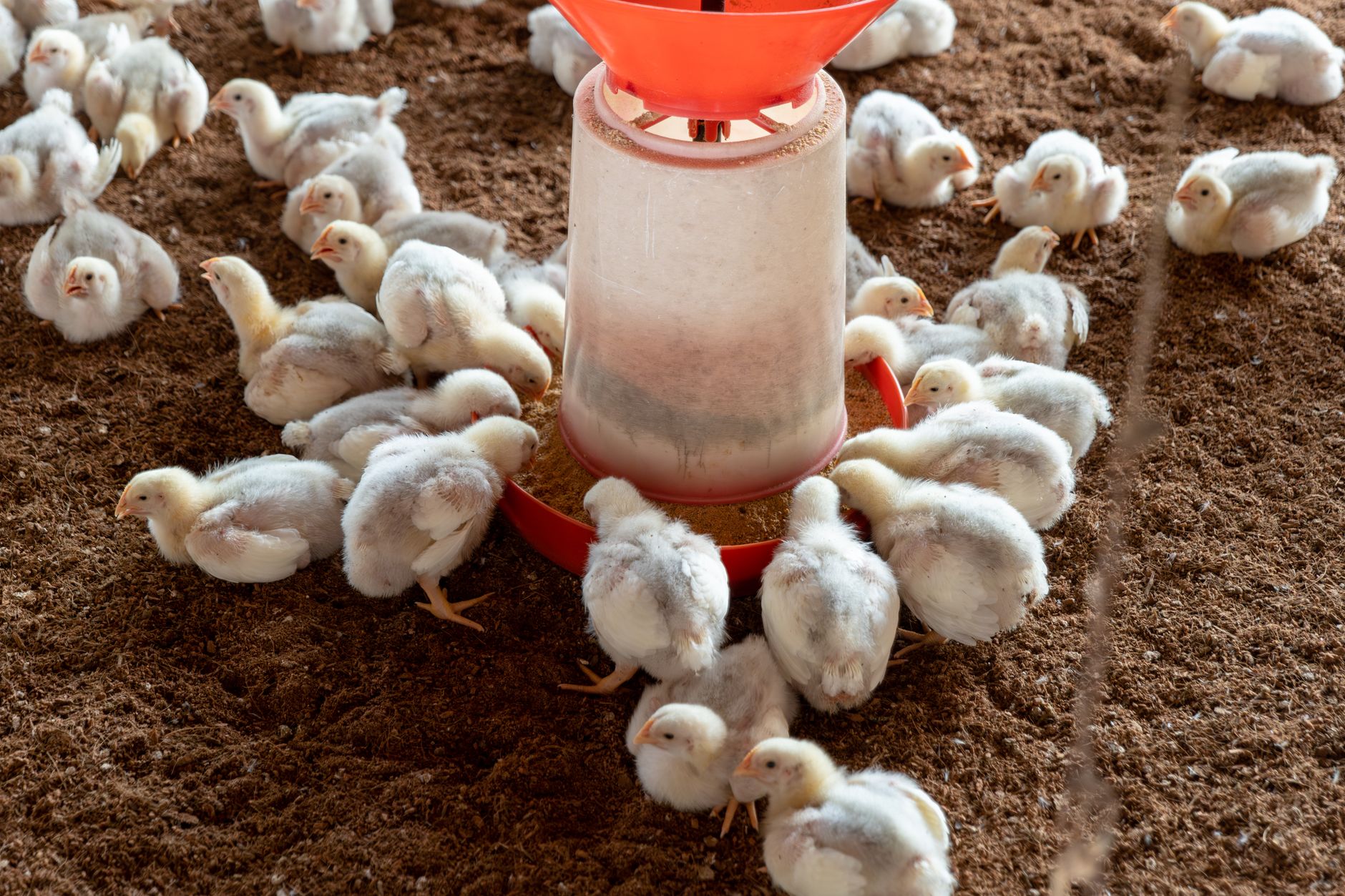
Choose the right breeds
Your choice of breed depends on your goals: eggs, meat, or both. For a first flock, focus on reliable layers with calm temperaments. Here are proven options for beginners:
- Rhode Island Red: Hardy, lays 5 to 6 brown eggs per week, good foragers, handles heat and cold well.
- Buff Orpington: Docile, cold-hardy, lays 4 to 5 brown eggs per week, great with kids.
- Barred Plymouth Rock: Friendly, lays 4 to 5 brown eggs per week, excellent for free-ranging.
- Australorp: Quiet, lays 5 to 6 brown eggs per week, heat tolerant.
If you want blue eggs, consider an Ameraucana (lays 3 to 4 per week) or an Easter Egger (similar output). For meat, a Cornish Cross is the standard, but it requires careful feeding and reaches butcher weight in 8 weeks. For dual-purpose, a Red Ranger or Freedom Ranger grows slower but is hardier and better for foraging.
Buy from a reputable hatchery or local farm. In 2026, day-old chicks cost $3 to $8 each, while adult hens run $15 to $30. Local farm sup
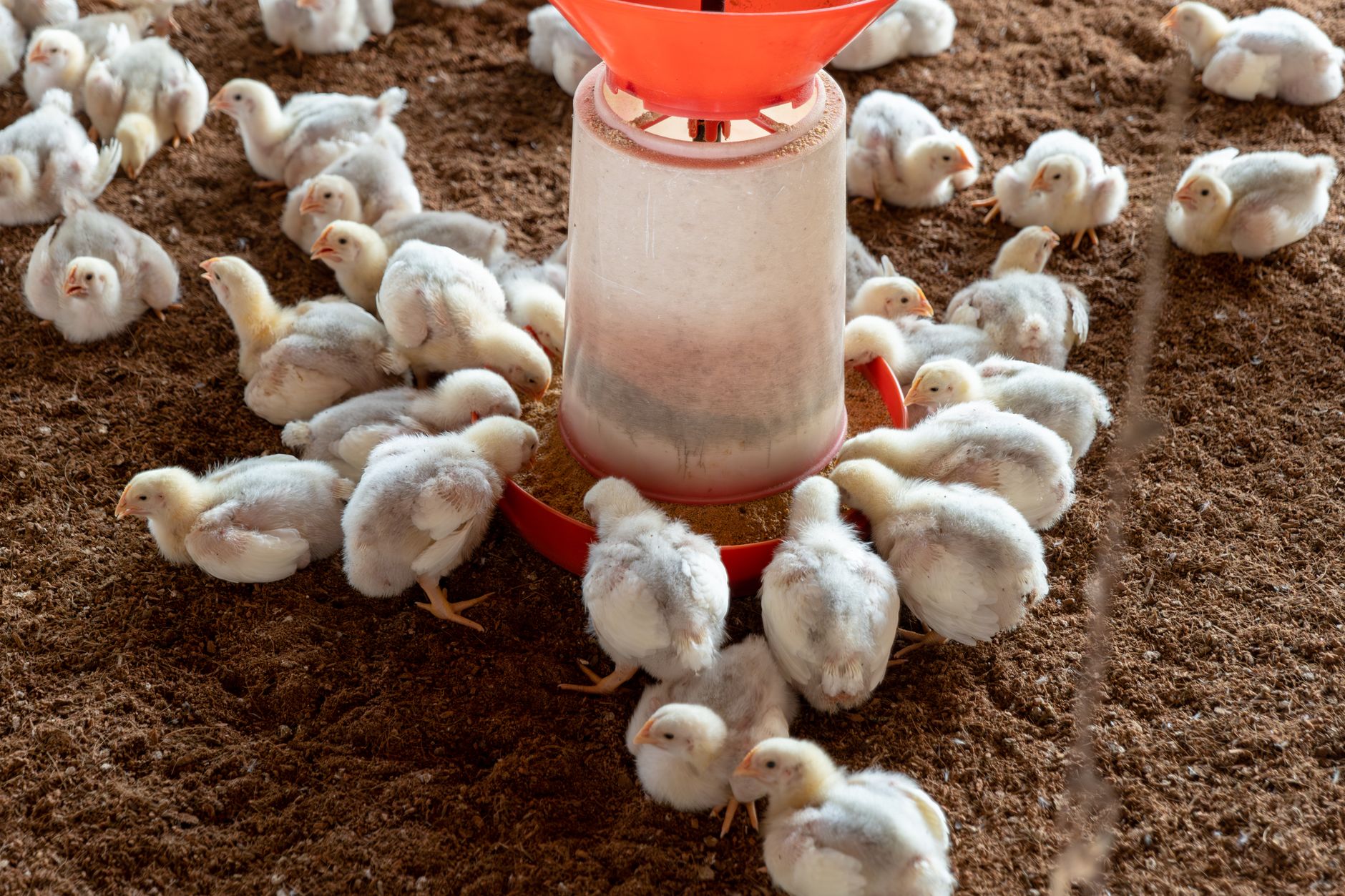 ply stores often sell started pullets (16 to 20 weeks old) for $25 to $40, which is a good middle ground.
Set up your coop and run
Your coop must protect birds from predators, weather, and provide ventilation without drafts. Plan for at least 4 square feet per bird inside the coop and 10 square feet per bird in the run. For 4 hens, that means a 4x4 foot coop and a 4x10 foot run minimum.
Key elements:
- Roosts: Use 2x4 lumber, placed 2 to 3 feet off the ground. Each bird needs 8 to 10 inches of roost space.
- Nesting boxes: One box per 3 to 4 hens, filled with straw or wood shavings. Place them in a dark, quiet corner.
- Ventilation: Add vents near the roof to let moisture and ammonia out, but keep the coop draft-free at bird level.
- Predator proofing: Use 1/2 inch hardware cloth (not chicken wire) on windows and run. Bury the wire 12 inches deep to stop diggers.
A pre-built coop costs $300 to $800 for a 4 to 6 bird model. Building your own from scrap lumber can cost as little as $100, but factor in your time. A simple hoop house or tractor works for mobile flocks. Whatever you choose, set it up before the birds arrive.
Feed and water correctly
Feed is the biggest ongoing cost, about $15 to $25 per month for 4 hens. Use a complete layer pellet or crumble (16% protein) for laying hens. For chicks, use a 20% protein starter. For meat birds, use a 22% protein grower.
- Grit: Provide insoluble grit (small stones) to help digestion, especially if birds eat whole grains or forage.
- Oyster shell: Offer free-choice calcium for strong eggshells.
- Water: Use a 2 to 5 gallon galvanized or plastic waterer. In winter, use a heated base to prevent freezing. Clean and refill daily.
Treats like kitchen scraps or garden weeds are fine, but keep them under 10% of the diet. Too many treats can reduce egg production.
Plan for daily and weekly care
Daily tasks take about 15 minutes: check water, refill feed, collect eggs, and observe the flock for signs of illness. Weekly, you’ll clean the coop: remove droppings, add fresh bedding, and scrub waterers.
Monthly, do a deeper clean: remove all bedding, wash the interior with a mild disinfectant, and check for mites or lice. Use food-grade diatomaceous earth in corners to deter pests.
In 2026, expect to spend $50 to $100 per month on feed, bedding, and supplies for a small flock. Initial setup costs (coop, feeders, waterers, fencing) run $400 to $1,000.
Avoid common mistakes
- Overcrowding: Too many birds in a small space leads to stress, pecking, and disease. Stick to the space guidelines.
- Inadequate predator protection: Raccoons, foxes, and hawks are relentless. Use hardware cloth and secure latches.
- Feeding layer feed to chicks: Chicks need higher protein; layer feed can cause kidney damage.
- Not collecting eggs daily: Eggs left in the nest can attract predators or get dirty. Collect at least once a day.
- Adding new birds without quarantine: Always isolate new birds for 30 days to prevent disease spread.
FAQ
How many chickens should I start with? Start with 3 to 5 hens. This gives you enough eggs for a family (about 12 to 20 per week) and keeps the flock manageable. A single hen is lonely and prone to behavioral issues.
When should I start raising chickens? Spring is ideal: chicks are available, and mild weather reduces stress. If you buy adult hens, you can start any time, but avoid extreme heat or cold for the first week.
How long until hens lay eggs? Pullets (young hens) start laying at 18 to 22 weeks. If you buy adult hens already laying, you’ll get eggs within days. Egg production naturally declines after the first year, but hens can lay for 3 to 5 years.
Do I need a rooster for eggs? No. Hens lay eggs without a rooster. You only need a rooster if you want fertilized eggs for hatching.
The bottom line
The best way to start raising chickens is to buy 3 to 5 adult hens from a local farm, set up a secure coop with proper ventilation and predator proofing, and feed them a balanced layer ration. This approach minimizes risk and gets you eggs within days. As you gain experience, you can expand your flock, try chicks, or experiment with different breeds. Remember, chickens are a daily commitment, but the reward of fresh eggs and the pleasure of watching them scratch and cluck is worth it.