Best way to raise chickens
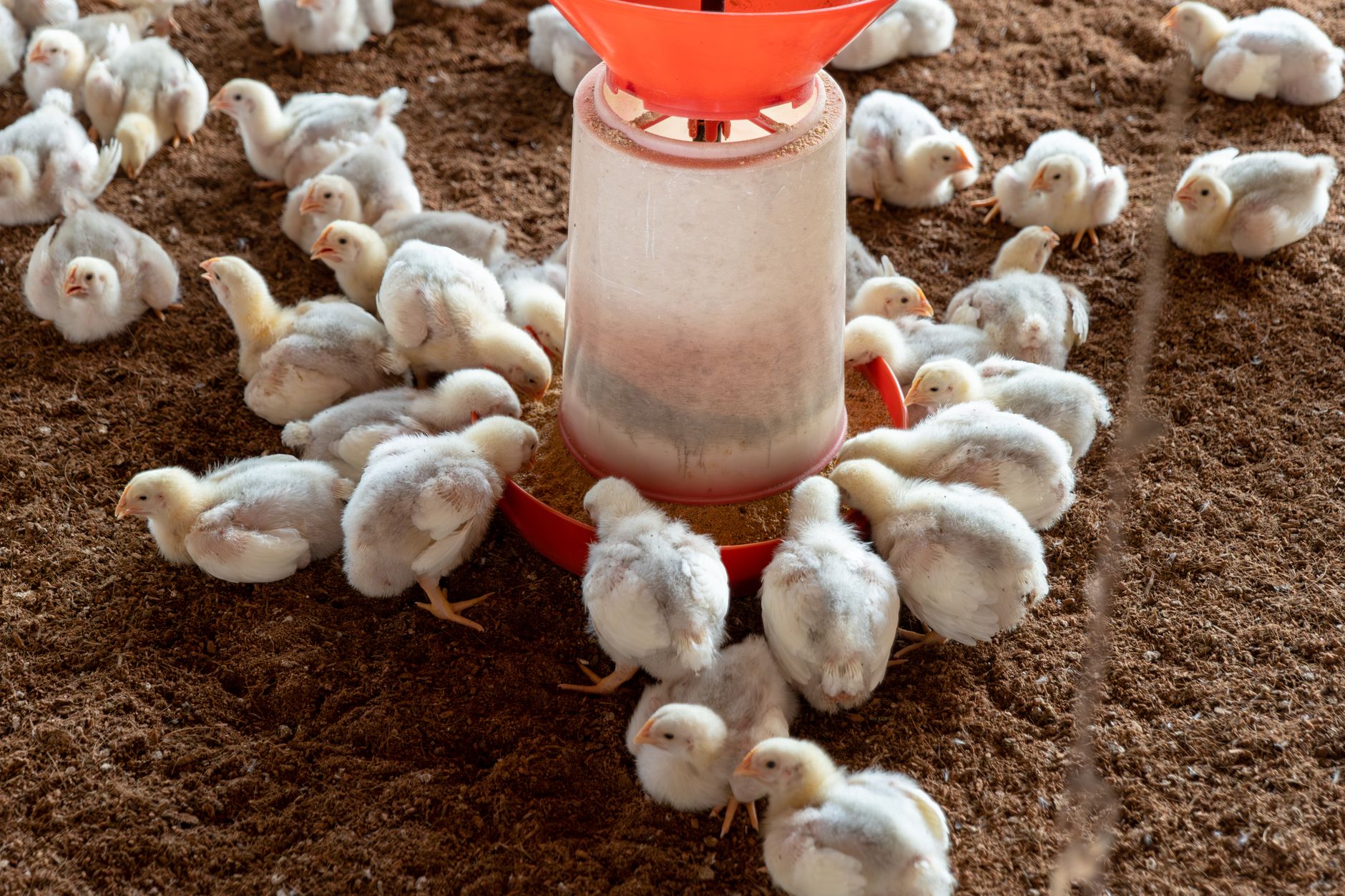
Learn the best way to raise chickens for eggs or meat: choose the right breed, build a safe coop, feed properly, and avoid common mistakes. Practical, zone-specific advice.
The best way to raise chickens is to start with a clear goal, choose a hardy breed suited to your climate, and set up a safe, dry coop before the birds arrive. This approach saves you time, money, and heartache, whether you want a dozen eggs a week or a freezer full of meat. Here is the step-by-step method that works for most homesteads.
Decide your goal: eggs, meat, or both
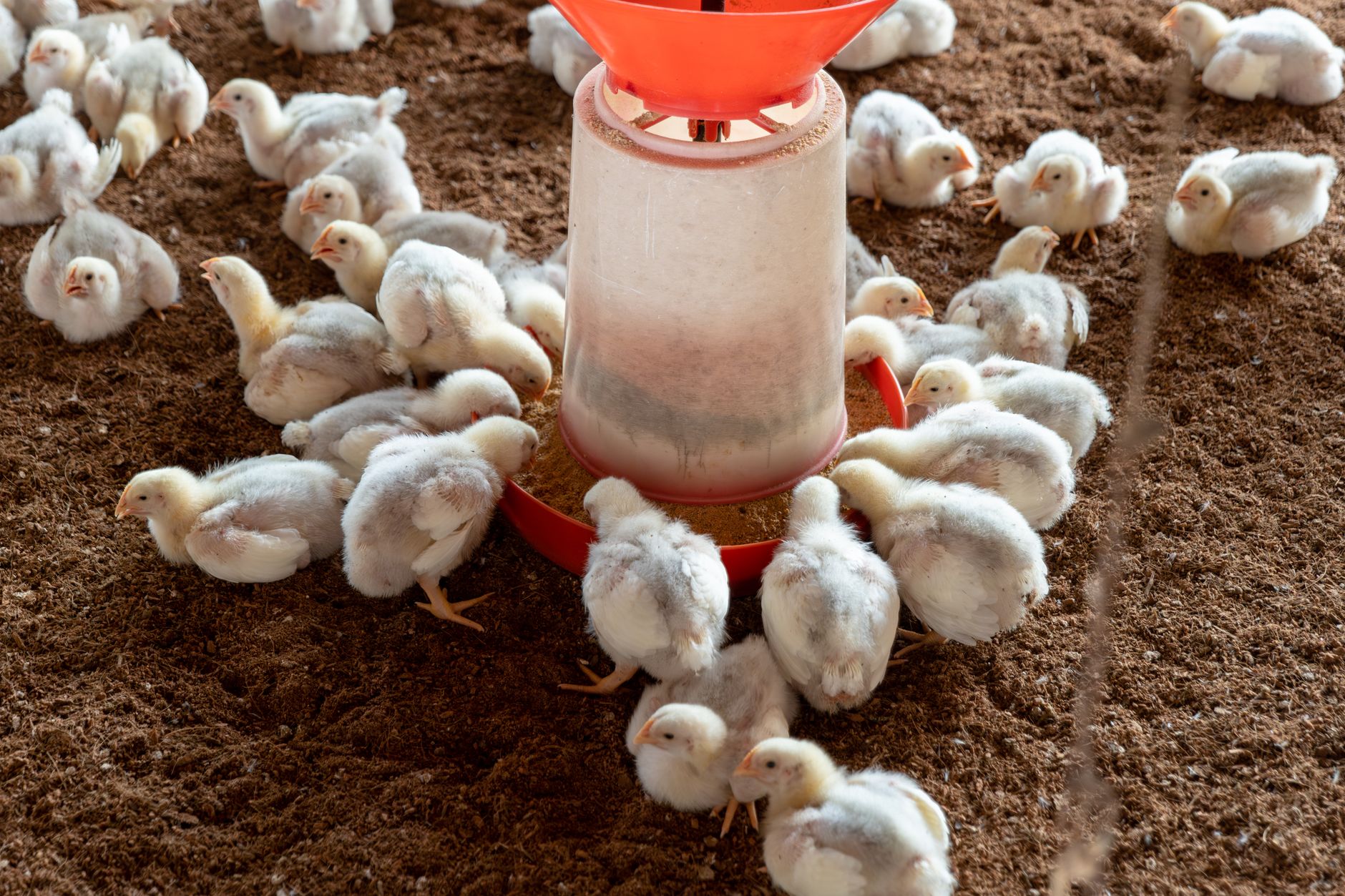
Your first decision determines everything else. For eggs, pick a layer breed like Rhode Island Red, Australorp, or Leghorn. These lay 250 to 300 eggs per year in good conditions. For meat, choose a Cornish Cross, which reaches butcher weight in 8 weeks, or a slower-growing dual-purpose breed like a Wyandotte if you want both eggs and meat. If you want both, consider raisin
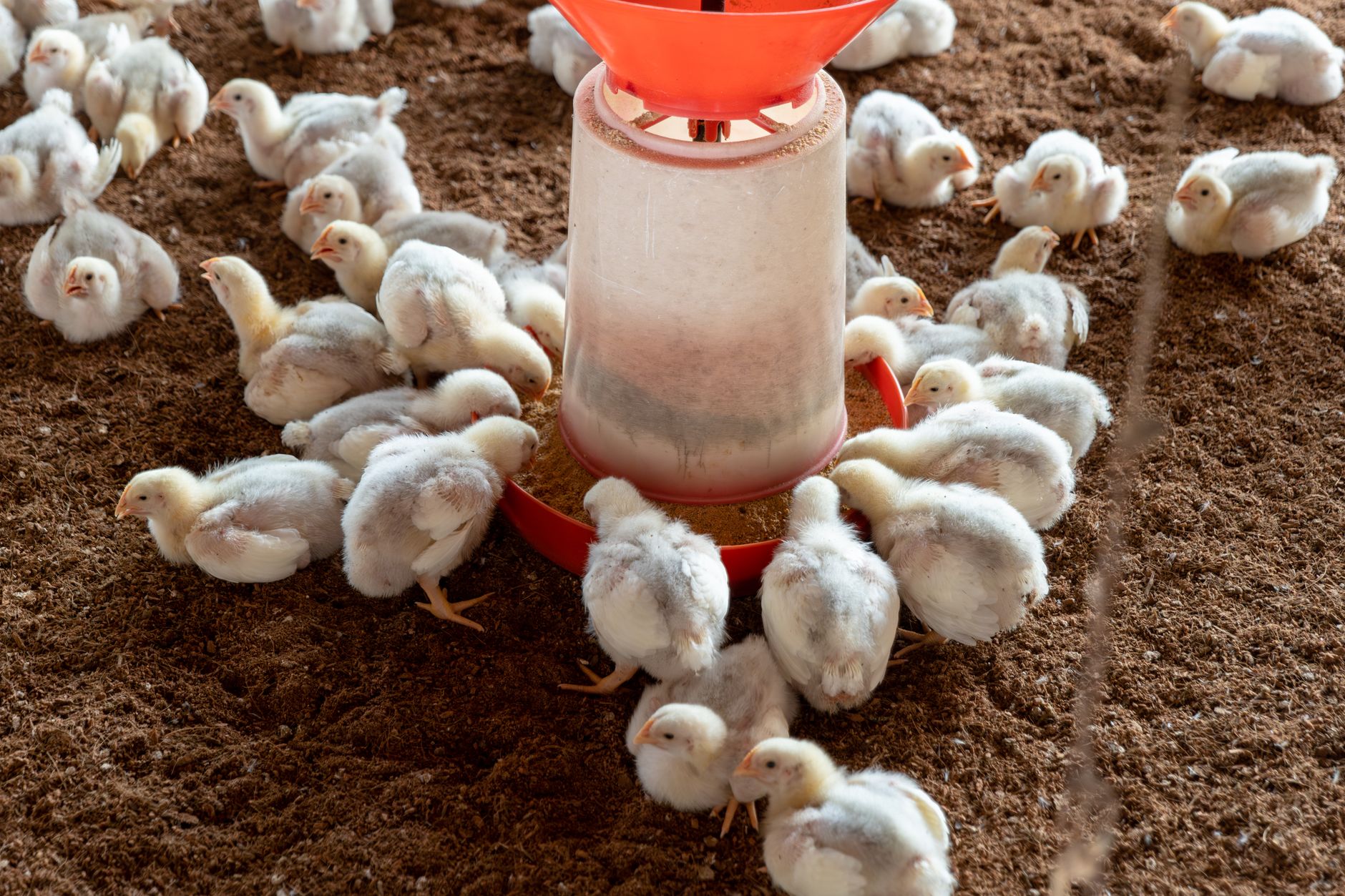 g a dual-purpose flock: you get eggs for two years, then process the birds for stew meat.
Choose the right breed for your zone
Cold climates (USDA zones 3-5): Choose cold-hardy breeds with small combs, like Australorps, Orpingtons, or Brahmas. They handle snow and frost well. Hot climates (zones 8-10): Pick heat-tolerant breeds with large combs, like Leghorns, Minorcas, or Easter Eggers. They need shade and water in summer. For beginners, I always recommend Rhode Island Reds or Buff Orpingtons. They are calm, hardy, and lay well in most zones.
Build or buy a safe coop and run
Your coop must protect from predators (raccoons, dogs, hawks) and weather. Plan for 4 square feet per bird inside the coop and 10 square feet per bird in the run. A 4x8 coop with a 6x10 run works for 6 to 8 hens. Use 1/2 inch hardware cloth, not chicken wire, on windows and run. Chicken wire only keeps chickens in, not predators out. Elevate the coop off the ground to prevent rot and rodent nesting. Include one nesting box per 3 to 4 hens, filled with straw or pine shavings. Place roosts at 2 to 3 feet high, with 8 inches per bird.
Cost: A basic coop kit runs $300 to $600. Building your own with scrap lumber costs $150 to $300. A used coop can be $100, but inspect for rot and gaps.
Start with chicks or pullets?
Day-old chicks are cheapest ($3 to $5 each) but need a brooder with a heat lamp or brooder plate, chick starter feed (20% protein), and constant attention for 6 weeks. Pullets (16 to 20 weeks old) cost $15 to $25 each but are ready to lay within weeks. For first-timers, I recommend pullets. You skip the fragile chick stage and get eggs sooner. Order chicks from a hatchery like Murray McMurray or Cackle Hatchery, or buy from a local feed store. Avoid buying adult hens from unknown sources; they may be old or carry disease.
Feed and water correctly
Feed a complete layer pellet (16% protein) for egg layers, or a broiler feed (20-24% protein) for meat birds. Offer oyster shell free-choice for strong eggshells. Provide clean water daily; a 5-gallon nipple waterer is best to prevent contamination. For the first 8 weeks, use a chick starter with 20% protein. After that, switch to layer feed if they are hens. Treats like kitchen scraps and garden weeds are fine, but keep them to 10% of the diet. Too many treats reduce egg production.
Set up a daily and weekly routine
Daily: Check water, refill feed, collect eggs, and observe the flock for signs of illness (lethargy, drooping wings, abnormal droppings). Weekly: Clean the coop, replace soiled bedding, and check for mites or lice. Monthly: Inspect the run for holes, trim toenails if needed, and clean the waterer with a mild bleach solution.
Prevent common health problems
Mites and lice are the most common issue. Dust your birds with food-grade diatomaceous earth or use a poultry dust (like Permethrin) every 4 to 6 weeks. Coccidiosis is a risk for chicks; use medicated starter feed for the first 8 weeks if you raise chicks. Marek’s disease is a virus; vaccinate chicks at the hatchery or buy vaccinated pullets. Keep the coop dry and clean to avoid respiratory issues like infectious bronchitis.
Butchering and processing (if raising for meat)
If you raise Cornish Cross, plan to process at 8 weeks. You will need a killing cone, a sharp knife, and a scalding pot (140°F water) for feather removal. Expect about 4 to 5 pounds of dressed meat per bird. Processing takes 30 to 45 minutes per bird once you get the hang of it. If you are not ready to butcher, raise a dual-purpose breed and use a local processor, which costs $3 to $5 per bird.
Realistic costs and yields
Starting a flock of 6 hens costs:
- Chicks or pullets: $30 to $150
- Coop and run: $300 to $600
- Feed (first 6 months): $60 to $100
- Waterer and feeder: $30 to $50
- Total first year: $420 to $900, or $70 to $150 per bird.
After that, feed costs run $15 to $25 per hen per year. Each hen lays 5 to 6 eggs per week, so 6 hens give you 30 to 36 eggs weekly. At $4 per dozen for organic eggs, that is $10 to $12 per week in value, so payback takes about a year.
FAQ
How many chickens should I start with?
Start with 4 to 6 hens. Fewer than 3 is hard to keep warm in winter and they may get lonely. More than 6 is a lot for a beginner. You can always add more later.
Can I raise chickens in a small backyard?
Yes, if you have at least 20 square feet per bird. Check local zoning laws; many cities allow 4 to 6 hens but no roosters. Use a movable coop (chicken tractor) to rotate on grass.
How long do chickens live and lay eggs?
Hens lay best for the first 2 to 3 years, then production drops. They can live 8 to 10 years. Many homesteaders keep older hens as pets or for pest control.
Do I need a rooster for eggs?
No. Hens lay eggs without a rooster. You only need a rooster if you want fertilized eggs for hatching. Roosters are noisy and can be aggressive, so skip them unless you plan to breed.
The bottom line
The best way to raise chickens is to start small, choose a hardy breed, and invest in a predator-proof coop. Set up your infrastructure before the birds arrive, feed a balanced diet, and keep a consistent routine. Expect to spend about $500 to $900 in year one for a flock of six, and you will get fresh eggs for years. Avoid the common mistakes: overcrowding, poor predator protection, and overfeeding treats. With this guide, you will be collecting your first eggs in 4 to 5 months if you start with pullets, or 6 months if you raise chicks. Happy homesteading.