Broccoli vs cauliflower
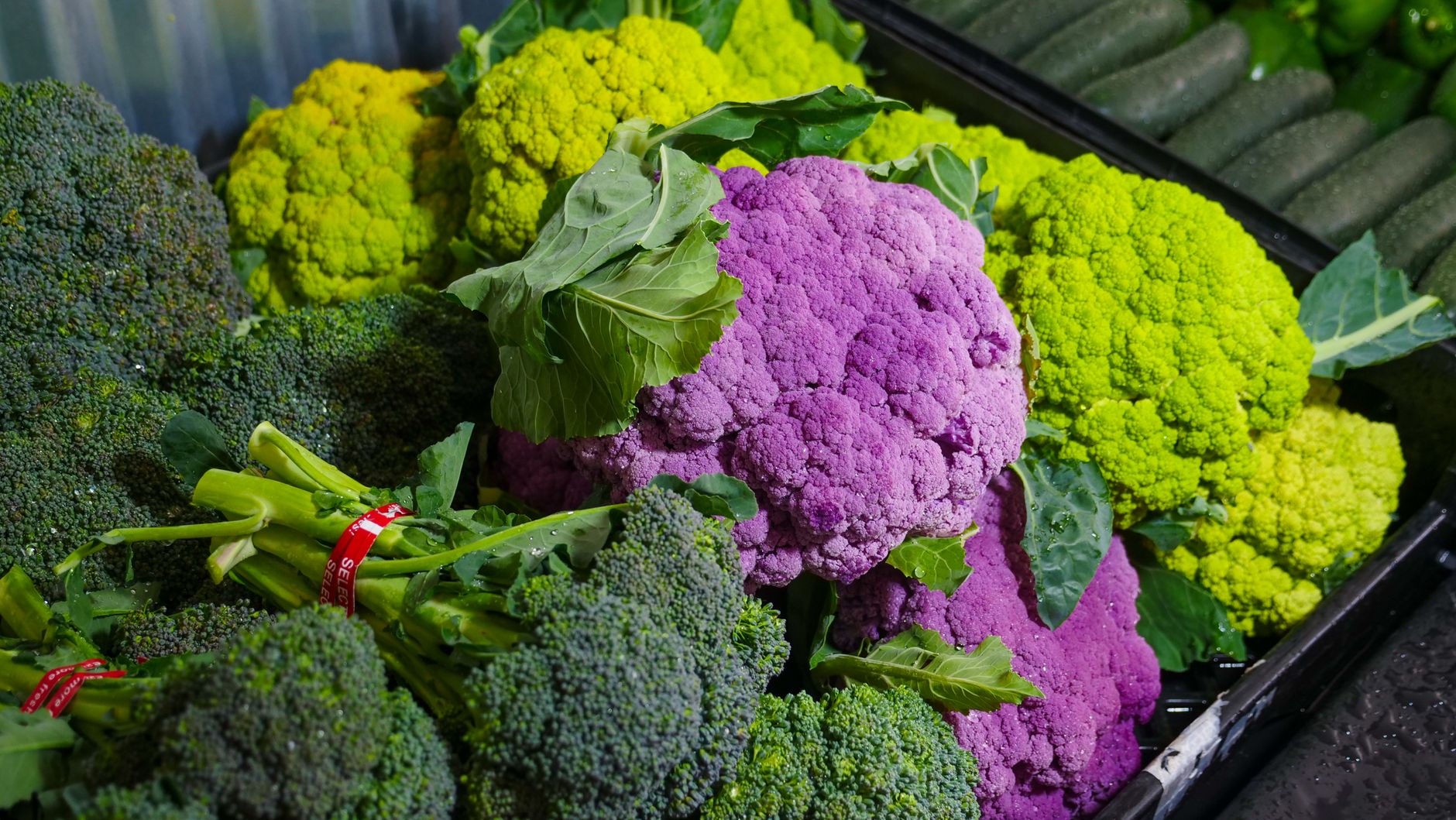
Compare broccoli and cauliflower for your garden: climate needs, planting dates, varieties, yields, and pest management. Choose the right crop for your zone.
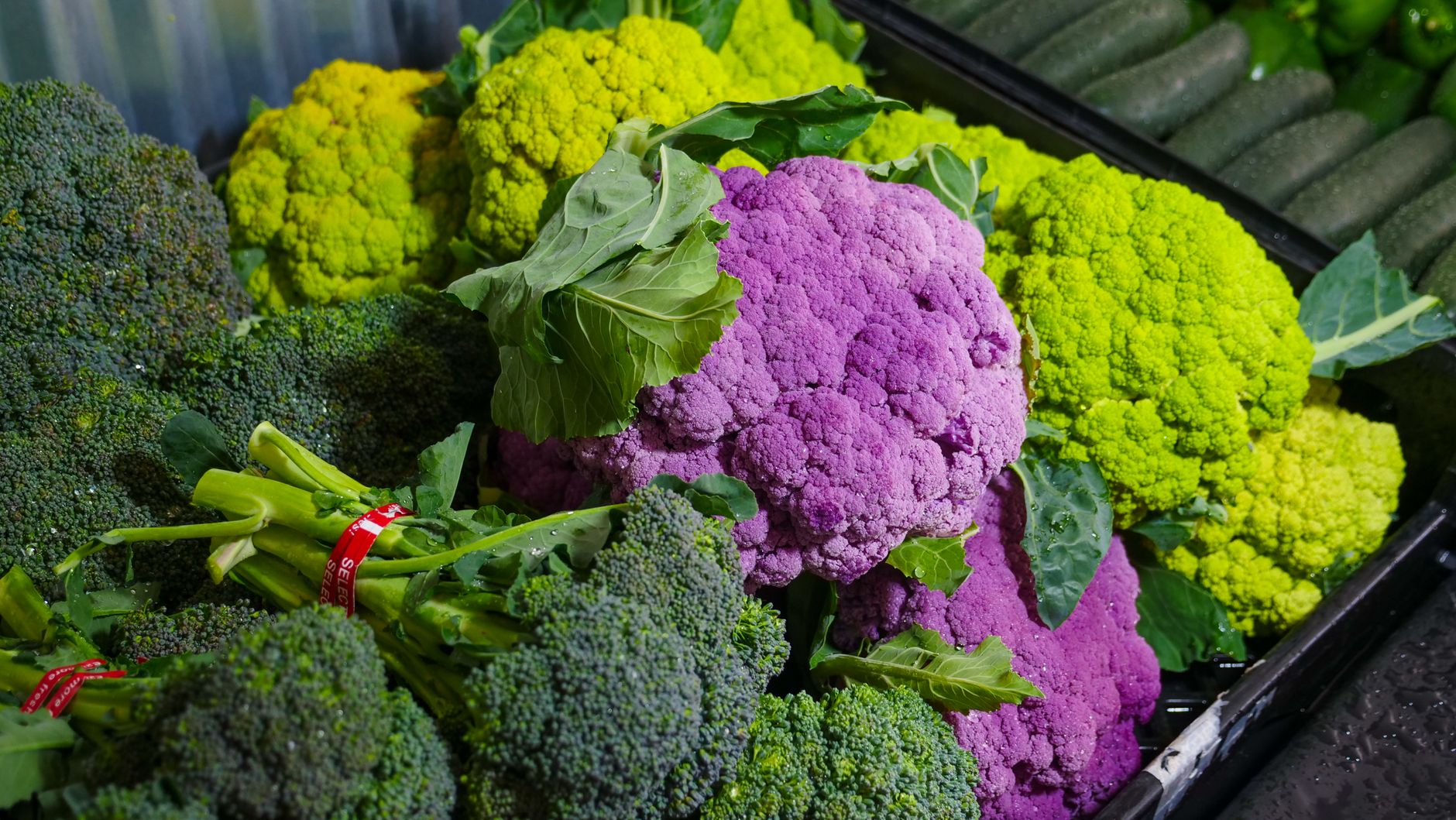
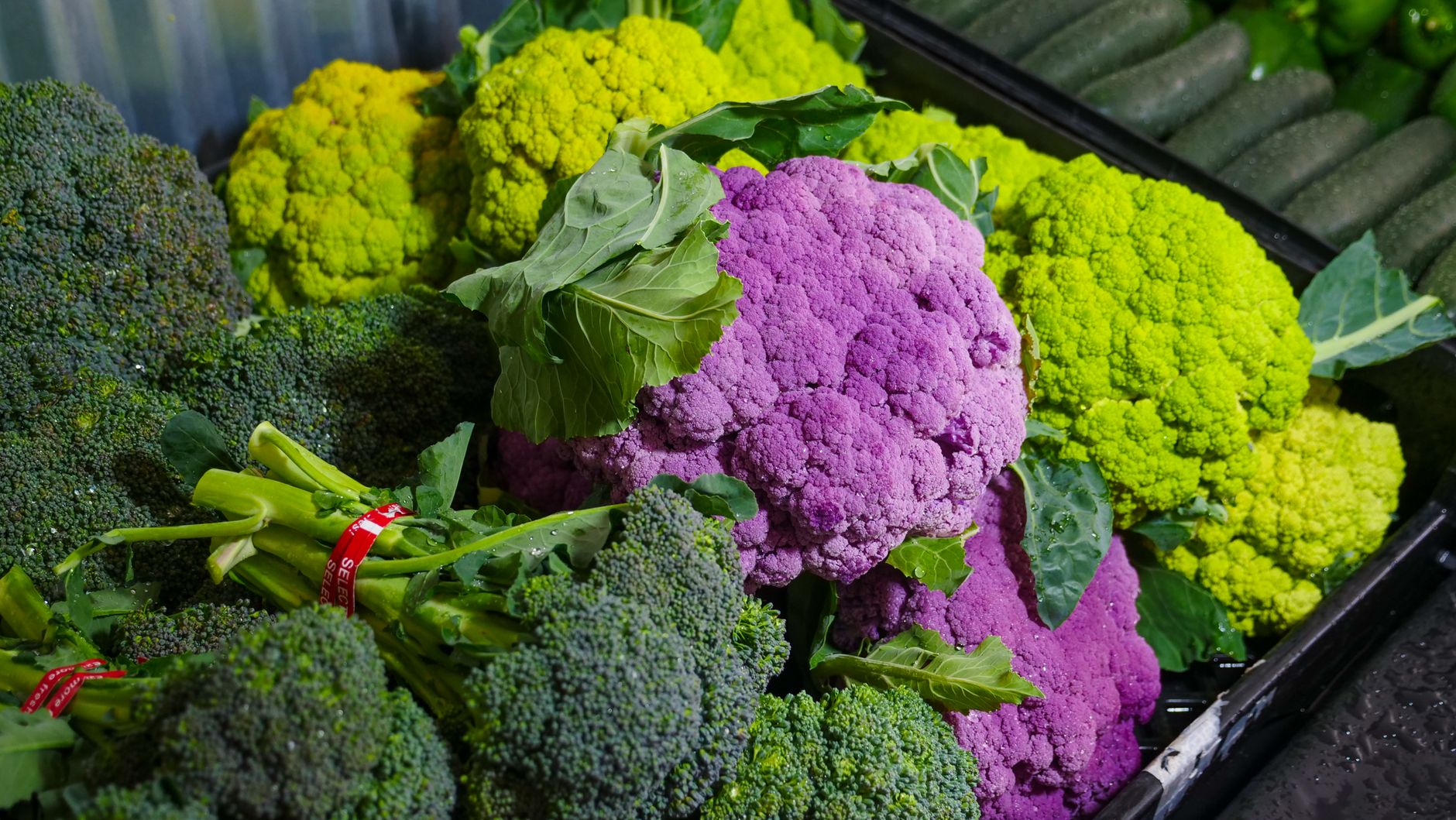
Broccoli and cauliflower are both cool-season brassicas, but they are not interchangeable in the garden. Cauliflower is more demanding: it needs consistent cool weather, rich soil, and steady moisture or it will button or bolt. Broccoli is more forgiving and gives you a longer harvest window. If you are new to brassicas, start with broccoli. If you have the patience and the right conditions, cauliflower is worth the effort.
Climate and timing
Both crops prefer temperatures between 55°F and 75°F. They will bolt when it gets too hot, and they will sit stagnant in freezing weather. The key difference: cauliflower has almost no tolerance for stress. A week of unseasonable heat or a missed watering can ruin the head. Broccoli will often recover and produce side shoots.
Planting dates depend on your zone. Use these as a guide for spring and fall crops:
| Zone | Spring transplant | Fall transplant |
|---|---|---|
| 3-4 | Late April to early May | Mid-July |
| 5-6 | Early to mid-April | Late July to early August |
| 7-8 | Late February to March | August to September |
| 9-10 | January to February | October to November |
For fall crops, count back from your first frost date: broccoli needs 70-90 days, cauliflower needs 75-110 days, depending on variety. Sta
 rt seeds indoors 6-8 weeks before transplanting, or buy transplants from a nursery.
Varieties that perform
Choose varieties bred for your climate. For broccoli, ‘Arcadia’ is a reliable hybrid that handles heat and cold well. ‘Di Cicco’ is an heirloom that produces many side shoots after the main head. For cauliflower, ‘Snow Crown’ is a classic that matures quickly and is more forgiving than most. ‘Amazing’ is another good hybrid for fall planting.
If you have a short season, look for early varieties. ‘Green Magic’ broccoli matures in about 60 days. ‘Early Snowball’ cauliflower is an heirloom that does well in cooler coastal areas.
Soil and spacing
Both crops need fertile, well-drained soil with a pH between 6.0 and 7.0. Work in 2 inches of compost before planting. Add a balanced fertilizer like 10-10-10 at a rate of 1 pound per 10 square feet.
Space broccoli 18 inches apart in rows 24 inches apart. Cauliflower needs a bit more room: 24 inches between plants and 30 inches between rows. Both are heavy feeders, so side-dress with nitrogen three weeks after transplanting.
Water and mulch
Keep the soil consistently moist. Broccoli needs about 1 inch of water per week; cauliflower needs 1.5 inches, especially as the head forms. A drip irrigation system on a timer is the easiest way to avoid stress. Mulch with straw or shredded leaves to hold moisture and keep the soil cool.
Pest management
The biggest pests are cabbage worms, aphids, and flea beetles. Use row covers from transplanting until harvest to keep moths and beetles off. If you see worms, pick them off by hand or spray with Bacillus thuringiensis (Bt), which is organic and effective. For aphids, a strong blast of water or insecticidal soap works.
Harvesting
Broccoli is ready when the main head is tight and dark green, usually 60-90 days after transplanting. Cut the central head with 6 inches of stem. Then leave the plant in the ground: it will produce side shoots for weeks. Cauliflower is ready when the curd is white and compact, about 75-110 days. If the curd starts to separate, it is overripe. Cut the head with a few wrapper leaves.
For cauliflower, you may need to blanch the head: tie the outer leaves over the curd when it is about 2 inches wide. This keeps it white and sweet. Some varieties are self-blanching, but most are not.
Yield and cost
In a home garden, expect about 1 pound of broccoli per plant from the main head, plus another 0.5 pound from side shoots. Cauliflower yields one head per plant, typically 1 to 2 pounds. A 10-foot row of broccoli (6 plants) gives you 6-9 pounds. The same row of cauliflower (5 plants) gives you 5-10 pounds.
Seeds cost $3 to $5 per packet. Transplants cost $3 to $5 each at a nursery. For a family of four, plant 10 broccoli and 10 cauliflower plants; that will cost about $30 to $50 for transplants, or $10 for seeds.
FAQ
Can I grow broccoli and cauliflower together? Yes, they have the same soil and water needs, and they share pests. But give them enough space, and plant them at the same time. Just remember cauliflower is more sensitive, so it may need extra attention.
Why is my cauliflower not forming a head? The most common causes are heat, drought, or too much nitrogen. If the plant gets stressed, it may button (form a tiny head) or bolt. Make sure it gets consistent water and shade in the afternoon if you are in a warm zone.
Can I grow these in containers? Yes, but use a container at least 12 inches deep and 18 inches wide for one plant. Broccoli will do okay, but cauliflower is risky because it needs steady moisture. Use a self-watering container and a heat-tolerant variety.
How do I store the harvest? Both keep in the refrigerator for about a week. Blanch and freeze for longer storage. Broccoli freezes better than cauliflower; cauliflower can get mushy, so eat it fresh or pickle it.
The bottom line
Broccoli is the easier crop for most gardeners: it tolerates more heat, produces multiple harvests, and is less fussy about soil moisture. Cauliflower gives you a beautiful, dense head but requires perfect conditions. If you have a cool, consistent climate and are willing to water diligently, grow both. Otherwise, start with broccoli and try cauliflower in the fall, when temperatures are more stable. Either way, you will get fresh, homegrown brassicas that taste far better than store-bought.